
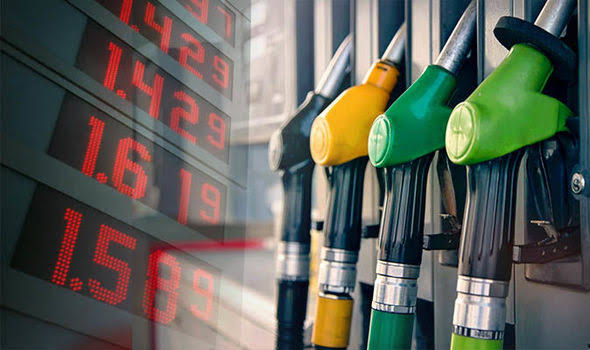
The Energy and Petroleum Regulatory Authority (Energy and Petroleum Regulatory Authority) has announced new maximum retail fuel prices for the June–July 2026 pricing cycle, showing a notable reduction in diesel prices while petrol records a marginal drop and kerosene remains unchanged.
The revised prices will take effect from 15 June 2026 to 14 July 2026, in accordance with Section 101(y) of the Petroleum Act, 2019 and Legal Notice No. 192 of 2022.
Diesel Records Significant Drop, Petrol Sees Slight Reduction
In the latest review, EPRA confirmed that:
- Super Petrol will decrease by KSh0.22 per litre
- Diesel will decrease by KSh10.00 per litre
- Kerosene will remain unchanged
The regulator said the adjustments reflect changes in international oil prices and exchange rate movements over the review period.
Nairobi Fuel Prices Set for New Cycle
Under the new pricing structure, fuel will retail at the following maximum pump prices in Nairobi:
- Super Petrol: KSh214.03 per litre
- Diesel: KSh222.86 per litre
- Kerosene: KSh191.38 per litre
The prices are inclusive of Value Added Tax (VAT) as provided under the VAT Act, 2013, alongside adjustments under the Finance Act, 2023, the Tax Laws (Amendment) Act, 2024, and revised excise duty rates indexed for inflation.
Government Subsidy Through PDL Fund
EPRA further noted that the government will cushion consumers during the current pricing cycle through the Petroleum Development Levy (PDL) Fund.
Approximately KSh10 billion will be used to subsidize the cost of diesel and kerosene, a move aimed at stabilizing pump prices and easing pressure on households and transport operators.
The subsidy is expected to soften the impact of global oil market fluctuations, particularly on essential sectors such as transport, agriculture, and small-scale businesses.
What the New Fuel Prices Mean for Consumers
The drop in diesel prices is expected to offer relief to transporters, matatu operators, logistics companies, and farmers who rely heavily on diesel-powered machinery.
However, the marginal change in petrol prices means private motorists are unlikely to experience significant relief at the pump.
Kerosene, commonly used by low-income households for cooking and lighting in rural and peri-urban areas, remains unchanged, maintaining its current cost burden.
EPRA’s Role in Fuel Pricing
EPRA reviews fuel prices monthly, taking into account:
- Cost of imported refined petroleum products
- Exchange rate fluctuations
- Freight and insurance costs
- Taxes and statutory levies
The regulator then publishes maximum allowable retail prices that oil marketing companies must adhere to across the country.
The June–July pricing cycle comes amid continued volatility in global energy markets and domestic pressure to keep transport and production costs manageable.
While diesel users will benefit from the latest adjustment, analysts note that broader relief will depend on sustained stability in global crude oil prices and continued government subsidies through the PDL fund.
For now, motorists and businesses will begin the new pricing cycle under the revised rates effective midnight.