Home Latest News Business
Category:

Business

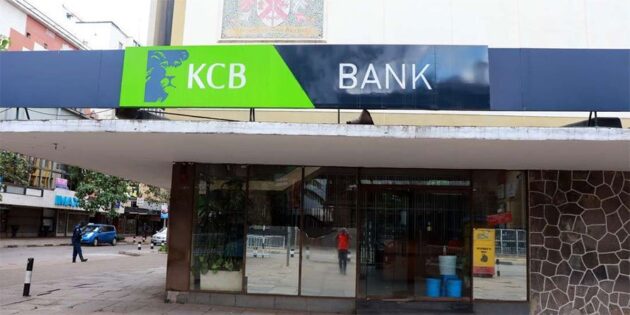
KCB Bank
  • From the Employment and Labour Relations Court to the High Court of Kenya, KCB Bank’s name is appearing with notable frequency in 2026 rulings and filings.
  • Individually, each case may appear routine for a bank of KCB’s size. But collectively, they point to a broader narrative: persistent legal friction cutting across multiple areas of the institution.
  • Unlike explosive fraud scandals, KCB’s situation in 2026 is unfolding as a “slow-burn controversy”, a steady accumulation of legal battles that, over time, could prove just as damaging.

KCB Bank Kenya is facing renewed scrutiny, not from regulators or auditors, but from the courts, where a steady stream of cases in 2026 is raising uncomfortable questions about the bank’s internal operations, labour practices, and lending decisions.

Even as the lender posts strong financial results, court records reviewed from the Kenya Law database reveal a pattern that critics say cannot be ignored: KCB is increasingly entangled in multi-front litigation, ranging from employee disputes to high-stakes commercial battles.

KCB’s Trail of Cases Across Kenya’s Courts

From the Employment and Labour Relations Court to the High Court of Kenya, KCB’s name is appearing with notable frequency in 2026 rulings and filings.

Among the standout cases:

  • Mwaluma vs KCB Bank Kenya Plc (2026)
    A labour dispute in which the claimant challenges the circumstances surrounding their exit from the bank, alleging irregularities tied to restructuring. The case underscores ongoing tensions between KCB and sections of its workforce.
  • KCB Bank Kenya vs Gillys Security & Investigations Ltd
    A high-value commercial dispute centered on a KSh 84 million loan facility, with questions raised over documentation and the manner in which the loan was issued. The case has drawn attention to lending practices and transparency concerns.
  • Ndiritu vs KCB Bank Kenya (2026)
    A financial dispute before the High Court tied to earlier banking transactions, highlighting how past deals are resurfacing as present-day legal risks.
  • Kitise vs KCB Bank Kenya Limited (2026)
    An appeal case illustrating how disputes involving the bank can stretch across years, evolving into prolonged legal battles with significant implications.
  • In re KCB Bank Kenya Limited (2026)
    A procedural application that, while technical in nature, reinforces the perception of constant legal activity involving the bank.

Not Isolated Incidents, But a Pattern?

Individually, each case may appear routine for a bank of KCB’s size. But collectively, they point to a broader narrative: persistent legal friction cutting across multiple areas of the institution.

Legal observers argue that the issue is no longer about isolated disputes, but about the frequency and diversity of litigation.

“When you see employment disputes, loan-related cases, and appeals all happening concurrently, it suggests systemic pressure points within the institution,” a Nairobi-based legal analyst noted.

Labour Disputes Signal Internal Strain

Cases like Mwaluma vs KCB highlight a recurring theme—employee grievances spilling into courtrooms.

Many of these disputes revolve around:

  • Allegations of unfair termination
  • Questions over disciplinary processes
  • Claims linked to organizational restructuring

Insiders say this could be fallout from the bank’s tightened compliance and anti-fraud measures, which have led to dismissals in recent years—moves that may be triggering legal pushback from affected staff.

Lending Practices Under the Microscope

On the commercial front, the Gillys Security case stands out as a potential flashpoint.

At its core are allegations touching on:

  • Loan documentation integrity
  • Borrower consent and obligations
  • Internal approval processes

While the matter remains before the courts, it raises broader concerns about how lending decisions are structured and enforced, a sensitive issue for any major financial institution.

Old Deals, Lingering Consequences

The Ndiritu and Kitise cases tell another story: the long tail of financial decisions.

These disputes, rooted in past transactions, are only now being resolved—or contested—years later. The result is a growing docket of cases that:

  • Tie up legal resources
  • Prolong uncertainty
  • Keep the bank in continuous litigation cycles

Profitability vs. Perception

Despite the courtroom activity, KCB Group remains financially strong, reporting solid profits and maintaining its position as a regional banking powerhouse.

But analysts warn that financial performance does not cancel out reputational risk.

“You can be profitable and still have governance concerns. Courts reflect real disputes, and those disputes matter to investors and customers alike,” another expert observed.

A Slow-Burn Controversy

Unlike explosive fraud scandals, KCB’s situation in 2026 is unfolding as a “slow-burn controversy”, a steady accumulation of legal battles that, over time, could prove just as damaging.

Persistent litigation can:

  • Erode employee trust
  • Raise investor concerns
  • Invite regulatory scrutiny

Silence or Strategy?

So far, KCB has largely allowed these matters to play out in court, maintaining a measured public stance.

Whether this reflects confidence in its legal position or a deliberate effort to avoid amplifying controversy remains unclear.

The Question Facing KCB

As more cases surface and existing ones progress, a critical question is emerging:

Are these courtroom battles simply the cost of doing business at scale or signs of deeper cracks within one of Kenya’s most powerful banks?

For now, the answers lie not in press releases but in the courtrooms where KCB Bank Kenya continues to defend its record.

0 comment
0 FacebookTwitterPinterestLinkedinTumblrWhatsappTelegramEmail
Safaricom CEO Peter Ndegwa

Kenya’s leading telecommunications giant, Safaricom, is facing mounting scrutiny after claims emerged that its board quietly extended the tenure of group CEO Peter Ndegwa without issuing any public communication, fueling outrage among shareholders, regulators, and consumer rights groups.

As of mid-April 2026, Ndegwa remains firmly in office despite his expected contract lapse on March 31, raising serious governance questions for one of East Africa’s most influential listed firms.

Governance Storm Over “Silent Extension”

The controversy stems from what critics describe as a troubling lack of transparency. Unlike previous leadership transitions, there has been no formal announcement regarding Ndegwa’s contract renewal, exit timeline, or succession plan.

Consumer lobby group Consumers Federation of Kenya has warned that the situation has devolved into “speculation and guesswork,” an unusual state for a publicly traded company of Safaricom’s stature.

“Shareholders deserve clarity. Silence on leadership succession is not just poor governance—it undermines confidence,” COFEK said in a statement.

Safaricom’s board charter reportedly caps CEO tenure at seven years, placing Ndegwa close to the upper limit, yet the company has offered no clarity on whether an extension has been formally approved.

A Sharp Departure from Past Leadership

The unfolding controversy stands in stark contrast to the transparent tenures of Ndegwa’s predecessors.

Founding CEO Michael Joseph oversaw a decade of structured growth before a clearly communicated exit in 2010, while his successor Bob Collymore had his contract extensions publicly announced in advance.

Both leaders maintained a clear governance framework that analysts say strengthened investor confidence and institutional credibility.

Ndegwa’s tenure, by comparison, is now being defined as opaque, with critics arguing that the absence of clear communication has eroded trust.

Internet Outage Sparks Lingering Questions

Public criticism intensified following the June 2024 nationwide internet outage, which coincided with Gen Z-led protests against the Finance Bill.

While Ndegwa attributed the disruption to undersea cable issues, monitoring groups disputed the explanation, noting inconsistencies in the scale and timing of the outage.

The incident drew condemnation from rights groups, including the Kenya Human Rights Commission, which later cited court orders barring internet shutdowns.

Although Ndegwa issued a public apology, the episode left lingering questions about whether external pressure may have influenced network operations.

Explosive Data Privacy Allegations

Further controversy erupted in October 2024 after investigative reports alleged that Safaricom had enabled security agencies to access customer call data records without proper judicial oversight.

The reports triggered strong reactions from civil society organizations, including Muslims for Human Rights, which accused the company of facilitating surveillance practices that could violate constitutional protections.

Safaricom denied the claims and defended its data handling practices, but tensions escalated after it reportedly withdrew advertising from Nation Media Group following the publication of the exposé.

Press freedom watchdog Reporters Without Borders criticized the move, warning of potential media intimidation.

Monopoly Concerns Resurface

Beyond governance and privacy issues, Safaricom is also under renewed scrutiny over its dominant market position.

Data from the Communications Authority of Kenya shows the company controls a majority share of mobile subscriptions and an overwhelming portion of mobile money transactions through M-Pesa.

Consumer advocates argue that such dominance stifles competition and disadvantages smaller players, calling for stricter regulatory oversight.

Ndegwa has previously dismissed such concerns, urging competitors to invest more aggressively—remarks that critics say overlook structural barriers in the market.

Rising Pressure on the Board

Despite the growing controversies, Safaricom continues to post strong financial performance, including record earnings and expansion into Ethiopia.

However, analysts warn that financial success alone may not shield the company from governance backlash.

“The issue is no longer just performance—it’s accountability,” a Nairobi-based market analyst noted. “Investors want transparency on leadership, especially in a company this critical to the economy.”

Calls for Transparency

Stakeholders are now demanding immediate action from Safaricom’s board, including:

  • Public disclosure of Ndegwa’s contract status
  • A clear succession roadmap
  • Greater transparency on governance and oversight

For many Kenyans, the board’s silence has become the central issue.

As pressure mounts, the question remains whether Safaricom will address the concerns head-on—or continue to weather a storm that is rapidly escalating into one of the most contentious corporate governance debates in the country.

Safaricom’s leadership uncertainty, combined with unresolved scandals and growing monopoly concerns, has placed the telecom giant at a crossroads, where transparency and accountability may prove just as critical as profitability.

0 comment
0 FacebookTwitterPinterestLinkedinTumblrWhatsappTelegramEmail
Fuel scandal 2026

Narok Senator Ledama Ole Kina has named three key figures he claims are at the centre of a multi-billion shilling fuel scandal that has rocked Kenya’s energy sector.

In explosive remarks before the Senate Energy Committee, the senator linked Joel Mburu, Joseph Wafula, and tycoon Mohammed Jaffer to what he described as a “fuel cabal” behind an alleged Sh11.8 billion scheme involving the importation of substandard and overpriced petroleum products.

Allegations of a Manufactured Crisis

According to Ole Kina, the scandal goes beyond isolated misconduct, pointing instead to a coordinated effort to manipulate fuel supply data and manufacture an artificial shortage.

The alleged shortage, he said, was used to justify emergency procurement outside the government-to-government (G2G) fuel supply framework, effectively bypassing established safeguards.

“This timeline suggests premeditated planning and an orchestrated crisis,” Ole Kina told the committee, citing internal communications and documentation he claimed to have reviewed.

The Named Individuals

Ole Kina’s statement placed Mburu, a supply and logistics manager at the Kenya Pipeline Company (KPC), at the heart of fuel inventory data management—an influential role in determining national stock levels.

Wafula, the Deputy Director of Petroleum at the Ministry of Energy, was accused of playing a role in approving procurement processes linked to the emergency imports.

Meanwhile, Jaffer, a prominent Mombasa-based businessman associated with One Petroleum Limited, was identified as a key beneficiary, with his company allegedly positioned to supply fuel during the crisis.

Controversial Fuel Imports

At the centre of the scandal is a consignment of fuel imported outside the G2G framework at significantly higher prices than prevailing government rates.

The senator claimed the fuel was procured at a marked-up cost, potentially pushing pump prices higher for consumers had authorities not intervened.

Further controversy surrounds reports that the fuel failed to meet required quality standards, with concerns raised over elevated levels of harmful substances.

Arrests and Resignations

The scandal has already triggered a wave of high-profile arrests and resignations within the energy sector.

Several senior officials, including former Petroleum Principal Secretary Mohamed Liban, have stepped aside as investigations intensify.

Authorities are now pursuing additional suspects as the probe widens to include both public officials and private sector players.

Calls for Accountability

Ole Kina has called for swift and decisive action, urging authorities to move beyond administrative measures and pursue criminal prosecutions.

“Kenyans need to see real charges filed in court… not theatrics,” he said, emphasizing the need for accountability at all levels.

Government Response

Energy Cabinet Secretary Opiyo Wandayi has defended his position, maintaining that due process must be followed and that investigations should be allowed to run their course.

The government has also indicated that the cost of the controversial fuel consignment will not be factored into current pump prices, in a bid to shield consumers from immediate impact.

Growing Public Concern

The revelations have sparked widespread concern over governance in the energy sector, with civil society groups and lawmakers demanding transparency in fuel procurement and pricing.

Analysts warn that if proven true, the allegations point to systemic weaknesses that could expose the country to repeated exploitation.

As investigations continue, attention now turns to whether the evidence presented will lead to prosecutions and structural reforms within the energy sector.

For many Kenyans, the outcome of the probe will serve as a critical test of the government’s commitment to tackling high-level corruption and protecting consumers from exploitation.

0 comment
0 FacebookTwitterPinterestLinkedinTumblrWhatsappTelegramEmail

Kenya remains one of the most active betting markets in Africa. From football and virtuals to casino games and crash betting, local players now have more options than ever. A few years ago, most bettors were mainly focused on sports. Today, the market is broader. Players are registering not just for football odds, but also for Aviator, slots, jackpots, live casino, short-format games, and daily promotions that fit mobile play.

That growth has created a different kind of player. The average Kenyan bettor is mobile-first, uses M-Pesa, expects quick deposits, wants simple navigation, and pays close attention to welcome bonuses, withdrawal speed, and trust. People are not just asking which site has odds. They are asking which betting site feels easiest to use, pays out smoothly, has the best promo structure, and actually suits how they play.

100% Karibu Bonus offered by Radabet, a new betting site in Kenya

That is why the phrase best betting sites in Kenya remains one of the biggest betting terms searches in the category. The player searching this term is usually not looking for theory. They are actively comparing bookmakers and deciding where to register.

In this guide, we break down what makes a betting site worth using in Kenya, what players should look out for before depositing, and which types of betting platforms stand out in 2026.

What makes a betting site one of the best in Kenya?

There is no single feature that makes a bookmaker the best. In Kenya, the strongest betting sites usually perform well across a few key areas.

1. Easy M-Pesa deposits and withdrawals

For most Kenyan players, the first test is simple. Can I deposit quickly using M-Pesa, and can I withdraw without stress?

A betting site may have flashy branding, but if the payment flow is poor, players will not stay. The best platforms in Kenya make mobile money seamless. That means:

  • simple deposit instructions
  • fast wallet crediting
  • low minimum deposits
  • local currency support
  • straightforward withdrawal process

A site that understands the Kenyan market has to treat M-Pesa as core, not optional.

2. Strong welcome bonus and useful ongoing promos

A lot of players discover betting sites through bonuses. This is especially true for new customers comparing two or three bookmakers at once.

The best betting sites in Kenya usually offer one or more of the following:

  • first deposit bonus
  • free bet structure
  • Aviator or crash promos
  • cashback
  • loyalty levels
  • tournaments
  • daily or weekly reward campaigns

A bonus alone is not enough. The real question is whether the promo is understandable, relevant, and actually useful to the player after registration.

3. Good mobile experience

Most Kenyan bettors are not using a desktop. They are betting directly from their phones. That makes mobile usability one of the biggest ranking and conversion factors for any betting brand.

A strong mobile betting site should:

  • load quickly
  • use data efficiently
  • make navigation easy
  • have a clean bet slip or game lobby
  • allow fast switching between deposit, account, and games

A cluttered or slow betting site will always lose to a cleaner one, especially in casino and crash.

4. Product depth

Different players come for different reasons. Some want football only. Some want Aviator. Some want casino and slots. Others want virtuals or a full mix of betting products.

The strongest betting sites in Kenya are usually the ones that serve more than one audience well. That means a good site should ideally offer a combination of:

  • sports betting
  • live betting
  • Aviator or crash games
  • slots and casino
  • virtual games
  • promotions that match those products

5. Trust and responsible play

Trust matters more than many operators admit. Kenyan players are increasingly aware of support quality, payout reliability, account verification, and how serious a site is about player protection.

A stronger betting brand does not just talk about winnings. It also makes it easy to find:

  • support contacts
  • payment information
  • bonus terms
  • responsible gaming tools
  • company and compliance information

That kind of transparency supports both conversion and long-term brand credibility.

How we assess betting sites in Kenya

When comparing online betting sites in Kenya, we focus on the things that matter most to real players on the ground:

  • ease of registration
  • M-Pesa deposit flow
  • quality of welcome bonus
  • relevance of ongoing promotions
  • strength of sports, crash, casino, or virtual offering
  • speed and simplicity on mobile
  • support accessibility
  • overall trust signals

This is important because not every site serves the same kind of player. A football-heavy bettor may prefer one operator. A crash-and-casino player may prefer another. A first-time bettor may care most about ease and bonus value.

So instead of pretending there is one perfect site for everyone, the better question is this: which betting site is best for the kind of betting you actually do?

Best betting sites in Kenya for 2026

1. Radabet

For players focused on crash games, casino entertainment, mobile betting, and promotions built around fast play, Radabet is one of the most interesting betting brands in Kenya right now. It is especially relevant for users who want more than just traditional football betting.

Radabet is built around how many younger Kenyan bettors already play. Mobile first. Fast deposits. Quick access to games. Ongoing promos that reward activity. A clean path from registration to deposit to gameplay.

What makes Radabet stand out is that it is not trying to be just another generic sportsbook. Its positioning is stronger around Aviator, casino, crash entertainment, promos, and M-Pesa convenience.

Key highlights include:

  • 100% Karibu Bonus
  • Daily Aviator Rains
  • Levels and loyalty progression
  • Tournaments
  • Affiliate program
  • Responsible gaming support
  • M-Pesa payments
  • mobile-friendly gameplay

This makes Radabet especially attractive to players who enjoy crash gaming, casino sessions, and a more promotion-driven experience rather than only pre-match football betting.

2. Betika

Betika remains one of the most recognized names in the local market and has built strong brand familiarity over time. It is usually associated with football betting, jackpots, and broad mass-market visibility.

Its biggest strengths tend to be awareness, retail familiarity, and broad sports appeal. For players who are used to mainstream football betting and are comfortable with established local brands, it remains one of the names that always comes up in comparisons.

That said, many players comparing sites in 2026 are now also judging operators on mobile entertainment depth, game variety, and whether the experience feels modern enough beyond sports.

3. SportPesa

SportPesa still carries major name recognition in Kenya and remains one of the brands many bettors instinctively mention when discussing bookmakers. It has historically had strong sports identity and market visibility.

For some users, SportPesa is a familiar football-first choice. For others, newer platforms may feel more agile depending on product preferences and promotional depth.

4. Odibets

Odibets continues to be part of the conversation for Kenyan bettors looking at sports, jackpots, and general betting access. It has maintained a place in local betting comparisons and is often considered by users who want a familiar local operator.

5. Mozzart Bet

Mozzart has grown visibility in Kenya and typically appears in comparisons around sports betting and general bookmaker access. It is one of the brands users may consider when comparing established names in the market.

Which betting site is best for different types of Kenyan players?

Not every player is looking for the same thing. This is where many generic comparison pages fail. They list brands but do not actually help the reader decide.

Here is the more useful way to think about it.

If you want a site for crash gaming and casino entertainment

A player focused on Aviator, casino games, daily promos, levels, and tournaments will likely prefer a brand such as Radabet, where that experience sits closer to the center of the product.

If you mainly care about football betting

A football-first bettor may still compare names like Betika, SportPesa, Odibets, and other sports-led operators depending on market depth and comfort level.

If you are a bonus-hunter

The strongest option is not always the one with the biggest headline number. The better choice is the one whose bonus is clear, usable, and relevant to how you actually bet. For many users, that means comparing the welcome bonus, qualifying deposit, and the promos that continue after sign-up.

If you want easy M-Pesa play on mobile

A bookmaker that makes registration, deposit, and play feel smooth on mobile will usually win. In Kenya, this matters far more than fancy design alone.

Why welcome bonuses matter so much in Kenya

Welcome bonuses remain one of the main reasons players compare betting sites before registering. In a competitive market like Kenya, the bonus acts as both a marketing hook and a trust signal.

A useful welcome bonus can help a player:

  • start with more balance
  • test the platform
  • try new games
  • feel there is immediate value in signing up

But players should look beyond the headline percentage. The right questions are:

  • Is the bonus easy to understand?
  • Is the minimum deposit realistic?
  • Does it apply to the products I want to use?
  • Are the terms clear?
  • Does the site offer good promos after the first deposit too?

This is where a platform like Radabet has an opportunity to stand out. A 100% Karibu Bonus works best when it is supported by strong follow-up retention offers such as Daily Aviator Rains, Levels, and Tournaments. That creates a fuller player journey, not just a one-time acquisition hook.

M-Pesa and why it shapes the Kenyan betting market

It is impossible to talk about the best betting sites in Kenya without talking about M-Pesa.

M-Pesa changed the local betting market by making deposits and withdrawals simple enough for everyday users. A player no longer needs a card or complicated wallet setup. They just need a phone, a registered line, and enough balance to deposit.

That is one reason betting has grown so strongly in Kenya. The friction is lower.

For betting brands, this means payment UX is part of SEO conversion strategy too. A site may rank well, but if the M-Pesa journey feels slow or confusing, the traffic will not convert.

For Radabet, this should be emphasized clearly in content because it aligns with how people search and how they act after landing on the page.

What Kenyan players should check before signing up

Before registering on any betting site, players should take a minute to assess the basics.

Check the payment flow

Can you deposit and withdraw using methods you trust, especially M-Pesa?

Check the bonus properly

Do not stop at the headline number. Read the basic conditions and make sure the promotion fits your preferred type of betting.

Check product fit

If you mainly play Aviator or casino, choose a platform that is actually strong there. If you only care about sports, choose a site that leads with sports.

Check support access

Can you easily find a support number, chat, or help option if something goes wrong?

Check responsible gaming tools

A serious operator should make responsible play visible and accessible, not buried.

Betting regulation and trust in Kenya

When evaluating betting sites in Kenya, regulation still matters. Players are more confident when a platform shows clear trust signals and takes responsible gaming seriously.

A reference point in the market is the Betting Control and Licensing Board, often referred to as BCLB, which is widely associated with gambling regulation in Kenya.

Why Radabet deserves to be in the conversation

Radabet deserves inclusion because it is aligned with several of the strongest trends in the Kenyan market right now:

  • mobile-first play
  • M-Pesa convenience
  • crash gaming demand
  • casino growth
  • promo-led retention
  • loyalty progression
  • tournament mechanics
  • support visibility
  • responsible gaming positioning

That gives Radabet a more modern profile than a purely sports-led operator. It also creates content angles that can rank across multiple supporting clusters such as:

  • Aviator in Kenya
  • best casino sites in Kenya
  • betting sites with M-Pesa
  • best welcome bonus betting sites in Kenya
  • crash games Kenya
  • betting promos Kenya

Final thoughts on the best betting sites in Kenya for 2026

The best betting site in Kenya depends on the type of player you are.

If you are mainly interested in football betting, you will likely compare the bigger mainstream names first. But if you are looking for a mobile-first betting experience built around M-Pesa, welcome bonuses, crash entertainment, casino play, and daily promotional activity, Radabet is one of the brands worth serious consideration.

The Kenyan betting market is no longer one-dimensional. Players now want convenience, value, entertainment, and trust all at once. The operators that understand this shift are the ones that will win more of the market in 2026.

For users who want to try a modern Kenya-focused platform, Radabet offers a clear route in: Register Now, deposit via M-Pesa, Claim the 100% Karibu Bonus, explore Aviator and casino, and engage with Daily Aviator Rains, Levels, and Tournaments on a platform built for local mobile play.

0 comment
0 FacebookTwitterPinterestLinkedinTumblrWhatsappTelegramEmail

Negotiating foreign exchange (FX) rates has traditionally been a cumbersome process, requiring individuals and businesses to visit bank branches or get on call with Treasury desks. This process can often be time-consuming and inconvenient, leading to delays for those with urgent financial needs. Additionally, the limited accessibility of these services, restricted to banking hours, meant customers could not transact during evenings, weekends, or public holidays, making it particularly challenging for those with tight schedules.

To address these challenges and meet the growing demand, Equity Bank has introduced the FX Preferential Rate Solution. According to the bank, this platform is tailored to meet the needs of individuals and businesses that frequently handle foreign currency transactions. It allows customers to access preferential FX rates directly through the bank’s digital platforms, Equity Mobile App and online, eliminating the need for branch visits or lengthy phone calls.

The Preferential FX Rate Solution enables users to access discounted rates via the app or online, based on the value of their transactions. Customers can view discounted rates tailored to their account and transaction details and execute transactions directly through the app or online. Each transaction is assigned a unique reference number for transparency and tracking. The system is designed to automatically apply discounted rates, with higher transaction values attracting better rates. Once the rate is confirmed, users can finalize the transaction in real time, avoiding delays and manual processes.

This solution comes at a time when Kenya’s foreign exchange market is experiencing significant growth and transformation. The Central Bank of Kenya (CBK) reported record-high foreign exchange reserves of $12.5 billion as of January 2026, providing 5.4 months of import cover. This growth has been supported by remittance inflows, which totalled $435 million in December 2025, and a booming retail forex trading market, which now boasts over 100,000 active traders in Kenya. Kenya’s international trade volume reached Ksh973.6 billion in the second quarter of 2025, further reflecting the critical need for seamless cross-border payment solutions for businesses.

These developments highlight the increasing demand for efficient and accessible forex solutions.

Equity’s Preferential FX Rate Solution is ideal for a wide range of customers. This solution simplifies international payments, enabling organizations to focus on their core operations without being hindered by the delays and complexities of traditional FX processes.

It allows travelers to access competitive foreign exchange rates for their trips abroad, freelancers and expatriates to manage regular foreign currency transactions with ease, and businesses to streamline cross-border payments. NGOs and development sector organizations can facilitate payments for international projects, while traders dealing in large currency transactions can negotiate better rates, ensuring both cost savings and convenience.

As technology reshapes how individuals, businesses and organisations manage cross-border transactions, more Kenyans hope that these solutions will lead to greater financial inclusion, reduced transaction costs, and improved access to global markets, enabling them to fully participate in the opportunities of a connected world.

0 comment
0 FacebookTwitterPinterestLinkedinTumblrWhatsappTelegramEmail

A seven-day trade mission to southern DRC concluded with participants citing practical outcomes: meetings locked in, supplier contacts verified, and clear next steps in energy logistics, food supply, healthcare and warehousing.

More than 50 executives from 16 countries, including Kenya, Tanzania, Uganda, South Sudan, Burundi, South Africa, the UK, Germany, India and the UAE, visited operational sites across Kolwezi, Lubumbashi and Likasi. The itinerary covered the Kamoa-Kakula Copper Complex, CMOC Group’s DRC operations, Agro-industrial Development in Kolwezi (DAGRIL) and the new Lualaba International Airport.

Two developments stood out as logistics tailwinds: the airport and access to the Lobito Corridor, which links the copper belt to Atlantic ports via Angola and Namibia. Klaus Buttner, who leads EMEA operations at the Alberta United Kingdom Office, High Commission of Canada, said the two are a game changer for time critical cargo in southern DRC.

“Better air and corridor links will cut turnarounds for critical shipments and improve reliability for perishables and medical supplies,” said Klaus who was part of the trade mission organised by Equity Group.

At Kamoa-Kakula, investors toured the underground mine, concentrator and a newly commissioned smelter with capacity above 500,000 tonnes of copper anodes per year. CMOC Group Limited, a leading Chinese copper and cobalt producer, operates large DRC complexes that require dependable inputs every day. Those volumes are driving demand for depots, cross docking, warehousing and fleet services around Kolwezi and along feeder roads.

Within that logistics chain, energy logistics is the binding constraint, with demand from mines, transport and construction outpacing fuel distribution capacity across Katanga and Lualaba.

“Katanga and Lualaba continue to experience an unsteady fuel supply chain, coupled with rapidly growing demand,” said Ambrose Mwachilumo, CEO of Pyxida OLAM. Echoing the ground reality, Elda Shaidi, Sales and Business Development Manager at Epson Energy Tanzania, added: “The region’s energy gap is relatively huge. We see opportunities in fuel depots, last mile distribution, storage infrastructure and lubricants, and we’re planning to expand into the DRC.”

Regulatory measures in Lualaba are designed to de-risk logistics and other support services, including duty and VAT exemptions on eligible equipment under the enhanced Mining Code and Investment Framework, and a 10-year fiscal stability clause covering taxes, royalties and duties. The resulting certainty improves cash flow visibility and supports longer term financing for storage, handling and fleet assets.

As mining towns grow, essential services are drawing capital, particularly in healthcare and food distribution. “Given the growth around Kolwezi, investing in medical equipment and supplies is worth considering,” said Catherine Otieno, Director of Pharmacy at Prodigy Healthcare, after a visit to Mupanja Hospital. On the food side, suppliers are mapping bulk demand from industrial camps and retail. “The copper belt is a key expansion market for our long-life milk. Bulk buyers such as large mines, supermarkets and wholesalers require reliable warehousing and route to market,” said Fridah Gichobi, Export Development Manager at Brookside Dairy.

With faster cargo routes cutting lead times, DAGRIL is expanding agri processing, including maize and feeds, and engineering services to anchor food and maintenance supply for mine sites, and is inviting partners to co invest in storage and distribution hubs around Kolwezi.

Equity BCDC set out funding options for market entry, covering borderless banking, trade finance, foreign exchange and cash management. “We are showing investors a complete ecosystem from mining to manufacturing, agriculture, logistics and infrastructure, and we will back working capital and asset needs with borderless banking, trade finance, foreign exchange and cash management,” said Paty Paterne Mushagalusa, Associate Director for Commercial Projects at Equity BCDC.

Mpofu Vusi, Equity Group Director for Mining and Extractives, added that, “Our goal as Equity is to connect capital to opportunity. When you visit the mines, the farms, the factories and the roads, you begin to see the real opportunity.”

The mission also connected delegates to the National Agency for Investment Promotion (ANAPI), the Fédération des Entreprises du Congo (FEC) and local chambers for registrations and onboarding, helping convert interest into formal pipelines.

Several participants said they secured follow up meetings and referrals during the visit. For many in the delegation, those opportunities now come with named contacts and near-term milestones, the kind of specifics that turn a week on the ground into real business.

“I have built some business bridges from this mission, with more than four promising opportunities after B2B meetings facilitated during the visit,” said Dimitry Ohou, Petropipe Oil and Gas Ltd Country Manager for Congo Brazzaville.

0 comment
0 FacebookTwitterPinterestLinkedinTumblrWhatsappTelegramEmail
An airborne Fly 748 Air plane

748 Air Services has announced a major comeback to Kenya’s domestic aviation market, with plans to resume scheduled passenger flights this May under its service brand Fly 748.com.

The relaunch signals a renewed push by the airline to strengthen connectivity across the country, following a period of operational restructuring aimed at enhancing efficiency, safety, and customer experience.

According to the airline, the return will see flights operating from Jomo Kenyatta International Airport (JKIA) to key coastal destinations including Mombasa and Ukunda (Diani), with one-way fares starting from KES 6,500.

A Fly 748 Air plane

The airline says the move is part of a broader strategy to support tourism, trade, and regional mobility, particularly in areas that heavily depend on air transport.

“Our re-launch marks a new chapter for Fly 748.com and for domestic aviation in Kenya. We are committed to providing dependable air services that connect communities, support businesses, and contribute to the growth of tourism and regional economies,” said Head of Fly 748.com, George Oduor.

Focus on Reliability and Expansion

The airline will operate a fleet of Dash 8-Q400 planes, known for their efficiency and reliability on short-haul routes.

Initial operations will focus on high-demand destinations, with plans to gradually expand to additional routes depending on market demand.

Industry observers say the airline’s return could inject fresh competition into Kenya’s domestic aviation sector, potentially driving down fares and improving service delivery for travelers.

A Fly 748 plane on the runway.

Safety and Regulatory Compliance

The airline emphasized that safety remains its top priority, noting that it has worked closely with the Kenya Civil Aviation Authority (KCAA) to ensure full compliance with all regulatory requirements ahead of the relaunch.

Additionally, the carrier holds the prestigious Basic Aviation Risk Standard BARS Gold Status certification, awarded by the Flight Safety Foundation, which recognizes high standards in aviation safety management.

“The safety management system we have in place is robust and predictive, not reactive. Achieving BARS Gold Status, an accreditation by the Flight Safety Foundation, demonstrates our unwavering focus on safety, quality, and reliability,” said Fly 748.com Chairman, Ahmed Jibril.

Push for Sustainable Aviation

Beyond operations, the airline is also advancing its environmental sustainability agenda through an Environmental Management System introduced in 2022.

The initiative focuses on reducing carbon emissions, preventing pollution, and adopting responsible aviation practices that go beyond regulatory requirements.

“We conduct thorough assessments of our carbon emissions and are implementing targeted strategies to reduce our environmental impact, contributing to global climate action efforts,” said Oduor.

Booking and Market Impact

Passengers will be able to book flights through the airline’s official website, authorized travel agents, and ticketing offices across the country.

The relaunch of Fly 748.com is expected to significantly improve access to key regional destinations while offering more affordable travel options for both business and leisure passengers.

With over three decades of operational experience, 748 Air Services has built a reputation for reliability in serving humanitarian, government, and natural resource sectors. Its return to scheduled passenger services marks a strategic shift to bring that expertise to everyday travelers.

0 comment
0 FacebookTwitterPinterestLinkedinTumblrWhatsappTelegramEmail
Safaricom

Thousands of Kenyans are raising alarm after unexplained deductions were made from their M-Pesa accounts, with telecommunications giant Safaricom PLC attributing the incident to a “system issue” linked to its Fuliza overdraft service.

The controversy erupted over the weekend when lawyer Eric Muriuki publicly accused the company of making unauthorized withdrawals from his account. In a post on X (formerly Twitter), Muriuki shared a screenshot of his exchange with Safaricom customer care, showing the company admitting it had failed to bill him correctly for Fuliza usage between February 26 and March 20, 2026.

The correction, Safaricom said, resulted in a KSh 60 deduction from his account — applied without prior notice or a detailed breakdown.

“I don’t believe you. This is theft,” Muriuki wrote, adding that Kenyans’ money was no longer safe with the telco. His remarks quickly gained traction online, triggering a wave of similar complaints.

Flood of Customer Complaints

What began as a single complaint soon snowballed into a nationwide outcry. Dozens of M-Pesa users reported similar deductions, ranging from as little as KSh 27 to over KSh 1,300, all attributed to alleged Fuliza arrears within the same three-week period.

Writer and commentator Beatrice Wanjiru described the situation as “a huge scandal,” noting that some affected users claimed they had never activated Fuliza, while others insisted they had already cleared their balances.

Many users reported receiving no advance notification, only SMS alerts after the deductions had already been made. Others pointed out that the messages referenced a broad date range, making it difficult to verify specific transactions.

“They can’t even pinpoint the exact date,” one user posted, echoing a frustration shared widely across social media.

Safaricom’s Explanation Raises Questions

In response, Safaricom acknowledged a technical fault that disrupted the billing of daily Fuliza fees during the period in question. The company said it had applied a one-time “catch-up” adjustment across affected accounts and assured customers that no further deductions would follow.

However, the explanation has done little to quell public anger.

Critics have questioned why the adjustments were made without prior notice or itemised statements, and how individuals who claim never to have used Fuliza were included in the deductions.

Equally concerning is the lack of transparency. Safaricom has not disclosed the total amount recovered, the number of affected accounts, or how individual charges were calculated — leaving many to question the integrity of the process.

Pattern of Controversies

The Fuliza deductions controversy is the latest in a string of disputes involving Safaricom’s mobile money platform.

In February 2026, Nairobi businesswoman Eunice Nganga filed a constitutional petition challenging Safaricom’s policy of using erroneously sent M-Pesa funds to settle third-party Fuliza debts.

Nganga’s case stems from a 2024 incident in which she accidentally sent KSh 2,700 to the wrong number. Safaricom declined to reverse the transaction, instead applying the funds to clear the recipient’s Fuliza balance — a move she argues is unlawful. The case is currently before the High Court.

Earlier, in 2023, a class-action suit filed by three M-Pesa users accused Safaricom and its partners, including Vodafone Group, of operating Fuliza in a manner akin to unlicensed banking and mismanaging customer funds held in trust accounts. The case remains ongoing.

Bonga Points Fraud Adds to Crisis

Compounding the situation, Safaricom also confirmed reports of unauthorized Bonga Points transfers over the same weekend. Customers reported waking up to find their loyalty points depleted through transactions carried out in the early hours of the morning without their consent.

The company acknowledged “irregularities” in the system and said investigations were underway.

The coincidence of both incidents — involving the removal of customer value without authorization — has intensified scrutiny of Safaricom’s systems and internal controls.

Regulatory Pressure Mounts

The unfolding crisis has renewed calls for intervention by regulators, including the Communications Authority of Kenya and the Central Bank of Kenya.

Lawmakers have also previously expressed frustration with Safaricom’s failure to appear before parliamentary committees, particularly on issues relating to data protection and service delivery.

Analysts warn that the scale of Fuliza — which processes millions of micro-transactions daily — means even small discrepancies can translate into significant aggregate sums when applied across millions of users.

Erosion of Public Trust

For many Kenyans, M-Pesa is not just a payment platform but a financial lifeline, handling everything from rent payments to school fees and business transactions.

The latest controversy has therefore struck at the heart of public trust in one of the country’s most critical financial systems.

Consumer advocates are now urging affected users to file formal complaints with regulators, arguing that collective action may be the only way to compel accountability.

As pressure mounts, the key question remains whether Safaricom will provide full transparency on the deductions, or whether the incident will become yet another unresolved chapter in Kenya’s growing list of digital finance disputes.

0 comment
0 FacebookTwitterPinterestLinkedinTumblrWhatsappTelegramEmail
: Why Kenya is the New Focus for Raff Military Textile

In the world of global textile production, few regions offer as much promise and dynamic growth as Africa. While many companies are only now beginning to look towards the continent, Raff Military Textile has already established itself as a leading name. By fostering deep-rooted collaborations with Africa’s most prominent nations, the company has secured a reputation for reliability and excellence. Today, this journey takes a significant leap forward as the company focuses its strategic gaze on Kenya.

Why Kenya is the Top Priority

Kenya stands as one of Africa’s most developed and stable economies. For a long time, Raff Military Textile has been meticulously planning its entry into the Kenyan market, seeking the right moment and the right partners. The goal was never just to export goods, but to build lasting relationships with local firms.

Kenya’s rapid infrastructure development and its professional approach to military standards make it the ideal hub for Raff Military Textile’s latest expansion. This move is not merely a business transaction; it is a strategic partnership designed to support Kenya’s national growth and security.

A Partnership Built on Quality

The collaboration between Raff Military Textile and Kenya is expected to focus on high-quality standards that match the country’s prestigious status. As part of this strategic entry, the company intends to support Kenya’s most distinguished forces with its exclusive Raff Elite uniform collection.

This special range, which includes the V.1 and V.2 versions, as well as the new V.3 currently being developed is designed for elite units. By offering this modern gear, the company wants to make sure Kenya’s best units have the latest equipment. This is an important step to help the country stay safe and improve its professional standards.

A Shared Future: Insights from CEO Eray Yükseloğlu

The driving force behind this expansion is the company’s CEO, Eray Yükseloğlu. His vision for the region goes beyond business; it is about building lasting diplomatic and commercial bridges between the two nations. Commenting on the new partnership, Mr Yükseloğlu shared a very positive outlook:

“Kenya is a vital partner for us. We are not just looking to supply equipment; we are looking to build a bridge between Türkiye and Kenya. Our goal is to strengthen our partnership ties and create a bond that benefits both nations. By working closely with local experts, we aim to contribute to the security and development of this great country.”

A Bright Future for Türkiye-Kenya Relations

As Raff Military Textile continues to grow in Africa, the move into Kenya is a clear sign of its smart, forward-thinking strategy. By choosing a country with such high prestige and offering the Raff Elite range to its finest units, the company is proving that success is built on quality and mutual respect. This partnership is not just about today; it is about building a secure and successful future for both Türkiye and Kenya.

0 comment
0 FacebookTwitterPinterestLinkedinTumblrWhatsappTelegramEmail

A private investigations company has reported Amaco Insurance to the Consumer Protection Authority over alleged continued failure to settle payments for investigative services duly rendered to the insurer.

In a letter dated 17th March 2026, addressed to Director General, Consumer Protection Authority, Matis Solutions Limited complained that Amaco Insurance has failed to pay it Kshs 1,520,485 in respect to investigative services provided to the insurer between April 2023 and August 2025.

In the letter, Matis Solutions Limited said a senior manager at Amaco Insurance had halted the processing of the payment in dubious circumstances.

“The payment was halted pending the involvement of a third party who is neither a director, shareholder nor contractual counterparty of Matis Solutions Limited,” read the letter, in part.

In the letter signed by Director and Principal Officer Salome Wakore Muita, Matis Solutions Limited accused Amaco Insurance claims manager Jedidah Wachira of interference with lawful contractual payments, conflict of interest and improper commercial practices.

“On Monday, 1st December 2025, I held a meeting with Claims Manager Madam Jedidah Wachira who advised that payment could not proceed until I reached an agreement with an alleged counterpart/acquaintance…,” said Muita, in the letter. “This individual does not appear in any documentation relating to Matis Solutions Limited as I am the sole entrepreneur behind the company.”

Muita states that Wachira’s actions raised serious governance and compliance concerns, “particularly where the processing of a legitimate payment appears to have been made conditional upon the involvement of a third party who has no apparent contractual relationship with the service provider.”

In the letter, Muita requested CPA to investigate the conduct of Amaco Insurance and its Claims Manager Jedidah Wachira and determine whether the alleged conduct amounted to unfair trade practices or improper commercial conduct.

She also appealed to CPA to direct Amaco Insurance to resolve the payment dispute and settle all outstanding sums lawfully due.

Muita has also asked CPA to “take any regulatory or enforcement action deemed necessary” to “safeguard fairness, accountability and compliance within the insurance sector.

0 comment
0 FacebookTwitterPinterestLinkedinTumblrWhatsappTelegramEmail

By Prashant Byndoor, Country Manager East Africa

Rising transaction volumes, tighter regulation and growing competition are placing new demands on banks and cooperative lenders across Kenya and East Africa, while institutions adapt their payment operations to cope with sustained pressure.

These pressures sit on top of very high transaction volumes. Real-time payment systems across Africa now process close to 64 billion transactions with cumulative flows approaching US $2 trillion, according to recent analysis.

Banks, cooperative lenders and payment operators are already carrying this volume through their daily operations. Digital transactions sit behind activities such as member savings contributions, loan disbursements, merchant payments, salary transfers and bill settlement.

The same infrastructure also carries national-level payment flows that connect households, businesses and public-sector programmes through shared rails.
What tests institutions is not usage, but keeping these flows stable as oversight becomes more exacting and disruption harder to absorb.

Regulation is tightening around cooperative finance
Oversight of payments and cooperative finance in Kenya is becoming more demanding, particularly for institutions built around member savings. Compliance now requires deeper reporting, clearer controls and greater investment in risk management.

Smaller operators feel this most directly, while mid-tier banks are moving closer to cooperatives as regulatory expectations across the sector rise.
Savings and Credit Cooperative Organisations (SACCOs) collect member savings and lend back into their communities.

Many households and small businesses use them for regular transactions rather than occasional services. The regulated SACCO sector now holds more than Sh1 trillion in assets and serves over seven million members, with a growing share of activity passing through agent networks and electronic channels rather than branches.

Technology decisions are increasingly judged on whether systems can stand up to operational and regulatory pressure. Payment platforms need to reconcile cleanly, provide visibility and run predictably as volumes increase. Workarounds between systems add cost and risk that institutions are finding harder to justify.

Governance questions are being raised openly
Governance discussions within the cooperative sector have become more direct. Board composition, regulatory compliance, cybersecurity and longer planning horizons are more than side topics. They are raised in meetings, sector forums and regulatory engagements because weaknesses in these areas show up quickly once payment volumes rise.

For member-owned institutions, trust is built or lost through routine operations. When transactions fail, take too long to resolve, or cannot be clearly explained, confidence erodes regardless of product range or pricing – and governance gaps become visible immediately.

Demographics and competition tighten margin for error

Demographic pressure adds another layer. With a large proportion of the population under 35, cooperative institutions face growing expectations around digital access, speed and availability. Sector discussions increasingly link long-term sustainability to the ability to engage younger members through mobile-first channels and services that align with how they already transact.

At the same time, competition for deposits and payment flows is increasing. Banks, fintechs and non-bank providers are targeting segments traditionally served by cooperatives, raising the cost of operational weakness. Payment reliability and clarity therefore carry commercial weight alongside regulatory importance.

Transaction growth exposes system limits
Rising digital transaction counts place strain on operating models built around loosely connected platforms. Many institutions run payments across core banking systems, mobile applications, agent networks and external service providers. Where integration remains partial, reconciliation effort increases and visibility weakens.

That task is complicated by the need to coordinate payments across mobile money, cards, bank transfers, agent networks and cross-border flows, often within the same operating day.

At current volumes, these gaps create governance problems. Oversight slows, risk indicators surface later, and responsibility becomes harder to trace across systems. Interoperability serves a practical role here by reducing operational burden and supporting clearer institutional control as participation widens.

Partnerships reflect operating reality in 2026
Cooperative leaders are increasingly turning to partnerships with fintech firms and technology providers as part of their 2026 planning. Recent sector discussions point to collaboration being used to modernise core systems, improve operational visibility and support member access to services across multiple digital channels. Some examples from wider industry show why.

In Ethiopia, EthSwitch has used BPC to support nationwide payments modernisation through an interoperable instant payments ecosystem designed to connect institutions, simplify shared infrastructure and extend reliable digital payment access across the country, giving access to easier accessible payments to over 115mln Ethiopians, who now can use QR codes for day-to-day money operations. The examples exist on another continent as well.

In Ecuador, COONECTA aimed to make a bold statement that the future of finance in Ecuador will not be led solely by traditional banks or global fintechs but it will be shaped by the cooperative sector, empowered by BPC’s world-class technology.

It shows the same logic at cooperative-network level, giving credit unions in small towns and rural communities access to integrated digital financial services through a shared platform rather than leaving each institution to modernise alone.

This reflects the demands of continuous payment processing and real-time monitoring. Specialist capabilities are required as institutions work to meet regulatory expectations while keeping payment operations predictable at higher volumes. The task is to adopt these capabilities in ways that strengthen country-wide infrastructure, widen community access and preserve governance and accountability firmly within the institution.

A constructive response is taking shape

The payments environment across East Africa has moved into a stage where reliability is tested daily rather than occasionally. Systems that sit behind savings, credit and commerce are expected to run without pause, reconcile cleanly and provide clear visibility while transactions are still in motion.

Continuous settlement has become the operating baseline, requiring institutions to monitor activity and handle exceptions as transactions move rather than after they complete.

Rising volumes are encouraging simpler operating structures and clearer lines of control, rather than layers of manual intervention.

Kenya’s next phase in payments will be defined less by growth alone than by how well institutions can sustain it. Transaction volumes keep rising, expectations around speed and transparency tighten respectively, and pressure on cooperative lenders and banks will only increase.

Investing in interoperable, resilient payment infrastructure that supports stronger oversight and wider inclusion should become an important focus. Institutions that invest in those foundations are well placed to maintain trust and keep pace with how payments are now used.

0 comment
0 FacebookTwitterPinterestLinkedinTumblrWhatsappTelegramEmail
Equity Bank

A Kenyan man has sparked widespread online debate after accusing Equity Bank of denying his wife time off to mourn the death of her father-in-law.

In a viral post on X (formerly Twitter), user Muthomi Martins claimed that his wife, an employee at the bank, was refused compassionate leave following the death of his father. He expressed frustration over what he described as a lack of empathy from her employer.

“Thank you for successfully denying my wife even a day to mourn my dad. You’re such an uncaring partner… Shame on you,” Martins wrote, tagging the bank in his post.

He further alleged that his wife had been informed she could only attend the burial on the eve of the ceremony and would be required to return to work immediately afterward.

To support his claims, Martins shared a screenshot of a WhatsApp conversation with his wife, in which she reportedly explained the conditions set by her workplace regarding her absence.

Beyond the immediate incident, Martins also accused the bank of subjecting his wife to difficult working conditions, including transferring her to a distant branch while she was on maternity leave.

“All that matters is your assets while your junior staff are left on their own to suffer,” he added.

The post quickly gained traction online, drawing mixed reactions from Kenyans. While some users condemned the alleged actions and called for better workplace policies around bereavement leave, others urged caution, noting that the claims were yet to be independently verified.

In response, Equity Bank acknowledged the complaint and sought further details from the complainant.

“Dear Martins, Equity is committed to an environment where open, honest communications are the expectation. Please see a DM from us, requesting for more information on this,” the bank said in a public reply.

The lender also directed the complainant to its independent reporting platform, assuring that any information shared would remain confidential and anonymous.

The incident has reignited conversations around employee welfare, workplace policies, and the balance between corporate demands and personal emergencies in Kenya’s banking sector.

As the matter unfolds, it remains unclear whether the bank will take further action or provide additional clarification regarding the allegations.

0 comment
0 FacebookTwitterPinterestLinkedinTumblrWhatsappTelegramEmail
Mwananchi Credit

The financial struggles facing popular microfinance firm Mwananchi Credit are no longer news.

The latest development saw the company close its office at Pension Towers and move all operations to Ecobank Towers.

According to a notice posted on the company’s social media pages, all services previously offered at Pension Towers will now be conducted from the 10th floor of Ecobank Towers.

For the past month, the microfinance institution has reportedly been facing serious financial difficulties, leading to the dismissal of a large number of employees.

Staff members who spoke on condition of anonymity claim the company’s situation has worsened to the point where even paying salaries has become a challenge.

“Some time back, CEO Dennis Mombo told us that the company was undergoing restructuring and that no jobs would be affected. It came as a shock to us when those claims turned out to be untrue, as he later dismissed most staff without any notice,” said one employee.

Another senior staff member alleged that the CEO has developed a tendency to dismiss employees who question management decisions.

“He seems very stressed when you look at him. The company is not doing well at all. These days, his main work appears to be firing and hiring. We see new employees coming in almost every day,” said the staff member, who also requested anonymity.

Employees say the constant staff turnover has also begun to erode customer confidence, as loan files are frequently handled by different officers.

“Following up on customer loans has become very difficult. Today you handle a file, and tomorrow you are fired,” another employee said.

This is not the first time the company has made headlines for the wrong reasons. Earlier this year, staff members publicly complained about delays in salary payments at a time when the country continues to face tough economic conditions.

0 comment
0 FacebookTwitterPinterestLinkedinTumblrWhatsappTelegramEmail
Equity Bank

On a night that Rwandan banking officials are still reluctant to discuss openly, unknown operatives gained access to the digital nerve centre of Equity Bank Rwanda and began moving money. Not in trickles, but in avalanches. SIM cards with no prior transaction history were suddenly purchasing mobile money float worth Rwf100 million apiece.

At the daily transfer cap of Rwf2 million, moving Rwf4.7 billion through legitimate channels would have required more than 2,000 individual transactions over multiple days.

Instead, it vanished in what investigators now believe was a single coordinated offensive through bulk float purchases, a channel that sits outside the strict withdrawal limits governing conventional banking and that, until now, nobody had thought to weaponise at this scale.

Equity Bank Rwanda confirmed on March 15, 2026, that it had detected and contained irregular transactions within its systems, triggering internal security and incident response procedures and reversing the majority of the transactions within 24 hours.

The bank was careful with its language. It did not name a figure. It did not say it had been hacked. It said its monitoring systems had worked. “Our internal monitoring systems detected the irregular transaction activity and immediately triggered the security and incident response protocols in line with operational and risk management procedures,” the Kigali-based lender said in its public announcement.

That leaves Rwf3.5 billion still unaccounted for, scattered across mobile wallets, agent accounts and the accounts of dozens of individuals who may or may not have known what they were receiving.

Attempts by this publication to obtain comment from the National Bank of Rwanda were unsuccessful. Rwanda Investigation Bureau spokesperson Dr Thierry Murangira said he had no information on the case. The office of the Finance Minister did not respond.

THE VENDOR AT THE CENTRE

The suspected entry point into Equity Bank Rwanda’s systems was not through the bank itself but through a third-party platform.

Investigators have zeroed in on ESICIA Ltd, a Kigali-based technology company that has provided internet banking solutions to financial institutions in Rwanda since 2005. ESICIA, which markets itself as ISO 27001 and PCI DSS certified and holds contracts across the banking, government and telecoms sectors in the region, supplies Equity Bank Rwanda with a vendor-managed internet banking platform that the bank operates under licence.

Investigators are now examining whether the ESICIA platform was exploited to gain unauthorised access to the bank’s infrastructure or to manipulate transactions.

The Rwanda Investigation Bureau has moved to obtain system access logs that would show who entered the platform, at what time and what actions were performed.

Digital forensic specialists are simultaneously reviewing server records and user activity trails. ESICIA Chief Executive Officer Innocent Kaneza declined to comment when contacted by Taarifa. He did not respond to this publication’s enquiries either.

The implications of a vendor-side breach, if confirmed, would be severe. It would mean that the security of a Tier-1 bank’s digital operations had been compromised not from within its own walls but through a contractor’s system, one that sits between the bank and its customers.

It would also raise uncomfortable questions about how Rwanda’s central bank supervises the third-party technology arrangements of supervised institutions, and whether ESICIA’s ISO certifications accurately reflected the real-world security of its systems.

THE MOBILE MONEY TRAP

To understand how Rwf4.7 billion could move so quickly without triggering alarms, investigators have had to examine a gap buried inside Rwanda’s digital payments architecture.

The mechanism is called float. In Rwanda’s mobile money ecosystem, registered agents who facilitate transactions for customers obtain their operating balances by depositing equivalent cash into trust accounts held at banks.

The telecom operator, in this case MoMo Rwanda, then credits the agent’s mobile wallet with digital value that mirrors the deposit. That float is the working capital of Rwanda’s mobile economy. Without it, agents cannot transact.

The fraud appears to have weaponised this mechanism. Rather than moving funds through the bank’s normal transfer channels, where daily limits would have made bulk movement impossible, the perpetrators are believed to have used the internet banking platform to generate float purchases of extraordinary size.

SIM cards that had never previously received even Rwf1,000 were suddenly credited with Rwf100 million apiece in float.

Some of those SIM cards were registered outside Rwanda and were not recognised agents within the mobile money ecosystem. Nobody has yet explained how they were allowed to make such purchases. “That is where the biggest question arises,” a source familiar with the investigation said. “Who issued those SIM cards, who owns them and how were they allowed to purchase such large amounts of float?”

A senior official at MoMo Rwanda told Taarifa that he had learned of the matter from press reports and declined to provide details.

Neither MoMo Rwanda nor the National Bank of Rwanda has issued any public statement on the fraud. The silence from key institutions has drawn sharp comment from financial sector observers, who say it reflects a troubling pattern of opacity around major incidents in Rwanda’s financial system.

THIRTY-FIVE IN CUSTODY, SIX IN UGANDA

As of March 15, 35 people were in custody in Rwanda. The Rwanda Investigation Bureau is leading the probe, conducting forensic analysis of digital systems, financial records and electronic devices seized from suspects.

Most of those detained are believed to be individuals whose bank or mobile money accounts received suspicious transfers linked to the fraudulent transactions.

Investigators are working to determine whether the recipients knowingly participated or whether their accounts were used without their full understanding by whoever orchestrated the scheme.

“You cannot receive Rwf100 million in your account and claim you don’t know where it came from,” an official said. “Investigators want to know who sent the money and why it landed there.”

The human mule architecture of the fraud, in which stolen funds are dispersed rapidly across hundreds of accounts, is consistent with sophisticated cybercrime operations seen in Kenya, Nigeria and South Africa over the past decade.

Once money is fragmented across multiple wallets, recovering it requires either the willing cooperation of every account holder or a court process to freeze and claw back each deposit separately.

Among those detained are two Equity Bank Rwanda employees from the IT department, both connected to data centre operations. Their detention does not necessarily establish guilt, bank officials have been careful to note. Investigators are examining whether perpetrators may have gained physical or technical access to the bank’s systems from inside.

“The suspicion was that there must have been physical access to the data centre,” a source said. “But even that I cannot confirm. RIB needs to complete the forensic investigation.” Simultaneously, six suspects were arrested in Uganda.

Police forensic teams are extracting and analysing digital images from devices seized in the Ugandan arrests to determine whether those individuals were directly involved or were themselves used by a wider network.

THE MWANGI CRACKDOWN THAT WASN’T ENOUGH

The timing of the Rwanda breach is as damaging as its scale. It lands less than a year after Equity Group CEO Dr James Mwangi launched the most aggressive anti-fraud purge in East African banking history, one in which more than 1,500 Equity employees across the group’s operations were dismissed in successive waves between May and July 2025 after internal audits uncovered a culture of staff collusion, unauthorised transaction facilitation and conflicts of interest.

The trigger was a Sh1.5 billion payroll fraud in Kenya, in which the IT system credentials of a Group Processing Centre manager were used to process over 40 transactions totalling nearly Sh1.5 billion before the money was transferred to rival banks.

Mwangi, who told Business Daily in May 2025 that he would be “consistently ruthless” in the purge, extended the clean-up to Uganda in June 2025 and pledged to sweep through all seven of the group’s operating markets. Rwanda, Tanzania, South Sudan and the Democratic Republic of Congo were explicitly named as jurisdictions where similar integrity audits would follow.

Eight months after that pledge, fraudsters have apparently struck the Rwanda subsidiary in what investigators believe was an externally orchestrated attack rather than the insider collusion that drove the Kenyan losses.

But the distinction offers limited comfort to a bank that had staked its regional reputation on having cleaned house.

The Rwanda fraud raises the harder question: whether a determined, technically capable external adversary could still defeat a bank’s defences even after its internal vulnerabilities had been addressed, and whether the audit of human integrity had distracted attention from the robustness of the digital infrastructure and the third-party systems that run it.

A PATTERN ACROSS KIGALI

The Equity incident is not an isolated event. Banking sector sources have told this publication and sister outlets in Kigali that at least three other Rwandan financial institutions have been targeted in comparable attacks in recent months.

BPR Bank Rwanda, the KCB Group subsidiary that is the country’s largest commercial bank by branch network with over 154 outlets, was reportedly struck by a similar fraud scheme involving approximately Rwf1.2 billion.

NCBA Bank Rwanda faced a related incident involving around Rwf400 million, although the bank reportedly managed to recover about Rwf250 million.

Bank of Kigali, the country’s dominant lender controlling more than 30 per cent of all banking assets, has also been affected by a comparable incident in recent months, though the precise amount has not been independently confirmed.

Most striking of all, sources within the banking sector have told Taarifa that even the National Bank of Rwanda itself has recently experienced attempted cyber intrusions.

In the most brazen reported case, the suspected perpetrators allegedly operated from a hotel located less than 50 metres from the central bank’s premises, attempting to penetrate the BNR’s network from a position virtually within its shadow.

The frequency and ambition of the attacks suggest a level of organised criminal capability that has not previously been publicly acknowledged in Rwanda, a country that has invested heavily in positioning Kigali as a digital finance hub and that is currently implementing a Financial Sector Development Strategy 2025-2030 explicitly aimed at accelerating the growth of digital banking and fintech.

THIS IS NOT THE FIRST TIME

Equity Bank Rwanda has been targeted before. In November 2019, Rwandan authorities arrested 12 people, including eight Kenyans, three Rwandans and a Ugandan, in an attempted cyber-fraud operation targeting the bank. They were convicted and sentenced to eight-year jail terms in 2021.

The 2026 attack appears far more sophisticated in its exploitation of the mobile money float mechanism, its cross-border architecture, and its apparent use of a vendor’s system as the entry point rather than a direct assault on the bank’s own network. It is a reminder that the criminal ecosystem learns, adapts, and probes for new gaps even as institutions patch the ones already known.

Equity Bank Rwanda, in a statement released alongside its confirmation of the fraud, said it maintains a zero-tolerance approach to financial crime and is continuing to strengthen its cybersecurity infrastructure, transaction monitoring systems, and internal controls.

The bank insisted that no customer funds had been lost and that any unrecovered amounts would be absorbed by the institution.

The assurance, standard in such circumstances, means that Equity Group’s balance sheet will ultimately bear the exposure even as RIB works to recover the Rwf3.5 billion still outstanding.

For now, Rwanda’s financial sector regulator has said nothing. MoMo Rwanda has said nothing. The bank itself has said as little as it legally must.

The silence, investigators and observers agree, is itself an answer of sorts, one that says the full dimensions of what happened that night are still being mapped, and that the institutions responsible for oversight are not yet ready to explain how the maps came to have such large blank spaces in them.

0 comment
0 FacebookTwitterPinterestLinkedinTumblrWhatsappTelegramEmail
  • Shareholders to get KShs.3 per share in final Dividend (Total Kshs.7 per share) as Assets Close at KShs.2.15 Trillion.

KCB Group PLC posted KShs. 68.4 Billion in profit after tax for the full year ending December 2025, up 11% on an expanded loan book that delivered higher income across key business lines coupled with sustained cost management across the Group.

On the back of the strong performance, the Board has proposed a final dividend payout of KShs. 3 per share, subject to shareholder approval. This is in addition to an interim payout of KShs. 4 per share which was paid out in November 2025, bringing the total dividend
payout for the year to KShs. 7.0 per share, amounting to a total of KShs. 22 billion for the year 2025.

During the period under review, the Group maintained a strong balance sheet with Total Assets growing by 9.3% to KShs. 2.15 trillion despite divesting in National Bank of Kenya, demonstrating the Group’s resilience and the success of its diversification strategy and innovative financial solutions.

Customer loans grew by 15% to close at KShs. 1.59 trillion, this growth was utilized to fund interest earning assets which closed at 1.84 trillion
an year-on-year increase of 13.8%.

Total revenues grew steadily to KShs. 214 billion from KShs.204 billion a similar period last year. This was driven by higher net interest income as the Group continued to deepen its support for households, businesses and the public sector. Non-Funded Income
delivered 31% of the total revenues, on the back of investments in digital banking.

Group CEO Commentary Speaking during the announcement of the financial results on Wednesday, KCB Group CEO, Paul Russo, said: “Our 2025 performance reflects the strength of the KCB franchise,
the resilience of our regional footprint, and the continued trust that customers place in us.
Despite a challenging operating environment, we delivered solid growth driven by disciplined execution, continued investment in digital innovation, and our unwavering commitment to supporting sector-focused lending that catalyzes economic transformation
across the region. We remained focused on sustainable growth, supporting customers and delivering long-term value for shareholders.”

The Group continued to benefit from its regional diversification strategy. Subsidiaries excluding KCB Bank Kenya contributed 30.7% in profit before tax (PBT) and 30.5% of the Group balance sheet. The performance reflects the success of the Group’s multi-market growth model and its ability to leverage opportunities across the East African region and
beyond.

The three non-banking subsidiaries delivered strong PBT performance — KCB Bancassurance Intermediary (KShs.1.14 billion – 29% growth), KCB Investment Bank (KShs. 348 million – 31% growth) and KCB Asset Management (KShs. 160 million – 54% growth).

The Group’s focus on cost management saw the cost-to-income ratio dropping to 42.5% from 45.4% the previous year. Overall, operating expenses declined by 2.5% YoY.

Balance Sheet Growth

On the balance sheet side, the stock of gross loans and advances rose 16.2% to KShs.1.25 trillion, driven by new to bank growth across key sectors of the economy.

The Group also maintained a stable deposit franchise across all markets— with the deposit book closing at KShs. 1.59 trillion, up 15%.

Looking at asset quality and coverage, the Non Performing Loans (NPL) ratio improved to close at 16.9% down from 19.2% driven by a proactive rehabilitation strategy, aggressive recovery and the hive out of National Bank of Kenya. The stock of gross NPL stood at KShs. 211.8 billion down from Kshs.225.7 billion the previous year.

The Group maintained a strong capital and liquidity position, with the Group’s core capital as a proportion of total risk-weighted assets closing at 18.4% against the statutory minimum of 10.5%. Total capital to total risk-weighted assets ratio was at 22.1% against a regulatory minimum of 14.5%. The Group’s liquidity ratio was 50.8% against a regulatory minimum
of 20%.

On shareholder returns, Return on Equity (ROAE) stood at 22.5% while Return on Assets (ROA) of 3.3%, signaling efficient deployment of equity to generate high returns.

Shareholder funds stood at KShs. 331 billion.

Outlook

“Looking ahead, we are optimistic about sustained business activity and economic growth prospects this year across the markets we operate in. We are closely watching the increased global uncertainties attributed to heightened geopolitical tensions and higher tariffs.

The Board remains committed to providing strong governance and strategic oversight to ensure that KCB continues to deliver long-term value while supporting economic transformation across East Africa,” said KCB Group Chairman Dr. Joseph Kinyua.

Key Corporate Developments

KCB received several local, regional and global accolades, cementing its position as a trailblazer in the continent’s financial sector, driven by its commitment to inclusive banking, cross-border innovation, and purpose-led leadership. Among them is Top Bank in Africa (The Banker).

The Group continued to support various initiatives through targeted sponsorships including
the and numerous contributions as part of corporate social investments to empower communities in markets where we operate. We remain true to our Environmental, Social and Governance (ESG) commitments to safeguard our People and the Planet even as we pursue Profits.

Last month, KCB Bank Kenya set aside KShs. 227 million for the 2026 World Rally Championship (WRC) Safari Rally Kenya which runs this week in Nakuru, marking the sixth consecutive year of sponsorship since the iconic rally made its historic return to Kenya.

In December, The African Development Bank Group (AfDB) and KCB Bank Kenya Limited have signed a $150 million financing package to support green finance and accelerate climate-smart investments to enhance KCB’s trade finance capacity within the growing small business and corporate banking sector in Kenya.

In November, KCB Group Plc entered into an agreement to invest in Pesapal Limited (Pesapal), in a transaction that is expected to significantly accelerate commerce, create pathways to prosperity, and drive digital and inclusive growth for businesses across Africa.

The transaction is subject to conditions that are customary to transactions of this nature,
including receipt of regulatory approvals.

In January this year, KCB Group received approval from Competition Authority of Kenya
(CAK) to acquire 75 per cent stake in the payments technology firm,

The Group continued to deepen its digital footprint, with a new unified mobile app that is
focused on payments, saving, and investments among other capabilities.

0 comment
0 FacebookTwitterPinterestLinkedinTumblrWhatsappTelegramEmail
Safaricom

Safaricom is bracing for a fresh court battle after a Nairobi businessman accused the telecommunications giant of unlawfully tracking his location and sharing his private data with police, actions he says led directly to his arrest, detention, and lasting physical and psychological harm.

In a formal demand letter, businessman Alex Mutuku Mbalezi accuses Safaricom of violating his constitutional right to privacy under Article 31 of the Constitution of Kenya, 2010, and is demanding Sh250 million in compensation. The claim lands hard on the heels of a Sh200 million suit filed by acquitted Moi University student David Ooga Mokaya, signalling what could become a cascading wave of litigation against Kenya’s dominant telecom operator over alleged data protection failures.

Through his lawyer Danstan Omari, who also represents Mokaya, Mbalezi contends that Safaricom owed him both a statutory and fiduciary duty to safeguard his personal data and to ensure that any disclosure strictly complied with constitutional and legal standards. The demand letter alleges that the company unlawfully tracked and shared his location data with third parties, leading to his arrest and detention. Mbalezi says he was manhandled in custody, sustained physical injuries and has since suffered continuing health complications, psychological distress and damage to his reputation and personal dignity.

“Your actions directly facilitated the violation of our client’s fundamental rights and freedoms and exposed him to unlawful arrest,” the demand letter states.

Mbalezi is demanding that Safaricom formally admit liability within seven days and settle the Sh250 million claim. The notice warns that failure to comply within the stipulated timeframe will trigger the filing of legal proceedings without further notice.

A DISTURBING PATTERN

The businessman’s claim follows the dramatic acquittal of Mokaya on February 19, 2026, in a cybercrime case that had drawn national attention. The 24-year-old finance student was charged with publishing false information over a post on X, formerly Twitter, in November 2024. The post allegedly depicted a funeral procession with a casket draped in the Kenyan flag and made reference to President William Ruto, which prosecutors argued was intended to mislead the public into believing the Head of State had died.

During the trial before Principal Magistrate Carolyne Nyaguthii Mugo at the Milimani Chief Magistrate’s Court, evidence emerged that investigators obtained Mokaya’s phone number and location data from Safaricom following a written request by a senior police officer on November 14, 2024. Daniel Hamisi, a Safaricom security department employee who testified as a prosecution witness, confirmed under cross-examination that the information was released without a court order being presented.

Mokaya was arrested the following day in Eldoret. His Samsung phone, laptop and identification card were seized before a search warrant was obtained. In acquitting him, the court ruled that the accused person’s gadgets were seized unlawfully and were subjected to forensic examination without any judicial authorisation. The magistrate found that the prosecution had failed to conclusively link Mokaya to the disputed post and that key digital evidence had been obtained in breach of the law.

“Your personal data, your messages, your contacts, and your location are part of your dignity and privacy. These rights were violated,” Omari said following the acquittal, announcing plans to file a constitutional petition at the High Court’s Constitutional and Human Rights Division.

SAFARICOM DIGS IN

In a letter dated February 24, 2026, Safaricom rejected Mokaya’s demand outright. Legal services head of department Wangechi Gichuki stated that having reviewed the February 19 judgment, “Safaricom does not admit, and expressly denies, any liability as alleged.” Gichuki added that the trial court made no binding determination of civil liability against Safaricom.

The company argued that observations in the judgment concerning investigative practices cannot be construed as imposing strict constitutional liability on a telecommunications provider acting in compliance with formal requests from law enforcement agencies, and warned that any litigation will be vigorously and robustly defended.

Safaricom has consistently maintained that it releases customer information only when required by law or pursuant to a court order. Its published privacy policy underscores compliance with legal requirements and international privacy management standards. Omari, however, insists that testimony from the company’s own employee amounts to damning evidence of systemic non-compliance.

A TROUBLED RECORD ON DATA PROTECTION

The twin claims thrust Safaricom, Kenya’s dominant telecom operator with more than 40 million subscribers, back into the spotlight over data protection. This is not the first time the company has faced such allegations.

In October 2025, the Business Daily reported that Safaricom had failed to settle a suit in which it sought to block the sale or transfer of stolen personal data belonging to 11.5 million subscribers. Court documents showed that two former senior managers at Safaricom allegedly accessed and shared data, including customer names, phone numbers, birth dates, location records, gambling histories, passport and identity card numbers, with a businessman for onward sale to a top sports betting firm.

That data leak triggered multiple legal actions, including a constitutional petition seeking Sh100 million for the alleged primary victim and Sh10 million for each of the 11.5 million subscribers who joined the data theft suit. The scheme allegedly began with the former managers creating an algorithm to collate and analyse subscriber betting patterns. They amassed personal data on 11.5 million subscribers, which was then transferred from Safaricom servers to password-protected Google drives that the company has been unable to access.

Safaricom warned the court that the data could be transferred to additional third parties. “The plaintiff has not been able to secure the personal laptops owned by the 2nd and 3rd defendants, which then allows them to disseminate the subscriber data,” the company told the court. “They will disclose the confidential information of millions of subscribers, thus exposing Safaricom to numerous lawsuits.”

THE REGULATORY LANDSCAPE

The Data Protection Act, 2019, was enacted to afford Kenyans broader rights over how their personal information is handled. Article 31 of the Constitution guarantees the right to privacy, including the right not to have information relating to family or private affairs unnecessarily required or revealed and the right not to have communications unlawfully intercepted.

In December 2023, the Office of the Data Protection Commissioner adopted a guidance note for the communications sector, assisting service providers in telecommunications, broadcasting and postal services to comply with the Data Protection Act. The guidance outlines principles for the lawful processing of personal data, including requirements for consent, contractual necessity or compliance with a legal obligation as the basis for any data sharing.

Data Protection Commissioner Immaculate Kassait has previously called on the sector to adhere strictly to data protection principles, raising particular concerns about data collection and tracking, the misuse of personal data and surveillance by telecommunications companies.

Legal analysts note that while the Data Protection Act permits limited disclosures to law enforcement for legitimate investigations, court precedents have increasingly demanded judicial oversight, particularly where real-time location data is at stake. In a landmark ruling in April 2024, the High Court declared the mandatory collection of International Mobile Equipment Identity numbers by mobile network operators unconstitutional, affirming the primacy of privacy, data protection and freedom from unreasonable surveillance in Kenya’s digital ecosystem.

A PRECEDENT-SETTING MOMENT

Omari has described the Mokaya case as a landmark moment for digital rights in Kenya. He has signalled the possibility of a sweeping class action that could run into trillions of shillings if the millions of subscribers potentially affected come forward.

“This is not just about David Mokaya. It is about restoring sanity to the telecommunications sector. Every Kenyan whose privacy has been violated in this manner now has a justiciable claim,” Omari said.

The case raises wider questions about the relationship between telecommunications companies and law enforcement agencies. During the Mokaya trial, the arresting officer admitted he had no court order to carry out the search or seize Mokaya’s phone and laptop. The court emphasised that cybercrime investigations must strictly comply with legal procedures, noting that digital evidence is highly sensitive and must be obtained through lawful means.

Mokaya himself has described months of gruelling travel between Eldoret and Nairobi to attend court appearances, funded by well-wishers and family members who also struggled to pay his tuition fees. “I used to travel all the way from Eldoret where I stay and study to come attend mentions and hearings and travel back to Eldoret on the same day due to financial difficulties,” he said in his supporting affidavit. Omari has alleged that Mokaya “can’t even talk due to mental trauma and shock that gripped him since he was charged.”

WHAT LIES AHEAD

The dispute is expected to raise far-reaching questions about data protection, privacy rights and the legal obligations of telecommunications companies handling subscriber information under Kenyan law. Mokaya’s lawyers are expected to seek conservatory orders to restrain any further release of subscriber data without a court sanction. The High Court’s determination could set a decisive precedent governing how telecom operators balance cooperation with security agencies against the constitutional right to privacy in Kenya’s fast-evolving digital landscape.

With Mbalezi’s claim adding fresh pressure, Safaricom now finds itself fighting on two fronts against allegations that strike at the heart of its relationship with millions of Kenyans who entrust the company with their most sensitive personal information. The company had not issued a public statement on the Mokaya matter by Tuesday afternoon, nor had it responded to Mbalezi’s demand letter.

As the seven-day ultimatum in Mbalezi’s notice ticks down, all eyes are on Safaricom’s next move and on the High Court, which may soon be called upon to define the boundaries of digital privacy in Kenya for generations to come.

0 comment
0 FacebookTwitterPinterestLinkedinTumblrWhatsappTelegramEmail