Home Latest News Business
Category:

Business

Why SMEs Need Tailored Digital Banking Solutions

The evolution of SME banking has for a long time been tied around technology, but many business owners are left to figure it out on their own. Rather than adapting to evolving business needs and market dynamics, SMEs often find themselves A/B testing various tech products without first diagnosing the underlying issues they need to solve.

This trial-and-error approach not only wastes your time as a businessperson and resources but also leaves you frustrated with tools that fail to address your core challenges.

Let us agree. For Kenya’s SMEs, digital banking is more than a convenience; it is a catalyst for growth. By simplifying financial operations and providing the tools needed to scale, these platforms empower businesses to focus on what truly matters: creating value, expanding their reach, and driving economic progress.

Picture this: As a business owner, you start your day juggling multiple tasks and multiple platforms, from processing supplier payments, managing cash flow, ensuring payroll is ready, and smooth operations across multiple teams or locations to responding to customer inquiries. By mid-morning, you are already behind schedule, caught up in a maze of manual processes and financial bottlenecks. For many small and medium-sized enterprises (SMEs) in Kenya, this is the daily reality.

The Growing Pains of Success

Data from the Kenya Association of Manufacturers (KAM) shows that over 60 percent of SMEs face significant cash flow challenges due to delayed payments. The lack of access to real-time financial data also leaves many business owners making decisions based on incomplete or outdated information, further hindering growth.

Building a Foundation for Growth

For SMEs, growth is thus sustainable when built on a strong financial foundation. Digital banking platforms provide these capabilities by:

  • Automating repetitive tasks like payroll and supplier payments
  • Providing real-time insights into cash flow and financial health
  • Offering flexibility to manage accounts anytime, anywhere

Take, for example, the rise of cross-border trade under the African Continental Free Trade Area (AfCFTA). SMEs engaging in regional trade need banking solutions that facilitate international transactions seamlessly. Digital platforms make it easier to process payments in multiple currencies, enabling businesses to expand their reach across borders.

Equity Online for Business

Among the digital platforms transforming SME operations in Kenya, Equity’s online banking solution for business, Equity Online for Business (formerly EazzyBiz), stands out as a tailored solution that addresses these challenges head-on. By automating processes, integrating with existing systems, and offering real-time data, it helps you to overcome the operational hurdles that come with growth. Features like bulk payments, cash flow management tools, and international transaction capabilities make it a valuable resource for SMEs looking to scale.

Beyond operational efficiency, Equity Online for Business empowers SMEs to make smarter financial decisions. By providing access to real-time insights and detailed analytics, these tools allow you to monitor cash flow trends, identify growth opportunities, and mitigate risks before they escalate. Additionally, the ability to integrate seamlessly with other financial systems ensures that you can scale without overhauling your existing processes, making it a cost-effective and future-proof solution.

While digital banking solutions like Equity Online for Business are transforming how SMEs operate, the broader shift toward digital financial services signals a significant change in Kenya’s business landscape. SMEs that adopt these tools are better positioned to compete in an increasingly interconnected world.

0 comment
0 FacebookTwitterPinterestLinkedinTumblrWhatsappTelegramEmail
Prepaid Card for Students

The back-to-school season is exciting, but let’s be honest; it can also be overwhelming for parents. Between buying uniforms and books, paying school fees, and making sure your child has everything they need, the costs can quickly pile up.

And then there’s the drama. Children are frantically looking for missing socks, school fees somehow feel like a mortgage, and suddenly your youngest must have a new bag because “everyone else does.”

Add the challenge of managing pocket money for a child stepping into a new world of independence, and it’s easy to see why many parents feel the pressure. From “I lost my money” to “I need more, Mum,” pocket money stories are all too familiar.

You can avoid the stress. This year, say goodbye to cash hassles, lost pocket money, and awkward calls from school asking for transport fare. An Equity Bank Prepaid Card for students offers a smarter, safer solution.

For parents of new students, managing pocket money can be especially tricky. It’s their first time away from home, and excuses often come thick and fast: “I lost it,” “Someone took it,” or “I spent it by mistake.”

The same applies to older students, too. We’ve all heard stories like, “I washed my wallet in my trousers.” With a prepaid card, your child can pay for lunch, transport, or school supplies without the risk of losing cash. It’s secure, convenient, and eliminates excuses altogether.

The prepaid card offers unmatched convenience. From buying books at the school store to grabbing a snack at the canteen, they simply swipe, tap, or insert the card. No more last-minute ATM runs or scrambling for loose change.

The Equity Prepaid Card is more than a payment tool – it’s a practical way to teach financial discipline. You load a set amount, and your child learns how to budget and prioritize spending. If they spend everything on snacks by midweek, it becomes a valuable lesson in planning ahead.

Benefits of the Equity Prepaid Card

Easy to Load: Top up instantly via the Equity Mobile App, online banking, USSD *247#, Equitel, M-Pesa, or by visiting an Equity Bank branch or agent near you.

Monitor Spending: Track how your child uses the card and address any unusual spending habits early.

Set Spending Limits: You control how much is available, giving your child independence with built-in boundaries.

Let’s face it – kids love anything that makes them feel grown-up. Paying with a prepaid card is sleek, modern, and definitely “cool.” They enjoy the independence, while you enjoy peace of mind.

For parents, the Equity Prepaid Card makes transactions in school smooth and stress-free. For others, it’s an easy way to simplify the back-to-school season while teaching children the value of money.

Back-to-school is now stress-free with the Equity Prepaid Card for students – no lost pocket money and no endless calls asking for transport fare. The card is available to both Equity Bank account holders and non-account holders.

Visit our website, click on Equity Prepaid Cards, visit your nearest Equity Bank branch, or call 0763 000 000 to get started.

0 comment
0 FacebookTwitterPinterestLinkedinTumblrWhatsappTelegramEmail
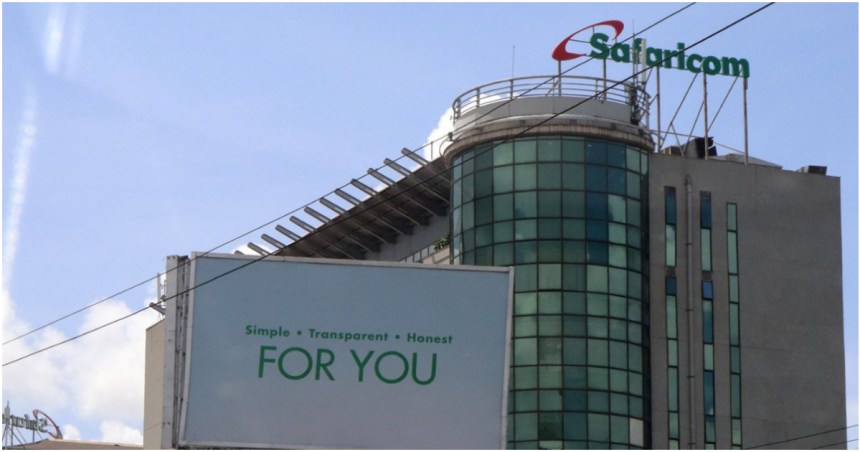
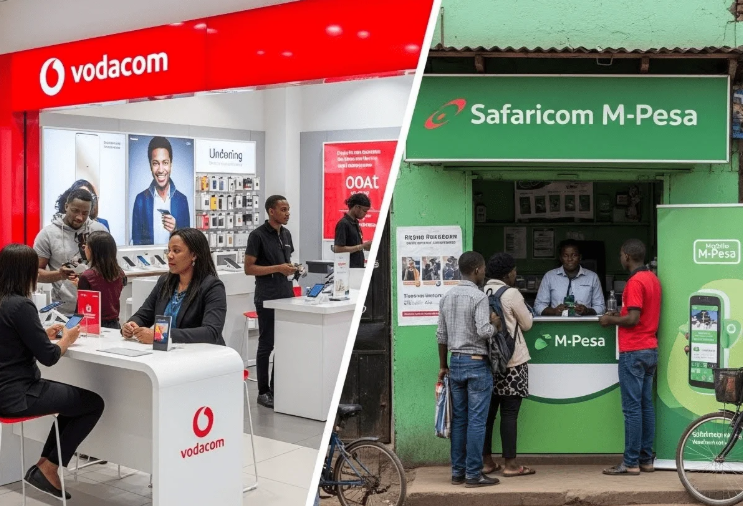
Safaricom MPESA shop

Safaricom has moved to clarify how the Social Health Authority (SHA) can deduct money from M-PESA accounts without prompting users to enter their PIN, following public concern over automatic deductions linked to the Lipa Mdogo Mdogo health insurance service.

The clarification came after an M-PESA user took to social media on Monday, January 12, 2026, questioning how funds were being withdrawn from his account without his direct authorization at the time of payment.

SHA fraud
SHA building

The user, identified on X as @UCollince, said the deductions began shortly after he enrolled in SHA’s Lipa Mdogo Mdogo contribution plan.

“Good morning @SafaricomPLC. Kindly explain how @_shakenya is able to deduct money from our M-PESA accounts without prompting us to enter our PIN. This started happening after we registered for the Lipa Mdogo Mdogo service. We need clarification on how this authorization works,” he wrote.

The post quickly gained traction online, with many Kenyans expressing unease over what they perceived as silent deductions from their mobile wallets, raising broader questions about consent, transparency, and data security.

Safaricom Responds

In response, Safaricom explained that the deductions occur when a customer has activated M-PESA Ratiba, the telco’s standing order feature, and has granted SHA permission to auto-deduct contributions.

“Hello Collince, apologies for that. If you have activated M-PESA Ratiba, which is a standing order service on M-PESA, and enabled SHA to auto-deduct, this can happen without prompting for the PIN,” Safaricom stated.

However, the user disputed Safaricom’s explanation, arguing that his mother never activated M-PESA Ratiba, yet her money was being deducted without her authorization.

Safaricom did not respond to that concern.

According to the telco, once a user authorises a standing order, future payments can be processed automatically without requiring repeated PIN confirmation.

What Is M-PESA Ratiba?

M-PESA Ratiba was introduced in October 2024 as a first-of-its-kind mobile money feature allowing users to set up recurring payments directly from their M-PESA wallets.

The service enables automatic transfers on a daily, weekly, monthly, or yearly basis, making it ideal for recurring obligations such as rent, school fees, insurance premiums, subscriptions, utility bills, and now health insurance contributions.

Safaricom says the feature is designed to simplify payments and improve consistency, with no penalties for failed or cancelled standing orders due to insufficient balance.

Public Concerns Persist

Despite the explanation, the incident has reignited debate over consumer awareness and digital consent, with some users arguing that many Kenyans may not fully understand the implications of activating auto-deduction services.

Consumer rights advocates are now calling for clearer communication, stronger opt-in notifications, and easier ways for users to monitor and cancel standing orders.

As SHA ramps up enrolment into its health financing programs and M-PESA continues to anchor Kenya’s digital payments ecosystem, the episode underscores the growing tension between convenience and control in mobile money transactions.

For now, Safaricom is urging users to review their M-PESA Ratiba settings and confirm which organisations have permission to auto-deduct funds from their wallets.

0 comment
0 FacebookTwitterPinterestLinkedinTumblrWhatsappTelegramEmail

As the holiday season winds down and schools reopen, this transitional period presents an opportune moment to reassess your financial strategies and adopt smarter, more secure ways to manage your money effectively.

By choosing to go “cash-light” and using digital channels like the Equity Mobile App, Equity Online, Equitel, or *247#, you gain powerful tools to protect your finances. Unlike cash, which is gone for good if lost, digital payments provide instant alerts, clear records, and the ability to freeze an account in seconds if you sense trouble.

Fraudsters, unfortunately, see this busy season as a prime opportunity. Here’s how to stay one step ahead.

The Modern Scammer’s Playbook: What to Watch For

Today’s scams are more than just suspicious links. Criminals now use AI to clone voices for urgent-sounding pleas, create fake delivery notifications for packages that don’t exist, and design tempting travel deals that lead to malicious sites. Their goal is always the same: to create a sense of panic that makes you act before you think.

A common trick is “quishing,” where fraudsters place a fake QR code sticker over a real one at a shop counter. You scan, pay, and only later realize the money went to a thief. These scams work by rushing you.

Your Digital Fortress: Simple Habits for Strong Security

A core defence is to always pause and verify. If you get an urgent request for money, even if it sounds like a loved one, call them back on the number you have saved. When you pay a merchant, take a moment to confirm that the name displayed on your screen matches the business you’re paying. This simple habit is one of your strongest shields.

Next, secure your connection. We all love free Wi-Fi, but public networks at cafes, malls, and airports are not safe for banking. Criminals on the same network can potentially “eavesdrop” on your activity and steal sensitive information. For any financial transaction, always switch to your own mobile data or use a trusted, password-protected network like your home or office Wi-Fi.

Your account’s security also depends on the device in your hand. Keep your phone and banking apps updated to get the latest security features, and always use a PIN or biometrics to lock both your device and the Equity Mobile App. For added safety, only download financial apps from official sources like the Google Play Store and Apple App Store, never from links sent to you.

Finally, think of your account access as a lock with two keys. Your password is the first, and the One-Time Password (OTP) sent to your phone is the second. Never share your OTP with anyone, for any reason. It is the final key that grants access.

Staying Safe in the Physical World: ATMs and Cards

Your vigilance is just as important offline. When using an ATM, your personal safety is paramount.

  • Enter Alone: Make it a rule to enter the ATM lobby by yourself. If someone is inside who makes you uncomfortable, wait for them to leave.
  • Decline “Help”: Politely refuse any assistance from strangers, even if they seem well-intentioned. Fraudsters often pose as helpful bystanders to learn your PIN or swap your card.
  • Stay Alert: Be aware of your surroundings inside the ATM. Shield the keypad with your hand as you enter your PIN. If you feel you are being watched or something seems suspicious, cancel your transaction, leave immediately, and alert the security guard on duty.

When paying with your card, prefer to tap or insert the chip rather than swiping. This technology provides better encryption and security.

Your Bank’s Role in Your Security

Financial institutions are increasingly taking proactive steps to help customers protect themselves. A key part of this is establishing clear and secure communication channels. For example, Equity Bank has designated a single official number for outbound calls – 0763 000 000, to help customers distinguish legitimate communication from scams. They also consistently remind the public that the bank will never ask for sensitive credentials like your PIN, password, CVV, or One-Time Password (OTP). Furthermore, customers can report suspicious numbers using the free-to-use SMS line (333) and help create a safer ecosystem for everyone.

Enjoy the confidence that comes with being prepared. A calm, deliberate approach to your transactions is the best gift you can give yourself this season.

0 comment
0 FacebookTwitterPinterestLinkedinTumblrWhatsappTelegramEmail
CS Rebecca Miano inspects the construction of Bomas International Convention Complex

Kenya is set to significantly strengthen its position as Africa’s leading destination for global conferences and exhibitions with the fast-approaching completion of the Bomas International Convention Complex (BICC), Cabinet Secretary for Tourism and Wildlife Rebecca Miano has said.

CS Miano noted that the flagship project will play a critical role in advancing Kenya’s Meetings, Incentives, Conferences, and Exhibitions (MICE) sector, positioning the country as a competitive and preferred hub for high-level international events. She described the BICC as a strategic investment that will elevate Kenya’s capacity to host large-scale global summits and exhibitions.

Once completed, the BICC will have a seating capacity of 11,000, making it one of the largest and most modern convention facilities on the African continent. The complex is designed to host international summits, regional conferences, trade exhibitions and cultural events, reinforcing Kenya’s ambition to reclaim its status as Africa’s top destination for global meetings.

Speaking on the project’s progress, CS Miano said the Bomas International Convention Complex goes beyond infrastructure development and represents a deliberate effort to strengthen the tourism value chain.

“The BICC will be a crown jewel of our MICE offering. It will position Kenya competitively on the global stage while opening up new opportunities for growth across tourism, hospitality, transport, trade and the creative industries,” she said.

She added that the complex will offer a unique experience by combining world-class conferencing facilities with Kenya’s rich cultural heritage. Delegates and visitors are expected to enjoy authentic cultural experiences while conducting business at the highest level.

Strategically located in Nairobi — the “Green City in the Sun” and Africa’s diplomatic capital — the BICC is expected to further enhance the city’s attractiveness to international organizations and global forums.

According to CS Miano, the economic impact of the project will be far-reaching. By attracting major international events, the BICC is expected to increase visitor arrivals, boost hotel occupancy rates and stimulate demand for transport and logistics services. The project will also create opportunities for local suppliers, small and medium-sized enterprises and creative industries, while generating thousands of direct and indirect jobs.

CS Miano attributed the progress of the Bomas project to the leadership of His Excellency President William Ruto and the collective support of government institutions and stakeholders. She emphasized that the project aligns with the government’s broader agenda of positioning tourism and business events as key pillars of national economic development.

As Kenya prepares to welcome the world, CS Miano said the Bomas International Convention Complex stands as a symbol of confidence, ambition, and readiness, reaffirming the country’s commitment to hosting global conversations and showcasing its cultural identity on a world-class platform.

0 comment
0 FacebookTwitterPinterestLinkedinTumblrWhatsappTelegramEmail
Safaricom CEO Peter Ndegwa

Nearly one in every four Safaricom customers believes the telecommunications giant is shortchanging them on data and text message charges, a damning regulatory survey has revealed, exposing a crisis of trust at Kenya’s dominant mobile operator just as mobile data becomes its biggest money spinner.

The explosive findings from the Communications Authority of Kenya paint a troubling picture of widespread consumer suspicion, with only 77 per cent of Safaricom’s massive customer base trusting their data bills and 77.7 per cent believing they are accurately charged for SMS services. This means a staggering 23 per cent of subscribers, millions of Kenyans, harbour deep doubts about whether they are getting what they pay for.

The timing could not be worse for Safaricom. The company just recorded a historic milestone in its half-year results to September 2025, with mobile data revenue surging 18 per cent to Sh44.4 billion, overtaking voice revenue for the first time in the telco’s history. Voice, once the backbone of telecommunications, managed only a paltry 0.5 per cent growth to Sh41.09 billion, highlighting how critical data has become to the company’s bottom line.

But as Safaricom celebrates this financial triumph, the regulatory survey commissioned by the Communications Authority and conducted by Strategic Synergy Consultants between July 2024 and June 2025 exposes an uncomfortable truth: customers do not trust how they are being billed for the very services now driving the company’s profits.

“Safaricom shows lower performance compared to other providers. While still a majority, these lower figures indicate that Safaricom customers are less confident in billing accuracy, particularly for data services,” the report states with clinical precision.

The contrast with competitors is stark and humiliating. Jamii Telecommunications, a relative minnow in the market, enjoys the highest trust ratings, with 98.4 percent of customers confident in their data billing and 88.6 percent trusting SMS charges. Airtel Kenya follows closely with 98.3 percent and 86.2 percent respectively. Even Telkom Kenya, long struggling for market relevance, outperforms Safaricom on billing credibility.

The mistrust extends beyond data and texts. Only 80.2 percent of Safaricom customers believe they are correctly charged for voice calls, the lowest rating among all operators. By comparison, a remarkable 97.6 percent of Airtel customers trust their call billing, followed by Jamii at 96.7 percent and Telkom at 94 percent.

The survey, which covered more than 4,200 respondents, lays bare a fundamental problem: transparency. A paltry 18 percent of Safaricom customers say they receive monthly billing information, compared with 44.1 percent of Airtel subscribers and 35 percent of Jamii customers. Without regular, detailed billing statements, customers are left guessing whether the charges deducted from their accounts match the services consumed.

This opacity becomes especially problematic in an era when data consumption is exploding. Increased online learning, remote working and entertainment streaming have made data services indispensable, transforming mobile internet from a luxury into a necessity. Kenyans are using more data than ever before, making billing accuracy not just a consumer rights issue but a question of economic justice.

The survey notes that billing disputes consistently rank among the most common complaints lodged by subscribers with the Communications Authority, according to quarterly regulatory reports. This suggests the problem is not merely perception but reflects real, ongoing frustrations with how charges are calculated and applied.

Safaricom’s dominance in the market makes the trust deficit even more significant. The company controls approximately 65 percent of Kenya’s mobile subscriptions as of September last year, dwarfing Airtel’s 30.7 percent market share. Telkom and Jamii each hold about one percent. With such overwhelming market power, Safaricom effectively holds millions of Kenyans captive, unable to easily switch to competitors even when dissatisfied.

The billing trust crisis comes on the heels of other controversies that have dented Safaricom’s reputation. In late 2025, the company faced fierce public backlash after quietly slashing data allocations on its popular ‘No Expiry’ bundles by more than half, effectively doubling internet costs overnight. Customers who had been getting 255 megabytes of non-expiring data for Sh51 suddenly found themselves receiving only 102 megabytes for the same price.

Safaricom initially blamed the cuts on a technical issue, an explanation many customers found unconvincing given the changes persisted for over a week before the company restored original allocations under intense pressure. The incident reinforced suspicions that the telco was testing how much it could squeeze from customers before provoking rebellion.

Industry analysts note that billing transparency is fundamental to maintaining consumer trust in any service sector, but especially in telecommunications where complex tariff structures, data throttling and variable network quality create information asymmetries that favor providers over customers. When the dominant player in the market performs worst on transparency metrics, it raises questions about whether market power has bred complacency.

The Communications Authority report pointedly observes that improved billing transparency and clarity are key to sustaining consumer trust across all providers. For Safaricom, this is not merely a regulatory box-ticking exercise but an existential challenge as the company transitions from voice to data as its primary revenue engine.

The company’s response to these findings will be closely watched. Will Safaricom dismiss the survey results as statistical noise, or will it acknowledge that nearly a quarter of its customers, millions of Kenyans, feel they cannot trust the bills they receive? The answer will determine whether this trust deficit deepens into a full-blown crisis of confidence that competitors could exploit.

Rivals have already been circling, banking on lower call tariffs and aggressive data promotions to chip away at Safaricom’s dominance. Airtel has repeatedly positioned itself as the more customer-friendly alternative, offering better value data bundles and, according to this survey, significantly higher billing credibility. The trust gap revealed by the regulatory study hands ammunition to these competitors.

For ordinary Kenyans, the survey findings validate what many have long suspected: that the charges appearing on their mobile accounts do not always add up, that data bundles seem to deplete faster than usage would suggest, and that the dominant telco’s billing practices merit serious scrutiny.

As mobile data cements its position as Safaricom’s biggest revenue line, the company faces a moment of reckoning. Trust, once lost, is notoriously difficult to rebuild. With nearly a quarter of customers already doubting billing accuracy, Safaricom must act decisively to restore confidence or risk watching its hard-won market dominance slowly erode under the weight of consumer suspicion.

The Communications Authority has thrown down the gauntlet. The question now is whether Safaricom has the will to pick it up.

0 comment
0 FacebookTwitterPinterestLinkedinTumblrWhatsappTelegramEmail
Parent flanked by school going children transacting at a local bank agent.

Few things test the resilience of a household budget like the back-to-school season. The period comes with many financial demands, including school fees, uniforms, books, and daily supplies.

Getting ready for school has never been simpler. Equity Bank is placing its bank agents at the centre of the solution, helping parents pay, shop, and manage finances with ease.

By offering quick solutions for fee payments and mobile money transactions, the over 42,000 accredited Equity Bank agents, located in retail outlets, corporate offices, malls, postal outlets, and other convenient locations across the country, are turning a logistical headache into a smooth, stress-free process.

Instead of battling long queues at schools or struggling with last-minute payments, you can now rely on agents for a faster and more convenient way to handle these tasks and to lipa bills bila presha.

Pay Fees Through Equity Agents

Customers can conveniently pay school fees through banking agents and will be issued a receipt, which can be submitted to the school as confirmation of payment.

For customers who prefer assisted service, Equity Agents help guide the payment process using Equity’s approved channels, including:

  • *247#
  • Equity Mobile App
  • Equitel

By providing assisted access to these platforms, agents ensure school fees payments are completed accurately and on time, helping customers avoid delays during the busy back-to-school period.

Manage Cash and Deposits Near You

Equity Agents provide customers with convenient access to cash withdrawals and deposits within their neighbourhoods, making it easier to manage day-to-day back-to-school expenses. Parents and guardians can withdraw money for uniforms, books, and other school supplies, or deposit funds in preparation for school fees payments.

By transacting with an Equity Agent nearby, customers avoid long travel distances and queues at banking halls, allowing them to save time and handle school-related financial needs quickly and efficiently during the busy back-to-school period.

Complete Payments Even When Funds Are Low

Back-to-school expenses can be demanding. Customers who need flexibility can access financial solutions through Equity’s digital channels. Equity Agents help customers understand these options and help them complete transactions smoothly.

Bank agents can guide customers on how to:

  • Apply for loans of up to KSh 3 million via *247#, Equity Mobile App or Equitel
  • Complete transactions using Boostika prompts when paying through *247#, Equity Mobile App or Equitel

Don’t share your PIN with anyone, including the agent!

Enjoy Fast Service closer to home, even beyond working hours

Equity Agents are located within communities, making banking services more accessible during the busy back-to-school season.

Whether you are paying school fees, depositing money or withdrawing cash, agents provide a simple and reliable way to manage your finances close to home.

Visit an Equity Agent near you and enjoy Back to School Bila Pressure. Remember, your PIN is your secret, don’t share with anyone.

For assistance, contact Equity on 0763 000 000.

0 comment
0 FacebookTwitterPinterestLinkedinTumblrWhatsappTelegramEmail

The holidays are over, and now it is time to face the back-to-school hustle! As parents and guardians, we know the drill: shopping for school fees, uniforms, books, and supplies while trying to stay within budget.

Imagine this: John, a parent, is at the bookstore with his arms full of textbooks. The cashier is waiting, and John suddenly realizes he did not withdraw enough cash. The line behind him grows, and he is scrambling for a solution.

Just like John, you may find yourself at the school bursar’s office, ready to pay fees, only to find the queue stretching out the door. And your son or daughter also needs a reliable way to manage pocket money for transport and lunch.

The back-to-school season can feel overwhelming, but it does not have to be. With Equity, you can lipa bila presha and make the start of the school year stress-free. Whether you’re paying fees, shopping for supplies, managing student expenses, or even seeking financial support, Equity has you covered.

Pay Fees Bila Pressure

Paying school fees does not need to be so exhausting. With Equity, skip the long queues and pay school fees directly using the school’s Till Number. Here is how it works:

  • Ask for the school’s Equity till Number.
  • Enter it on your mobile phone via Equity platforms like the Mobile App, *247#, or Equity Online.
  • Confirm the amount, and you’re done!

It’s fast, reliable, and ensures your child’s fees are paid on time, giving you peace of mind. No more standing in line or worrying about missing deadlines.

Swipe, Tap, Go

Whether you’re shopping for uniforms, paying for transport, or buying textbooks, your Equity debit or credit card is your best friend this season. From local stores to online platforms, your card ensures you can make payments effortlessly and securely.

Pocket Money Simplified

Remember the last time your child came home saying, “I lost my lunch money”? Or the time they needed fare urgently, and you had to scramble to send it? You can now empower your child to manage their school expenses independently with an Equity Prepaid Card.

No more kuomba fare or worrying about lost pocket money, this card has got them covered! Prepaid cards are easy to load and don’t require a linked bank account, making them perfect for students.

You can monitor transactions to ensure funds are used responsibly, while students can swipe, tap, or insert their card for payments, reducing the need to carry cash.

Send Money Free

Equitel is your ultimate back-to-school companion, offering convenience and affordability for all your payments. Whether you’re sending money to the school, paying for transport, or helping a family member shop for supplies, Equitel makes it easy.

  • Free Equitel-to-Equitel Transactions (Equity to Equity only): Send money to family members or friends at no cost when transferring between Equity accounts on Equitel. For example, a parent can send money to an older sibling to shop for a younger student’s school supplies—without incurring any transaction fees.
  • Zero Charges on Equity Till Payments: Enjoy free payments when transacting from an Equity account to an Equity Till Number at any merchant or school.
  • Wide Accessibility: Access Equity’s services from anywhere, whether you’re in the city or upcountry.

Loans Made Easy

If the back-to-school season is stretching your budget, Equity offers loans to help you manage expenses. These loans are designed to provide quick and affordable financial support, ensuring your child’s education is never interrupted.

  • Salary Advance Loans: If you’re a salaried employee, you can access a salary advance loan to pay for school fees or other back-to-school expenses.

Secure Banking Tips

While you’re ticking off those back-to-school to-do lists, it’s just as important to ensure your transactions are safe and secure. Here are some tips to protect your finances:

  • Never share your PIN with anyone, even family members.
  • Avoid making mobile or online payments over public Wi-Fi to prevent unauthorized access.
  • Regularly check your account activity via the Equity Mobile App or Equity Online to spot any suspicious activity.
  • Set up SMS or email alerts to stay updated on all your transactions.

So go ahead, tick off that shopping list, pay those fees, and get ready for a successful term. Ready to make back-to-school stress-free? With Equity, you can truly lipa bills or school fees bila presha and start the year right.

Call Equity via 0763 000 000 for help or inquiries.

0 comment
0 FacebookTwitterPinterestLinkedinTumblrWhatsappTelegramEmail

The back-to-school season is here, and for merchants, it’s like the December rush all over again! Parents are flocking to markets l searching for uniforms, books, and school supplies. It’s a time when your shop or stall can become the go-to place for families preparing for the new term.

But let’s face it,competition is stiff. Customers want to lipa bila presha  by enjoying convenience, speed, and flexible payment options. Without the right tools to accept payments seamlessly, you risk losing sales to competitors who offer easier ways to pay.

Imagine a parent walking into your shop at the peak of the rush, ready to buy, but they don’t have enough cash. Without the right payment solutions, you could lose that sale to the shop next door.

Equity understands the hustle of running a business during this busy season and provides innovative solutions to help you attract more customers, simplify payments, and grow your sales. Whether you’re selling uniforms, books, or stationery, Equity is here to make this back-to-school season your most successful yet.

Accept Payments Seamlessly with One Equity Till Number — The Merchant Payment Solution That Works Across All Channels.

Today’s customers expect flexibility when it comes to payments, and Equity Till Numbers make it easy for you to accept payments from Equity Platforms and mobile wallets like MPESA or Airtel Money. Payments made by Equity customers from their Equity accounts via Pay With Equity are free of charge.

With Equity Till, you can:

  • Receive instant payments directly into your account in real time.
  • Avoid extra charges for customers, making your shop their preferred choice.
  • Serve customers conveniently, whether they’re in the city or upcountry.

By reducing cash handling risks and offering a seamless payment experience, you can serve more customers and grow your business.

Offer Card Payments for Added Flexibility.

Not every customer carries cash or uses mobile money. By accepting card payments, you open your business to even more customers. With Equity’s debit and credit card solutions, you can:

  • Accept swipe, tap, or insert payments with ease.
  • Serve customers who prefer using cards for security and convenience.
  • Boost sales, as more customers are opt to use cards compared to cash during the back- to-school season.

Offering multiple payment options ensures that no customer leaves your shop without making a purchase.

Manage Your Business Finances with Ease

The back-to-school rush can make cash flow management challenging, but Equity provides tools to help you stay on top of your finances:

  • Instant access to funds, with payments made via One Equity Till Numbers or QR codes deposited directly into your account.
  • Real-time tracking of transactions using the Equity Mobile App or Online Banking.
  • Simplified accounting, as digital payments make it easier to keep accurate records for your business.

With these tools, you can focus on serving your customers while keeping your finances organized.

Get Financial Support to Stock Up

The back-to-school season is a golden opportunity, but you need enough stock to meet customer demand. Equity offers flexible financing options to help you prepare:

  • Business loans to purchase more stock and take advantage of the season’s high demand.
  • Overdraft facilities to cover short-term expenses like inventory or staff salaries.
  • Affordable repayment terms designed to fit your business needs, with competitive interest rates and flexible schedules.

With Equity’s support, you can ensure your shelves are always stocked and ready for the rush.

Keep Your Business Secure

With the increase in transactions during the back-to-school season, it’s important to protect your business from fraud and theft. Equity Bank provides secure payment solutions and tips to keep your business safe:

  • Verify transactions by confirming payments via the Equity Mobile App or Equity Online
  • Avoid sharing your PIN to prevent unauthorized access.
  • Use digital payments to reduce the risks associated with handling large amounts of cash.

Equity ensures your transactions are safe and secure, giving you peace of mind as you focus on serving your customers.

With solutions like Till Numbers, QR Code payments, and flexible financing, Equity helps you serve more customers, grow your sales, and simplify your operations, enabling customers to lipa their bills bila presha.

Ready to take your business to the next level? Call Equity via 0763 000 000 for help or inquiries.

0 comment
0 FacebookTwitterPinterestLinkedinTumblrWhatsappTelegramEmail
Kenyan money

A storm is brewing at SIC Investment Co-operative as its chief executive officer, Churchill Winstones, has abandoned ship, leaving behind thousands of anxious depositors struggling to recover their hard-earned savings from the troubled society.

Winstones’ dramatic exit late last week comes as the once-popular Sacco, which counts current and former Safaricom employees among its 5,300 members, battles a crippling cash crunch that has left investors who sunk millions into its Pepea Fixed Deposit product stranded.

The departure marks yet another shake-up at the beleaguered institution, which in June witnessed the entire board being shown the door and replaced with interim directors who were only confirmed three months later. Winstones becomes the second CEO to flee the cooperative in less than four years, following Sarah Wahogo who served from March 2022 until early last year.

Multiple investors who each deposited at least Sh4 million into the Pepea Fixed Deposit account have told this writer that SIC has been playing a dangerous game of delay tactics, repeatedly postponing payments and citing liquidity problems as their investments reach maturity.

The scale of the crisis is laid bare in the cooperative’s annual report for 2024, which reveals a shocking Sh380 million bank run on the Pepea product as panicked customers rushed to pull out their money earlier than expected. The unexpected mass withdrawal has created a domino effect, leaving those who dutifully held their investments to maturity unable to access their funds.

Acting CEO Jared Odhiambo, who previously served as head of finance, has admitted the society is drowning in liquidity challenges but insists they have a plan to settle all investors by March next year. He claims the cooperative is gradually paying off depositors and is now restructuring the product to tie it to specific projects.

However, such assurances ring hollow for investors who were promised their principal and accrued interest within 10 days of maturity. Some have already written to the Commissioner for Co-operatives Development, David Obonyo, desperate letters seen by this publication that paint a picture of growing desperation.

The Pepea Fixed Deposit, which SIC marketed as an exclusive product offering lucrative returns of up to 12 percent annually, attracted depositors with promises of competitive rates second to none in the market. Investors who locked in amounts exceeding Sh3 million for 12 months were promised returns of 12 percent, significantly higher than what most banks offer.

The minimum investment of Sh50,000 could be locked in for six to 12 months, with returns ranging from 10 percent to 12 percent depending on the amount deposited and tenure selected. The product came with a harsh penalty clause, investors who withdrew before maturity forfeited all accrued interest, a trap that has now left many feeling cornered.

Adding to the mess, SIC was forced to restate its books for the year ended December 2023 to correct several misstatements, slashing retained earnings by Sh26.15 million. The accounting irregularities raise troubling questions about the financial management and oversight at the cooperative.

Interest payments on the Pepea product climbed to Sh48.95 million in 2024 from Sh40.35 million the previous year, indicating the product’s growing popularity just before the crisis hit. What triggered the sudden rush by many customers to withdraw their funds early remains unclear, but the consequences have been devastating for those who played by the rules.

The Commissioner for Co-operatives claims he was unaware of the liquidity crisis despite letters from distressed investors landing on his desk. Obonyo has now promised to intervene, but for many depositors watching their savings disappear into a black hole, such promises offer little comfort.

SIC Investment Co-operative, which started operations in 2009, built its reputation partly on its association with telecommunications giant Safaricom, attracting employees and former staff who trusted the society with their retirement savings and investment funds. The principal activities include real estate investment, marketable securities and private equity.

0 comment
0 FacebookTwitterPinterestLinkedinTumblrWhatsappTelegramEmail
Spiro Kenya motorbikes
  • Riders pay roughly KES 95,000 for a Spiro Kenya motorbike, but without a Spiro battery, non-purchasable, non-chargeable at home, and usable only through Spiro’s swap stations, the bike is effectively a metal shell.
  • Spiro Kenya has since released an official statement attempting to contain the backlash.
  • Spiro Kenya also acknowledged rider frustration, admitting the system may feel “rigid or frustrating” during illness, accidents, or emergencies, and said it is reviewing how exceptions are handled.

When Electric Motorcycle startup Spiro expanded into Kenya, Spiro Kenya’s electric motorbikes were sold as salvation for boda boda riders battered by runaway fuel prices and shrinking profits. Clean energy. Lower costs. A smarter future.

By mid-December 2025, that dream had collapsed into one of Kenya’s fiercest tech-and-labour revolts yet, with riders accusing the company of exploitation, coercive control, and what many now openly call “digital slavery.”

President William Ruto riding a Spiro motorbike when the startup launched in Kenya.

What began as one rider’s complaint exploded into a national reckoning over ownership, power, and who truly benefits from Kenya’s electric mobility push.

The post that lit the match

The firestorm began with viral posts from @IAMRAPCHA (Rapcha The Sayantist), a Spiro rider who shared screenshots, videos, and voice notes alleging that Spiro:

  • Remotely disabled electric bikes
  • Flagged batteries as “stolen” after five days of inactivity
  • Grounded bikes even when inactivity was due to illness, breakdowns, or repairs
Spiro electric motorbikes

In raw, emotional posts that spread rapidly across X, Rapcha warned fellow riders:

“SPIRO ARE CRIMINALS!!! Avoid or lose your money!!! I’m a victim!!!”

Some posts clocked thousands of likes and hundreds of reposts within hours. Soon, other riders began sharing similar experiences or drawing chilling analogies.

One comparison stuck:

“This is like Safaricom disabling your SIM card because you didn’t make calls for five days.”

The Spiro repossession letter that changed everything

At the center of the outrage is a battery repossession notice issued by Africa Smart Mobility Solutions Limited, Spiro’s legal entity.

A spiro motorcycle
A spiro motorcycle

The letter states that a rider’s assigned EV battery had been identified as “dormant for a period exceeding five (5) consecutive days.” Under Spiro’s asset management policy, dormant batteries are subject to repossession.

Spiro lists several reasons:

  • Ownership: The battery remains Spiro property
  • Maintenance: Idle batteries risk degradation
  • Availability: Dormant batteries limit access for active riders
  • Business continuity: Batteries are income-generating assets

The notice reassures riders they remain “entitled to one active battery” through the standard swap system—once they resume operations.

To riders, that reassurance rang hollow.

A battery labelled “dormant” during hospitalisation, bereavement, mechanical repairs, or bad weather was treated the same as abandonment. No nuance. No human context.

Spiro responds and misses the moment

On December 15, Spiro Kenya released an official statement attempting to contain the backlash.

The company said:

  • The notice relates to battery inactivity, not theft
  • Batteries are Spiro-owned by design
  • The model keeps bike prices low—about KES 95,000 compared to higher costs if batteries were included
  • Battery swapping, not home charging, is a safety decision

Spiro also acknowledged rider frustration, admitting the system may feel “rigid or frustrating” during illness, accidents, or emergencies, and said it is reviewing how exceptions are handled.

It denied claims of bike confiscation and urged affected riders to contact the company for reactivation.

The response was widely seen and widely rejected.

Because it didn’t answer the question riders were asking:

If riders own the bike, why does removing a Spiro-owned battery disable the entire machine?

“A car without a fuel tank”

Riders pay roughly KES 95,000 for a Spiro bike. But without a Spiro battery—non-purchasable, non-chargeable at home, and usable only through Spiro’s swap stations—the bike is effectively a metal shell.

One viral post captured the frustration perfectly:

“It’s like buying a car without a fuel tank, then being told you can only refuel at one company’s stations—and they can shut you down remotely.”

In a widely shared thread, @omondike_ described the system as “modern-day bondage,” arguing that riders are trapped in a closed ecosystem where one company controls pricing, movement, repairs, and uptime.

That thread alone has racked up nearly 130,000 views, over 1,500 likes, and 700 reposts, pushing the debate beyond tech circles into mainstream Kenyan discourse.

Monopoly fears and spare-parts pain

Battery control is only part of the anger.

Spiro confirms that spare parts are distributed through vetted garages to ensure safety. Riders, however, describe a de facto monopoly.

Common complaints include:

  • Spare parts priced far above ICE equivalents
  • No freedom to repair bikes independently
  • Disabled bikes requiring towing over long distances
  • Long waits for approvals and replacements

For boda boda riders operating on razor-thin margins, these constraints don’t feel like innovation. They feel like dependency.

A backlash years in the making

This revolt didn’t appear overnight.

In November 2023, riders in Mombasa told Citizen TV that Spiro bikes suffered from slow battery swaps, frequent breakdowns, limited stations, and poor customer support. Some said the bikes struggled on steep terrain and long routes, leaving them parked more than ridden.

Trust further eroded in July 2024, when whistleblower Nelson Amenya alleged Spiro benefited from a controversial tax arrangement involving government officials, claims the company has not publicly addressed in detail. Those allegations resurfaced as the current backlash intensified.

Innovation vs human reality

To be fair, Spiro’s model isn’t unique. Battery-as-a-service is used globally to lower upfront costs and manage degradation. For many riders, it made electric bikes accessible.

But Kenya’s boda boda economy runs on informality, flexibility, and unpredictability—illness, funerals, rain, breakdowns, and bad weeks are part of life.

Systems designed to optimise assets don’t translate cleanly into livelihoods.

When technology starts disciplining people instead of serving them, backlash is inevitable.

What happens next?

As of December 20, public sentiment remains overwhelmingly negative. Despite PR efforts and influencer campaigns defending the model, calls for regulatory scrutiny, lawsuits, and boycotts continue.

Some riders still defend Spiro, arguing that no other electric bike comes close to its price point. But their voices are increasingly drowned out.

Spiro says it is reviewing how exceptional cases are handled. Whether that review produces meaningful policy change—or simply buys time—remains unclear.

One thing is now undeniable:

Kenya’s EV future cannot be built on innovation alone.
Trust, transparency, and dignity for riders are not optional features.

Electric mobility was supposed to offer more freedom than petrol bikes—not less.

Right now, to many riders, Spiro looks less like a green-energy saviour and more like a digitally enforced loan shark.

0 comment
0 FacebookTwitterPinterestLinkedinTumblrWhatsappTelegramEmail

The festive season is here! Streets sparkle with twinkling lights, the sweet sound of carols fills the air, and shopping malls hum with the excitement of families preparing for Christmas magic. Like everyone else, you’re thrilled to find the perfect gifts, plan the family feast, and maybe even take a well-deserved holiday.

But let’s be honest, Christmas season can weigh you down. Picture this: You’re at the supermarket, your trolley overflowing with Christmas goodies. As you reach the checkout, you realize you forgot to withdraw cash or left your debit card at home, or your phone is out of charge! The guys at the queue are getting impatient, and panic sets in.

At the family dinner, your cousin reminds you that you still owe them a Santa gift. A few minutes later, your aunt in the UK wants to send money home to buy a goat for Krisi (Christmas)-how do they ensure it gets to you quickly and safely?

The festive season is like a Christmas tree-bright and magical, but amid the joy and celebrations, the tinsel of financial chaos can tangle you up! But don’t worry, you can Lipa Bila Presha this Christmas with Equity Bank. Whether you’re shopping, sending money, or settling bills, Equity has a wide range of solutions tailored just for you.

Pay Stress-Free

Forget the hassle of cash while shopping at your favourite mall or buying Christmas goodies at City Market. Simply ask for the Equity Till Number at checkout, key it on your mobile phone, confirm the amount, and voila payment done! You can access the Till via mobile money wallets like MPESA, Airtel, and Equitel, or Equity platforms like the Mobile App, *247#, or Equity Online. It’s fast, convenient, secure, and keeps you moving during the holiday rush.

Scan, Pay, Done!

Out for dinner at a city restaurant or grabbing last-minute Christmas decorations at Eastleigh? Equity’s QR Code payments make it even easier. Just scan the QR code displayed at the counter using the Equity Mobile App, and your payment is processed instantly. It’s fast, secure, and perfect for those on the go. Customers with Visa, Mastercard, and UnionPay Apps can also scan the Till’s QR code to make payments. Lipa Bila Presha na Equitel

Equitel is your ultimate companion for convenience and affordability this festive season. Whether you’re buying lunch, shopping for gifts, or sending money to loved ones, Equitel ensures you can handle it all stress-free.

  • Free Equitel-to-Equitel Transactions: Send money to family and friends without worrying about transaction fees.
  • Zero Charges on Equity Till Payments: Pay at any merchant using the Equity Till Number without incurring additional charges.
  • Wide Accessibility: Access Equity’s services from anywhere, whether you’re in the city or upcountry.

Sending Money from Abroad? No Problem!

For your aunt in the UK, Equity’s international money transfer services make it easy to send funds directly to an account or an Equity agent near you. With options like MoneyGram, Western Union, and Swift Transfer, you can count on quick, reliable transactions with reduced fees. Whether it’s for gifts, school fees, or holiday shopping, Equity ensures your loved ones are sorted.

Swipe, Tap, Go

Whether you’re shopping locally or jetting off internationally, your Equity debit or credit card is like Santa’s little helper this season—always ready to swipe, tap, or insert! From booking those dream holiday flights to purchasing the perfect gifts online, your card makes payments so effortless and secure, it feels like Christmas magic.

Convenience, Security, Flexibility

Equity is not just about making payments—it’s about making your life easier:

  • Convenience: Multiple payment options, whether you’re shopping in-store, online, or at an agent.
  • Security: Safe and reliable transactions, allowing you to focus on the festivities.
  • Flexibility: Choose from tills, QR codes, cards, or Equitel for seamless payments.

This Christmas, let Equity take the pressure off your payments so you can focus on what truly matters—family, friends, and festive joy. Whether you’re shopping for gifts, sending money to family, or treating yourself to something special, you can do it all without worrying about cash or long queues.

So go ahead—fill that trolley, book that holiday, and enjoy the magic of the season. With Equity, you can truly Lipa Bila Presha. Call 0763 000 000 for help or inquiries. 

0 comment
0 FacebookTwitterPinterestLinkedinTumblrWhatsappTelegramEmail

Kenya’s travel industry is experiencing a new wave of regional movement, driven by increased tourism flows, conference travel, and stronger air connectivity across East Africa.

This momentum shaped discussions at the 2025 Kenya Travel Industry Business Awards (KeTIBA), where industry leaders examined how digital systems and financial tools can support the rising traffic.

Daily flights between Nairobi, Entebbe, Kigali, Arusha, Mombasa, and Zanzibar continue to grow, strengthening East Africa’s tourism corridor.

Travel agents say this mobility is creating more bookings, faster turnaround times, and higher expectations from travellers seeking quick and seamless transactions.

From (left to right): Jonathan Curtis – Vice president, American Express,  Collins Wanyonyi – Director SME Banking, Equity Bank,  Barbara Macejovska – Marketing, American Express, and Misheck Gathiti, Head of Merchant Acquiring, Equity Bank, during the KeTIBA Gala Dinner.

Behind this growth is the pressure on agencies to process bookings and settle payments with airlines within tight windows.

Most agencies operate in a credit-based environment, clients book first, pay later, while airlines require settlement within days.

This mismatch has made payment reliability a central industry concern.

Equity Bank’s Director of SME Banking, Collins Wanyonyi, observed that the sector has reached a critical point where digital efficiency is no longer optional.

“Travel agencies work under strict timelines where delays can mean lost seats or penalties,” he said.

“The entire ecosystem depends on payment systems that can move money instantly and accurately. Our work is to ensure the systems behind those transactions are reliable so businesses can serve travellers without delays.”

American Express Vice President Jonathan Curtis noted that high-value travellers, both local and international, continue to contribute significantly to tourism revenue.

“Premium travellers spend more and expect frictionless transactions,” he said.

“When payments move smoothly, it strengthens confidence in East Africa as a competitive travel destination.”

Kenya Association of Travel Agents (KATA) CEO Nicanor Sabula said the sector is still heavily credit dependent.

“Agencies must often fund airline payments before receiving money from customers, a challenge that intensifies during holidays and school break,” he said.

He added that traditional credit limits have constrained agencies during peak periods, forcing many to pause bookings or negotiate for alternative arrangements.

Beyond celebrating excellence, KeTIBA awards help push the industry toward better service, digital transformation, and stronger compliance.

Stakeholders noted that a more technologically equipped travel sector is essential for Kenya to remain competitive amid rising regional tourism.

0 comment
0 FacebookTwitterPinterestLinkedinTumblrWhatsappTelegramEmail

Novo Nordisk Haemophilia Foundation (NNHF) has
expanded its focus from haemophilia to formally include haemoglobinopathies, specifically sickle cell
disease and thalassemia, prompting a name change to the Novo Nordisk Haemophilia and Hemoglobinopathies Foundation (NNHF) to recognise clinical synergies and shared systemic barriers.

This evolution marks an enhanced commitment in Africa, which is the leading beneficiary of the
Foundation with programmes in at least 28 countries. The continent remains a hub for collaboration,
empowering African countries to achieve self-sufficiency by building resilient, locally anchored
systems that lead their own progress. Over the last 20 years, NHHF has supported programmes on
haemophilia in low and middle-income countries worldwide.

The World Health Organisation estimates that each year, between 300,000 and 400,000 children are
born with sickle cell disease in Africa, representing approximately two-thirds of the global burden. In
recent years, there has been growing momentum and focused action to combat sickle cell disease
globally, with Africa at the forefront of many new initiatives.

In her opening remarks, Natasha Honan, Senior Advocacy & Communications Manager, NNHF, noted
that the organisation is aiming to improve care for over 10 million affected individuals, primarily in
low- and middle-income countries.

She also said that NNHF will focus on Africa, promoting self-sufficiency and integrated care. With a new funding partnership from the Novo Nordisk Foundation, and continued funding from Novo Nordisk, she announced plans to scale up their reach, aiming to reach 100,000 beneficiaries by 2030. She went on to outline that the strategy includes data-driven advocacy, strengthening diagnostics, training healthcare workers, and aligning policies, with the goal
of ensuring sustainable, locally led care.

Emma Muraguri from the Novo Nordisk Foundation (NNF), highlighted that NNF supports medical
research, hospital activities, and international initiatives in diabetes and other health areas. With a
history dating back to insulin production, NNF has expanded to encompass cardiometabolic
diseases, food and agricultural systems, and antimicrobial resistance technology.

She highlighted recent achievements, including high-impact projects in East Africa and India, the establishment of centres of excellence, and new diagnoses. She said that NNF emphasises scalability, partner codification, and data-driven advocacy for systemic change.

Dr Yvette Kisaka, Representative, Ministry of Health, Kenya, emphasised the Ministry of Health’s
commitment to providing high-quality care, developing updated guidelines for sickle cell and
haemophilia, and piloting an infant screening program in five counties.

She emphasised the importance of aligning interventions with their vision and highlighted ongoing efforts to increase access to essential medications, such as hydroxyurea, and to improve health workforce training. She also emphasised the importance of collaboration and sustainability in healthcare programs.

Dr Adelard Kakunze, Technical Officer, CDC, noted that Africa CDC’s continental plan aims to provide
early diagnosis, quality care, and equitable access through eight strategic pillars: governance,
prevention, integrated health systems, equitable access, human resource capacity, psychosocial
support, health financial systems, and data surveillance. He stated that the plan aims to achieve 70% newborn screening by 2035, train a skilled workforce, and enhance data systems.

Dr Adiele Oyenze, Officer-In-Charge, World Health Organisation (WHO) – Kenya, highlighted the shift
in focus towards hemoglobinopathies, particularly sickle cell disease and haemophilia, in Africa,
referring to the WHO data, which estimates that 300,000 to 400,000 children are born with sickle cell
disease annually in Africa, with many dying before age five despite effective, low-cost interventions.
He also said that haemophilia is underdiagnosed, with only 9% of cases identified.

He insisted that collaboration among countries, improved diagnostic capacity, and access to essential medicines are crucial for sustainable progress.

Also present in the event were key stakeholders from English- Portuguese- and French-speaking
Africa, including government officials, healthcare professionals, representatives from relevant patient
organisations, and caregivers, to initiate the collaborative journey towards improved care and
outcomes for people living with haemophilia and sickle cell disease across Africa As the NNHF expands its vision to include haemoglobinopathies, specifically sickle cell disease (SCD) and thalassaemia, the continent’s pivotal role in addressing these conditions cannot be overstated.

Despite Africa’s significant burden of disease, diagnosis rates for haemophilia remain low, leaving
many without access to essential care.

This expanded vision perfectly aligns with NNHF’s strategy, which aims to achieve self-sufficiency for
haemophilia care in at least fifteen countries (the majority of which are from the African continent)
and to explore an integrated approach to managing haemophilia and sickle cell disease in most, if
not all, of the countries most highly burdened by SCD.

0 comment
0 FacebookTwitterPinterestLinkedinTumblrWhatsappTelegramEmail
  • Smart tourism advancement ensures a seamless, convenient experience by allowing hotel guests to bypass front desk check-in after a one-time ID and biometric upload
  • Securely held data will remain valid until expiration of ID, meaning faster check-in on subsequent visits, further enhancing the visitor experience for repeat guests

Dubai has announced the citywide introduction of a one-time contactless hotel guest check-in solution, setting a new global benchmark for guest convenience, safety, and innovation in the hospitality sector, and giving guests the option of bypassing in-person check-in procedures once implemented at the city’s hotels and holiday homes.

The pioneering biometric and digital technology capability, developed by Visit Dubai and available through several independent providers, is now available for immediate integration at hotels and holiday homes across Dubai, empowering guests to enjoy a seamless and expedited arrival experience.

Its introduction underscores Dubai’s commitment to leveraging advanced technology to further enhance its position as a future-forward global tourism destination, prioritising both guest satisfaction and operational excellence.

The innovative system allows guests to complete all check-in formalities prior to their arrival, directly from their mobile phones. By uploading essential identification documentation and biometric data once, the entire process is streamlined, significantly reducing or eliminating traditional check-in times.

Upon arrival, guests can bypass the usual check-in desk formalities at the start of every stay at participating hotels. The securely held data then remains valid until the identification document expires, meaning only a quick authentication, such as through facial recognition, would be required on subsequent visits.

Repeat visitors make up almost a quarter of total annual visitation to Dubai, and this new service welcomes them to the city with added convenience, consolidating their affinity for the destination.

Issam Kazim, CEO of the Dubai Corporation for Tourism and Commerce Marketing (Visit Dubai), part of the Dubai Department of Economy and Tourism, said: “The rollout of this guest-centric innovation will minimise friction from the moment travellers land, providing them a seamless, efficient start to their stay and maximising their time to enjoy our destination. It further enables efficient return visits for our loyal repeat guests, and allows Dubai’s hotels and holiday homes to focus on delivering more meaningful, high value guest interactions. This technology offers immense potential for hotels to further elevate their services, and we invite more owners and operators to integrate the capability into their systems, to optimise the guest experience.”

The solution is designed for easy integration into existing hotel apps or web platforms, ensuring a smooth transition for participating establishments. Beyond its immediate benefits, the technology holds significant potential to be leveraged across other tourism touchpoints, such as car rentals, paving the way for a more integrated and customised visitor experience throughout the city. It also builds on the incorporation of smart technology across the destination, including the introduction of smart tunnels at Dubai International Airport, which have reduced processing times at passport control to just seconds.

Dubai’s hospitality sector has been one of the cornerstones of its growth as a global destination, with world-class facilities and service available at 820 hotels and hotel apartments across the city. Complementing Dubai’s wider offerings, it has helped the city reach new heights, welcoming 15.70 million international overnight visitors in the first ten months of 2025, up 5% year-on-year, with guests spending a total of 36.71 million room nights at hotels across the emirate.

0 comment
0 FacebookTwitterPinterestLinkedinTumblrWhatsappTelegramEmail

The excitement around the ‘Choromoka’consumer promotion continued to rise this past weekend as Chrome celebrated its fifth millionaire, this time from the Eastern region. A lively winner’s party was held in Embu in honour of Morris Kimathi, who became Chrome’s newest millionaire after winning KES 1 million in the ongoing national campaign.

Morris wasn’t the only one celebrating. The event also recognized two additional regional prize winners: Gilbert Mbogo, who proudly walked away with a brand-new laptop, and Kevin Ngige, who secured a Bluetooth speaker, just a taste of the many rewards up for grabs in the campaign.

The event drew in friends, family, community members, and loyal Chrome consumers who came together to celebrate, dance, and witness life-changing moments firsthand. This third winners’ celebration further cements the campaign’s growing momentum across the country.

Speaking on the success of the ongoing promotion, Zipporah Ndung’u, Senior BrandManager – Chrome, shared: “This campaign has been incredibly energizing to witness, especially as we mark 10 years of Chrome a decade of being part of our consumers’ everyday moments. Seeing Morris, Gilbert, and Kevin celebrated by their community reminds us why we launched the ‘Choromoka’ promotion in the first place: to give back, celebrate, and create unforgettable experiences. The thousands of entries we continue to receive show just how excited consumers are. We encourage everyone to keep participating because there are still many more prizes to be won.”

The ‘Choromoka’ campaign has already delivered multiple millionaires and rewarded countless Kenyans with instant prizes, solidifying its position as one of the most impactful consumer promotions this year. With the nationwide tour continuing, the next big celebration will be heading to the Coast region, where more winners will be unveiled.

We encourage Chrome consumers to keep buying Chrome, scratch the label, and send the alphanumeric code to 22110 to enter the draw for their chance to ‘Choromoka’ with exciting prizes. Our next draw winner is slated to come from the Coast region; will you be the next millionaire or walk away with amazing rewards!

0 comment
0 FacebookTwitterPinterestLinkedinTumblrWhatsappTelegramEmail