Home Latest News Lifestyle
Category:

Lifestyle

Kenya is facing a silent healthcare gap that is increasingly affecting how millions of people manage their skin. With just over 30 dermatologists serving a population of more than 54 million, access to specialized skin care remains extremely limited, according to the Kenya Association of Dermatologists (KAD).

The shortage means that most skin conditions from acne and eczema to pigmentation disorders are handled by general practitioners or through self-medication. Specialists are largely concentrated in Nairobi and a few major towns, leaving many Kenyans, especially in rural areas, without expert care. Yet the demand for dermatology services is growing.

Urban lifestyles, pollution, stress and constant exposure to harsh sunlight are contributing to a rise in skin conditions, particularly among young people. Acne and hyperpigmentation are now among the most common complaints, while eczema and dermatitis continue to drive clinic visits.

For many, the impact goes beyond physical symptoms, affecting confidence, mental health, and social interactions. In the absence of easy access to dermatologists, many Kenyans are turning to social media and online trends for solutions, often with harmful results.

“Many patients today are using multiple active ingredients at the same time, harsh exfoliants, and inappropriate viral trends. Most skincare problems today are caused by doing too much and too often. Skincare should be simple,” says Dr. Roop Saini, KAD committee member.

Dermatologists warn that overuse of products is damaging the skin barrier, the outer protective layer that keeps moisture in and irritants out. Once weakened, the skin becomes more sensitive, inflamed, and prone to long-term damage.

Without proper guidance, many people unknowingly worsen their condition through harsh treatments or incorrect product use. Experts say this is where the lack of dermatologists is most felt. Not just in treatment, but in education.

“Skin is not just about appearance. “It is the largest organ in the body and serves as a critical protective interface between us and the external environment. Good skincare should be viewed as preventative medicine, not cosmetic luxury. Basic practices such as gentle cleansing, proper moisturization, and daily sunscreen use can significantly reduce skin problems. However, awareness remains low, and misconceptions persist, such as the belief that tight skin after washing is a sign of cleanliness, when in reality it may signal irritation.

As Kenya’s skincare market grows, there are signs of a shift toward more science-based approaches. The entry of clinically grounded dermo cosmetic brands such as Avène and Ducray reflects rising demand for products that support skin health rather than simply mask problems.

Still, experts caution that products alone cannot replace medical expertise. The real solution lies in expanding access to dermatologists, strengthening primary healthcare training in skin conditions and promoting public education on simple, evidence-based skincare routines.

Until then, millions of Kenyans will continue to navigate their skin health largely on their own often learning the hard way that when it comes to skin, less is often more, and informed care matters most.


0 comment
0 FacebookTwitterPinterestLinkedinTumblrWhatsappTelegramEmail
A collapsed building

The Ministry of Health has issued a public health advisory warning Kenyans to remain vigilant during the ongoing March–April–May (MAM) long rains, citing an increased risk of collapsing buildings and damaged infrastructure caused by prolonged rainfall.

According to the advisory released by the State Department for Public Health and Professional Standards, heavy rains can weaken building foundations, trigger landslides, and damage structures such as buildings, roads, and bridges—raising the risk of injuries, fatalities, and other public health emergencies.

The ministry is urging residents, landlords, and communities to take precautionary steps to reduce the risk of harm during the rainy season.

1. Avoid unsafe buildings

The ministry advises members of the public to stay away from buildings that show signs of structural weakness.

Residents should avoid occupying structures that appear cracked, flooded, or unstable. Landlords and property owners are also encouraged to inspect their buildings and repair any structural weaknesses, such as damaged walls, cracked foundations, or weakened support structures.

Construction on unstable slopes, riparian areas, and flood-prone zones should also be avoided as these locations are particularly vulnerable during heavy rains.

2. Follow official safety advisories

Kenyans have been urged to follow safety instructions issued by authorities, including the National Disaster Operations Centre and county governments.

Authorities may issue evacuation alerts for areas considered high-risk, especially those prone to flooding or landslides. The ministry emphasized that residents should comply with such instructions promptly.

Members of the public are also encouraged to report visible structural risks or buildings that appear close to collapse to local authorities immediately.

3. What to do if a building collapses

If a building or structure collapses, individuals should move away from the area immediately to avoid falling debris or secondary collapse.

Emergency responders such as police, firefighters, and county disaster response teams should be contacted without delay.

The ministry cautioned against attempting risky rescue operations unless it is safe to do so, noting that trained emergency teams are better equipped to conduct rescue missions.

If someone is trapped, witnesses are advised to reassure the victim and quickly inform rescue teams of their location.

4. Provide basic first aid if necessary

In the event of injuries, victims should be taken to the nearest health facility as quickly as possible.

Where immediate medical help is not available, basic first aid can help stabilise victims. Bleeding should be controlled using a clean cloth or bandage, while fractures should be immobilised to prevent further injury.

People should also watch for symptoms of shock, severe bleeding, breathing difficulties or unconsciousness—conditions that require urgent medical attention.

5. Prevent secondary health risks

Floodwaters and debris can also pose additional health hazards. The ministry warns residents to avoid contact with contaminated water and ensure they use safe drinking water.

Communities are advised to maintain proper sanitation practices to prevent waterborne diseases and to dispose of debris safely. Residents should also avoid exposed electrical lines and damaged gas systems that may pose further danger.

6. Strengthen community preparedness

The advisory also encourages communities to identify safe evacuation routes and assembly points in case of emergencies.

Local leaders are urged to establish community alert systems that can quickly warn residents about structural hazards or impending danger.

Special attention should be given to vulnerable populations such as children, the elderly, pregnant women and persons with disabilities during evacuations.

7. Seek mental health support after traumatic incidents

Building collapses and disaster-related incidents can leave survivors emotionally distressed. The ministry advises affected individuals to seek psychosocial support and counselling services available at health facilities or through community networks.

Health Principal Secretary Mary Muthoni Muriuki urged Kenyans to remain alert and cooperate with authorities during the rainy season.

“Public safety is a shared responsibility. Prompt reporting of hazards and adherence to safety guidance can save lives,” she said.

For emergencies, the public can contact local emergency services or reach national emergency helplines 719, 0729 471 414, or 0732 353 535.

0 comment
0 FacebookTwitterPinterestLinkedinTumblrWhatsappTelegramEmail
A moment to toast with Gilbeys

By Lilian Mbugua

As we stand on the cusp of International Women’s Day 2026, it’s impossible to ignore the profound transformation etched by Kenyan women across every facet of our nation. Their influence isn’t just growing; it’s charting new territories, painting a future for Kenya that is undeniably brighter and more equitable than ever before. This isn’t just progress; it’s a testament to an indomitable spirit that consistently turns adversity into opportunity.

This year, as the world unites under the theme “Give to Gain,” Kenya finds itself at the forefront of this profound philosophy. The theme is a reflection of the Harambee spirit that has sustained our communities for generations. It’s a theme that resonates deeply with our understanding of progress: that true societal advancement isn’t about individual accumulation, but about collective empowerment. The idea is simple, yet revolutionary in its implications: by investing intentionally in women, providing them with mentorship, allocating essential resources, and creating equitable spaces for them to thrive, we don’t just uplift individuals; we ignite a ripple effect of prosperity that touches every corner of our community.

At Gilbeys, the theme is woven into the fabric of our operations and partnerships. For us, International Women’s Day is a powerful reminder of the enduring strength, creativity, and leadership that women bring to every level of our value chain and beyond.

When a woman is empowered, she doesn’t just empower herself; she invests in her family, her community, and ultimately, the nation’s future. Studies consistently show that economies flourish, and societies become more stable and equitable when women are at the heart of decision-making and economic activity.

This year’s theme is an economic imperative and a moral compass. It calls upon institutions, leaders, and individuals alike to actively dismantle barriers and consciously build bridges for women. It goes beyond celebrating achievements to actively contributing to the creation of an environment where those achievements become the norm, not the exception. The vibrancy of Kenyan women in business, arts, and leadership today is a testament to the initial seeds of investment planted, and a powerful indicator of the exponential growth yet to come.

As a brand rooted in celebrations and shared moments, we believe in the importance of pausing to celebrate our wins together. It’s about acknowledging the journeys taken, recognizing the hands that build, and toasting to the collective future we are building. Moments like International Women’s Day are perfect opportunities for connection, shared joy, and heartfelt recognition.

In this spirit of shared achievement and looking forward, Gilbeys invites you to raise a glass to the extraordinary women who inspire us daily, to their resilience, their vision, and their invaluable contributions to our nation. We also raise a special toast to all the women across our extensive value chain, whose hard work and dedication fuel not just our brand, but the very spirit of Give to Gain in Kenya.To mark this impactful occasion and facilitate those moments of celebration, we’re offering Gilbey’s Special Dry Gin 750ml for just KES 999. This special offer is available every Thursday to Sunday exclusively on Ke.thebar.com.

As we move forward into the rest of 2026, let us carry the Give to Gain philosophy with us. Let us be generous with our knowledge, our support, and our encouragement. When we give to women, we all gain a brighter, more equitable future.

Lilian Mbugua is the Brand Manager for Gilbeys at East African Breweries Plc (EABL).

0 comment
0 FacebookTwitterPinterestLinkedinTumblrWhatsappTelegramEmail

By Lilian Mbugua 

Picture this: a sun-drenched afternoon, the gentle clinking of glasses, the warm hum of laughter filling the air. For many, this conjures the image of Galentine’s a vibrant, often mimosa-fueled celebration of female friendship. That’s Galentine’s, right? A day we carve out to raise a glass to our favorite people. But let’s be honest, the profound importance of these friendships goes far beyond one mimosa-fueled brunch. 

Female friendships, in their truest essence, are far more than just social gatherings. They are the essential, often invisible, infrastructure for our mental health, our emotional resilience, and our radical joy in a world that constantly demands more. This unique space, forged in trust and empathy, is where women can truly be their unfiltered selves. It’s where the masks drop, societal expectations dissipate, and vulnerability isn’t just permitted; it’s celebrated. Here, shared secrets become shared strength, and a knowing glance can communicate volumes that words never could. 

Navigating the currents of modern life often feels like an unending marathon. The relentless pursuit of career goals, the invisible weight of the mental load, these pressures can leave us feeling stretched, depleted, and utterly alone. In this high-stakes environment, a circle of friends isn’t merely a pleasant diversion; it’s a vital lifeline. 

It’s in these circles that resilience is quietly and fiercely built. When one of you stumbles, bruised by a setback or overwhelmed by exhaustion, it’s the collective spirit of your squad that rallies around you. It’s the late-night call, the impromptu coffee, the shared silence of understanding, the roar of collective laughter that cleans the soul. These are the Real Moments that mend spirits, recalibrate perspectives, and remind us that we are never truly alone in our struggles or our triumphs. 

Your friendships also protect something crucial: your sense of self. In a landscape that constantly demands you be more, do more, have it all, your friends are the ones who remind you that you’re enough. You’re allowed to be human. You’re allowed to rest. You’re allowed to change your mind. That constant, gentle affirmation is not weakness; it’s survival. 

And the beauty? You don’t need a grand plan or a fancy venue. These powerful connections can happen anywhere: in living rooms, over a coffee date, or on a nature walk. What matters is the intention: choosing connection on purpose, making time for the people who truly fill your cup. 

For those occasions, the drink should always enhance the moment, not overshadow it. At Gilbey’s, we understand that these Real Moments of Connection are the true currency of life. We believe that every meaningful conversation, every heartfelt confession, every burst of joy deserves a setting that allows it to flourish. It’s why we see Gilbey’s not just as a spirit, but as an invitation, a quiet companion to the beautiful ritual of reconnection. 

To help make those meet-ups a little easier to plan, Gilbey’s is running a Happy Hour offer: from Thursday to Sunday, Gilbey’s Special Dry Gin 750ml is available for KES 999 on Ke.thebar.com Whether it’s for a Galentine’s catch-up, a weekend visit, or a well-earned evening of stories and laughter, the real point remains the same: showing up for each other. 

So, here’s to the women who hold us up quietly, consistently, and without asking for credit. The friends who remind us of who we are, who we can be, and who we don’t have to face life alone. Here’s to sisterhood the everyday architecture of resilience. 

Lilian Mbugua is the Brand Manager for Gilbeys at East African Breweries Plc (EABL). 

0 comment
0 FacebookTwitterPinterestLinkedinTumblrWhatsappTelegramEmail
Tourism CS Rebecca Miano. PHOTO/@rebecca_miano/X


By Cabinet Secretary for Tourism and Wildlife, Rebecca Miano

Valentine’s Day is globally recognized as a time to celebrate love, connection, and shared experiences.

While many associate the occasion with flowers, chocolates, and candlelit dinners, it also presents a meaningful opportunity for couples to reflect on the places and moments that strengthen their bonds.

Here in Kenya, we are uniquely positioned to transform this celebration of love into a celebration of country by embracing and promoting Magical Kenya.

Tourism is more than an economic driver; it is a powerful bridge that connects people to culture, heritage, and nature. When couples choose to explore our breathtaking landscapes—from the sweeping savannahs of the Maasai Mara to the tranquil shores of Diani, the misty slopes of Mount Kenya, and the vibrant energy of our cities—they are not only investing in their relationships but also supporting livelihoods and sustaining communities across the nation.

Valentine’s Day reminds us that love thrives in shared discovery. A sunrise game drive, a peaceful stroll along a white-sand beach, or a weekend retreat in our scenic highlands can create memories that endure far longer than material gifts. By choosing local destinations, couples contribute directly to conservation efforts, empower small and medium-sized enterprises, and reinforce Kenya’s standing as a world-class tourism destination.

As a Ministry, we remain committed to championing sustainable tourism practices that protect our natural resources for future generations. Love is closely aligned with stewardship—the responsibility to care for what we cherish. When we safeguard our wildlife, forests, and marine ecosystems, we affirm a collective love for our country and demonstrate our commitment to those who will inherit its extraordinary beauty.

I urge Kenyans to view this Valentine’s season not merely as a private celebration but as a national opportunity.

Let us rediscover the richness of our homeland and take pride in its diversity. Let us be ambassadors of Magical Kenya by sharing our travel experiences, inviting friends and family to explore our attractions, and supporting hospitality providers who work tirelessly to deliver authentic and memorable experiences.

Importantly, tourism need not be extravagant to be meaningful. Magical moments can be found in accessible parks, cultural festivals, heritage sites, and community-based tourism initiatives across all 47 counties. Love is not measured by the distance traveled or the money spent; rather, it is reflected in intentional time together and in the appreciation of our shared national treasures.

At a time when global travelers increasingly seek destinations defined by authenticity and sustainability, Kenyans themselves can lead the way. By choosing to travel locally, we send a powerful message—that we believe in our tourism product, value our cultural diversity, and are proud to showcase the very best of who we are.

This Valentine’s Day, let love inspire exploration. Let it guide us toward experiences that deepen our relationships while strengthening our economy and protecting our environment.

Together, we can ensure that every journey undertaken in the spirit of love contributes to the enduring story of Magical Kenya.

There is something profoundly fitting about celebrating love in a land that offers some of the world’s most magical places to fall in love—with each other and with our nation.

0 comment
0 FacebookTwitterPinterestLinkedinTumblrWhatsappTelegramEmail

If you have ever wondered why your skin feels dull, irritated or just not its best, Nairobi might be partly to blame.

Living in this fast-growing African city exposes your skin to a cocktail of stressors — from polluted air and contaminated food to stress and modern diets — that rural skin simply doesn’t have to deal with as intensely.

One of the biggest culprits is air pollution. Nairobi’s air struggles with high levels of particulate matter. Studies show that fine particulate matter in the city can average nearly four times higher than the World Health Organization’s recommended limit, largely due to traffic, old vehicles, waste burning and industrial emissions.

These tiny particles can penetrate the skin barrier and trigger oxidative stress, inflammation, and premature aging, which in turn worsens acne, dryness and pigmentation.

In contrast, air in rural parts of Kenya is generally cleaner, with fewer vehicles, less industrial activity and more vegetation to filter out pollutants. That means rural skin is less burdened by the same environmental assault.

But the city doesn’t stop at polluted air. Urban lifestyles introduce other skin stressors too. The pressure of city life; long work hours, constant connectivity and little sleep raises stress hormone levels like cortisol. Elevated cortisol can increase oil production and inflammation, making breakouts and dullness more common.

Then there’s the food. Nairobi residents often eat more processed and high-sugar foods due to busy schedules and easy availability. Ingredients commonly found in these foods like high-fructose syrups, trans fats and preservatives are linked to internal inflammation. This inflammation doesn’t just affect your heart or waistline; it can disrupt collagen production and stimulate acne. Rural diets, which rely more on fresh produce and traditional staples, typically expose the skin to fewer of these ingredients.

Add to that indoor pollution (from cooking with charcoal or paraffin in poorly ventilated homes found in some Nairobi neighborhoods) and heavy traffic dust and grime, and the city’s environment becomes a relentless assault on your skin barrier.

So, what can city dwellers do? Beyond systemic solutions like cleaner transport and better waste management, everyday habits help. Gentle, barrier-strengthening skincare can support skin under stress — especially products designed for sensitive, irritated skin.

Brands like Avene and Ducray, for example, focus on calming and hydrating stressed skin without harsh ingredients. Their formulas can help soothe inflammation and reinforce the skin’s protective layer, making it easier to cope with daily environmental threats.

In the end, Nairobi’s environment doesn’t have to sentence your skin to permanent damage — but understanding the why is the first step to healthier skin.

0 comment
0 FacebookTwitterPinterestLinkedinTumblrWhatsappTelegramEmail

As more people rely on laptops and smartphones for work, school, and entertainment, experts are highlighting an important but often misunderstood difference between how these devices handle power and battery health.

Many users assume that using any device while charging damages the battery. However, modern laptops and smartphones behave very differently when connected to a power source.

Better Habits Mean Longer Device Life

Tech professionals stress that device longevity often depends more on user habits than brand or price.

To keep devices running smoothly for years:

✔ Avoid extreme heat
✔ Use original or high-quality chargers
✔ Don’t constantly drain batteries to 0%
✔ Match your device use to its design

Understanding how laptops and smartphones handle power differently can help users protect battery health, maintain performance, and save money in the long run.

Laptops Are Designed to Perform Best on Direct Power

Most modern laptops are built to deliver full performance when plugged in. When connected to a charger:

  • The laptop draws power directly from the adapter
  • The battery is either bypassed or charged slowly and safely
  • The processor and graphics chip are allowed to run at higher performance levels

This is why laptops often feel faster, smoother, and more stable during demanding tasks like gaming, video editing, programming, or multitasking when plugged in.

Running a laptop on battery alone forces the system to enter power-saving modes, which reduce processor speed and graphics performance to extend battery life. Over time, frequently draining a laptop battery from high to very low levels can also accelerate battery wear.

Experts recommend that users who work at desks for long hours can safely keep their laptops plugged in, as modern battery management systems are designed to prevent overcharging.


Smartphones React Differently Under Load

Smartphones, on the other hand, pack powerful processors into much smaller bodies with limited cooling. When a phone is used for heavy tasks — such as gaming or video recording — while charging:

  • Heat builds up more quickly
  • The battery is stressed by both charging and high power use
  • Long-term battery health can decline faster

Unlike laptops, phones do not have large cooling systems or advanced power bypass mechanisms. This makes heat the biggest enemy of smartphone batteries.

Using a phone heavily while plugged in can lead to:

  • Faster battery degradation
  • Reduced long-term battery capacity
  • Performance throttling due to heat

Battery Health Comes Down to Heat and Usage Habits

In both devices, heat is the main factor affecting battery lifespan. The difference lies in how each device handles power and cooling.

DeviceBest Practice
LaptopSafe to use plugged in for heavy tasks; avoids deep battery cycles
SmartphoneAvoid heavy use while charging to reduce heat stress

0 comment
0 FacebookTwitterPinterestLinkedinTumblrWhatsappTelegramEmail

With flashy adverts, influencer reviews and peer pressure driving smartphone purchases, many buyers are ending up with devices that look powerful on paper but struggle in real-life use. Tech experts are now urging consumers to understand three key specifications before buying any phone: RAM, storage (ROM), and most importantly, the processor.

Avoid Buying Based on Hype

Experts warn that many buyers regret purchases made because of trends, branding, or peer influence rather than actual performance needs. Understanding the processor, RAM, and storage helps set realistic expectations and prevents disappointment.

A well-informed buyer doesn’t just get a new phone — they get a device that actually fits their lifestyle.

Why this matters now

Smartphones are no longer just for calls and texts. Many users today rely on their devices for gaming, video editing, content creation, multitasking, and high-resolution video recording. However, not every phone marketed as “fast” or “gaming-ready” can truly handle these demands.

The Brain of the Phone: Processor Comes First

The processor (chipset) determines how well a phone handles speed, gaming, heat, and multitasking. A strong processor ensures smoother performance, better graphics handling, and more stable operation under heavy use.

Devices powered by entry-level chipsets may perform well for light tasks but often struggle when pushed. Users frequently report:

  • Heavy lag during gaming
  • Frame drops even on low graphics settings
  • Overheating followed by slowdowns
  • Apps closing in the background

For users who plan to game, edit videos, or run many apps at once, mid-range to high-end processors — such as newer MediaTek Dimensity series chips or Qualcomm Snapdragon midrange and flagship processors — are generally more reliable choices.

Match the Phone to Your Needs

Before buying, users should ask themselves:

What will I mainly use this phone for?

Usage TypeWhat You Need
Calls, texts, photos, social mediaEntry to lower-mid processors, 4–6GB RAM
Multitasking, light gamingMidrange processor, 6–8GB RAM
Heavy gaming, video editing, content creationStrong midrange or flagship processor, 8GB+ RAM

Not Every Phone Is Built for Gaming

Some smartphones are marketed as gaming devices despite using processors designed mainly for everyday tasks. While they may run games, performance often drops during long sessions, with overheating leading to lag or forced app closures.

Heat itself is normal in smartphones. What separates good devices from struggling ones is how efficiently they manage heat. Phones with stronger processors and better cooling systems maintain performance longer, while weaker devices tend to throttle speed or freeze under pressure.

Bottom Line: Buy for Your Needs, Not the Hype

Performance matters more than brand hype or flashy marketing.

A phone that matches your usage will feel fast for years. One that doesn’t will start frustrating you within months.

0 comment
0 FacebookTwitterPinterestLinkedinTumblrWhatsappTelegramEmail

Across Kenya’s evolving social scene, a quiet shift is taking place. More consumers are becoming intentional about how they drink, choosing balance, pacing, and mindfulness over excess. This growing moderation mindset is not about stepping away from alcohol altogether, but about redefining enjoyment on one’s own terms.

From wellness-led communities and daytime social plans to longer, more layered occasions that stretch from afternoon into evening, consumers are seeking options that allow them to stay present without overindulging. As a result, the alcohol category is beginning to reflect a broader spectrum of needs; creating room for lighter, more session-able choices that complement modern lifestyles.

Brands are increasingly recognizing that moderation is no longer a niche behaviour, but a mainstream consideration. It sits alongside conversations around mental clarity, productivity, fitness, and social connection, especially among urban consumers who want flexibility without feeling excluded from shared experiences.

Within this context, White Cap Crisp has found relevance by offering an option that fits naturally into moderation-led moments. Rather than positioning itself as a replacement or alternative to traditional beer experiences, the brand supports consumers who want to pace themselves while still participating fully in social occasions.

Commenting on this shift, Faith Musyoka, White Cap Crisp Brand Manager, said:
“We are seeing more consumers who want to be intentional about their drinking without disconnecting from the moments that matter. Moderation today is about choice and flexibility, and our role is to ensure there are options that allow people to enjoy responsibly while still feeling part of the occasion.”

This approach reflects a broader recalibration within the industry; one that acknowledges that enjoyment does not have to be tied to intensity. For many consumers, the value lies in refreshment, rhythm, and the ability to engage longer with friends, activities, and conversations.

As moderation continues to shape social behaviour, brands that understand this nuance, meeting consumers where they are rather than telling them how to drink will remain relevant. The future of social enjoyment, it seems, is less about extremes and more about balance.

0 comment
0 FacebookTwitterPinterestLinkedinTumblrWhatsappTelegramEmail
2024 Dubai Ride on Sheikh Zayed Road

If you’ve ever thought of taking a fitness vacation, Dubai might just be calling your name this November. The city is once again transforming itself into one massive outdoor gym for Dubai Fitness Challenge (DFC) 2025, an initiative led by His Highness Sheikh Hamdan bin Mohammed bin Rashid Al Maktoum, the Crown Prince of Dubai.

This year, visitors to Dubai are warmly invited to join the action, making it an unforgettable way to explore the city while staying active. Whether you’re a tourist or a resident, DFC offers a unique opportunity to connect with others, embrace wellness, and experience Dubai’s vibrant energy firsthand.

The idea is simple but powerful: commit to 30 minutes of physical activity every day for 30 days. The result? A city that quite literally moves together — from beach workouts and sunrise yoga to cycling down a car-free Sheikh Zayed Road.

This year’s theme, “Find Your Challenge,” couldn’t be more fitting. Whether you’re a serious athlete, a fitness newbie, or someone just trying to move a little more, there’s something for everyone between 1 and 30 November 2025.

The Fitness Festival You Wish You Had at Home

Picture this: four massive flagship events, three buzzing fitness villages, and more than 25 community hubs scattered across Dubai — all free and open to everyone.

Here are the highlights you can’t miss:

Dubai Ride – 2 November

Thousands of cyclists will take over Sheikh Zayed Road in what’s now one of the city’s most iconic fitness moments. You can go for the 4km fun family ride or the tougher 12km route that loops past landmarks like Burj Khalifa and Museum of the Future. Even better — it’s totally car-free!

Dubai Stand Up Paddle – 8–9 November

This one’s for the water lovers. Head to Hatta Dam for two days of paddleboarding, kayaking, and even sunset yoga sessions surrounded by the stunning Hajar Mountains. If you’ve ever dreamed of a workout that doubles as a weekend escape, this is it.

Dubai Run – 23 November

Imagine running past the Burj Khalifa and through Downtown Dubai with tens of thousands of others. That’s Dubai Run — the world’s largest free community fun run. You can choose between a 5km family route or the more competitive 10km challenge. Last year, over 278,000 people joined in.

Dubai Yoga – 30 November

This is the newest addition to the lineup and it’s as serene as it sounds. To close out the month, thousands will gather at Zabeel Park for a massive sunset yoga session. It’s all about balance, mindfulness, and celebrating the journey of 30 days of movement.

Fitness for Everyone

If you’re not into big crowds, no problem. DFC also sets up three Fitness Villages — at Kite Beach, Zabeel Park, and Al Warqa’a Park — with daily classes, sports courts, obstacle courses, and family-friendly activities.

There’s also a network of 25+ community hubs bringing free workouts to neighbourhoods across the city. Think rooftop yoga, skateboarding, beach boot camps, and kids’ fitness classes — all part of the same challenge.

Sports Tourism at Its Peak

DFC isn’t just about casual workouts — it also attracts world-class sporting events. November’s lineup includes the Dubai Premier Padel P1, Dubai T100 Triathlon, DP World Tour Championship for golf lovers, and the iconic Emirates Dubai 7s, a three-day rugby and music festival that draws fans from around the globe.

Whether you’re watching elite athletes compete or trying out a fun run yourself, there’s no shortage of inspiration.

Why It Matters

Beyond the impressive numbers, the Dubai Fitness Challenge is really about community and lifestyle change. The initiative has helped families get more active together, inspired workplaces to launch wellness programmes, and turned public spaces into thriving hubs of movement.

As H.E. Saeed Hareb, Secretary General of the Dubai Sports Council, puts it:

“We measure success not only by the number of participants, but by the number of lives transformed.”

It’s a reminder that wellness isn’t just about gyms and diets — it’s about creating habits that make you feel good, one small step at a time.

If you’re planning a trip to Dubai this November, you can register for free at www.dubaifitnesschallenge.com. Participation is open to all ages and fitness levels.

So, whether you’re a resident or a visitor, make sure to join in and immerse yourself in the world’s biggest fitness party — it’s an experience you won’t want to miss!

0 comment
0 FacebookTwitterPinterestLinkedinTumblrWhatsappTelegramEmail

The back-to-school season in Kenya is always a moment filled with mixed emotions. For children, it’s the excitement of new uniforms, new books, and reconnecting with friends. For families, it can be a season of financial juggling, balancing household expenses, school fees, and the long shopping lists that come with each new term.

In most Kenyan homes, it isn’t just parents who shoulder the responsibility. Older siblings often step in by sending money home, buying supplies, or simply guiding their parents on how best to stretch the budget. Each role is important in ensuring that children are fully prepared for school.

But with rising costs of living, how are families coping? Increasingly, many are turning to digital banking solutions to ease the pressure.

Why Every Shilling Matters

Ask any parent doing back-to-school shopping at Nairobi’s River Road or Kisumu’s Oginga Odinga Street, and they’ll tell you that every shilling counts. Transaction charges on payments, however small, add up quickly.

To address this, Equity has made it easy for families to make payments for school fees, uniforms, and supplies without extra charges when using the Equity Mobile App, Equitel, or *247#. For families already stretched thin, avoiding unnecessary deductions means that money can be redirected toward something else, perhaps an extra set of books, or even a snack for the child’s first day back.

Handling the Budget Pressures

January, May, and September are notorious “school months” in Kenya. Parents and siblings alike often describe them as the hardest parts of the year financially. Between rent, food, transport, and school fees, many households struggle to keep up.

This is where flexible financial tools come in. Through Equity’s platforms, families can access instant loans of up to Ksh 3 million without paperwork or guarantors, useful when school deadlines arrive before the salary does. And with features like Boostika, parents and guardians can complete payments even when they are short on funds.

Such innovations are a lifeline for families that simply need a little extra room to breathe…and who doesn’t?

Protecting Students’ Pocket Money

For boarding school students, pocket money is a vital part of school life. But cash can easily be lost or misused. Increasingly, parents and siblings are turning to prepaid cards offered by banks like Equity.

These cards allow families to load money directly, ensuring that funds are secure and traceable. For students, it offers the freedom to buy meals or small essentials without worrying about losing cash in crowded dormitories or school grounds. For parents, it provides peace of mind and a gentle way to introduce financial responsibility.

The Role of Older Siblings

Kenya’s family structure often places older siblings at the heart of education. Some send money home each term; others, even if they don’t provide financial support, strongly influence their parents’ spending decisions.

With Equity-to-Equity transfers being free, siblings can send contributions without losing money to charges, a small but significant relief when every coin matters. For those who guide decisions rather than contribute directly, encouraging digital payments, cashless shopping, and responsible budgeting helps parents save time and resources.

The Bigger Picture

Back-to-school season is not only about households, it also powers a whole ecosystem. Bookshops, uniform vendors, shoe sellers, and school bursars all prepare for the rush. Agents handle deposits, and suppliers take bulk orders.

Digital solutions like the One Equity Till Number have made it easier for businesses and schools to reconcile payments and access short-term financing to meet demand. For agents, float financing ensures they can keep up with the surge in school fee transactions.

When parents, siblings, schools, and businesses are all supported, the entire education system runs more smoothly.

At its core, this is about more than money. It’s about dignity and opportunity. Every child who makes it back to class with fees paid and supplies in hand is a step closer to their dreams. Every parent who saves a few shillings, or sibling who contributes without stress, helps keep that dream alive.

By easing back-to-school burdens, tools like free transfers, instant loans, and prepaid cards are helping to make education more accessible for millions of Kenyan families. Back-to-school season in Kenya will probably always be busy and stressful. But with the right tools, it doesn’t have to be overwhelming. Digital banking, zero-charge payments, and secure pocket money options are giving families practical ways to cope with the rising costs of education.

Remain Secure: Essential Security Tips to Protect Yourself

Equity Bank is committed to safeguarding its customers’ accounts. If you’re an Equity customer, keep these essential security measures in mind as carry out your transactions this Back-to-School season:

  • Never share your ATM’s CVV (three-digit CVV code at the back of your card), PIN, password, or OTP; banks won’t ask for your PIN or password.
  • Use different passwords for banking and social media accounts.
  • If your card gets stuck at an ATM, don’t leave or accept help; call your bank immediately.
  • Use mobile data, avoid using public Wi-Fi for online banking.
  • Confirm payment instructions before transferring money.
  • Download banking apps only from official stores and enable 2-factor authentication.
  • Memorize your PIN, keep it private, and cover the keypad when entering your pin while in public.
  • Report lost IDs or passports to your bank immediately and other relevant authorities.
  • Don’t accept help from strangers at ATMs; call your bank if your card is stuck.
  • Monitor your accounts regularly and report suspicious activity promptly.
  • Report any suspicious numbers or SMS lines to 333 for FREE.
  • Be wary of calls or messages from unknown numbers. All official calls from Equity Bank will originate from 0763 000 000.

Be Vigilant: Take control of your financial security now, protect yourself from fraudsters and ensure your hard-earned money stays safe! 

0 comment
0 FacebookTwitterPinterestLinkedinTumblrWhatsappTelegramEmail

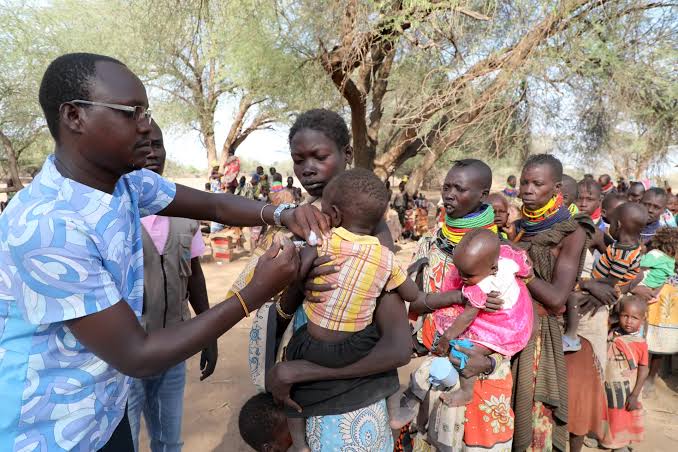
The future of millions of Kenyan children is now uncertain as global shifts threaten the availability of life-saving vaccines. A major blow has come from the United States, which recently announced it would withdraw its annual $300 million funding to Gavi, the Vaccine Alliance — a key partner in Kenya’s immunization program.

The U.S. government, through its Health Secretary Robert F. Kennedy Jr., accused Gavi of “ignoring safety concerns” around vaccines and giving “questionable recommendations” during the COVID-19 pandemic.

“I call on Gavi to re-earn the public trust and to justify the $8 billion America has provided since 2001. Until that happens, the United States won’t contribute more,” Kennedy said.

US Health and Human Services Secretary Robert F. Kennedy Jr with President Donald Trump at a past event. PHOTO/Unicef.org

This move couldn’t have come at a worse time. Gavi has already failed to meet its $11.9 billion target for the just-ended 2024/2025 financial year. With the U.S. previously contributing about 13% of Gavi’s total budget, the funding gap is now deeper than ever.

Kenya Feels the Heat

Kenya is not just a victim — it is also partly to blame. The country has defaulted on a $12.49 million (KSh1.6 billion) payment to Gavi for the 2024/2025 financial year. The deadline passed on June 30, 2025, and the money had not been released by the time of this report. This delay risks vaccine shortages and possible disruption of critical immunization services across the country.

Gavi supports eight major vaccines in Kenya under its co-financing model:

  • Human Papillomavirus Vaccine (HPV)
  • Measles-Rubella Vaccine (MR)
  • Malaria Vaccine
  • Pneumococcal Conjugate Vaccine (PCV)
  • Pentavalent Vaccine (protects against Diphtheria, Tetanus, Pertussis, Hepatitis B, and Haemophilus influenzae type b)
  • Rotavirus Vaccine (Rota)
  • Typhoid Conjugate Vaccine (TCV)
  • Yellow Fever Vaccine (YF)

These vaccines have been critical in preventing disease and saving lives, especially in children under five. But with donor support fading and Kenya struggling to meet its share of the costs, the progress made over the last decade is now in jeopardy.

A Mixed National Picture

Kenya’s overall immunization coverage currently stands at 88%, which is among the best in Africa. But the picture on the ground is uneven.

In Vihiga County, immunization coverage is a remarkable 98% — thanks to strong community health networks and political commitment. In contrast, Isiolo County lags far behind with just 18% coverage, leaving thousands of children unprotected and vulnerable to deadly diseases.

Health experts are now warning of a possible surge in vaccine-preventable diseases such as measles, polio, diphtheria, and pneumonia if funding gaps are not urgently addressed.

“We can’t overstate the impact of the U.S. pulling out. Countless children will die from vaccine-preventable diseases,” said Mihir Mankad, global health advocacy director at Doctors Without Borders (MSF).

Global Outcry, Local Consequences

Human rights and health advocacy groups across the globe are urging the U.S. to reverse its decision. Many have dismissed Kennedy’s claims against Gavi as baseless and dangerous.

“Kennedy’s allegations that Gavi ignored science are completely false,” said a statement from Public Citizen, a U.S. consumer rights group.
“Cutting global vaccine funding based on misleading claims is cruel and reckless.”

What Next for Kenya?

Kenya must now move quickly to settle its outstanding debt and work with partners to secure alternative funding. More importantly, the country must prepare for a future where it may have to fully finance its immunization programs — a transition that Gavi has always envisioned but one Kenya may not be ready for just yet.

If nothing changes, the hard-won gains in child survival and public health could be lost. For Kenya’s children, time is running out.

0 comment
0 FacebookTwitterPinterestLinkedinTumblrWhatsappTelegramEmail

World Cocktail Day is here, and we are not about to let it pass without a proper celebration. While we will always appreciate the classic Gin and Tonic, let us add a little bit of creativity.  Sometimes those special moments with your real ones deserve something a little more exciting. This year, Gilbey’s is all about elevating those connections and celebrating Real Moments, genuine connections shared laughter that make life richer.

Gilbey’s has always been about bringing people together, and this World Cocktail Day is no different. We know you value those friendships, appreciate quality, and are always looking for new ways to make those moments with your day ones even more memorable. That is why, as part of our ‘Real Moments’ campaign, we have created a cocktail that’s as unique and unforgettable as the bonds you share.

Introducing the Real Ones Cocktail. Your New Go-To for Real Moments with Your Crew

Inspired by the magic of authentic friendships and the desire to make those moments a little more special, the ‘Gilbey’s Real Ones’ Cocktail is a refreshing and flavorful drink that is perfect for creating unforgettable Real Moments with your closest friends. Whether you are chilling with your crew, celebrating a milestone, or simply unwinding after a long day, this cocktail is designed to enhance the experience and strengthen those bonds.

Because Gilbey’s is so mixable, you can adjust the sweetness, sourness, or any other flavour to perfectly match your taste and the vibe of your gathering. Here is what you’ll need to share the Real Moments and the “Gilbey’s Real Ones” Cocktail:

  • 50ml Gilbey’s Gin: The smooth, classic base that ties everything together, perfect for sharing with your day ones. Gilbey’s mixability means it will shine no matter what flavors you add!
  • 30ml Passion Fruit Juice: That tangy, tropical goodness we all know and love. Freshly squeezed is best for those authentic flavours and genuine connections.
  • 20ml Pineapple Juice: Adds a touch of sweetness and a hint of island vibes, bringing a touch of paradise to your gathering.
  • 15ml Lime Juice: For that essential zesty kick, adding a vibrant energy to your Real Moments with your closest friends.
  • Top with Ginger Ale: Adds a bubbly, refreshing finish, perfect for toasting to good times and lasting friendships.
  • Garnish: A wedge of pineapple and a sprig of mint, making it picture-perfect for sharing those Real Moments online.

How to Make It and Share the Real Moments with Your Crew:

  • Fill a tall glass with ice.
  • Pour in the Gilbey’s Gin, passion fruit juice, pineapple juice, and lime juice.
  • Top with ginger ale.
  • Gently stir to combine.
  • Garnish with a pineapple wedge and a mint sprig.
  • Most importantly: Gather your real ones, raise a glass of the “Real Ones” Cocktail, and enjoy the Real Moments.

Consider this your official permission slip to skip the chores, call up your day ones, and dedicate the rest of the day to creating Real Moments with the “Gilbey’s Real Ones” Cocktail in hand. We promise, no one will judge you except maybe your laundry pile. Just remember to drink responsibly, share the love, and tag us in your photos so we can live vicariously through your awesome adventures.

0 comment
0 FacebookTwitterPinterestLinkedinTumblrWhatsappTelegramEmail
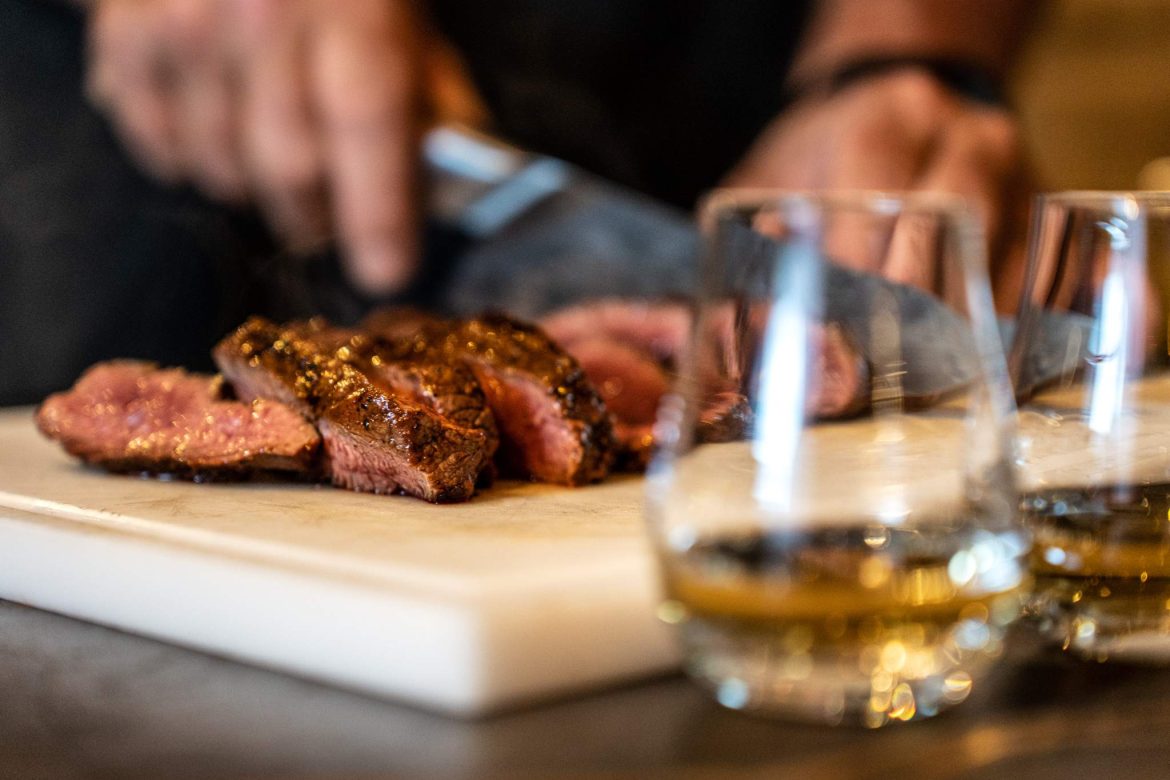
Whisky BBQ

When planning for a “choma” hangout, have you thought of pairing it with whisky to complement the charred goodness of grilled meat? No? Here’s why you should give it a try:

Smoky meats demand a smoky drink

Whisky’s rich, oaky flavors work particularly well with smoky meats, enhancing the savory and smoky profile of the meat and elevates the entire flavor profile.

A sophisticated experience

Whereas beer gives you a great casual vibe, whisky makes for a sophisticated bold pairing, adding depth and complexity to your hangout. Often consumed slowly, whisky allows your guests to savor not just its rich smoky notes and that of your barbequed meat, but also the conversation and activity around them, making for a memorable experience.

BBQ

A variety of applications

Besides having whisky as the accompanying drink to your “choma” you can also infuse it in your recipe by adding it to your marinades and sauces.

When used in marinades, the alcohol helps break down proteins in the meat, making it more tender, while the whisky itself adds notes of vanilla, oak, caramel, and spice to your meats. Pair it with ingredients like brown sugar, mustard, soy sauce, or garlic for a balanced marinade.

In sauces, the whisky notes complement the tangy sweetness of the rest of the condiments.

Cocktails

Mostly enjoyed neat or on the rocks, whisky cocktails can add a touch of playfulness and vibrance to your hangout. You can go with classics such as Old Fashioned and Whisky Sour, or you can try out different mixers and create unique options for your guests.

Whichever way you decide to go, Black & White blended scotch whisky’s versatility offers a wide range of options to elevate your “choma” and hosting experience.

0 comment
0 FacebookTwitterPinterestLinkedinTumblrWhatsappTelegramEmail

Like every Kenyan girl lately, we are going through a lot. Between adulting, costly skin care prices and the Nairobi dating scene, we can all agree we need an escape, somewhere we can let our hair down, or take our wigs off and just relax. And there’s no safer space than with our girls.

There’s something about having a dependable community of girlfriends, another woman (or more) who despite your varied backgrounds, you have forged a closeknit relationship that allows you to be yourself. A sisterhood that supports, affirms, inspires and has your back.

We draw so much from our female friendships and bonds, which is why we need to replenish them constantly, and what better time to do that than on Galentine’s day.

So here’s a list of fun ways to celebrate your Real Ones on this special day:

  1. Brunch Date
    Treat yourselves to a delicious brunch at that cute cafe that you’ve all been eyeing. Y’all work too hard to not take a moment to enjoy the perks. So dress up and show up to that date. And while you’re at it take lots of photos for the gram and let your content creator friend take videos for her followers. Soak in the finery and remind each other that “we need to do this more often.”
  2. Girls Night Out
    If y’all are not brunch people but like to turn up, you could get together for a girls’ night. Start off with dinner then head out for the party. Or you could all meet up at one of your places to get all dressed up, help each other out with your make up and head out together. Remember to have fun and stay safe while you’re at it.
  3. Girls Night In
    Girlies on a budget? Or just homebodies, no worries, you can stay indoors and still have fun with a pajama party. Agree on a host, and you can go full on with the matching pajamas or not. Create a list of fun things to do to make it a memorable one.
    If you’re anything like my crew, you’ll split the duties amongst yourselves, have someone(s) on dinner duty (or order takeout), have another pick out a movie, and another on the drinks, or you could do everything together.
    You can enjoy the rest of the night playing board games, having girl talk, or your sleepover could double up as an intervention for whoever needs it, lol.
  4. Connect with Nature
    Another one for the outdoor girlies. You can enjoy a quick escape from the city at Karura Forest, Ngong Hills or any other nature trail within or around the city. These places offer pocket-friendly outdoor activities such as hiking, bike riding, zip lining etc. that allow you to bond with your girls and nature at the same time. You can put together a picnic basket and find a spot for you and your girls to just chill and enjoy the scenery.
  5. Gifting
    You don’t have to wait for birthdays to get your girl a gift, you could swap wish lists and gifts for Galentine’s.
    And because it’s your girls you know they don’t expect you to break the bank (we’re barely out of Njaanuary). It could be that mouse Cindy is always mentioning but forgetting to buy for her computer, or a ticket to a play you know Marion would love. A thoughtful gesture that tells them you love and value your friendship.
  6. Tusker Cider Galentine’s Celebration
    If you and your girls are looking for something extra special to do this Galentine’s, Tusker Cider has a host of fun activities lined up for you and your girls including offers and surprise treats with every purchase of their crisp refreshing cider available in select stores and on ke.thebar.com. *T’s & C’s apply
    Here is a list of events where you can expect a full-on Tusker Cider treatment marked with glam and indulgence. You will enjoy complimentary flowers, welcome cocktails, fun and engaging activities including paint & sip and exquisite food and drink offers. *T’s & C’s apply
    Kizomba Valentine’s Edition at Artcaffe, Britam every Thursday throughout February.
    Valentine’s at Golden View Naivasha on 14th February.
    Valentine’s at Poa Place Eldoret on 15th February.
    Valentine’s Brunch at Pride Inn Mombasa on 15th Feb.
    Mapenzi Vibandaski at Bustani Gardens, Redhill on 8th March.
    For more details, check the Tusker Cider social media pages and raise a toast to your Real Ones this Galentine’s Day.
0 comment
0 FacebookTwitterPinterestLinkedinTumblrWhatsappTelegramEmail
Nairobi City

Nairobi has continued to solidify its position globally after it was ranked among the best cities to travel in the world.

According to the latest survey released by Trip advisor, Nairobi has been ranked together with cities like Kuala Lumpur Malaysia, Osaka in Japan, Johannesburg in South Africa and Casablanca in Morocco.

Nairobi has a national park, a large game reserve known for breeding endangered black rhinos and home to giraffes, zebras and lions.

Next to it is a well-regarded elephant orphanage operated by the David Sheldrick Wildlife Trust.

Every year, Tripadvisor awards travellers’ favorite destinations, hotels, restaurants, and things to do around the world, based on reviews and ratings collected over 12 months.

The ranking comes at a time Tourism Cabinet Secretary Rebecca Miano has on the forehead introducing policies that will attract more tourists in Kenya.

Just a few days ago, Cabinet approved a proposal to exempt travellers from all African countries from the Electronic Travel Authorization (eTA) as part of efforts to support open skies policies and tourism growth.

“This initiative aims to promote regional integration and ease travel across the continent. Most African visitors will be allowed a two-month stay, while East African Community (EAC) nationals will continue to enjoy a six-month stay under EAC free movement protocols,” the resolution reads.

Tourism CS Rebecca Miano. PHOTO/@rebecca_miano/X

Cabinet said the move is aimed at enhancing thenumber of visitors touring our game reserves increased by 43 percent reaching about 3.64 million in 2024 up from 2.54 million in 2023.

Miano also revealed that the number of international tourists has gone up to 2.4 million in 2024 up from 2.08 million in 2023.

0 comment
0 FacebookTwitterPinterestLinkedinTumblrWhatsappTelegramEmail