Home Tags Posts tagged with "PELUM Kenya"
Tag:

PELUM Kenya

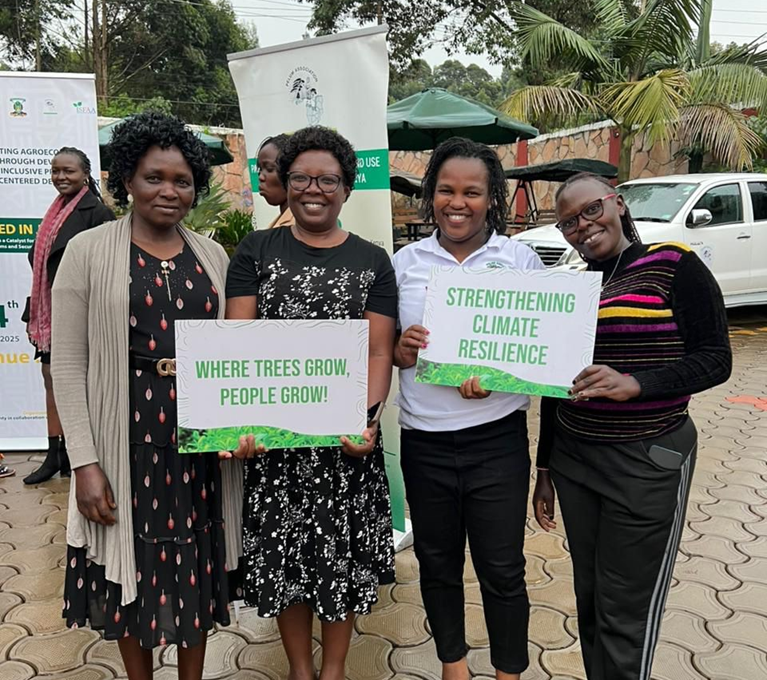
Women across rural Kenya are gaining renewed confidence and economic strength through the Women Empowerment for Resilience and Rights (WE4R) program.

A transformative initiative spearheaded by PELUM Kenya, aiming to enhance the capacity of women change agents and selected male allies to amplify advocacy for women’s rights, access to resources, and representation in the context of land and rural livelihood resilience in Africa.

The program’s main focus is to tackle long-standing challenges that limit women’s ownership, control, and participation in land use and decision-making processes. According to PELUM Kenya, the program aims to promote inclusive rural transformation by building the knowledge and leadership skills of women to effectively engage in governance, policy advocacy and sustainable agriculture.

The WE4R program is anchored on three key pillars: Rights, Resources, and Representation, designed to strengthen women’s agency and promote gender-responsive land management.

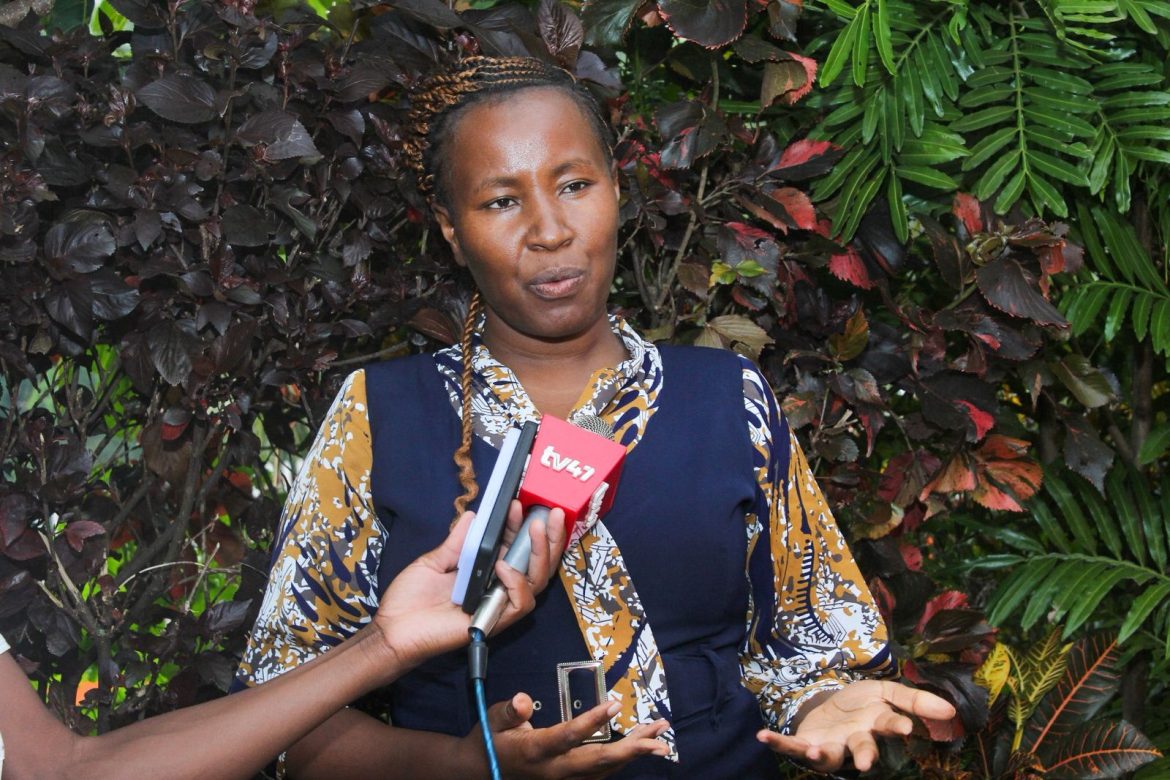
“Empowering women with knowledge and resources is the first step toward transforming communities and achieving resilient rural livelihoods,” said Monica Nyaga, the program’s coordinator during the inception meeting in Kericho.

Under the program, PELUM Kenya is working with community-based organizations and Women’s groups to raise awareness on land laws, succession planning, and fair land leasing practices. Women are also being trained in sustainable agriculture and agroecological methods, including kitchen gardening, soil conservation, and crop diversification to enhance household food security.

With the inclusion of male allies in the program, it intends to promote shared responsibility and to address cultural barriers that have historically limited women’s participation in land and natural resource management.

Grassroots tools transforming Access to land

PELUM Kenya has partnered with grassroots organizations such as Shibuye Community Health Workers to popularize Community-Driven Land Lease Guidelines and the Haki Ardhi tool, a mobile-based platform that allows women to report land rights violations confidentially.

These community tools have already yielded results. In counties like Kakamega, Siaya, and Homa Bay, women farmers have leased land through the guidelines, enabling them to start agribusiness ventures and increase their productivity.

Some groups have also formed cooperatives focusing on sweet potato production and aquaculture, improving their incomes and food security.

Through fair land leasing and awareness of their rights, more women are accessing productive land and engaging in agribusiness, said Doreen Magotsi.

Beyond the community level, PELUM Kenya is engaging county governments and national agencies to influence land-related policies that promote women’s rights and equitable access to natural resources.

The organization has trained community paralegals to support women in navigating land disputes, succession cases, and advocacy processes. Mentorship sessions under the WE4R program also provide platforms for women to share experiences, learn from one another, and build confidence to take part in decision-making spaces.

Monica notes that the WE4R program aligns with PELUM’s broader goal of promoting ecological land use and gender equality in rural development.

“The project is being implemented in several African countries, with Kenya taking the lead in integrating gender equality into land governance and community resilience programs. It goes beyond land matters, but also to equity, dignity, and the power to decide, more so for our women in rural areas,” she says.

As the initiative continues to gain traction, PELUM Kenya has reiterated its commitment to ensuring that both women and men play active roles in shaping inclusive and sustainable rural communities.

0 comment
0 FacebookTwitterPinterestLinkedinTumblrWhatsappTelegramEmail

The participation of youth, women, and smallholder farmers in policy and decision-making processes has been underscored as a key pillar for promoting inclusive governance and sustainable development.

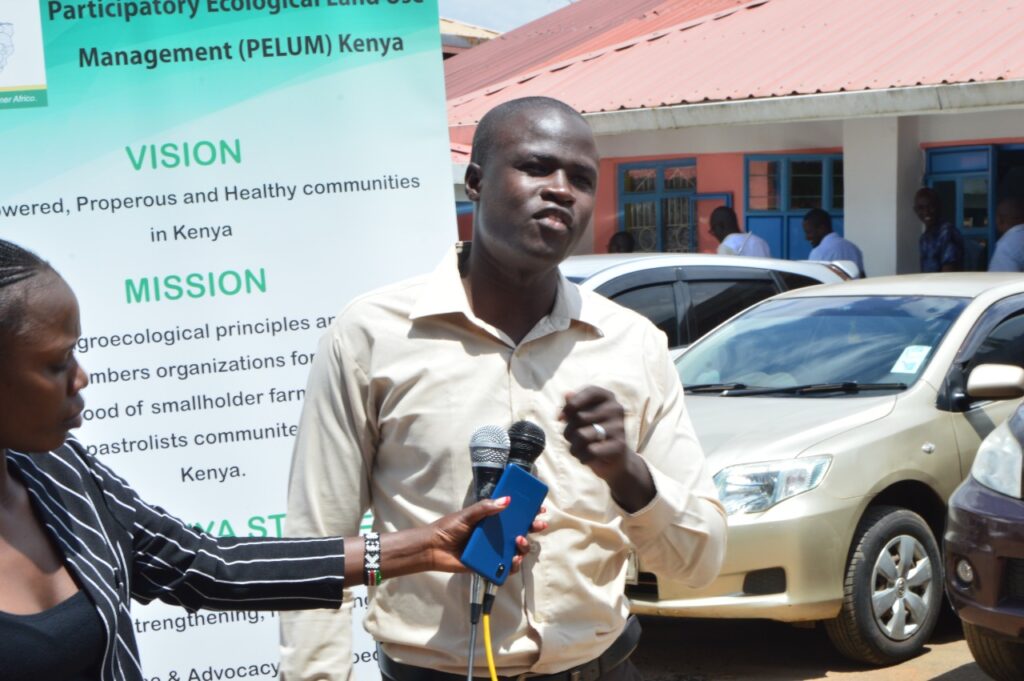
Speaking during a workshop aimed at enhancing the capacity of these groups to engage in public policy, John Khamala, Director of Public Participation and Civic Engagement at the County Government of Vihiga, emphasized the importance of inclusivity in governance.

He noted that public participation strengthens democracy, enhances transparency, and allows citizens to feel a sense of ownership in government processes.

“It is crucial for women and youth to take part in public participation because it brings legitimacy to government documents and ensures that decisions reflect the needs of people,” said Khamala.

John Khamala, Director of Public Participation and Civic Engagement at the County Government of Vihiga. PHOTO/Pauline Waswa

He went ahead to note that many times, women, youth, and smallholder farmers are left out of key governance processes, yet their involvement is important

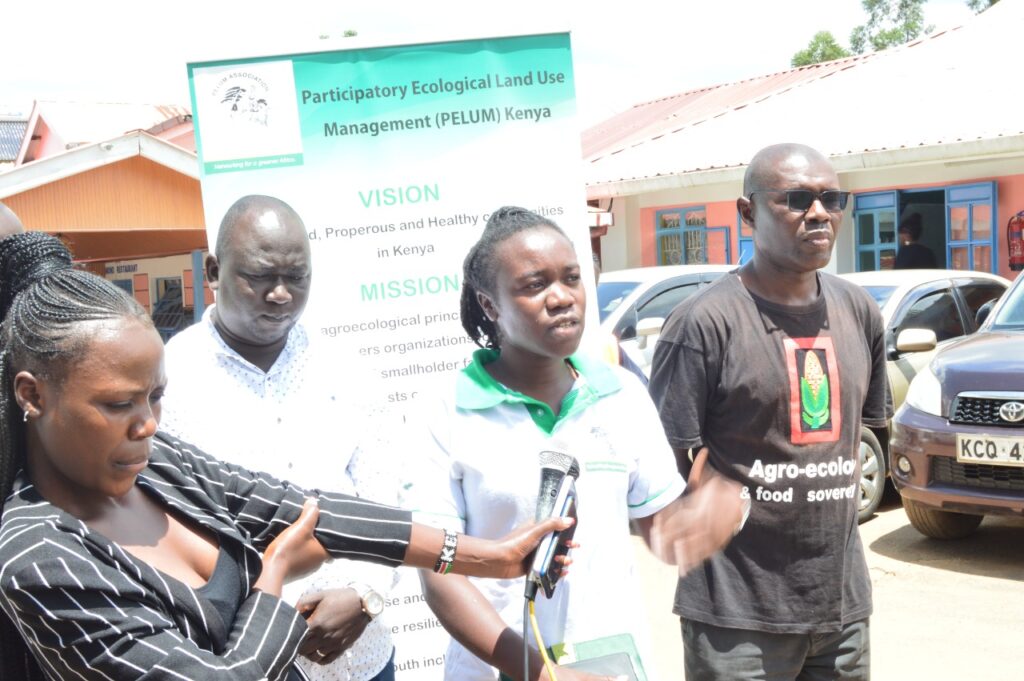
The workshop, convened by Participatory Ecological Land Use Management-PELUM Kenya, sought to strengthen the capacity and engagement of youth, women, and smallholder farmers in shaping public policy and decision-making processes that affect their livelihoods and development priorities. Participants were sensitized on how to organize themselves, share their views, and take up leadership in influencing policy implementation at both the county and national levels.

Mary Irungu, policy and advocacy expert from PELUM Kenya, highlighted that youth and women form the backbone of agricultural production and community development in Kenya.

She noted that despite their vital role in food production, climate change adaptation, and rural innovation, their contribution is often underrepresented in key policies such as agriculture, climate, and the livelihood framework

Irungu stressed the need for youth and women to move beyond being beneficiaries of government programs and instead become active contributors and change-makers in policy processes.

She emphasized that their firsthand understanding of community realities makes them valuable voices in shaping effective and responsive policies.

Vihiga County launched the Agroecology policy earlier this year, aiming to promote sustainable farming practices that improve food security, protect the environment, and strengthen local food systems.

Irungu notes that the initiative aligns with the National Agroecology Strategy for Food System Transformation (2023-2024), which guides counties in developing localized agroecology policies and strategies.

“Some counties, including Murang’a and West Pokot, have also launched their agroecology policies, while others like Bungoma, Trans Nzoia, Kakamega, and Laikipia are in the process of developing theirs, which is a good move and must be encouraged in other counties while allowing every voice to be captured in the formation, including those of women and youth,” said Irungu.

She underscored the importance of counties tailoring their policies to local needs and contexts rather than merely replicating national frameworks. This, she said, would ensure that policies are practical, implementable, and responsive to community realities.

The forum also shed light on the growing challenges facing the agricultural sector, all the way from climate change and declining soil health to the increasing prevalence of non-communicable diseases linked to chemically treated and processed food. In unison, there was a conclusion that agroecology is a sustainable approach to food production that enhances soil fertility, promotes biodiversity, and ensures safe food for all.

As this conversation on inclusive governance continues, youth, women, and smallholder farmers need to step forward and take their rightful place in shaping the future of their communities.

Their active participation in policy spaces will not only strengthen democracy but also ensure that decisions made at the county and national levels reflect the voices and aspirations of those most affected.

0 comment
0 FacebookTwitterPinterestLinkedinTumblrWhatsappTelegramEmail

The lifting of the ban on Genetically Modified Organism (GMO) food in Kenya has attracted mixed reactions among Kenyans and different organizations that advocate for consumption of indigenous food.

The cabinet that lifted the ban noted that they have done a wide consultation from the experts and  as a way to control hunger that is being experienced in different parts of the country, they settled on giving it a try to increase the response to the drought ravaging parts of the country.

Safety of GMO

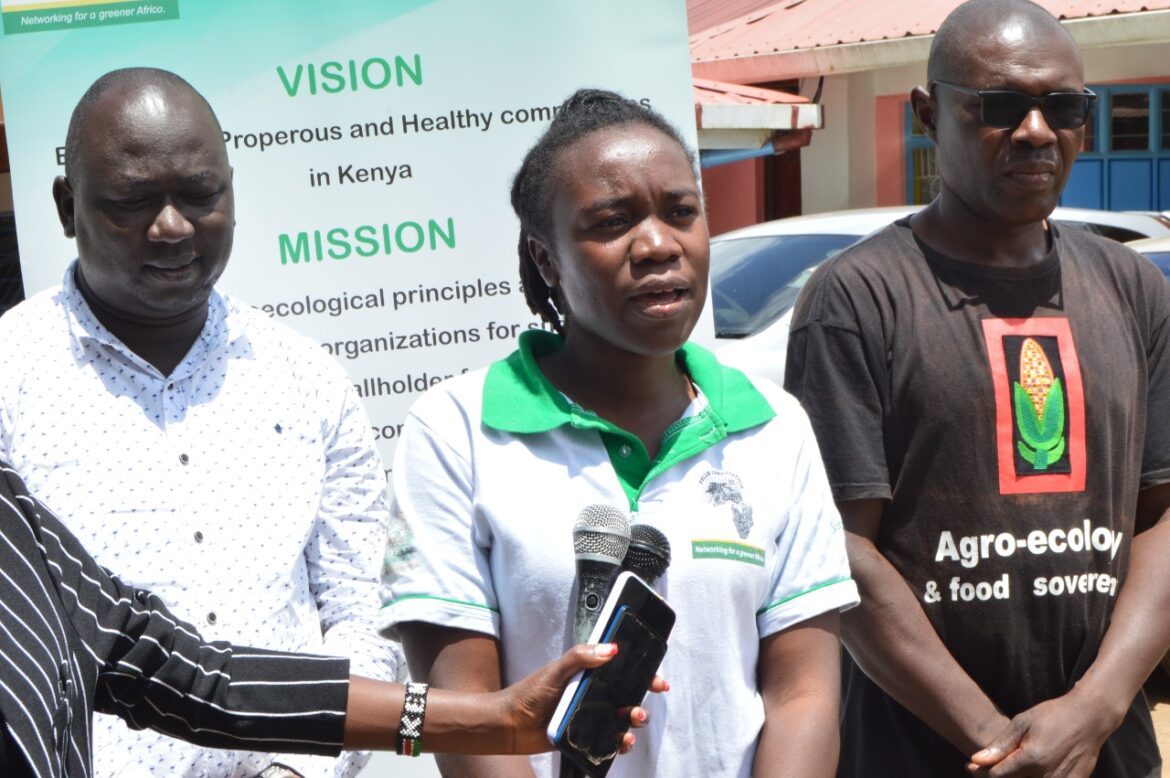
PELUM Kenya, an organization that comprises 57 different groups and advocates for small farmers to embrace agro ecology conducted training on farmers from Rift-Western Kenya Zone to sensitize them on GMO and why them, as agro ecological champions are against it.

Beth Omae who is the zonal coordinator said that in agro ecology, they embrace art, science and technology but as champions, they want to ensure that food security is enhanced in the country.

“There was a test that was done by a scientist called Erick Seralini whereby he tried the GMO maize on some rats and they turned out to have a big tumor in their body and that’s evident that it is not safe for human consumption. We want to make sure that we have food that is safe and good for our health,” she said.

Agro ecological champions

She went ahead to ask the government to engage the agro ecological champions for them to put across their opinion on why they are against the decision of allowing the discussion of GMO being incorporated in the agriculture system in the country.

The Anglican Development Services (ADS) western region  led by Samuel  Akollo, the programs manager also disputed the decision by the cabinet saying that the government should look at the food security in wholesomeness and ensure the actualization of the constitution article 11 section 3b.

The article says that the parliament will enact legislation that will protect the indigenous seed and plant varieties for the community and the useful of the community but as per now nothing has been done to protect the ecosystem.

Akollo noted that the government needs to sit with the stakeholders and discuss the safety of the indigenous seed and the safety of GMO on human health.

0 comment
0 FacebookTwitterPinterestLinkedinTumblrWhatsappTelegramEmail