
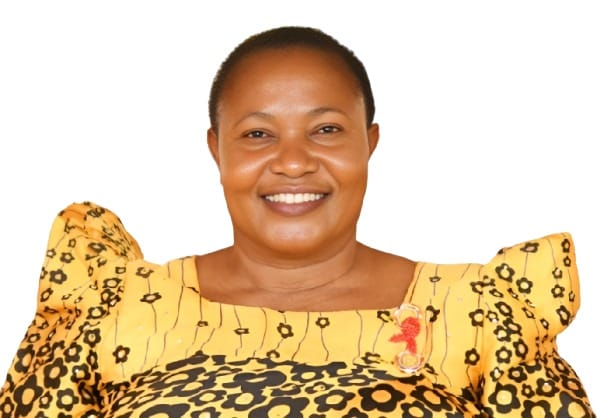
Ugandan President Yoweri Kaguta Museveni has ordered a formal investigation into alleged financial irregularities surrounding the recruitment of Assistant Resident District Commissioners (A-RDCs) and Assistant Resident City Commissioners (A-RCCs), placing Minister for the Presidency Milly Babalanda under intense scrutiny over the management of the exercise.
The directive follows the submission of a detailed whistleblower dossier alleging that approximately Shs15 billion may have been lost during the recruitment process, with additional claims that billions more allocated for salaries and allowances remain unaccounted for.
The investigation, which will be conducted by the Internal Security Organisation (ISO), is expected to examine the recruitment timeline, the use of appropriated funds, procurement records, payroll data and allegations that ghost officers may have been added to the government payroll.
Whistleblower dossier triggers probe
According to officials familiar with the matter, the whistleblower raised concerns over what is described as widespread financial mismanagement during the recruitment of hundreds of Assistant RDCs and Assistant RCCs under the Office of the President.
The dossier alleges that about Shs15 billion was lost during the recruitment exercise and questions how funds appropriated by Parliament for the programme were utilized.
The allegations come against the backdrop of longstanding concerns over public financial management in Uganda. The Inspectorate of Government (IGG) has previously estimated that corruption, procurement fraud and financial mismanagement cost Uganda between Shs9 trillion and Shs20 trillion annually, representing a significant drain on public finances.
Questions over delayed deployment
The controversy centres on the recruitment programme approved during the 2022/2023 financial year.
Parliament appropriated funds to facilitate the recruitment, salaries and operational support for Assistant RDCs. However, despite the budget allocation, the officers were not deployed until April 2024, nearly two years after the positions had been approved.
The whistleblower alleges that during that period the allocated salary funds were neither returned to the Consolidated Fund nor paid to the officers eventually recruited.
Even after reporting for duty in April 2024, the Assistant RDCs reportedly did not begin receiving salaries until July 2024, when the new financial year commenced.
The unexplained gap between the release of funds and the eventual payment of officers has become one of the central issues investigators are expected to examine.
Billions in salaries under scrutiny
Each Assistant RDC earns a monthly salary of Shs817,217, translating to approximately Shs9.8 million annually, alongside a monthly allowance of Shs1.5 million, equivalent to Shs18 million a year.
With 432 Assistant RDCs deployed nationwide, insiders estimate that more than Shs24 billion intended for salaries and allowances over the two-year period cannot presently be fully accounted for.
Investigators are expected to establish whether all appropriated funds were lawfully utilized or whether irregular payments were made.
Procurement claims challenged
An internal audit report within the Office of the President reportedly states that some of the funds were redirected towards procuring office equipment for the newly recruited officers.
However, the whistleblower disputes that explanation.
According to the dossier, many Assistant RDC offices remain inadequately equipped, with several officers reportedly sharing office space with secretaries and administrative staff while others lack dedicated offices altogether.
The whistleblower argues that the physical conditions in many districts do not support claims that billions of shillings were spent on equipping offices.
One of the objectives of the ISO investigation will therefore be to verify procurement records against actual assets delivered to the field.
Parliament had warned of financial burden
The latest controversy has revived concerns previously raised by Members of Parliament when the government proposed expanding the RDC structure.
During debate on the programme, legislators questioned whether creating hundreds of additional positions was financially sustainable.
The Parliamentary Budget Committee warned that recruiting Assistant RDCs would increase the public wage bill by more than Shs10 billion annually, urging government to reconsider the proposal amid growing expenditure pressures.
Despite the objections, President Museveni defended the expansion, arguing that Assistant RDCs would strengthen supervision and monitoring of government programmes across the country.
The recruitment subsequently proceeded.
Wider accountability concerns
The whistleblower’s dossier reportedly extends beyond the Assistant RDC recruitment exercise.
It raises questions about financial management within several agencies operating under the Office of the President, including the:
- Uganda AIDS Commission
- Uganda Printing and Publishing Corporation (UPPC)
- National Leadership Institute (NALI)
Some of these institutions have previously been flagged in reports by the Auditor General over procurement irregularities and accountability concerns.
Investigators are expected to determine whether similar governance weaknesses exist across multiple agencies.
Museveni orders two-week investigation
Following receipt of the allegations, President Museveni directed the Director-General of the Internal Security Organisation (ISO) to undertake a comprehensive investigation and submit findings within two weeks.
The inquiry will examine:
- the recruitment process and approval timeline;
- utilization of budgeted funds;
- salary and allowance payments;
- procurement of office equipment;
- payroll records; and
- allegations of ghost officers within the Assistant RDC structure.
The findings are expected to determine whether criminal investigations or administrative action should follow.
Babalanda faces growing pressure
Although Minister for the Presidency Milly Babalanda has not been accused of wrongdoing, the investigation places renewed focus on the ministry responsible for supervising the Office of the President’s administrative functions, including the RDC structure.
The probe is likely to intensify political pressure on her office as investigators seek to establish how billions of shillings allocated by Parliament were managed during the recruitment and deployment process.
As ISO begins reviewing financial records, payroll data and procurement documentation, attention is expected to shift to whether public funds were properly accounted for and whether Parliament’s earlier concerns about expanding the RDC structure have now materialized.
The outcome of the investigation could have significant implications for accountability within the Office of the President and Uganda’s broader anti-corruption agenda, with further disclosures anticipated once investigators complete their review.