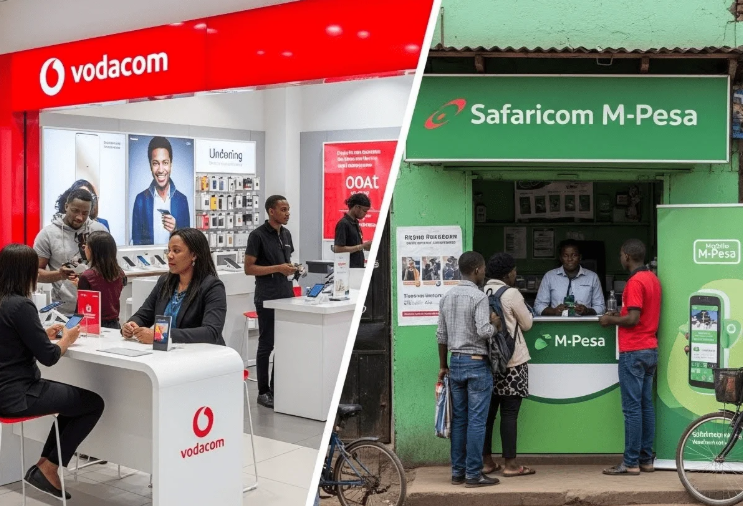
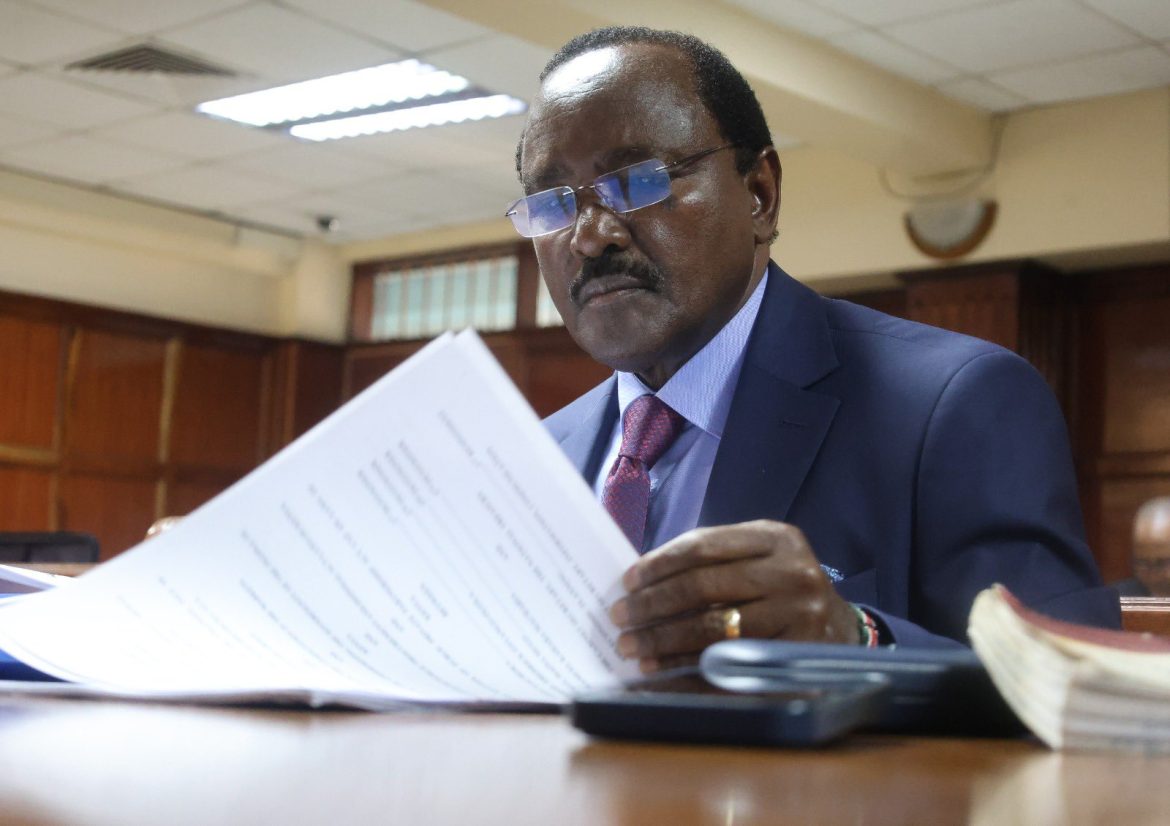
Wiper Patriotic Front leader Kalonzo Musyoka has vowed to continue fighting the government’s proposed sale of a 15 per cent stake in Safaricom PLC to South Africa’s Vodacom, insisting the transaction threatens Kenya’s control over one of its most strategic national assets.
His remarks come days after the Court of Appeal lifted conservatory orders that had temporarily halted the multi-billion-shilling transaction, allowing the government to proceed with plans to dispose of part of its shareholding in the telecommunications giant while the substantive constitutional case remains pending.
Taking to his official X account on Monday, June 29, 2026, Kalonzo maintained that the appellate court’s decision should not be interpreted as approval of the sale.
“The Court of Appeal has now lifted the conservatory order. But the lifting of that order is not a green light. It is not judicial endorsement of the transaction. The legal battle continues, and the substantive questions of law and public interest remain squarely before the courts,” Kalonzo said.
The former Vice President argued that reducing Kenya’s shareholding in Safaricom from 35 per cent to 20 per cent would leave the state as a minority shareholder in what he described as the country’s “crown jewel” and a telecommunications asset of immense strategic, economic and national security importance.
“The proposed sale of Kenya’s 15% stake in Safaricom PLC to Vodacom would reduce the Republic to a minority shareholder in its own crown jewel, a national telecommunications asset of strategic, economic, and security significance. This we cannot and will not accept,” Kalonzo said.
He further warned potential investors against rushing to conclude the transaction before the constitutional issues raised in court are determined.
“To those who would rush to conclude this sale before those questions are answered, we say plainly: caveat emptor. Let the buyer beware.”
Kalonzo added that any deal completed before the courts pronounce themselves on the matter would remain vulnerable to legal challenge.
“Any transaction concluded in the shadow of live litigation, against the expressed opposition of the Kenyan people, and without transparent parliamentary sanction, is a transaction concluded at risk. We will pursue every lawful avenue in the courts, in Parliament, and before the people to ensure that Kenya does not surrender control of Safaricom on the altar of opaque dealmaking,” he stated.
Court lifts freeze but case continues
The Court of Appeal last week granted the government’s application to suspend High Court conservatory orders that had blocked implementation of the proposed sale pending the hearing of constitutional petitions challenging the transaction. A three-judge bench held that the government had met the legal threshold for stay orders and that public interest favoured allowing the transaction to proceed.
The appellate judges, however, emphasized that they were not determining the legality or constitutionality of the proposed sale. They also observed that if the petitioners eventually succeed, the transaction could still be reversed because the shares would remain capable of being restored to the relevant parties with appropriate remedies.
Constitutional questions remain
The dispute stems from the government’s plan to sell a 15 per cent stake in Safaricom to Vodacom Group in a transaction valued at about KSh204.3 billion. Parliament approved the partial divestiture earlier this year as part of a broader plan to raise funds for the National Infrastructure Fund and other development priorities.
However, the proposal has attracted multiple legal challenges from opposition leaders and private citizens, including Tony Gachoka, Fredrick Ogola and Kalonzo Musyoka. The petitioners argue that the transaction raises constitutional concerns relating to public participation, transparency, valuation of the shares, data sovereignty and national security. They also contend that the proposed sale price undervalues the government’s stake in Kenya’s largest listed company.
The High Court had earlier agreed that the petitions raised substantial constitutional issues warranting a full hearing and temporarily suspended the sale. While that suspension has now been lifted, the constitutional petitions themselves remain active before the courts, meaning the legality of the proposed transaction has yet to be finally determined.
If completed, the transaction would reduce the National Treasury’s shareholding in Safaricom from 35 per cent to 20 per cent while increasing Vodacom’s ownership, giving the South African telecommunications group majority control of the company.