Home Author
Author

Daily Trends

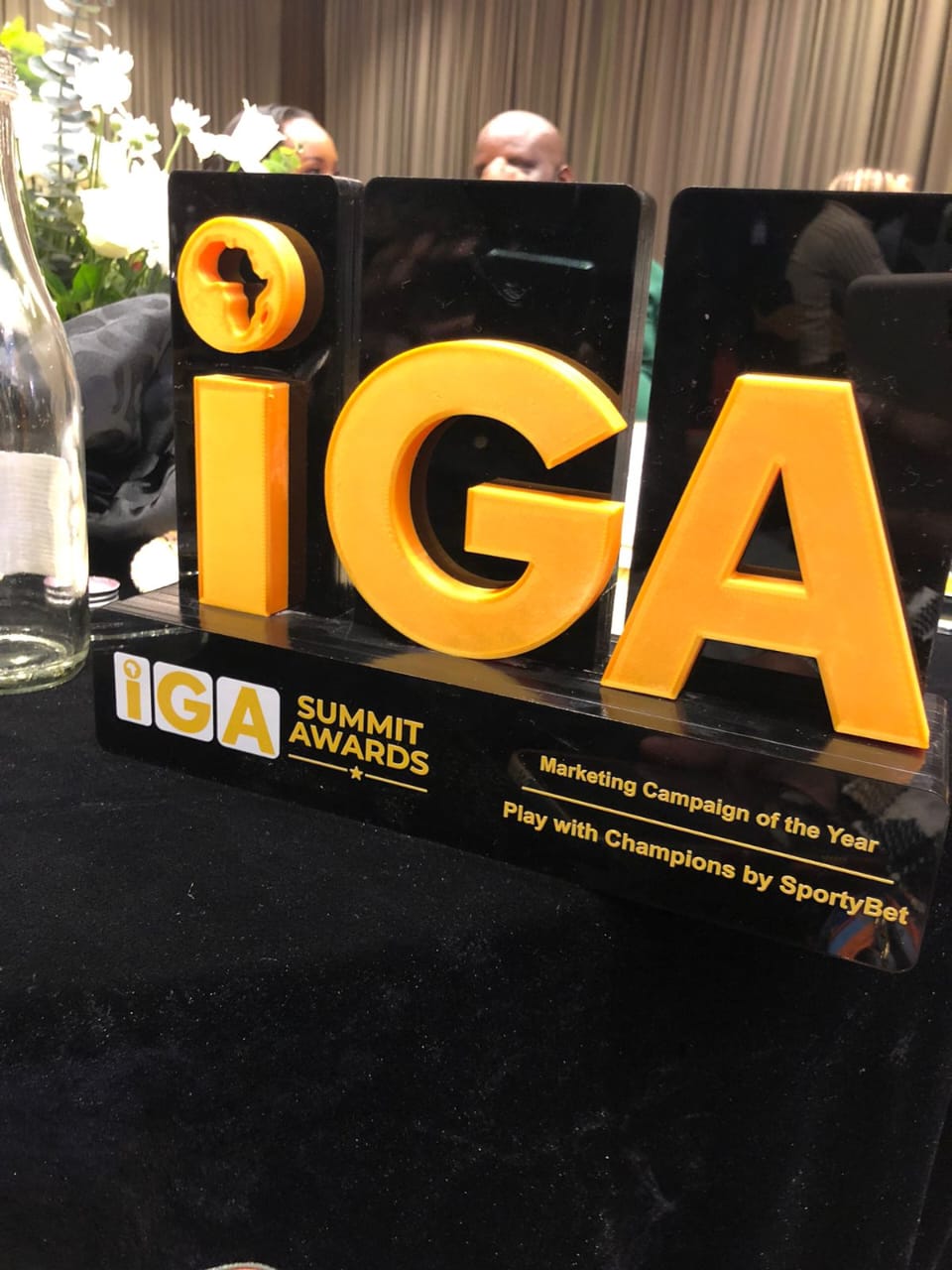
SportyBet has been named Marketing Campaign of the Year winner at the inaugural iGaming AFRIKA Summit Awards 2026 in Nairobi, Kenya, for its “Play with Champions” campaign.

The accolade was presented during the iGaming AFRIKA Summit, held from 4–6th May 2026 at Sarit Center and positioned as Africa’s premier gathering for the gaming, fintech and regulatory sectors.

Taking place in Nairobi, the summit brings together operators, suppliers, regulators, payment providers and technology partners for three days of discussion, insight sharing and networking focused on how African markets actually operate on the ground. At a moment when localisation and cultural awareness are central to growth strategies, the forum provides a dedicated space for African consumer realities and regulatory perspectives to shape product and marketing
decisions.
The 2026 iGaming AFRIKA Awards run alongside the summit under the theme “Celebrating Gaming Excellence in Africa,” marking the first edition of the ceremony. Held on 4th May 2026, the awards feature a curated list of categories designed to reflect how the continent’s gaming industry has evolved in practice, from digital acquisition models to mobile-first user
journeys.

Beyond pure commercial performance, the judging panel evaluates leadership in compliance, payments infrastructure, responsible operations and sustainable growth, signalling a broader definition of excellence for African operators and suppliers.

For the Marketing Campaign of the Year category, short‑listed nominees including major brands from across the continent were assessed on creativity, localisation, measurable impact and alignment with responsible marketing standards. Showcased on the IGA Gala Awards stage, the “Play with Champions” campaign trophy underscored SportyBet’s ability to build creative, locally resonant campaigns that speaks to a pan‑African audience.

“Recognising the brands and professionals that are leading the way in the gaming industry in
Africa is essential for fostering growth within the industry,” said Jeremiah Maangi, CEO of
iGaming AFRIKA.

“We are confident that these awards will inspire more to pursue excellence and invest in their development.”


0 comment
0 FacebookTwitterPinterestLinkedinTumblrWhatsappTelegramEmail

A Presidential Commission of Inquiry into Tanzania’s 2025 General Election has concluded its work with a detailed report that moves beyond documenting electoral unrest, instead placing emphasis on how public trust is built, sustained, and sometimes weakened through the performance of state institutions during politically sensitive periods across East Africa.

Presenting the findings to President Samia Suluhu Hassan in Dar es Salaam, Commission Chairperson Retired Chief Justice Mohamed Chande Othman outlined both the human suffering and economic disruption linked to the election period, while stressing the need for sustained reforms aimed at strengthening democratic processes, restoring and maintaining institutional credibility, and reinforcing national cohesion.

Beyond the immediate events surrounding the election, the report redirects attention toward a deeper governance concern: the extent to which institutional credibility determines whether electoral competition is perceived as legitimate, contested, or destabilising in the eyes of citizens.

A key observation in the report is Tanzania’s continued reliance on domestically anchored responses in managing electoral processes, political disputes, and post-election recovery.

This reflects a broader East African governance pattern in which states are increasingly prioritising internal institutional mechanisms, constitutional frameworks, and locally grounded dialogue structures as the primary means of managing political tensions and sustaining public confidence.

Rather than being treated as a country-specific approach, this reflects an evolving regional governance reality in which public trust is increasingly mediated through domestic institutions, with legitimacy anchored in how effectively those institutions perform under pressure.

Increasingly, analysts frame this as a shift from externally referenced legitimacy models toward institutionally grounded legitimacy, where citizens assess governance systems based on credibility, responsiveness, and consistency rather than formal electoral processes alone.

At the centre of the Commission’s recommendations is a call for structured constitutional reform, framed not as an immediate response to unrest but as a long-term pathway for rebuilding and strengthening institutional credibility over time.

The report emphasizes that constitutional and electoral frameworks remain central to sustaining public trust across East Africa, particularly in contexts shaped by rapid demographic growth, expanding youth participation in politics, and the growing influence of digital mobilisation on political perceptions.

Within this context, reform is increasingly being positioned as a trust-rebuilding instrument — aimed at strengthening transparency, improving inclusivity, and enhancing confidence in governance outcomes.

The findings also highlight the importance of institutional preparedness during politically sensitive periods, stressing early warning systems, inter-agency coordination, and rapid response mechanisms as key factors in maintaining credibility during electoral cycles.

Across East Africa, elections continue to function as critical moments of trust testing, where institutional performance directly influences how citizens interpret the legitimacy of political processes.

The Tanzanian report therefore contributes to a growing regional focus on institutional credibility as a core pillar of electoral governance — extending the conversation beyond voting procedures to include perception, confidence, and public confidence in state systems.

Beyond political considerations, the report reinforces the economic dimension of trust, highlighting the direct relationship between institutional credibility, political stability, and economic performance.

Electoral disruptions often carry economic consequences that affect businesses, financial systems, and informal markets, while also shaping investor sentiment, trade stability, and long-term development planning.

For emerging economies in East Africa, this has elevated institutional credibility into a central economic variable, where governance trust is increasingly linked to growth potential and market confidence.

A further dimension of the report is its focus on the digital environment as a key arena where public trust is increasingly formed and contested.

Social media platforms have become central spaces for political communication, civic engagement, and mobilisation.

However, they have also intensified challenges around misinformation, rapid narrative formation, and the speed at which trust can be eroded or amplified in politically sensitive moments.

This evolving information ecosystem is pushing governments and institutions across the region to reconsider how trust is managed in digital spaces, including through regulation, media literacy, and improved institutional communication strategies.

Taken together, the Commission’s findings are increasingly being interpreted not only as an assessment of Tanzania’s 2025 electoral experience, but also as part of a broader East African transition in how public trust and institutional credibility are constructed.

Across the region, states are refining their approaches to electoral management, governance communication, and institutional accountability, drawing lessons from both domestic experiences and shared regional challenges.

The emerging trajectory points toward a governance environment in which institutional credibility — rather than elections alone — is becoming the defining measure of democratic stability in East Africa.

0 comment
0 FacebookTwitterPinterestLinkedinTumblrWhatsappTelegramEmail
Fly748.com relaunch

Fly748.com has officially resumed scheduled passenger operations, marking a significant return to Kenya’s domestic aviation market with a renewed focus on affordability, reliability, and customer experience.

The airline’s maiden return flights departed on May 1, 2026, connecting Nairobi to the Coast with services from Jomo Kenyatta International Airport to Mombasa and Ukunda, as it begins a phased re-entry into the competitive sector.

The relaunch comes amid rising demand for domestic air travel, driven by increased economic activity across counties, expanding government travel, and a growing calendar of business, cultural, and social events nationwide.

Structured return built on experience

Head of Fly748.com, George Oduor, said the airline is leveraging its deep operational experience—particularly in complex aviation environments—to deliver consistent scheduled services.

“For our scheduled services, this translates into disciplined scheduling, efficient turnaround processes, and strong operational oversight. The goal is simple: deliver a service that performs predictably, every day,” said Oduor.

He added that the airline’s background in humanitarian aviation has shaped its systems and operational philosophy.

“In humanitarian aviation, particularly in last-mile operations, you learn to manage complexity with precision. You operate in conditions where infrastructure is minimal, timelines are critical, and outcomes matter deeply. That experience has shaped how we build systems, focused on control, adaptability, and consistency,” explained Oduor.

Fly748.com relaunch

Gradual network expansion

The airline confirmed that its initial Nairobi–Mombasa and Nairobi–Ukunda routes will serve as a baseline for expansion, with additional frequencies, destinations, and capacity expected as demand grows.

“The current routes serve as our operational baseline. From here, we will expand methodically, introducing additional frequencies, scaling capacity with larger aircraft, and extending into new domestic and regional destinations,” said Oduor.

Targeting business and leisure travellers

Chairman of 748 Air Services, Ahmed Jibril, said the relaunch is expected to enhance connectivity to the Coast, making travel more accessible for a wide range of passengers.

“We are here for the business traveller who needs to be in Mombasa in the morning and back after a productive day. We are here for the family travelling for a holiday. We are here for the hotelier, the tour operator, the conference guest, the student, the government officer, the entrepreneur, and the frequent flyer who simply wants an airline they can depend on,” said Jibril.

Fly748.com relaunch

He added that the airline is introducing a loyalty programme to reward repeat customers.

“Our offering includes a customer loyalty programme designed to reward frequent flyers. We want our regular passengers to feel appreciated, because loyalty must go both ways. When you choose Fly748.com again and again, we want you to benefit from that choice,” he said.

Building a national and regional footprint

Managing Director of 748 Air Services, Moses Mwangi, emphasised the airline’s ambition to play a larger role in national connectivity while maintaining operational discipline during its initial phase.

“From there, we will scale, adding frequencies, optimizing fleet deployment, and introducing higher-capacity aircraft as demand grows. Beyond domestic operations, we are positioning ourselves for regional expansion, leveraging our established presence across Africa to unlock new connectivity,” said Mwangi.

He noted that the airline will continue balancing its commercial ambitions with its humanitarian operations.

“Importantly, our growth will remain balanced. While we expand into scheduled aviation, our humanitarian mission- particularly in the last mile – will continue to be a defining part of our identity,” he added.

Riding changing travel trends

The relaunch comes at a time when travel patterns in Kenya are shifting, with more passengers opting for air transport as counties open up to investment, conferences, and cultural festivals.

“Events such as devolution conferences and regional cultural gatherings have increasingly driven passenger traffic, creating new opportunities for domestic carriers,” said Oduor.

The airline is positioning itself as a key enabler of domestic tourism, trade, and regional integration, particularly in underserved and high-growth destinations.

Focus on customer experience

As part of its comeback strategy, Fly748.com has rolled out improvements in scheduling, booking processes, and overall customer experience.

“We understand the importance of time, cost, and reliability for today’s traveler. Our goal is to make air travel more accessible while maintaining the highest operational standards,” affirmed Oduor.

748 Air Services, the parent company of Fly748.com, has over three decades of aviation experience, providing passenger and cargo services across humanitarian, natural resource, and government sectors.

Through its scheduled domestic service, the airline aims to extend that reputation to everyday travellers, offering safe, dependable, and competitively priced flights from Jomo Kenyatta International Airport Terminal 2 to key destinations including Mombasa and Ukunda (Diani).

With its return now underway, industry observers will be watching closely to see whether the airline can carve out a sustainable niche in Kenya’s fast-evolving aviation landscape.

0 comment
0 FacebookTwitterPinterestLinkedinTumblrWhatsappTelegramEmail
George Obell KRA

A senior official tasked with pursuing Kenya’s smallest tax defaulters is now at the centre of a staggering corruption storm, after court filings alleged that George Obell has amassed wealth running into nearly Sh30 billion—despite a decades-long career in public service.

The revelations, now before the Anti-Corruption Division of the High Court in Nairobi, have triggered parallel investigations by the Ethics and Anti-Corruption Commission (EACC) and the Asset Recovery Agency (ARA), placing the Kenya Revenue Authority (KRA) under intense scrutiny over its internal integrity controls.

The man chasing small taxpayers

Obell, Commissioner for the Micro and Small Taxpayers Department at Kenya Revenue Authority, has been the public face of aggressive crackdowns on informal sector traders—boda boda operators, small shop owners, and individuals filing nil returns.

Through high-profile campaigns, data-driven enforcement, and digital tools such as USSD platforms and chatbots, he has consistently warned Kenyans that no taxpayer is beyond the reach of the state.

But as those warnings intensified, a far more serious question was quietly building behind the scenes: how did a career tax official allegedly accumulate billions that dwarf any plausible lawful income?

The arithmetic that raises eyebrows

Court documents reviewed in the case paint a picture of what petitioners describe as “the arithmetic of impossibility.”

Obell has served at KRA for roughly 28 years, much of it as a Chief Manager earning an estimated monthly salary of about Sh468,000. Over two decades, this translates to roughly Sh112 million in gross earnings—before tax deductions.

Set against an alleged wealth base of Sh30 billion, the gap is not just significant—it is extraordinary.

Petitioner Jemimah Wafula, a Nairobi resident, has now moved to court seeking to block KRA from assigning Obell expanded responsibilities while investigations remain active, arguing that the discrepancy raises serious constitutional and ethical concerns.

Where the wealth allegedly grew

The filings point to Obell’s tenure in the International Tax Office—one of the most sensitive units within KRA—as the period during which his alleged wealth rapidly expanded.

This department oversees multinational taxation, transfer pricing, and cross-border financial flows—areas long flagged by auditors and investigators as high-risk zones for corruption due to the scale and complexity of transactions involved.

While no findings have yet been made against Obell, investigators are expected to examine whether his position may have exposed him to opportunities for illicit enrichment.

Explosive clearance certificate claims

Perhaps the most controversial allegation is that Obell obtained a clearance certificate from the Ethics and Anti-Corruption Commission while he was still under investigation.

According to court filings, the certificate was used to support his appointment as commissioner—raising serious questions about whether the integrity vetting process was compromised.

If proven, the claim would not only implicate individuals within oversight bodies but also expose systemic weaknesses in Kenya’s anti-corruption framework.

Lifestyle under scrutiny

The petition also raises concerns about Obell’s alleged lifestyle and assets, including claims linking him to Ciala Resort, a high-end hospitality facility in Kisumu County.

The resort—spanning dozens of acres and featuring conference facilities, luxury accommodation, and recreational amenities—has been cited as an example of the kind of high-value assets investigators are now examining.

Further allegations suggest that senior officials may have been hosted at such facilities, raising potential conflict-of-interest concerns if those same individuals participated in decisions affecting Obell’s career.

Promotion despite investigations

In March 2025, Kenya Revenue Authority restructured its domestic tax operations and created the Micro and Small Taxpayers Department, installing Obell as acting commissioner before confirming him later that year.

This confirmation reportedly occurred even as investigations by the Ethics and Anti-Corruption Commission and Asset Recovery Agency were already underway.

Critics argue that the decision reflects a broader culture of impunity within public institutions, where pending investigations do not necessarily hinder career advancement.

Court battle begins

The matter is now before the High Court, where Wafula is seeking orders to suspend Obell’s expanded role pending the outcome of investigations.

The court has directed that KRA’s board be served, with the case scheduled for mention on May 4.

Legal analysts say the outcome could have far-reaching implications—not just for Obell, but for how public institutions handle integrity concerns in senior appointments.

A test of institutional credibility

At the heart of the case lies a deeper question about accountability.

KRA, which enforces strict compliance on millions of Kenyans, now finds itself under pressure to explain how one of its top officials rose through the ranks amid allegations of unexplained wealth on such a massive scale.

The irony is stark: a man who warned small traders that “every shilling counts” may soon be required to account for billions.

Neither Obell nor Kenya Revenue Authority had responded to requests for comment by the time of publication.

As investigations by the Ethics and Anti-Corruption Commission and Asset Recovery Agency continue, the case is shaping up to be one of the most closely watched corruption probes in recent years—one that could redefine public trust in Kenya’s tax system.

0 comment
0 FacebookTwitterPinterestLinkedinTumblrWhatsappTelegramEmail
Kaplan and Stratton’s Peter Gachuhi

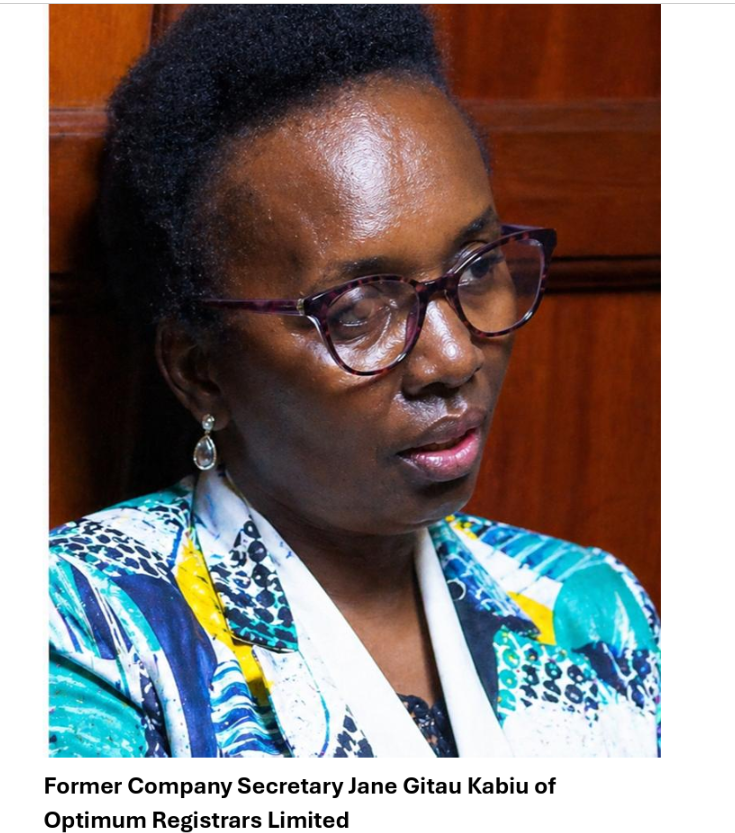
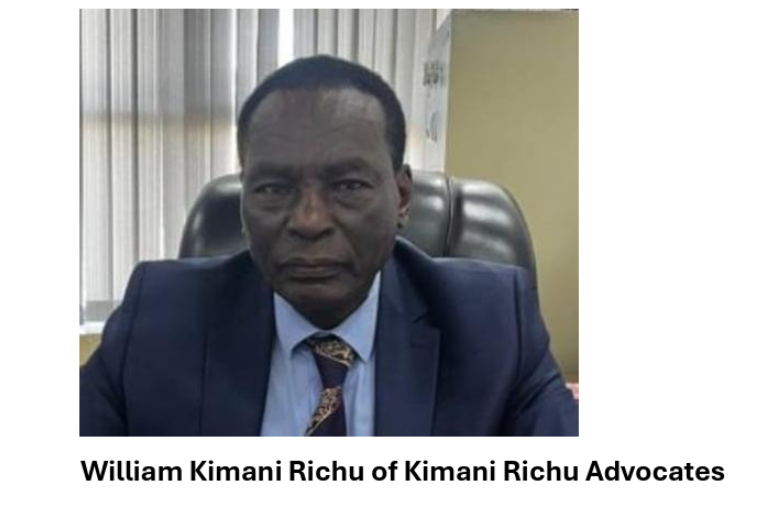
Submissions presented by petitioners, namely Kaplan and Stratton’s Peter Gachuhi, Optimum Registrar’s Jane Gitau Kabiu, lawyer William Kimani Richu, and four others, paint a true picture of an attempt to cover up a crime against the Estate of the late former Attorney General James Karugu. At first reading, the Petitioners’ submissions appear technical. They speak the language of constitutional restraint, urging that the matter be treated not as a dispute about a forged Will, but as a narrow question about prosecutorial discretion. But beneath that polished surface lies a far more telling reality. This is not a defence—it is an evasion.

The Petitioners’ central claim is deceptively simple: this is not a case about whether the Will is forged. It is, they say, merely about whether the decision to prosecute was proper. Yet everything about their position depends on the very issue they seek to exclude. The prosecution they are trying to stop arises from allegations of forgery. The investigation, by their own admission, includes forensic reports, witness statements, and documentary analysis. They acknowledge that the “dispositive issue” across proceedings is the validity of the Will. And still, they insist that the issue must not be examined here. One cannot ignore the contradiction. They rely on the existence of the forgery allegation to challenge the prosecution, while simultaneously insisting that no one should look closely at whether the allegation is true. This is not a legal discipline. It is strategic avoidance.

Their attack on parallel proceedings follows the same pattern. They argue that allowing criminal and civil processes to run concurrently risks conflicting outcomes and undermines fairness. Yet the law expressly permits such parallel processes. Indeed, the very framework they challenge was designed to ensure that civil disputes do not become a shield against criminal accountability. More revealing still is their reliance on precedent. They invoke authority to suggest that prosecutions may be halted where they are abusive, yet those same authorities affirm that criminal proceedings should proceed where there is evidence to support them.

Here, the Petitioners do not argue that there is no evidence. On the contrary, they acknowledge the existence of a full investigative file, forensic examination reports, and multiple witness accounts. It becomes difficult, then, to maintain that the prosecution is abusive. A process grounded in evidence is, by definition, the opposite of arbitrary. To label it as such without demonstrating malice or bad faith is not a legal argument—it is an assertion in search of support.

The repeated invocation of “abuse of process” only deepens the inconsistency. The suggestion is that the criminal case is being used to gain advantage in a succession dispute, that it is a weapon rather than a legitimate legal response. But these claims are not substantiated. There is no indication that investigators acted improperly, no evidence that the decision to prosecute was made without inquiry, and no demonstration of ulterior motive. What exists instead is a documented sequence: a complaint, an investigation, forensic analysis, and a decision to prosecute. To describe that sequence as abuse requires more than suspicion. It requires proof, and that proof is absent.

Perhaps the most revealing aspect of the submissions is the effort to exclude the complainant. The argument is framed as technical: the complainant’s interests are already represented, her participation would be duplicative, and her evidence would expand the scope of the proceedings. But beneath this framing lies a more substantive concern. The complainant is central to the factual matrix—her complaint triggered the investigation, her position provides context, and her materials illuminate the history surrounding the disputed Will.

To exclude such a figure is not merely to streamline proceedings. It is to narrow the field of vision. The concern, it seems, is not duplication, but disclosure. What is presented as procedural discipline reveals itself as an attempt to limit what can be seen and, more importantly, what can be tested.

Taken together, the Petitioners’ arguments follow a consistent pattern. They avoid defending the authenticity of the Will. They resist any examination of forensic evidence. They shift focus to procedural technicalities. And they seek to limit participation by those most closely connected to the facts. It is a defence built not on rebuttal, but on redirection.

One is left with an unavoidable inference: if the substance of the case were strong, it would be addressed. Instead, it is carefully sidestepped. What emerges is not merely a legal argument, but a strategy—one that seeks to transform a question of alleged forgery into a debate about process, to elevate form over substance, and to ensure that the central issue is never squarely confronted. But a process cannot exist in a vacuum. Where there is documented evidence, forensic analysis, and a structured investigative record, the legitimacy of prosecution arises from the presence of material that warrants examination. To insist that such material be ignored is not to protect fairness. It is to prevent scrutiny.

In the end, the Petitioners’ own words tell the story. They acknowledge the evidence, yet resist its examination. They invoke the law, yet rely on interpretations that do not support them. They call for restraint, yet seek to control the narrative. And most tellingly, they build an argument around avoiding the very question that gave rise to the dispute. A genuine defence confronts the facts. This one carefully walks around them. That is why one should see through the procedural smokescreen for what it is: not a shield of principle, but a barrier against truth.

0 comment
0 FacebookTwitterPinterestLinkedinTumblrWhatsappTelegramEmail
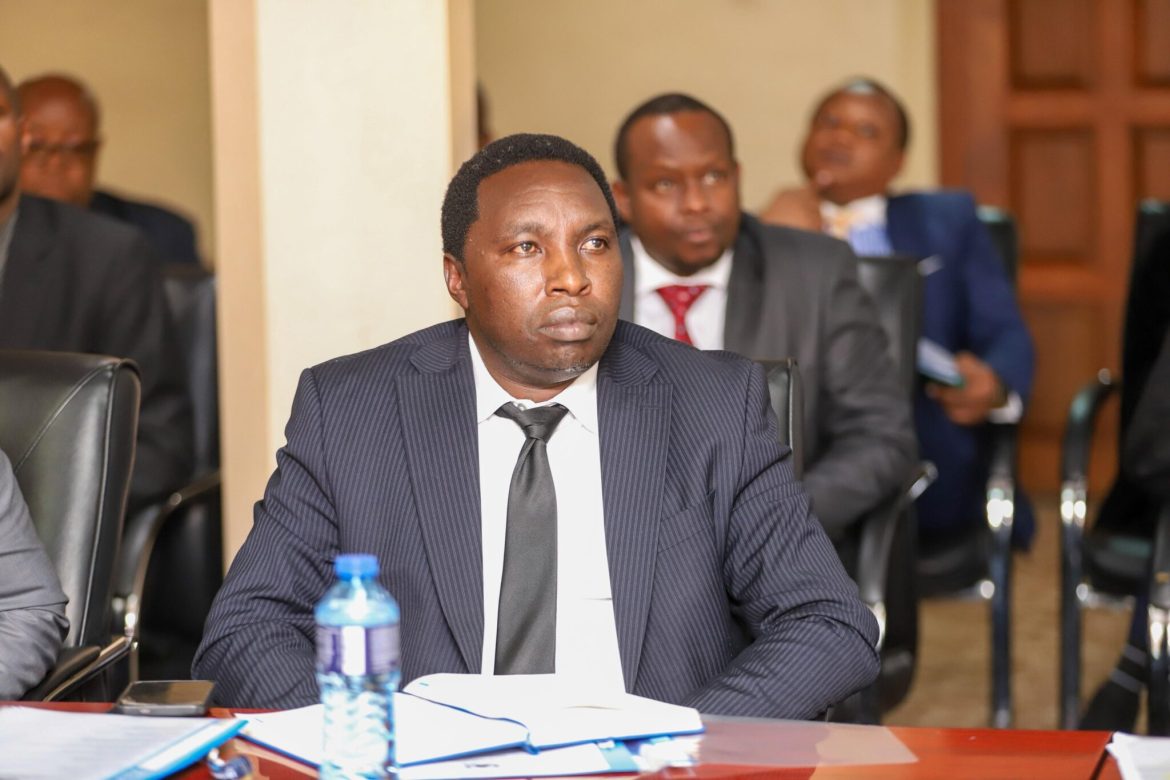
Kipkemoi Kibias, the Acting Managing Director and Chief Executive Officer of the Kenya Electricity Transmission Company Limited (KETRACO)

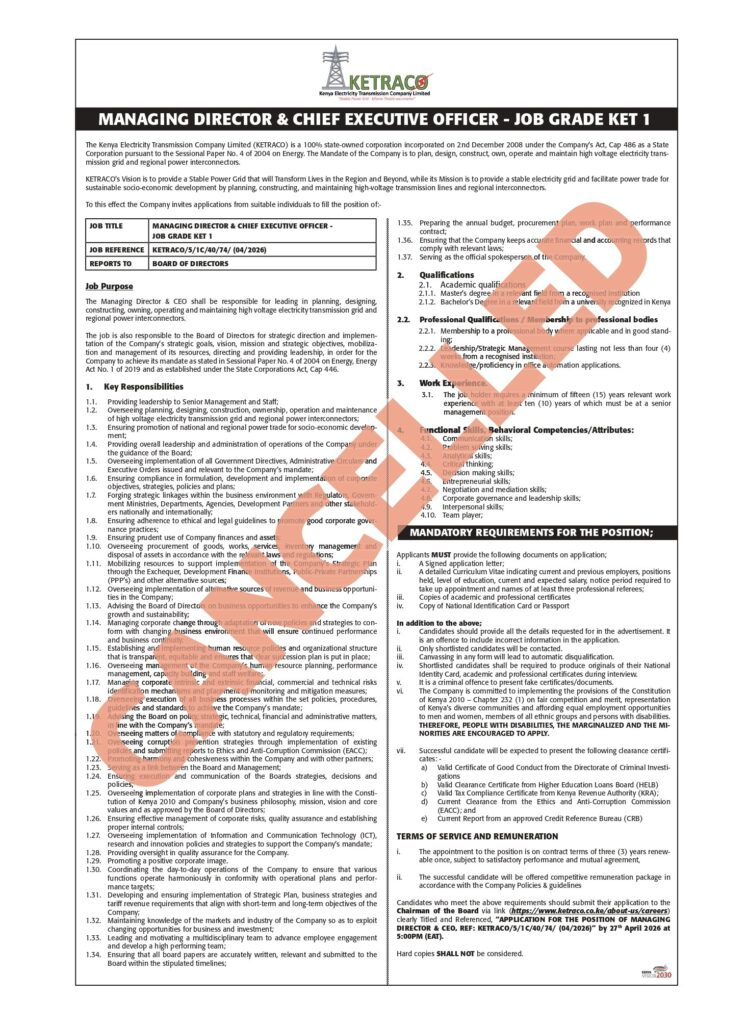
A storm is raging at the heart of Kenya’s energy sector after the Kenya Electricity Transmission Company (KETRACO) abruptly cancelled its high-stakes recruitment for a substantive Managing Director and CEO, fueling explosive claims that the process had been tailored from the outset to favour acting boss Kipkemoi Kibias.

The sudden U-turn, announced in a brief notice on April 23, 2026, came just days after a Nairobi law firm threatened court action, citing what it described as a deeply flawed and illegal recruitment process.

But while the advert is gone, the questions it has raised are only getting louder.

KETRACO Recruitment Process That Collapsed Overnight

KETRACO had advertised the top job on April 7, positioning it as a routine public sector hiring process. Less than three weeks later, the entire exercise was scrapped—without explanation.

Insiders say the board’s rapid retreat is telling.

“Boards don’t just cancel CEO recruitments overnight unless there’s a serious problem,” said an energy sector analyst familiar with the developments. “This looks less like a mistake and more like a plan that got exposed.”

At the centre of the controversy is whether the recruitment was ever genuinely open—or whether it was structured to formalise the appointment of Kipkemoi Kibias, who has been serving in an acting capacity since September 2025.

The “Rigged Criteria” Allegations

The now-cancelled advert has drawn intense scrutiny for allegedly introducing qualification requirements that go beyond what Kenyan law provides.

Legal experts point to the Government-Owned Enterprises Act 2025, which sets clear minimum qualifications for CEOs of state corporations: a relevant degree, at least 10 years’ experience, five years in senior management, and compliance with integrity standards.

However, the KETRACO advert reportedly went further—demanding a Master’s degree and introducing additional experience thresholds.

More controversially, it required candidates to present a Credit Reference Bureau (CRB) clearance, a condition not provided for in law.

Critics argue that such requirements can act as silent filters.

“In Kenya’s economic climate, CRB listings are common—even among highly qualified professionals,” said one governance expert. “Introducing that requirement is an effective way to lock out competition without naming names.”

The suspicion among insiders is that these criteria could have narrowed the field in a way that advantaged an insider candidate—namely Kipkemoi Kibias.

The 20-Day Window That Triggered Alarm

The controversy did not end with the qualifications.

The advert ran for 20 days, falling short of the 21-day minimum required under public service hiring guidelines. That single day difference has now become a critical legal fault line.

Within days, a Nairobi law firm issued a formal demand letter to KETRACO’s board, warning that the entire process was unlawful and threatening immediate court action.

The board folded almost instantly—cancelling the advert before the deadline for legal action even expired.

For many observers, that quick capitulation speaks volumes.

“If they believed the process was clean, they would have defended it,” said a Nairobi-based lawyer. “Instead, they pulled it down immediately.”

The Man at the Centre: Kibias

While no official wrongdoing has been established against Kipkemoi Kibias, his position at the centre of the controversy is unavoidable.

A long-serving KETRACO insider, Kibias rose through the ranks to become General Manager for System Operations before being appointed acting CEO following the abrupt exit of former boss John Mativo.

He has held the acting role for over seven months—a period critics say should have been sufficient for a clean and transparent recruitment process.

Instead, what emerged was a flawed advert that lasted barely two weeks before being scrapped.

That sequence of events has fueled claims that the process may have been engineered to legitimise a predetermined outcome.

A Board Under Pressure

The scandal has placed the KETRACO board, chaired by Mohamed M Abdi, under intense scrutiny.

This is not the first time the company has faced governance questions. Previous disputes over board appointments and internal management decisions have already drawn legal challenges and public criticism.

Now, the CEO recruitment saga threatens to deepen concerns about transparency, accountability, and compliance within one of Kenya’s most strategic state corporations.

KETRACO plays a central role in the country’s electricity infrastructure, managing high-value transmission projects that directly impact economic growth and energy access.

What Happens Next?

With the advert cancelled, attention now shifts to what comes next.

KETRACO is expected to re-advertise the CEO position—but under significantly increased scrutiny from legal experts, policymakers, and the public.

Any repeat of the earlier irregularities could trigger immediate court action.

Meanwhile, pressure is mounting on the Ministry of Energy and other oversight bodies to ensure the next process is fully compliant with the law and free from manipulation.

Bigger Than One Job

Beyond the immediate controversy, the scandal has reignited a broader debate about governance in state corporations.

The Government-Owned Enterprises Act 2025 was introduced to curb exactly this kind of alleged manipulation—where boards quietly shape recruitment processes to favour preferred candidates.

If the allegations around KETRACO prove accurate, critics warn it could signal that old habits persist despite new laws.

A Cloud That Won’t Lift Easily

For Kipkemoi Kibias, the stakes are particularly high.

Even if he eventually secures the substantive CEO role, the controversy surrounding this aborted recruitment could cast a long shadow over his tenure.

Because in public institutions, perception matters as much as process.

And right now, the perception is clear—and deeply troubling:

That Kenya’s most critical energy infrastructure company may have tried to stage-manage its own leadership transition.

Whether that perception proves justified will depend on what happens next.

But one thing is certain—the next move by KETRACO will not go unnoticed.

0 comment
0 FacebookTwitterPinterestLinkedinTumblrWhatsappTelegramEmail
Odibets Kenya

A looming High Court ruling could detonate one of the biggest corporate scandals in Kenya’s history, after explosive forensic evidence linked leading betting firm Odibets to the purchase and use of stolen personal data belonging to tens of millions of Kenyans.

At the heart of the case is a chilling allegation: that nearly 29.9 million Safaricom subscribers had their most sensitive personal information illegally extracted, sold, and weaponised for commercial gain, potentially fueling the rapid rise of Kenya’s booming betting industry.

A Data Breach of Unprecedented Scale

Court filings reveal that the scandal goes far beyond the previously reported 11.5 million affected users. WhatsApp forensic evidence submitted in court shows that rogue insiders accessed and exfiltrated data covering almost the entire Safaricom subscriber base between 2018 and 2019.

The stolen data reportedly included:

  • Full names and national ID details
  • M-Pesa transaction histories
  • Betting patterns and total amounts wagered
  • Phone IMEI numbers and SIM usage data
  • Precise geolocation information

In one damning message dated July 17, 2018, former Safaricom employee Simon Billy Kinuthia allegedly stated: “I have the full details of our 29.9M customers backed up somewhere.”

Investigators say this was not a threat—it was confirmation that the data had already been stolen.

Direct Link to Odibets

According to forensic reports prepared by the Directorate of Criminal Investigations and supported by internal investigations from Safaricom, Odibets is among several betting firms that allegedly received and used the stolen data.

The data was not transferred in a single batch. Instead, it was sold in segments—datasets of 50,000, 100,000, and 200,000 records—tailored to meet the needs of specific buyers.

Investigators say the transactions followed a clear commercial pattern:

  • Sample data was first shared with potential buyers
  • Prices were negotiated
  • Full datasets were delivered after confirmation of payment

Critically, Odibets entered the market in 2018—the exact period when the data theft and distribution was taking place—raising serious questions about whether its early growth was fueled by illegally obtained customer intelligence.

Inside the Alleged Operation

Witness statements and forensic timelines suggest the scheme was deeply embedded within Safaricom’s internal systems.

One implicated employee, Charles Njuguna Kimani, told investigators he was instructed during a meeting in Westlands to provide “comprehensive data” for external use. Within hours of requests, entire datasets were reportedly extracted and shared via Google Drive links.

On September 11, 2018, a request for an industry-wide dataset of 11.5 million betting subscribers was allegedly fulfilled in under five hours.

Former Safaricom ethics head Patrick Kinoti Marithi later confirmed in a sworn statement: “I established that the data could be extracted from our computer systems.”

Kareco Holdings and the Faces Behind Odibets

Odibets operates under Kareco Holdings Limited, a Nairobi-based firm with regional operations across Africa.

The company is chaired by Jimmy Kibaki, son of former President Mwai Kibaki, and has marketed itself as a homegrown success story.

Its rapid expansion—fueled by aggressive advertising, youth-focused campaigns, and deep integration with M-Pesa—helped it capture a significant share of Kenya’s betting market within a few years.

But the new allegations paint a darker picture: one of a company that may have acquired stolen personal data to identify and target vulnerable gamblers with precision.

Targeting Vulnerability?

Experts warn that the stolen datasets were far more than simple contact lists.

By combining betting histories, financial transactions, and geolocation data, companies could allegedly:

  • Identify high-spending gamblers
  • Track behavioral patterns
  • Target financially vulnerable individuals

Critics argue this effectively turned personal data into a “psychological targeting tool”, allowing betting firms to maximise profits from addiction.

Kenya already ranks among Africa’s most gambling-active nations, with billions wagered annually and rising cases of addiction—particularly among young, unemployed men.

Legal and Criminal Exposure

The implications for Odibets could be severe.

Under the Data Protection Act, companies found to have used illegally obtained data face:

  • Fines of up to Sh5 million or 1% of annual turnover
  • Compensation claims from affected individuals
  • Potential criminal prosecution of directors

Additional liability may arise under the Computer Misuse and Cybercrimes Act, which criminalises the use of data obtained through unauthorised access.

Regulators, including the Office of the Data Protection Commissioner and the Gambling Regulatory Authority of Kenya, also have powers to impose sanctions, suspend licences, or shut down operations entirely.

The Shocking Court Case

The upcoming ruling stems from a constitutional petition filed by lawyer Augustine Onalo on behalf of 11.5 million affected subscribers, seeking Sh1.5 million per person in damages from Safaricom.

If successful, the case could expose the telecom giant to a staggering Sh17.25 trillion liability—one of the largest potential payouts in global legal history.

While Safaricom is the primary respondent, the inclusion of forensic evidence naming Odibets shifts the spotlight squarely onto the betting industry.

Silence and Mounting Pressure

Despite the gravity of the allegations, Odibets has not publicly responded to questions regarding its alleged involvement in the data scandal.

Regulatory bodies and investigators have also remained largely silent, raising concerns about whether enforcement agencies will act if the court validates the evidence.

A Defining Moment

As the High Court prepares to deliver its judgment, the stakes could not be higher.

If the forensic evidence is upheld, the case could:

  • Trigger criminal investigations into betting firms
  • Reshape Kenya’s data protection enforcement
  • Redefine accountability in the digital economy

For millions of Kenyans whose personal data may have been exposed, the case represents more than a legal battle—it is a test of whether corporations can exploit private information without consequence.

And for Odibets, the question now echoing across the country is simple but explosive:

Was its rise built on innovation—or on stolen data?

0 comment
0 FacebookTwitterPinterestLinkedinTumblrWhatsappTelegramEmail
Businessman Yagnesh Devani and his lawyer Hillary Kiplagat the Milimani Law Courts Nairobi on Monday, February 12, 2024. DENNIS ONSONGO| NATION

The return of controversial businessman Yagnesh Mohanlal Devani to Kenya’s courts has ignited a storm of public outrage, with many questioning whether his latest legal move is a pursuit of justice—or a bold attempt to reclaim what was lost in one of the country’s most infamous corporate scandals.

Devani, the principal shareholder of the collapsed Triton Petroleum Company Limited, has filed an urgent petition before the High Court’s Commercial and Tax Division seeking a full account of the company’s 17-year receivership. The petition targets key institutions, including Kenya Commercial Bank, the Trade and Development Bank, and the Central Bank of Kenya, alongside appointed receiver managers.

At the heart of the petition is a demand for transparency. Devani claims that since Triton was placed under receivership in December 2008, neither he nor other shareholders have received adequate updates on the status of assets, loan balances, or the disposal of company property. He is now pushing for a forensic audit, an independent inquiry into alleged misconduct, and compensation for losses incurred during the prolonged insolvency process.

But critics say the move reeks of audacity.

A Scandal That Shook the Nation

The Triton saga remains one of Kenya’s largest financial scandals. Investigations revealed that between 2007 and 2008, the company irregularly accessed over 126 million litres of petroleum products—valued at approximately Sh7.6 billion—from storage facilities managed by the Kenya Pipeline Company.

The fuel, which had been financed by major banks and international traders as collateral, was allegedly withdrawn and sold without proper authorization. The fallout left financial institutions exposed to massive losses, disrupted the country’s fuel supply chain, and triggered widespread shortages.

At the time, banks, including Kenya Commercial Bank, discovered that millions of litres they believed were safely stored simply did not exist. The scandal sent shockwaves across the energy sector, raising serious questions about governance, oversight, and corruption within key state institutions.

From Fugitive to Petitioner

As investigations intensified in 2009, Devani left the country and remained in the United Kingdom for over a decade, fighting extradition through the British legal system. He was eventually returned to Kenya in January 2024 after exhausting all appeals.

His return was widely seen as a turning point—an opportunity for accountability after years of legal delays. However, that expectation was short-lived.

In a dramatic twist, criminal charges against Devani were withdrawn in October 2024 after prosecutors cited lack of key witnesses, including the death of some and the unwillingness of others to testify. The decision drew sharp criticism and renewed concerns about the integrity of high-profile prosecutions in Kenya.

Now, less than two years later, Devani is back in court—but not as a defendant.

A Controversial Legal Gamble

In his latest filing, Devani argues that the receivership process has been opaque and potentially mismanaged. He claims that valuable assets—including prime real estate and a network of fuel stations—were disposed of without proper disclosure or accountability.

The court has certified the matter as urgent and directed the respondents to file their responses within seven days, with further directions expected on April 29.

Legal experts acknowledge that, in principle, receivers are obligated to account for assets under their control. However, many say the broader context cannot be ignored.

“This is not an ordinary commercial dispute,” said one Nairobi-based analyst. “It involves a figure at the center of a scandal that cost the country billions. The optics alone make this deeply controversial.”

Public Fury and Unanswered Questions

For many Kenyans, the petition has reopened old wounds.

The Triton scandal’s impact extended far beyond boardrooms. Fuel shortages at the time disrupted transport, increased the cost of living, and threatened power generation, with ripple effects across the economy. Ordinary citizens bore the brunt of a crisis they had no role in creating.

Today, key questions remain unresolved: What ultimately happened to the missing fuel? Were all beneficiaries of the scheme held accountable? And how did a case of such magnitude collapse without a single conviction?

Devani’s petition, while framed as a call for transparency, is being viewed by critics as part of a broader strategy to regain control over assets tied to the scandal.

What Happens Next

The High Court now faces a delicate balancing act—determining whether legitimate concerns about receivership oversight exist, while navigating the complex history of the Triton collapse.

As proceedings unfold, one thing is certain: the case will be closely watched, not just for its legal implications, but for what it reveals about accountability, justice, and the limits of Kenya’s financial and judicial systems.

For a country still grappling with the legacy of the scandal, Devani’s return to court is more than a legal development—it is a test of whether the past can truly be reconciled, or whether it continues to cast a long, unresolved shadow.

0 comment
0 FacebookTwitterPinterestLinkedinTumblrWhatsappTelegramEmail
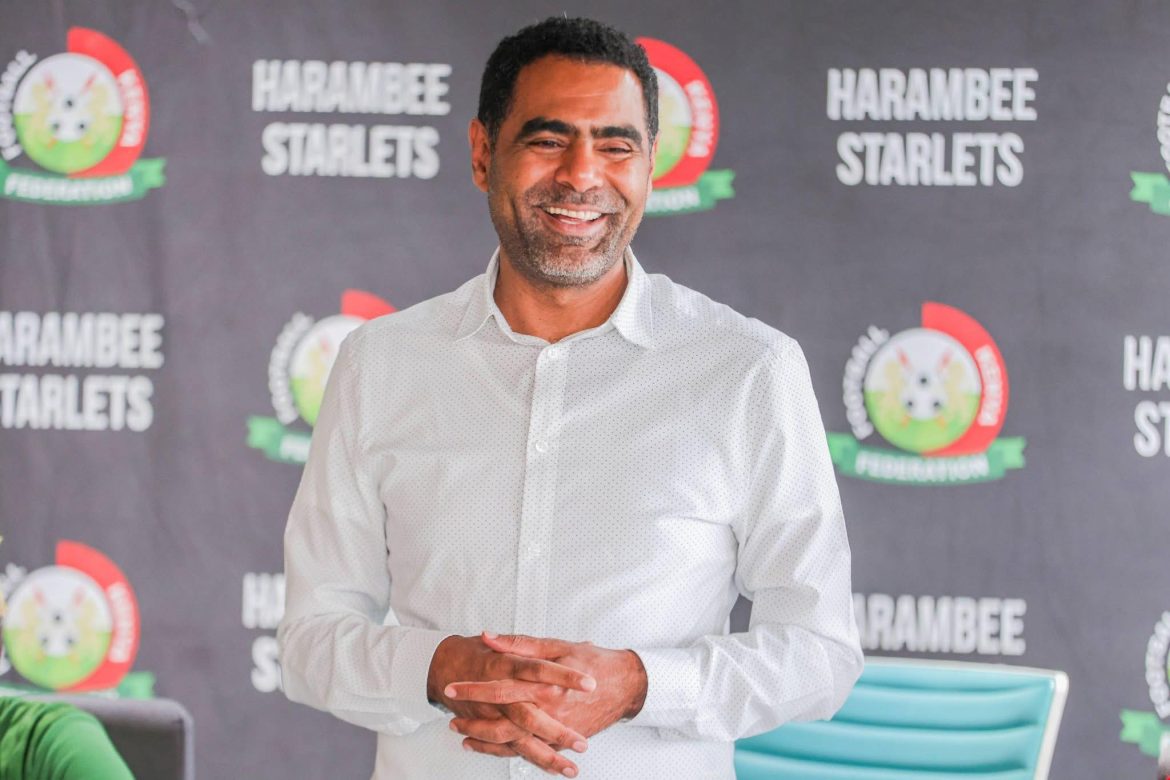
FKF President Hussein Mohammed during a past event

The Football Kenya Federation (FKF) is facing one of its most serious integrity crises in recent years following explosive allegations of a KSh 200 million insurance procurement scandal linked to the 2024 African Nations Championship (CHAN).

At the centre of the storm is FKF President Hussein Mohamed, who is now under mounting pressure from stakeholders and whistleblowers to step aside to allow for independent investigations into the matter.

Questions Over Multi-Million Insurance Deal

According to claims raised by whistleblower Ustadh Okello Kimathi, the federation allegedly routed a high-value insurance cover for CHAN 2024 through Riskwell Insurance Brokers Limited—an entity reportedly incorporated just weeks before the transaction.

The firm is said to have received approximately USD 328,735 (about KSh 42.7 million) in brokerage fees, despite concerns that it lacked licensing from the Insurance Regulatory Authority and was not listed under the Association of Insurance Brokers of Kenya at the time.

The most critical question now being raised is whether a valid insurance cover was ever secured for the tournament.

If confirmed, experts warn that the implications could be severe, potentially exposing players, officials, and fans to risk during the continental event.

EACC Drawn Into the Matter

The whistleblower has reportedly submitted documentation to the Ethics and Anti-Corruption Commission (EACC), calling for a forensic investigation into the procurement process and financial flows.

While the anti-graft agency has yet to publicly confirm the status of the probe, pressure is growing for swift action to establish the facts and determine accountability.

AFCON 2027 Preparations Cast in Doubt

The unfolding controversy comes at a sensitive time as Kenya prepares to co-host the 2027 Africa Cup of Nations under the Confederation of African Football.

Observers warn that any credibility concerns surrounding FKF could undermine investor confidence, sponsorship deals, and overall preparations for the high-profile tournament.

Calls for Hussein Mohamed to Step Aside

In light of the allegations, calls are intensifying for Hussein Mohamed to temporarily step aside to allow independent investigations to proceed without interference.

Advocates argue that such a move would:

  • Protect the integrity of ongoing inquiries
  • Restore public confidence in FKF
  • Demonstrate accountability in leadership

So far, the FKF leadership has not issued a detailed public response addressing the specific claims.

What Next for FKF?

The FKF National Executive Council is now under pressure to convene and address the matter, as scrutiny continues to mount from fans, stakeholders, and oversight bodies.

The coming days are expected to be critical in determining:

  • Whether formal investigations will be launched or escalated
  • The response from FKF leadership
  • The potential impact on Kenya’s football governance

As investigations loom, the focus will be on whether institutions such as the Ethics and Anti-Corruption Commission will act decisively—and whether FKF can weather the storm without long-term damage to its credibility.

For now, the spotlight remains firmly on Hussein Mohamed as pressure builds for answers in a scandal that could have far-reaching consequences for Kenyan football.

0 comment
0 FacebookTwitterPinterestLinkedinTumblrWhatsappTelegramEmail
Kwale County Assembly Clerk Fatuma Hassan Mwalupa

The Kwale County Assembly is at the centre of a storm following explosive allegations linking Clerk Fatuma Hassan Mwalupa to a sprawling procurement network accused of siphoning millions of shillings from public coffers.

Whistleblowers, audit reports, and insider accounts now paint a picture of an institution gripped by systemic irregularities, where oversight appears weak and accountability elusive.

Allegations of a Shadow Procurement Network

Multiple sources who spoke on condition of anonymity claim that Mwalupa wields extraordinary control over procurement processes at the assembly, allegedly operating through proxy companies to inflate contract values and facilitate kickbacks.

According to the claims, funds are fragmented across numerous accounts in what insiders describe as a deliberate attempt to evade detection. While these specific allegations remain unverified independently, they have intensified calls for urgent investigations.

Efforts to reach Mwalupa for comment were unsuccessful by the time of publication.

The KSh 624 Million Assembly Building Controversy

At the heart of the scandal is the controversial construction of the Kwale County Assembly headquarters in Matuga.

Originally budgeted at KSh 508 million, the project ballooned to KSh 624 million after contractor changes—an increase of KSh 116 million flagged by the Office of the Auditor-General Kenya.

Auditors further revealed that by 2022, at least KSh 155 million had already been paid out despite minimal progress on the ground before the contractor exited the site.

When the building was eventually inaugurated in 2024, Speaker Seth Mwatela Kamanza praised it as a milestone of devolution—but questions over cost escalation and procurement integrity remain unresolved.

Damning Audit Findings

Reports by the Office of the Auditor-General Kenya outline a pattern of financial and administrative breaches within the assembly:

  • Staffing levels exceeding legal limits, with over 280 workers against a cap of 100
  • Millions spent on unsupported conference expenses, including KSh 15.9 million with no documentation
  • Employees subjected to irregular salary deductions beyond legal thresholds
  • Several staff reportedly going unpaid for extended periods
  • A dysfunctional vehicle fleet, with only two out of six operational while additional funds were spent on rentals

As the accounting officer, Mwalupa bears institutional responsibility for these lapses.

EACC Investigations and Lingering Questions

The Ethics and Anti-Corruption Commission (EACC) is reported to have questioned Mwalupa over alleged financial misconduct. However, no formal charges or conclusive outcomes have been made public.

This has fueled frustration among civil society groups and residents, who argue that repeated audits and investigations have failed to translate into accountability.

Kwale County has previously ranked among regions with high incidences of bribery, according to national surveys, raising broader concerns about governance within county institutions.

A Wider Web of Alleged Irregularities

The controversy extends beyond the assembly. Separate allegations have linked senior county officials, including Finance Chief Officer Alex Thomas Onduko and CECM Francisca Kilonzo, to procurement dealings involving hundreds of millions of shillings through companies reportedly tied to family members.

While these claims remain under scrutiny and require independent verification, they add to a growing perception of entrenched patronage networks within the county.

A History of Unresolved Scandals

Kwale’s governance challenges are not new. Past anti-corruption crackdowns by the Ethics and Anti-Corruption Commission have led to arrests and court cases involving county officials—but many have dragged on for years without resolution.

A previous clerk, Hamisi Bweni Dzila, was embroiled in a legal battle after resisting questionable payments, highlighting long-standing tensions within the assembly over financial oversight.

Growing Pressure for Accountability

The latest revelations have triggered calls for urgent action:

  • Civil society groups are demanding forensic audits and asset tracing
  • Pressure is mounting on the EACC to fast-track investigations
  • Internal efforts are reportedly underway to push for accountability measures within the assembly

Analysts warn that failure to act decisively could further erode public trust in devolved governance structures.

The unfolding situation in Kwale County raises deeper questions about accountability, procurement integrity, and the effectiveness of oversight institutions in Kenya’s devolved system.

While the allegations against Fatuma Hassan Mwalupa remain unproven, the volume and consistency of audit queries and whistleblower claims have placed the assembly under intense public scrutiny.

As investigations continue, attention now turns to whether authorities will act decisively—or whether, as critics argue, the cycle of scandal without consequence will persist.

0 comment
0 FacebookTwitterPinterestLinkedinTumblrWhatsappTelegramEmail

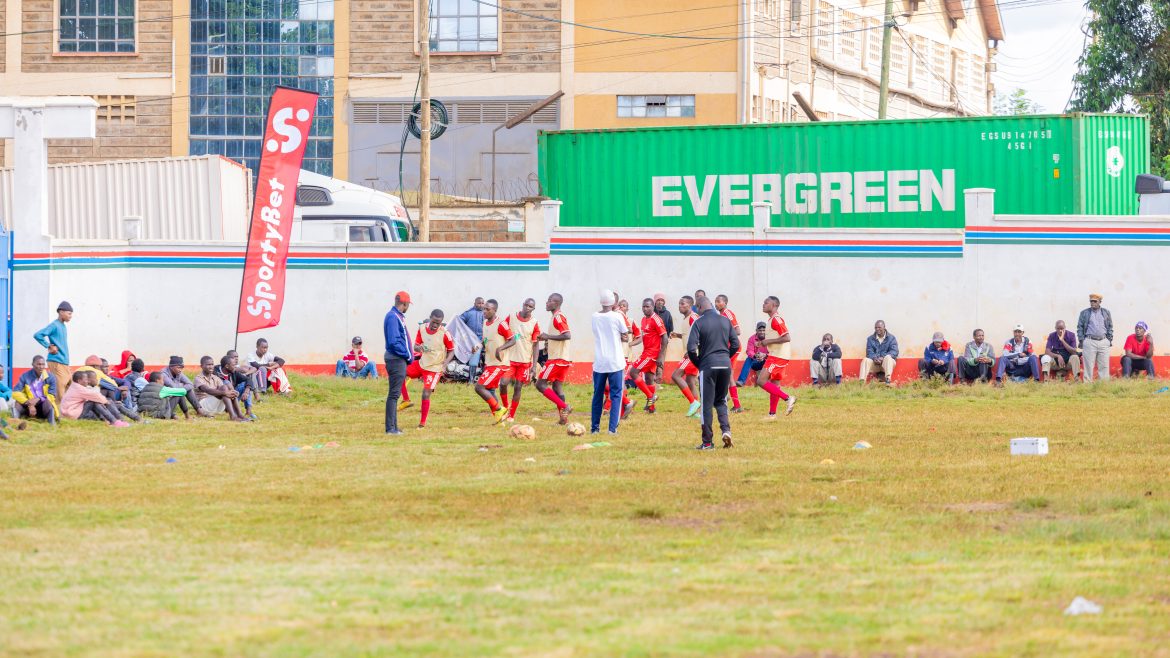
Gikuni United FC, roared on by a packed home crowd at Kirangari Polytechnic, edged Nairobi Prisons FC 1–0 in a tense FKF National Division II Metropolis League encounter played on Sunday, April 19, 2026. The result handed “GU” all three points and underlined their growing reputation as a stubborn home side in the ongoing Division Two campaign.

The match, part of the second leg fixtures in the FKF National Division II Metropolis League, was staged under the banner of incoming Kabete MP Hon. James Wanjohi, whose broader youth empowerment agenda has heavily leaned on grassroots football.

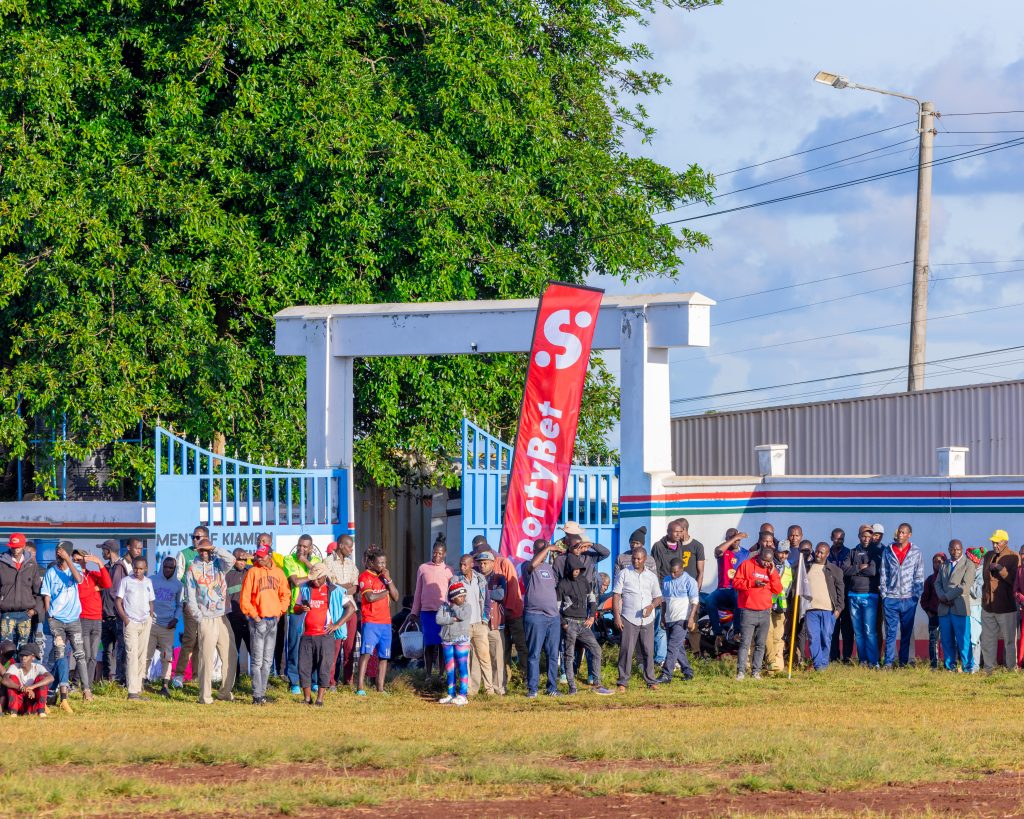
His sponsorship helped turn the Kirangari grounds into a full-blown community event, with SportyBet-branded visibility around the pitch and fans ringing the touchlines well before kick-off.

From the first whistle, the tempo reflected what was at stake for both sides. The home team, kitted in their bright yellow colours and backed by chants of “Ogopa GU,” pressed high and looked to impose themselves physically in midfield. Nairobi Prisons FC, in red, responded with a compact shape and quick transitions, trying to catch GU on the counter whenever possession turned over.

The decisive moment arrived in the second half when Gikuni United finally broke through, sending the home crowd into wild celebrations that spilled beyond the technical area. Video and images from the day captured fans sprinting along the touchline and congregating near the corner flags as the players wheeled away in celebration, a snapshot of what local football means to the Kirangari and Gikuni communities.

“The game was challenging after we lost a penalty but we were able to put up a fight and get a good result,” Captain Gikuni commented.

Nairobi Prisons FC, who compete in the FKF football structure and are distinct from the Nairobi Prisons volleyball side that recently featured against GSU in the national volleyball league, pushed hard for an equaliser in the closing stages. They forced GU into several last-ditch clearances but were ultimately denied by disciplined defending and resolute game management from the hosts.

At full time, the scoreboard read Gikuni United FC 1–0 Nairobi Prisons FC, a narrow margin that felt bigger given the stakes and the electric atmosphere at Kirangari Polytechnic. For “GU,” the win keeps their Division II Metropolis League ambitions firmly on track and reinforces Kirangari as a difficult away trip for visiting sides; for Nairobi Prisons, it is a reminder of how unforgiving the league can be, even for established institutional teams.

“I give all credit to the boys, its an important win for us, our boys are talented and they deserve the win after bouncing back through impact from our substitutions” Gikuni Coach.

Beyond the result, the day doubled as a statement about community football’s power in Kabete. Hon. James Wanjohi’s involvement, coupled with the visible presence of organised supporters and local youth lining the touchline, underlined how fixtures like Gikuni United vs Nairobi Prisons are becoming key platforms for both sporting development and social cohesion in the area.

0 comment
0 FacebookTwitterPinterestLinkedinTumblrWhatsappTelegramEmail
Energy PS Alex Wachira takes oath when he appeared before the National Assembly Public Accounts Committee (PAC)

Energy Principal Secretary Alex Wachira is facing mounting pressure after Members of Parliament exposed what they described as “ghost electrification projects” during a heated session of the National Assembly Public Accounts Committee (PAC).

The explosive revelations have raised fresh concerns over the credibility of the government’s rural electrification programme, even as political temperatures begin to rise ahead of the 2027 General Election.

MPs Lift Lid on “Launch Now, Disappear Later” Projects

Lawmakers from across the political divide accused the Energy Ministry of presiding over a pattern where electricity projects are launched with fanfare—but never implemented.

Nabii Nabwera, the Lugari MP, directly confronted the PS, alleging that equipment from state agencies is deployed ahead of high-profile visits—only to disappear shortly after.

“You even came to my constituency and launched a ghost project… it has never taken off,” Nabwera told the committee.

Similar concerns were raised by:

  • Mary Emase (Teso South MP), who cited stalled projects in Busia, Vihiga, and Siaya
  • Joseph Namuar (Turkana Central MP), who claimed no meaningful electrification progress in his region
  • Wilberforce Oundo (Funyula MP), who pointed to projects launched but never executed

The accusations paint a troubling picture of projects that exist on paper and during launch events—but not in reality.

Auditor General Flags Billions in Irregularities

The parliamentary outrage is backed by findings from Nancy Gathungu, whose reports have repeatedly flagged delays, stalled works, and questionable expenditures in rural electrification projects.

Key audit concerns include:

  • Projects worth billions stalled years after commencement
  • Significant portions of contracted work left incomplete despite expired timelines
  • Procurement irregularities and missing documentation
  • Unreconciled financial variances running into billions

In one instance, millions of shillings spent on energy-saving equipment could not be fully accounted for, raising further questions about oversight and accountability.

Funding Crisis and Project Delays

Appearing before MPs, Alex Wachira acknowledged funding constraints, revealing that the ministry had exhausted its 2025/2026 budget halfway through the financial year.

He attributed delays to:

  • Budget shortfalls
  • Procurement challenges
  • Contractor inefficiencies

The PS assured lawmakers that payments had since been made and that implementation would accelerate.

However, MPs remained unconvinced, noting that similar assurances have been given repeatedly with little change on the ground.

Political Fallout Ahead of 2027

What makes the controversy more significant is that many of the critics are government-allied MPs, raising concerns within the ruling coalition itself.

Analysts say the issue could have serious political consequences:

  • MPs fear backlash from voters over undelivered projects
  • Electrification is a key campaign promise tied to development
  • Failure to deliver could weaken support ahead of 2027

Nabii Nabwera warned that the situation risks undermining leaders seeking re-election if constituents continue to experience “projects without results.”

Wachira Defends Record

Despite the criticism, Alex Wachira defended his record, citing increased electricity connectivity nationwide.

He told the committee that:

  • Connections have risen significantly since 2022
  • Contractors have been placed under strict performance timelines
  • Non-performing contractors risk contract termination

However, MPs insisted that aggregate statistics do not reflect the lived reality in many constituencies, where residents still lack access to electricity despite official project launches.

Growing Demand for Accountability

The unfolding revelations have intensified calls for:

  • A project-by-project audit of electrification programmes
  • Greater transparency in procurement processes
  • Stronger parliamentary oversight of public funds

Observers say the controversy highlights a broader governance challenge—the gap between announced development and actual delivery.

As Kenya edges closer to the next election cycle, the debate over “ghost projects” is likely to remain a key political issue.

For many Kenyans in affected regions, the concern is simple:
projects should not just be launched—they should be completed.

Whether the pressure on Alex Wachira will translate into tangible action remains to be seen, but one thing is clear—the spotlight is firmly on the Energy Ministry.

0 comment
0 FacebookTwitterPinterestLinkedinTumblrWhatsappTelegramEmail

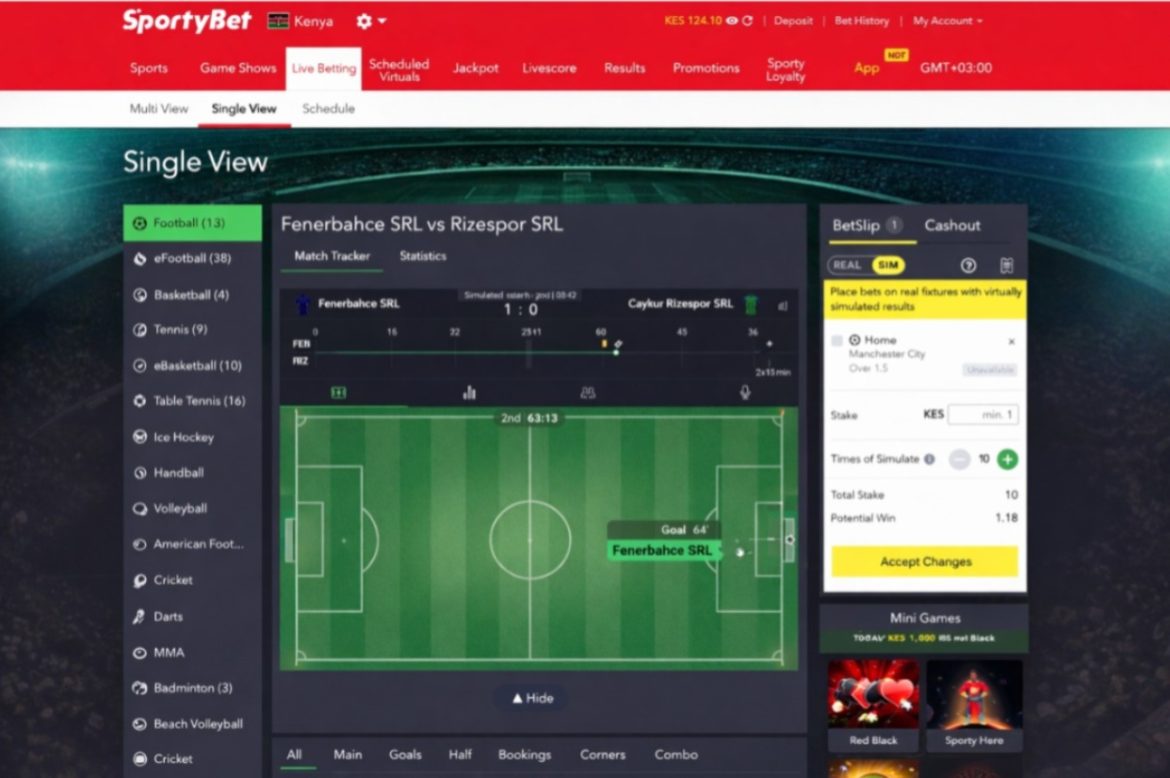
Live betting has changed how Kenyan football fans interact with the game. Instead of placing your bet before kickoff and waiting 90 minutes, in-play betting lets you react to what is actually happening on the pitch — a red card, a substitution, a momentum shift— and bet accordingly.

This guide walks you through everything you need to know about live betting on football in Kenya: how it works, what markets are available, strategies that work in practice, and how to use platform features like early payouts and live streaming to make sharper decisions.

What Is Live Betting and Why Is It Different?

Live betting (also called in-play betting) allows you to place wagers on a football match while it is being played. Odds change in real-time based on what is happening in the

game — goals, corners, cards, possession shifts, and substitutions.

The difference from pre-match betting is significant:

  Feature  Pre-Match Betting  Live Betting
  When you bet  Before kickoff  During the match
  Odds movement  Fixed until kickoff  Constantly changing
  Information available  Team form, lineups  Real-time match action
  Decision speed  Can take your time  Quick decisions required
  Markets available  Standard markets  Expanded in-play markets

For Kenyan bettors who follow the English Premier League, LA LIGA, Serie A, and local Kenyan Premier League matches closely, live betting rewards football knowledge more than any other form of betting.

Live Betting Markets Available in Kenya

When you open a live match on a platform like SportyBet, you will see more markets than pre-match. The most popular live betting markets among Kenyan punters include:

Match Result (1X2)

The simplest in-play bet. You predict the final result — home win, draw, or away win.

Odds shift dramatically after goals. A strong favourite at 1.30 pre-match can drift to 3.50 if they concede early, creating value for bettors who believe the favourite will come back.

Next Goal

Instead of predicting the final score, you bet on which team scores the next goal. This market is popular because it resets after every goal, giving you multiple betting opportunities within a single match.

Over/Under Goals (Running Total)

If a match is goalless at half-time but both teams are pressing, the over 1.5 goals market might still offer reasonable odds. Experienced live bettors watch the match flow and bet on goals coming when pressure is building.

Both Teams to Score (BTTS)

If one team has already scored and the other is attacking aggressively, BTTS “Yes” can offer good value depending on the remaining time and match tempo.

Corners and Cards

Advanced live bettors target corner and card markets. A match with high pressing and wing play often produces more corners. A referee who shows early yellow cards tends to continue that pattern.

How to Live Bet on Football: Step by Step on SportyBet

Here is how to place a live bet on SportyBet Kenya:

  1. Open the SportyBet app or website — The lite app is designed specifically for fast live betting. It loads quickly even on slower connections, which matters when odds are moving fast.
  2. Tap “Live” on the navigation bar — This filters all currently active matches. You will see live scores, match time, and available markets.
  3. Select your match — Tap on any live match to see all available in-play markets. SportyBet typically offers 50+ markets on major football matches during live play.
  4. Choose your market and selection — Tap on the odds you want. The selection gets added to your bet slip. Note: live odds can change between the moment you tap and the moment your bet is confirmed. The platform will notify you if odds have shifted.
  5. Enter your stake and confirm — Review your bet slip, enter your amount, and confirm. The bet is placed instantly.
  6. Watch the match via live streaming — SportyBet offers in-app live streaming for selected matches. This is a significant advantage because you are watching the same action that drives the odds, rather than relying on text updates or delayed streams from other apps.

Live Betting Strategies That Work for Kenyan Football Bettors

Not every live bet needs to be a gut reaction. Here are strategies used by experienced in-play bettors:

1. The Favourite Comeback Play

When a strong favourite concedes early (within the first 15 minutes), their odds to win

the match increase significantly. If you believe the favourite has the quality to come back

— check their possession, shots on target, and whether they are creating chances — this is often a high-value live bet.

Example: Arsenal trailing 0-1 at home in the 12th minute. Pre-match odds were 1.45 to win. Live odds drift to 2.80. If Arsenal are dominating possession and creating chances, this represents better value than the original pre-match price.

2.   The Over Goals After a Slow Start

Matches between attacking teams that start 0-0 at half-time often see a burst of goals in the second half. Managers make tactical changes, players push harder, and the game opens up.

When to use: Both teams have had shots on target in the first half. The match tempo is high. Look for over 1.5 or over 2.5 total goals at improved odds.

3.   Back the Team That Just Conceded (Momentum Shift)

This is counterintuitive, but teams that concede often push forward aggressively in the 5-10 minutes after a goal. If the trailing team is strong, the “next goal” market for that team can offer good odds immediately after they concede.

4.   Red Card Reaction Betting

When a team receives a red card, odds shift dramatically. But football with 10 men does not always mean defeat. Some teams reorganise well. The immediate overreaction in odds can create value.

Tip: Wait 5-10 minutes after the red card. If the 10-man team stabilises, the draw or “under goals” market can offer value that was not available in the first emotional odds shift.

5.   Use 1UP and 2UP Early Payouts to Reduce Risk

This is where SportyBet offers something competitors in Kenya do not.

1UP: If you back a team on the Match Result market using the 1UP option, your bet is settled as a winner the moment your team takes a one-goal lead (1-0, 2-1, 3-2, etc.).

Even if the team goes on to draw or lose, your bet has already been paid out.

2UP: Similar principle, but triggered when your team goes two goals ahead.

Why this matters for live betting: If you place a pre-match bet with 1UP and then monitor the match live, you can lock in profit early while using live betting to place additional in-play wagers. This creates a layered approach where your pre-match position is protected while you actively trade the live markets.

How Live Streaming Gives You an Edge

One of the biggest mistakes in live betting is betting blind — using only text commentary or scoreboard updates. You miss the context. SportyBet’s in-app live streaming lets you watch selected matches directly within the app. This means you can:
 See whether a team is genuinely threatening or just holding possession in non-dangerous areasSpot tactical changes (formation switches, attacking substitutions) before they impact the scorelineJudge match tempo and energy levels, which text updates cannot conveyMake informed next-goal and over/under decisions based on what you are actually watching
No amount of statistics replaces watching the game. For live betting, the stream is your best tool.   Tips for Live Betting Live betting moves fast, and it is easy to get carried away. A few ground rules:
Set a session budget. Decide how much you will use for live betting that day and do not exceed it.Do not chase. If your first live bet loses, do not immediately double down. The next market opportunity will come.Bet selectively. You do not need to bet on every match or every market. Wait for situations where you have a genuine edge based on what you are watching.Use smaller stakes for live bets. Because live betting involves faster decisions and more uncertainty, most experienced bettors use smaller individual stakes than they would for pre-match bets. 

Why SportyBet Is Built for Live Betting

SportyBet Kenya has positioned its platform around speed and live experience:      

  • Lite app that loads quickly on any Android or iOS device, even on 3G networks
  • Live streaming directly in the app — no need to switch between apps to watch and bet
  • 1UP and 2UP early payout options that protect pre-match bets while you trade live
  • Instant M-Pesa deposits so you can fund your account mid-session without delays
  • 135% Super Bonus on multi bets, which can include live selections
  • Live Odds Boost on selected in-play markets for improved potential returns                                                                                                                                    

As the Official Betting Partner of LALIGA in Africa, SportyBet also offers enhanced coverage and markets for Spanish football — one of the most popular leagues for live betting due to its attacking style of play.

Getting Started

If you have not tried live betting yet:

  1. Download the SportyBet lite app or visit sportybet.com/ke
  2. Register and deposit via M-Pesa (minimum KSh 50)
  3. Open a live match and observe the odds movement for a few minutes before placing your first bet
  4. Start with a single match, a single market, and a small stake

Live betting rewards patience, attention, and football knowledge. The more you watch, the better you get.

SportyBet Kenya is operated by Dreamhub Technology Limited and is licensed by the Betting Control and Licensing Board (BCLB) of Kenya. You must be 18+ to bet. Gamble responsibly.

0 comment
0 FacebookTwitterPinterestLinkedinTumblrWhatsappTelegramEmail
Crime Scene tape

A fresh wave of concern has gripped human rights circles after a 25-year-old man was found dead inside a police cell at Malindi Police Station under unclear circumstances.

According to a police report, Lucky Odhiambo Okoth was discovered unresponsive in his cell on the morning of Friday, April 17, 2026.

Authorities claim he was found hanging using an improvised rope made from pieces of clothing.

Questions Over Isolation

What has raised eyebrows, however, is the detail that the deceased was being held alone in a cell, despite there being 21 other detainees at the station at the time.

The circumstances surrounding his isolation—and how the incident occurred without detection—have sparked serious questions about custody procedures and supervision within the facility.

Observers are now asking:

  • Why was he separated from other detainees?
  • Were proper monitoring protocols followed?
  • How did the situation go unnoticed?

Human Rights Groups Step In

The case has attracted the attention of civil society organizations, including VOCAL Africa, which has launched follow-up efforts into the incident.

The group’s Executive Director, Hussein Khalid, confirmed that they are working alongside the Malindi Community Human Rights Centre and activist Victor Kaudo to establish the full circumstances surrounding the death.

Human rights defenders say the case adds to a growing list of deaths reported in police custody, many of which remain unresolved or contested.

“Another death in police custody! According to police reports, 25 years old Lucky Odhiambo Okoth was found dangling on an improvised rope made from pieces of clothes inside a cell at Malindi Police Station in the morning of Friday 17th April 2025. The report says there were 21 other prisoners at the station but that Lucky was in one cell alone! @VOCALAfrica_is following up the matter with its Malindi partner Malindi Community Human Rights Centre and @KaudoVictor,” Hussein Khalid wrote on X.

Growing Concern Over Custodial Deaths

The incident has reignited debate over accountability and safety within police detention facilities across the country.

Custodial deaths often trigger:

  • Public outrage
  • Calls for independent investigations
  • Demands for reforms in detention practices

While police reports may provide initial accounts, rights groups frequently push for transparent, independent probes to verify findings and rule out foul play or negligence.

As pressure mounts, activists are urging authorities to:

  • Conduct a thorough and impartial investigation
  • Release full details of the incident
  • Hold any responsible parties accountable

For now, the death of Lucky Odhiambo Okoth remains shrouded in mystery, with more questions than answers.

0 comment
0 FacebookTwitterPinterestLinkedinTumblrWhatsappTelegramEmail
David Mbogo Muthee of NYS

The Ethics and Anti-Corruption Commission (EACC) has intensified investigations into a multi-billion shilling corruption scandal at the National Youth Service (NYS) following a dramatic search operation at a hotel in Embu Town.

In a statement released on Friday, April 17, 2026, the anti-graft agency confirmed that it had conducted a court-sanctioned raid at Mavvel Hotel targeting David Mbogo Muthee, the Head of Procurement at the NYS Training School in Gilgil, and his associate Naftali Kiperu.

The early morning operation, carried out under a lawful court order, forms part of ongoing investigations into alleged corruption and economic crimes within NYS, one of Kenya’s most scrutinized public institutions.

According to EACC, detectives recovered key evidentiary materials during the search, which are expected to play a crucial role in unraveling what is suspected to be a complex web of procurement-related fraud.

While details of the seized materials remain undisclosed, insiders say the operation marks a significant breakthrough in the probe.

Sh2 Billion Under Investigation

At the heart of the investigations are allegations that senior NYS officials engaged in conflict of interest and abuse of office, trading with the institution through private companies.

The suspected scheme is believed to have resulted in payments totaling approximately KSh 2 billion over a five-year period between the 2019/2020 and 2024/2025 financial years.

Investigators are now piecing together how:

  • Contracts were awarded
  • Companies linked to insiders were used
  • Public funds were allegedly siphoned through procurement channels

NYS Procurement Office in the Spotlight

The targeting of David Mbogo Muthee places the NYS procurement department at the center of the unfolding scandal.

Procurement has historically been a high-risk area for corruption in public institutions, and EACC’s focus suggests investigators suspect:

  • Manipulated tender processes
  • Insider dealings and self-enrichment schemes
  • Systematic abuse of procurement procedures

The involvement of an associate, Naftali Kiperu, also points to what authorities believe could be a wider network beyond individual officials.

NYS Back in the Spotlight

This latest development thrusts the National Youth Service back into the national spotlight, years after previous high-profile corruption scandals rocked the agency.

Despite reforms and leadership changes over the years, the institution continues to grapple with recurring integrity challenges, particularly in procurement.

Analysts warn that repeated scandals risk:

  • Undermining public trust
  • Disrupting youth empowerment programs
  • Exposing systemic weaknesses in oversight

EACC has indicated that the investigation is still ongoing, with more actions expected.

Upon completion, the Commission says it will:

  • Recommend prosecution of culpable individuals
  • Pursue recovery of unexplained wealth and proceeds of corruption

The Embu raid signals a broader push by the Ethics and Anti-Corruption Commission to tighten the noose on corruption within public institutions.

With billions of shillings under scrutiny and senior officials now directly in focus, the investigation could evolve into one of the most significant NYS corruption probes in recent years.

David Mbogo Muthee’s source of wealth questioned

This is not the first time David Mbogo Muthee has been put on the spot. In 2022, he was asked by the court to explain how he acquired his wealth.

David Mbogo Muthee, who had worked at NYS Gilgil for 16 years by then, told Milimani Law Courts trial magistrate Eunice Kagure Nyutu that he amassed his wealth through his genuine businesses.

Mbogo was testifying in a case in which former NYS Principal Secretary (PS) Lilian Omollo and 30 others have denied corruption charges relating to the Ksh226.9 million NYS scandal.

During the tough cross-examination by the defence counsel of the accused, Mbogo told the court that being the storekeeper at the NYS, has at no given time come in contact with LPO’s or any account documents.

He told the anti-corruption court that on May 23, 2018, he received a call from one Mula of DCI headquarters to record a statement in respect of an LPO book series 2581851 to 2581900.

Mbogo told the court that on April 5, 2016, he was called by the OC MTB NYS one Evans Kundu and requested him to pass by the accountant’s office at the NYS college in Gilgil where one Kagiri worked to pick a document for him.

“On April 6, 2016, I passed by Kagiri’s office who confirmed to me that he had been requested by Kundu for an LPO and that the commandant had authorised for the issuance of the same,” Mbogo said.

0 comment
0 FacebookTwitterPinterestLinkedinTumblrWhatsappTelegramEmail
KPA CEO Captain William K Ruto. PHOTO/KPA

The man at the helm of Kenya Ports Authority, Managing Director William K. Ruto, is facing mounting scrutiny—not from dockworkers or shipping lines, but from courtrooms and a growing wave of public controversy surrounding multi-billion shilling tenders.

While no court has found him guilty of wrongdoing, a series of high-stakes procurement disputes and allegations have placed the KPA boss at the center of what is fast becoming a slow-burning governance storm at one of Kenya’s most strategic state agencies.

A Sh31 Billion Tender at the Heart of the Storm

At the center of the controversy is a Sh31.2 billion procurement deal, now the subject of an active court petition.

The case, filed at the High Court of Kenya, accuses the KPA leadership of:

  • Flouting procurement procedures
  • Lacking transparency in the tendering process
  • Irregularly awarding a contract to a foreign firm

The petitioner has gone further—seeking to have William K. Ruto declared unfit to hold public office.

KPA, through its legal team, has strongly denied the claims, insisting that due process was followed.

But the case has already achieved something significant: it has dragged internal decision-making at the port into public scrutiny.

From Courtroom to Political Battlefield

Beyond the legal filings, the controversy has spilled into the political arena.

Claims—some unproven—have linked the KPA boss to a broader Sh100 billion procurement scandal narrative, amplifying public attention and raising the stakes.

Yet, in a sharply divided response:

  • Critics have framed the issue as a test of accountability in public procurement
  • Allies have dismissed it as a politically and commercially motivated smear campaign

Coast leaders and political figures have stepped forward to defend the KPA chief, praising his leadership and warning against what they describe as “character assassination.”

“Embattled” Tag Signals a Shift in Perception

In recent months, William K. Ruto has increasingly been described in sections of the media as “embattled”—a label that reflects not a legal verdict, but a shift in public narrative.

That shift is being driven by:

  • Ongoing litigation
  • Repeated procurement questions
  • Intensifying public and political debate

For a position as sensitive as the head of Kenya Ports Authority, perception can be as consequential as proof.

The Weight of History

Complicating matters further is the long shadow of the institution itself.

Kenya Ports Authority has, for years, been associated with:

  • Multi-billion shilling procurement controversies
  • Past corruption investigations involving officials

This history means that any fresh allegation—proven or not—lands on already fertile ground for public suspicion.

As a result, critics argue that the current controversy is not just about one man, but about whether the institution has truly reformed.

Performance vs. Pressure

Supporters of the KPA boss point to operational gains at the Port of Mombasa, including improved efficiency and throughput, as evidence of effective leadership.

But analysts caution that:

“Performance metrics do not cancel out governance concerns. Procurement transparency is a separate test altogether.”

This creates a dual narrative:

  • Operational success on one hand
  • Legal and reputational pressure on the other

A Slow-Burn Crisis?

Unlike headline-grabbing corruption scandals involving arrests or raids, the situation unfolding around William K. Ruto is more subtle, but potentially just as significant.

It is a slow-burn controversy, defined by:

  • Court petitions rather than convictions
  • Allegations rather than findings
  • Political defense rather than institutional silence

Yet history shows that such slow-building pressure can evolve into full-blown crises if not decisively addressed.

Silence, Strategy—or Confidence?

So far, the KPA leadership has opted for a measured response, addressing the matter through legal channels rather than public rebuttals.

Whether this reflects:

  • Confidence in the strength of its case
  • A strategy to avoid escalating the controversy
  • Or an underestimation of reputational risk

…remains an open question.

The Bigger Question

As the court case progresses and public debate intensifies, a critical issue is emerging:

Are the allegations against the KPA boss isolated legal challenges—or warning signs of deeper procurement vulnerabilities within one of Kenya’s most critical state agencies?

For now, the answers lie in the corridors of justice.

But one thing is clear:
The storm around William K. Ruto is far from over—and its outcome could reshape not just a career, but confidence in how billions of public funds are managed at Kenya’s busiest port.

0 comment
0 FacebookTwitterPinterestLinkedinTumblrWhatsappTelegramEmail