
Home Tags Posts tagged with "KPA"
Tag:

KPA

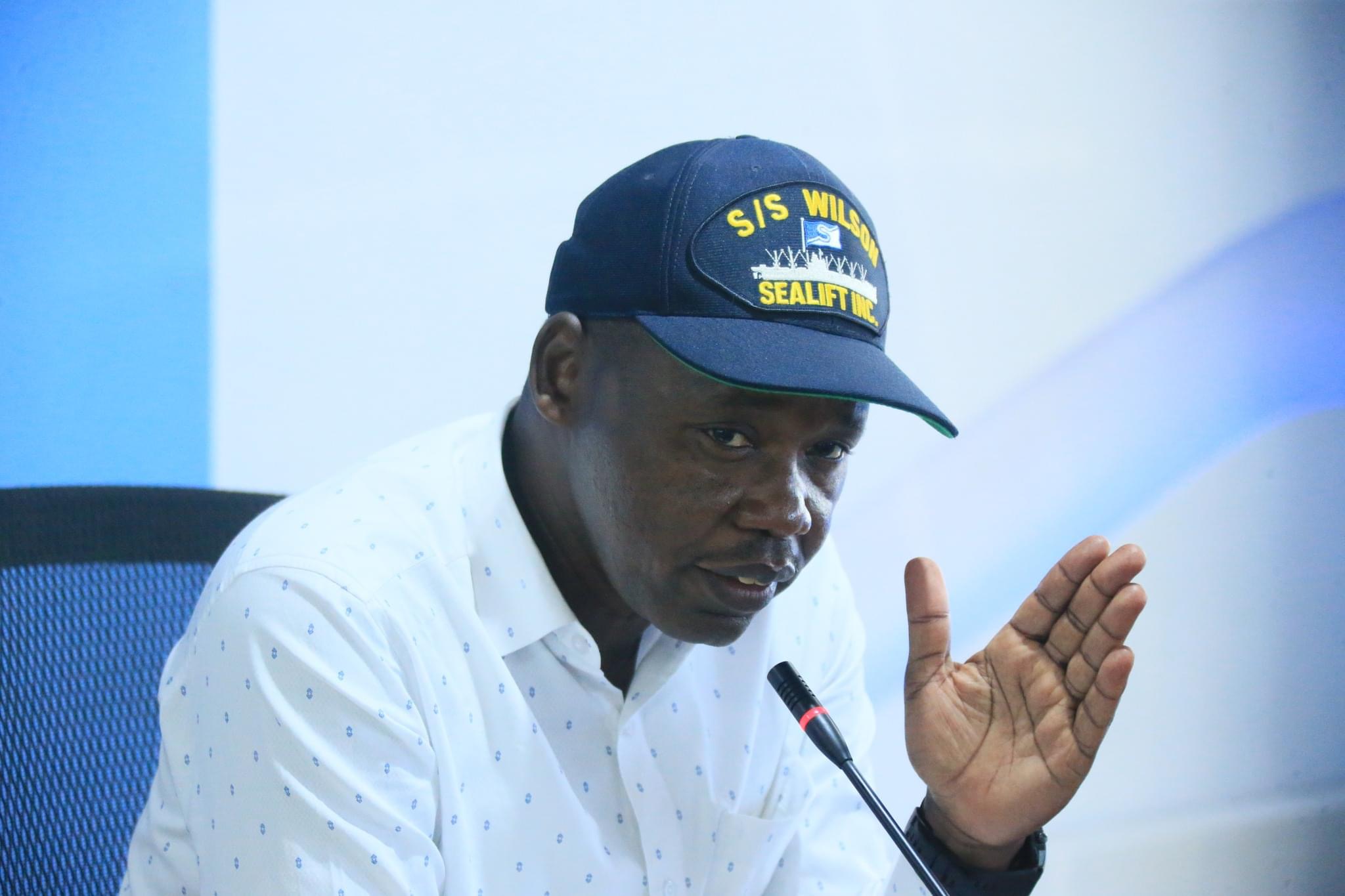
KPA CEO Captain William K Ruto. PHOTO/KPA

The man at the helm of Kenya Ports Authority, Managing Director William K. Ruto, is facing mounting scrutiny—not from dockworkers or shipping lines, but from courtrooms and a growing wave of public controversy surrounding multi-billion shilling tenders.

While no court has found him guilty of wrongdoing, a series of high-stakes procurement disputes and allegations have placed the KPA boss at the center of what is fast becoming a slow-burning governance storm at one of Kenya’s most strategic state agencies.

A Sh31 Billion Tender at the Heart of the Storm

At the center of the controversy is a Sh31.2 billion procurement deal, now the subject of an active court petition.

The case, filed at the High Court of Kenya, accuses the KPA leadership of:

  • Flouting procurement procedures
  • Lacking transparency in the tendering process
  • Irregularly awarding a contract to a foreign firm

The petitioner has gone further—seeking to have William K. Ruto declared unfit to hold public office.

KPA, through its legal team, has strongly denied the claims, insisting that due process was followed.

But the case has already achieved something significant: it has dragged internal decision-making at the port into public scrutiny.

From Courtroom to Political Battlefield

Beyond the legal filings, the controversy has spilled into the political arena.

Claims—some unproven—have linked the KPA boss to a broader Sh100 billion procurement scandal narrative, amplifying public attention and raising the stakes.

Yet, in a sharply divided response:

  • Critics have framed the issue as a test of accountability in public procurement
  • Allies have dismissed it as a politically and commercially motivated smear campaign

Coast leaders and political figures have stepped forward to defend the KPA chief, praising his leadership and warning against what they describe as “character assassination.”

“Embattled” Tag Signals a Shift in Perception

In recent months, William K. Ruto has increasingly been described in sections of the media as “embattled”—a label that reflects not a legal verdict, but a shift in public narrative.

That shift is being driven by:

  • Ongoing litigation
  • Repeated procurement questions
  • Intensifying public and political debate

For a position as sensitive as the head of Kenya Ports Authority, perception can be as consequential as proof.

The Weight of History

Complicating matters further is the long shadow of the institution itself.

Kenya Ports Authority has, for years, been associated with:

  • Multi-billion shilling procurement controversies
  • Past corruption investigations involving officials

This history means that any fresh allegation—proven or not—lands on already fertile ground for public suspicion.

As a result, critics argue that the current controversy is not just about one man, but about whether the institution has truly reformed.

Performance vs. Pressure

Supporters of the KPA boss point to operational gains at the Port of Mombasa, including improved efficiency and throughput, as evidence of effective leadership.

But analysts caution that:

“Performance metrics do not cancel out governance concerns. Procurement transparency is a separate test altogether.”

This creates a dual narrative:

  • Operational success on one hand
  • Legal and reputational pressure on the other

A Slow-Burn Crisis?

Unlike headline-grabbing corruption scandals involving arrests or raids, the situation unfolding around William K. Ruto is more subtle, but potentially just as significant.

It is a slow-burn controversy, defined by:

  • Court petitions rather than convictions
  • Allegations rather than findings
  • Political defense rather than institutional silence

Yet history shows that such slow-building pressure can evolve into full-blown crises if not decisively addressed.

Silence, Strategy—or Confidence?

So far, the KPA leadership has opted for a measured response, addressing the matter through legal channels rather than public rebuttals.

Whether this reflects:

  • Confidence in the strength of its case
  • A strategy to avoid escalating the controversy
  • Or an underestimation of reputational risk

…remains an open question.

The Bigger Question

As the court case progresses and public debate intensifies, a critical issue is emerging:

Are the allegations against the KPA boss isolated legal challenges—or warning signs of deeper procurement vulnerabilities within one of Kenya’s most critical state agencies?

For now, the answers lie in the corridors of justice.

But one thing is clear:
The storm around William K. Ruto is far from over—and its outcome could reshape not just a career, but confidence in how billions of public funds are managed at Kenya’s busiest port.

0 comment
0 FacebookTwitterPinterestLinkedinTumblrWhatsappTelegramEmail
Nyali MP Mohamed Ali alias Moha Jicho Pevu. PHOTO/Mohamed Ali/X

Nyali Member of Parliament (MP) Mohamed Ali has called on motorists to exercise extreme caution on the roads following a tragic accident involving the family of Capt. William K. Ruto, the Chief Executive Officer of the Kenya Ports Authority (KPA).

In a heartfelt message issued via his official X account on Saturday, April 4, 2026, the Nyali MP expressed deep sorrow over the incident, which claimed the life of the CEO’s daughter and left Capt. Ruto and other family members injured.

“Heartbroken by the tragic road accident that claimed the life of the daughter of KPA’s Captain William K. Ruto, and injured him and his family,” Mohamed Ali said.

KPA CEO Captain William K Ruto. PHOTO/KPA

He offered prayers for strength and healing to the bereaved family, urging them to remain steadfast during what he described as a moment of immense grief.

“I pray that God grants him and the family a swift recovery and holds them in strength and faith as they navigate this immense grief,” he added.

Beyond the condolence message, the legislator used the moment to remind Kenyans of the importance of road safety, especially during the busy holiday period.

“To all road users, let us exercise extreme caution and vigilance during this holiday break,” he urged.

His remarks come amid increased travel across the country, a period often marked by a spike in road accidents due to high traffic volumes and, in some cases, reckless driving.

The accident, confirmed by KPA earlier, occurred on Friday evening as Capt. Ruto was traveling with his family. While he and other family members survived and are reported to be in stable condition, the loss of his daughter has drawn widespread sympathy from leaders and the public.

Mohamed Ali joins a growing list of leaders and Kenyans who have expressed condolences to the KPA boss and his family, with many also using the tragedy to emphasize the need for safer roads.

0 comment
0 FacebookTwitterPinterestLinkedinTumblrWhatsappTelegramEmail
KPA CEO Captain William K Ruto. PHOTO/KPA

The Kenya Ports Authority (KPA) has confirmed that its Chief Executive Officer, Capt. William K. Ruto was involved in a tragic road accident that claimed the life of his daughter.

In a staff notice issued on Saturday, April 4, 2026, the authority said the accident occurred on Friday evening while Capt. Ruto was traveling with members of his family.

“We are deeply saddened to announce that our Chief Executive Officer, Capt. William K. Ruto was involved in a tragic road accident yesterday evening while traveling with his family. Regrettably, his daughter did not survive the accident,” the statement reads in part.

KPA extended its condolences to the CEO and his family, describing the incident as a moment of immense grief.

The authority confirmed that Capt. Ruto and the rest of his family survived the crash and are currently in stable condition.

“Capt. Ruto and the rest of his family are currently in stable condition and under close medical supervision. We remain hopeful for their full and swift recovery,” the statement added.

KPA noted that it is cooperating with relevant authorities as investigations begin to establish the circumstances surrounding the accident.

“We are cooperating with the relevant authorities as they establish the circumstances surrounding the incident. We will continue to provide updates as appropriate and as more information becomes available,” KPA stated.

Details regarding the exact location and cause of the crash were not immediately disclosed.

The authority also expressed gratitude to Mombasa Governor Abdulswamad Shariff Nassir and his Taita Taveta counterpart Andrew Mwadime for their swift response and support following the incident.

“We extend our heartfelt appreciation to Mombasa Governor H.E. Abdulswamad Shariff Nassir and Taita Taveta Governor H.E. Andrew Mwadime for their swift assistance and support following the accident. We also thank our staff, partners, stakeholders and the general public for their continued support, patience and cooperation,” the statement read.

KPA appealed to the public and the media to respect the privacy of the family during this difficult period.

“We respectfully request the public and media to honour the family’s privacy,” the statement said.

0 comment
0 FacebookTwitterPinterestLinkedinTumblrWhatsappTelegramEmail

The Kenya Ports Authority (KPA) Managing Director Captain William Kipkemboi Ruto has called for urgent interventions to address capacity constraints as surging cargo volumes and increased transshipment traffic stretch its infrastructure to the limit.

“Right now, we are already overwhelmed. Cargo has grown so fast that our capacity has been stretched,” said Captain Ruto during a visit by Equity Bank Kenya Managing Director Moses Nyabanda.

According to Captain Ruto, despite these challenges, KPA has embraced digitized payment systems powered by Equity Bank to improve efficiency.

“You’ve made things very simple for us. Today, a customer pays from anywhere, and the gate system updates instantly. That efficiency matters,” Captain Ruto added.

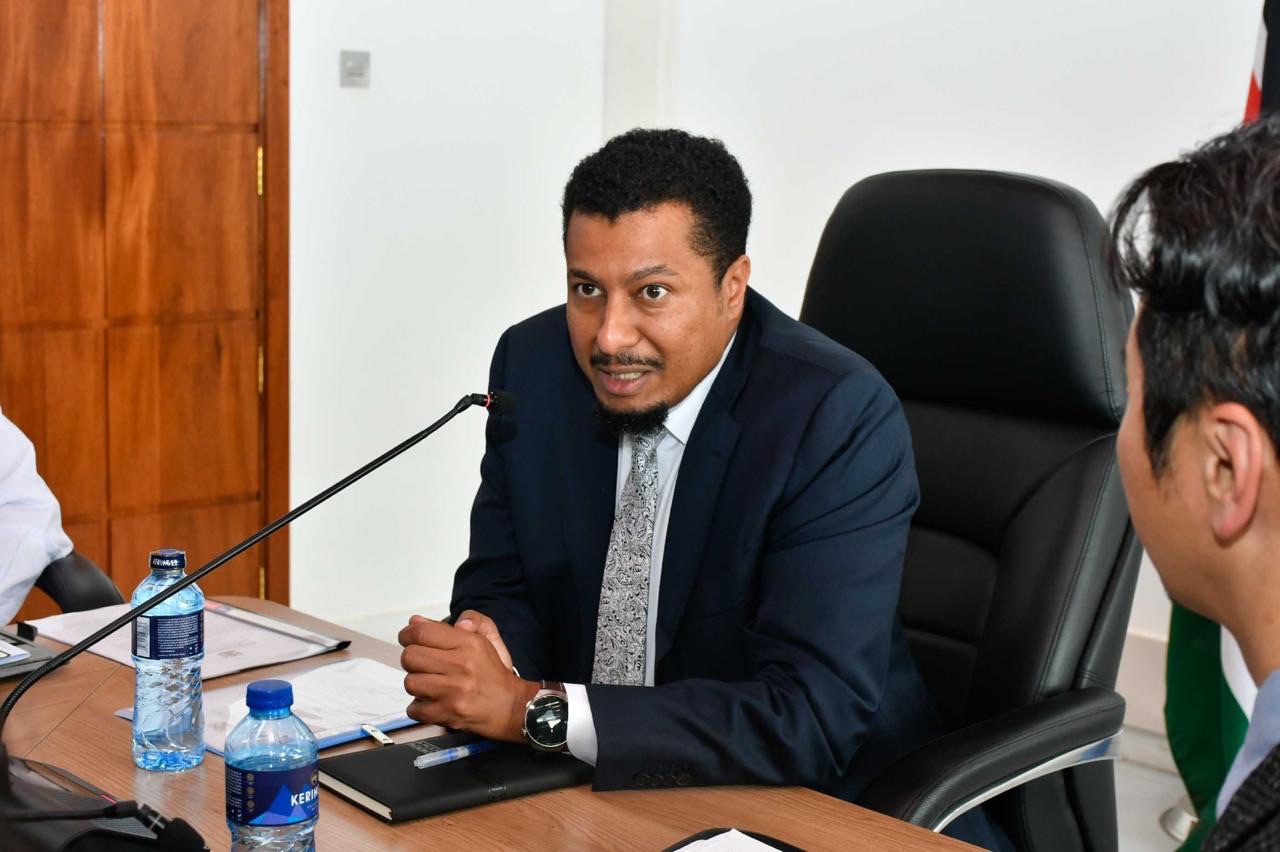
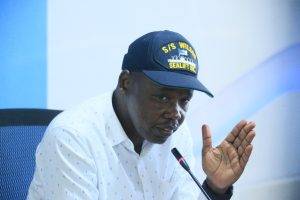
Kenya Ports Authority Managing Director Captain William Kipkemboi Ruto (in cap) engages the Equity Bank Kenya delegation led by Managing Director Moses Nyabanda during their visit, as they discuss emerging opportunities within the country’s logistics and port ecosystem.

In response, Nyabanda reassured KPA of Equity’s continued support, stating, “As you expand, we want Equity to be a deeper and more strategic partner.”

Beyond the port, Equity Bank extended its engagements to Autoports Freight Terminal and Kyoga Hauliers. At Autoports, Chairman Abubakar Ali Joho outlined how rapid growth in cargo volumes has stretched the company’s capacity to handle fertilizers, steel, bulk cargo, and warehousing operations.

Joho emphasized the need for financial solutions to support expansion saying, “Our group handles between 1.5 to 2 million tons of cargo a year. Logistics has changed; every day there is a shift in trade facilitation. We’re growing, but capacity is becoming a challenge.” 

At Kyoga Hauliers, Operations Director Ismail Gulam highlighted the high-risk nature of logistics, citing thin margins, fluctuating fuel costs, and reliance on working capital cycles. Gulam expressed optimism about Equity’s involvement in addressing these challenges.

Nyabanda pledged to work closely with both companies to co-create tailored financial solutions. He said, “Your growth is Kenya’s growth. We are here not just as bankers, but as partners ready to walk this journey with you.”

Equity Bank’s engagements along the Coast extended beyond logistics to address challenges in tourism, small enterprises, and renewable energy. At a Small and Medium Eenterprises (SMEs) Customer Engagement Forum in Diani, Kwale County Minister for Tourism, Trade, and Enterprise Development, Michael Mutua, described Equity’s support as “a lifeline” for local entrepreneurs.

The forum brought together small business owners, tourism operators, local leaders, and youth innovators for a high-energy dialogue on building a more resilient and inclusive coastal economy. Discussions underscored the region’s enormous potential and the urgent need for partnerships that empower Diani entrepreneurs to thrive despite economic vulnerabilities.

“Our people need financing, mentorship, and the kind of partnership that sees potential and nurtures it,” said Mutua.

Equity Coast Regional Manager highlighted the resilience of local entrepreneurs, saying, “The heart of Diani’s economy is its people. Our commitment is to walk with you on the ground and turn that resilience into measurable growth.”

Kwale County MP Fatuma Masito lauded Equity’s willingness to listen, noting, “Today, there is renewed confidence that with the right partnership, Diani’s enterprises can grow and uplift entire families.”

Equity also explored green mobility initiatives during a courtesy call on Stefan Wentzel, the Honorary Consul of Germany, at his Diani office. Wentzel highlighted the Sunny Tuk Tuk project, which aims to replace diesel-powered tuk-tuks with electric models.

“Our goal is to transform mobility by going electric, creating cleaner towns and new jobs for youth and women drivers,” said Wentzel.

Wentzel also praised Equity’s community-focused approach, saying, “What sets Equity apart is that you’ve grown organically, not through mergers or acquisitions, but by investing in people.”

Nyabanda lauded the initiative, stating, “Projects like this that combine sustainability, innovation, and job creation fit perfectly within our mission of empowering businesses to grow responsibly.”

“Kenya’s transformation will come from partnerships rooted in trust, innovation, and shared values. That’s the journey Equity is proud to lead,” he added.

0 comment
0 FacebookTwitterPinterestLinkedinTumblrWhatsappTelegramEmail
Transport PS Mohamed Daghar

A powerful coalition of Coast region business leaders has issued an urgent petition to President William Ruto demanding the immediate dissolution of the Kenya Ports Authority (KPA) Board of Directors and the dismissal of Transport Principal Secretary Mohamed Daghar over serious corruption allegations that have rocked the country’s premier maritime gateway.

The unprecedented call comes in the wake of explosive media exposés revealing a web of procurement fraud, insider trading, and systematic looting at KPA that has allegedly cost taxpayers billions of shillings through inflated contracts and irregular tenders.

The Corruption Allegations

The scandal centers on a multi-billion-shilling tender allegedly authorized by the Managing Director’s office, with whistleblower accounts and leaked documents pointing to extensive procurement malpractice that has compromised the integrity of one of Kenya’s most vital revenue-generating agencies.

Among the most damaging allegations is a controversial KSh 200 million contract linked to board member Dr. Consolata Lusweti for painting stands at the Likoni Channel.

Sources indicate the tender was awarded to a Somali businessman serving as a proxy, completely bypassing standard procurement procedures and delivering substandard results.

Board Chairman Benjamin Dalu Tayari faces separate but equally serious allegations of facilitating corrupt networks through shell companies and questionable acquisition of a KSh 40 million luxury vehicle under circumstances that have raised red flags among investigators.

Key Figures Under Scrutiny

The corruption allegations implicate several high-ranking officials, including:

  • Benjamin Dalu Tayari – KPA Board Chairman and former Kinango MP, appointed in January 2023 for a three-year term
  • Mohamed Daghar – Principal Secretary for Transport, appointed in November 2022
  • Dr. Consolata Lusweti – Board Director, described as a close ally of Musalia Mudavadi with political ambitions for Kakamega’s Woman Representative seat
  • Lucas Maitha – Board member
  • Lawrence Kibet – Board member
  • Daniel Muriungi Mugao – Board member
  • Beatrice Nyamoita – Board member

Business Community’s Response

The petition has been spearheaded by prominent Coast businessmen including Mombasa businessman Athman Haroun Ismael, Kilifi’s Kenga Mrima, and Yatour Kirui, who have accused the KPA Board of lacking moral legitimacy and operating as a political reward scheme that undermines merit and professionalism.

“We are appalled, but not surprised, by these revelations exposing the looting spree at KPA,” the business leaders stated in their petition. “We raised concerns in 2023 when the current board was appointed, and unfortunately, we’ve been vindicated. The government favoured tenderpreneurs over professionals.”

The coalition argues that board members are exploiting their positions to build personal war chests ahead of future political campaigns, pointing to Lusweti’s public displays of wealth and ongoing political maneuvering by other members as evidence of their claims.

KPA’s Response

In response to the mounting allegations, KPA’s Corporate Communication Department issued a defensive statement saying: “KPA has taken note of recent media reports alleging irregularities in certain procurement processes within the organisation. These media reports do not reflect the facts or the operational standards of KPA.”

However, the business community remains unconvinced by the denial, describing the board as a politically compromised entity with no genuine commitment to ethical leadership or port development.

Call for Investigation

The petitioners have called on Kenya’s key investigative agencies to launch immediate probes into the board’s conduct, specifically targeting:

  • Ethics and Anti-Corruption Commission (EACC)
  • Directorate of Criminal Investigations (DCI)
  • Asset Recovery Agency

The EACC has previously taken action against KPA officials, including the arrest of a Senior Administrative Secretary over a KES 6.4 million tender conflict of interest case in July 2024.

Historical Context

The current scandal adds to KPA’s troubled history with corruption. In 2019, the DCI launched a probe into what investigators believed was a Ksh 2.7 billion tender scandal at KPA, implicating top officials including the then-Managing Director Daniel Manduku.

Political Implications

The corruption allegations come at a sensitive time for President Ruto’s administration, which has made the fight against corruption a key pillar of its governance agenda.

The involvement of high-ranking officials from the Kenya Kwanza government, including Transport PS Mohamed Daghar, adds a political dimension to the scandal that could have broader implications for the administration’s credibility.

Dr. Lusweti’s reported close ties to Musalia Mudavadi, a key figure in the Kenya Kwanza coalition, and her rumored political ambitions for the Kakamega Woman Representative seat, further complicate the political dynamics surrounding the scandal.

The Stakes

As one of East Africa’s largest ports and a critical gateway for international trade, KPA’s integrity is vital to Kenya’s economic prospects. The port handles the majority of cargo for landlocked countries including Uganda, South Sudan, eastern Democratic Republic of Congo, and Rwanda, making any disruption to its operations a regional concern.

The business community’s petition represents more than just local frustration; it reflects broader concerns about governance standards in key state corporations and the potential impact of corruption on Kenya’s economic competitiveness.

What’s Next

President Ruto now faces mounting pressure to act decisively on the corruption allegations. The business leaders’ petition demanding complete dissolution of the KPA board represents one of the most direct challenges to his administration’s handling of corruption in state corporations.

The president’s response will likely be seen as a test of his commitment to fighting corruption and could set a precedent for how similar allegations against other state corporations are handled in the future.

As investigations continue and pressure mounts, the future of the embattled KPA board – and the broader integrity of the government’s anti-corruption drive – hangs in the balance. The coming weeks will be critical in determining whether President Ruto will accede to the demands for wholesale changes at one of Kenya’s most important state corporations.

0 comment
0 FacebookTwitterPinterestLinkedinTumblrWhatsappTelegramEmail

Detectives from Ethics and Anti-Corruption Commission (EACC) have arrested Kenya Ports Authority ( KPA) General Manager for Finance Patrick Nyoike,his wife Jacinta Wambugu and a KPA clerical officer Isaack Obunga over irregular payments of Kshs.214 million.

According to a statement by the Office of the Director of Public Prosecutions (ODDP), it has shown that Mr. Patrick Nyoike allegedly used his power to allocate the money to Nyali Capital Limited, a microfinance business which is run by his wife Jacinta Wanjiku Wambugu who acts as the company’s General Manager along with other directors.

 “Indeed, Patrick Wambugu Nyoike facilitated Nyali Capital Limited’s microfinance business to finance the KPA suppliers, Local Purchase Order (LPOs) and Local Service Orders (LSOs) and thereafter used the KPA system to have the principal and the interest from the said suppliers remitted to Nyali Capital Limited’s account by the KPA,” the statement read.

According to the ODPP, Nyali Capital Limited acted as a vendor in the KPA portal which indicates a conflict of interest and also a break of the codes and conducts. 

 “This demonstrates a conflict of interest on the part of Patrick Wambugu Nyoike, the General Manager Finance at KPA,” the ODPP’s statement adds.

Probing Mr. Wanyoike started Last year when the anti-graft detectives raided his house under probe of siphoning millions from the company to a private developer.

The Ethics and Anti-Corruption Commission (EACC) then, claimed they were working on a tip-off suggesting that a sum of Sh241 million were moved from the company to an individual close to Mr. Patrick Wambugu Nyoike. 

0 comment
0 FacebookTwitterPinterestLinkedinTumblrWhatsappTelegramEmail