
Home Tags Posts tagged with "Mombasa Port"
Tag:

Mombasa Port

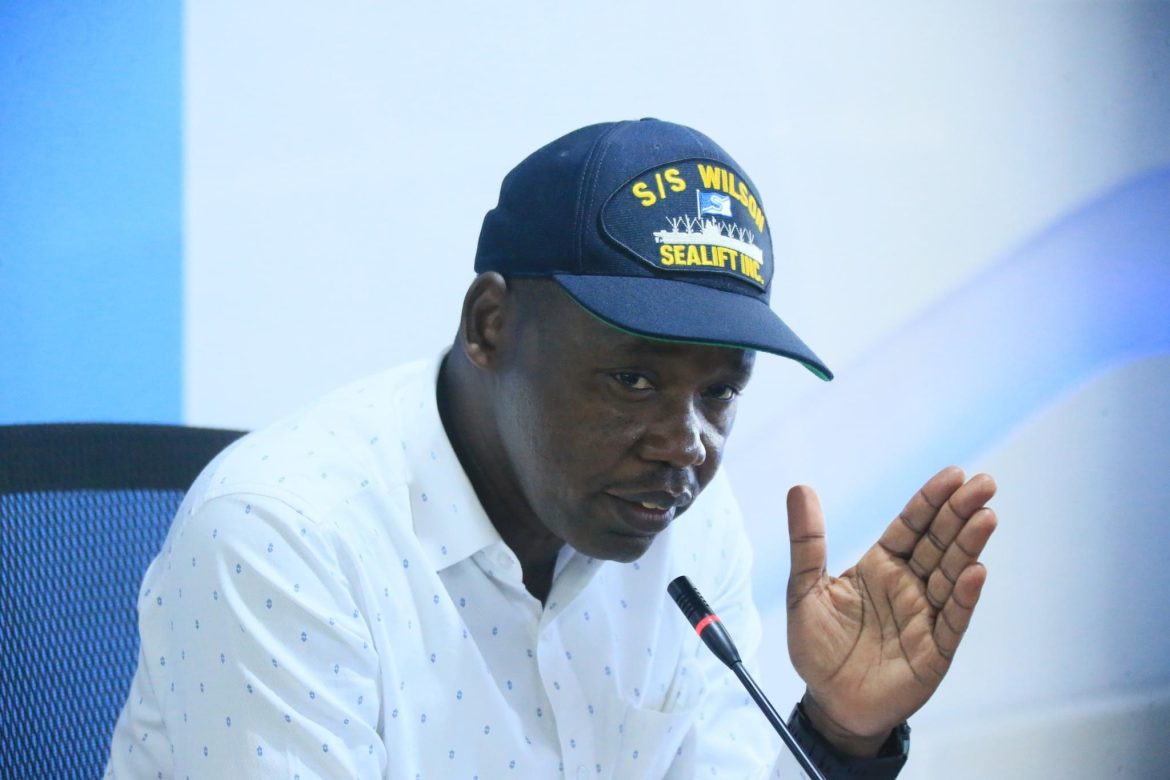
KPA CEO Captain William K Ruto. PHOTO/KPA

Kenya Ports Authority (KPA) Managing Director Captain William K. Ruto is facing mounting pressure over allegations surrounding the allocation of prime public land at the Port of Mombasa and the award of an exclusive cargo handling contract linked to South Sudan-bound freight.

The claims, contained in a demand letter by the Genesis for Human Rights Commission (GHRC) and supported by documents reportedly submitted to Parliament’s Transport and Infrastructure Committee, accuse KPA of allocating public land at Kipevu to a private company without competitive procurement, public participation or key statutory approvals.

Captain Ruto, who has served as KPA Managing Director since March 2023, has not publicly responded to the allegations.

Rights group issues seven-day ultimatum

According to the GHRC, its Programme Director Caleb Ng’wena wrote to Captain Ruto on June 9, 2026, demanding documents relating to the disputed transaction.

The rights lobby sought certified copies of the lease or allocation agreement for the Kipevu land, records of public participation, the ownership structure and beneficial ownership details of the private company involved, as well as procurement records relating to an exclusive contract to handle 20 per cent of South Sudan-bound cargo passing through the Port of Mombasa.

The organisation says the seven-day ultimatum expired without a response from KPA.

In its letter, GHRC alleged the transaction raises serious governance concerns.

“This entire transaction reeks of high-level influence-peddling, state capture and brazen land grab orchestrated purely due to the CFS owner’s proximity to power,” Ng’wena stated.

The organisation has threatened legal action seeking court orders to halt construction at the site, nullify the alleged tender award and hold Captain Ruto personally liable in his capacity as KPA’s accounting officer.

Multi-million cargo corridor at the centre of dispute

At the heart of the controversy is the construction of a private Container Freight Station (CFS) on KPA land in Kipevu, Mombasa.

According to the allegations, the company behind the project was also awarded an exclusive, single-sourced contract to handle 20 per cent of cargo destined for South Sudan, one of the busiest transit corridors through the Port of Mombasa.

The GHRC claims neither the lease agreement nor procurement documents have been made public and says the identity and beneficial ownership of the company remain undisclosed.

South Sudan remains one of the largest users of the Port of Mombasa, accounting for 12.7 per cent of transit cargo in 2025, according to KPA statistics cited in the complaint. Overall cargo throughput at the port reached a record 45.45 million tonnes last year.

The rights group argues that controlling a fifth of South Sudan-bound cargo represents a highly lucrative commercial opportunity worth hundreds of millions of shillings annually.

Questions over approvals

The petition also alleges construction at the Kipevu site is proceeding without mandatory approvals required under Kenyan law.

According to GHRC, the site lacks the statutory project information board required under the National Construction Authority Act and may not have approvals from the National Environment Management Authority (NEMA), the National Construction Authority (NCA) or the Mombasa County Government.

The organisation further argues that no evidence has been produced to show public participation was undertaken before the public land was allocated.

If established, such omissions could raise questions over compliance with the Constitution, environmental laws and the Public Procurement and Asset Disposal Act.

Long-running battle over South Sudan cargo

The South Sudan cargo corridor has previously been the subject of prolonged legal disputes.

In 2023, companies including Autoport Nairobi Freight Terminal and Compact Freight System Limited moved to court over KPA’s handling of South Sudan cargo, accusing the authority of disregarding court orders governing the movement of transit cargo.

The dispute prompted intervention by the Ministry of Transport, which clarified that importers were free to use any Kenya Revenue Authority-approved bonded facility instead of restricting cargo to specific operators.

The latest allegations suggest a new exclusive arrangement has once again placed the lucrative corridor at the centre of controversy.

Wider scrutiny of KPA procurement

The latest claims add to a series of procurement-related questions that have surrounded KPA in recent years.

Captain Ruto has previously appeared before parliamentary committees to respond to audit queries concerning KPA’s financial management, while separate court proceedings have challenged procurement decisions involving major infrastructure projects undertaken by the authority.

Among the matters cited by critics is a High Court petition challenging the award of a multi-billion-shilling contract under the Mombasa Special Economic Zone Development Project, as well as public criticism from some leaders over the cost of road works within the port.

Those matters remain separate from the current allegations regarding the Kipevu land allocation and South Sudan cargo contract.

Calls for investigations

The GHRC is now urging several state agencies, including the Ethics and Anti-Corruption Commission (EACC), the Director of Public Prosecutions (DPP) and the Public Procurement Regulatory Authority (PPRA), to investigate the transaction.

The organisation also wants Parliament to compel the release of all procurement records, lease documents and beneficial ownership disclosures relating to the project.

It argues that because KPA land is public property held in trust for Kenyans, any allocation for private commercial use must comply fully with procurement laws, environmental regulations and constitutional requirements.

As pressure mounts, attention is now turning to whether KPA will respond publicly to the allegations or release documents sought by the rights group, even as construction reportedly continues at the disputed Kipevu site.

KPA had not publicly responded to the allegations by the time of publication. The claims remain allegations that have not been tested or determined by a court of law.
0 comment
0 FacebookTwitterPinterestLinkedinTumblrWhatsappTelegramEmail
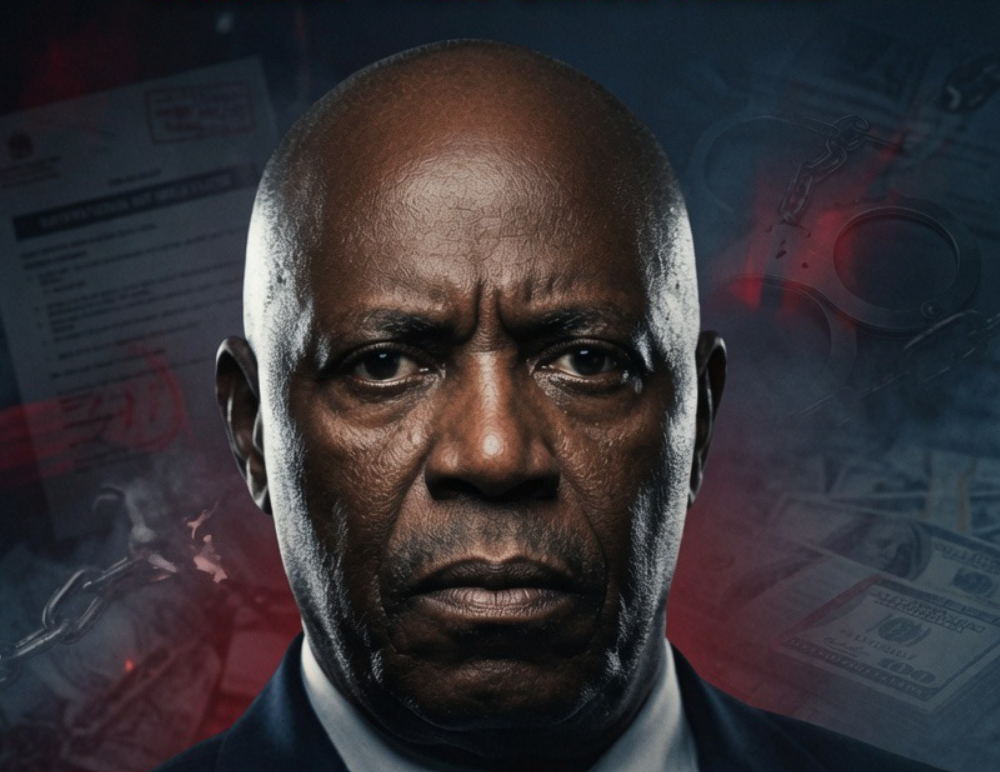
Freight Tycoon Samuel Kairu Njonde

Businessman Samuel Kairu Njonde, the man behind Compact Freight Systems, has emerged as one of the prominent names linked to an explosive investigation into an alleged Sh500 million customs fraud scheme at the Port of Mombasa.

The investigation, being jointly conducted by the Directorate of Criminal Investigations (DCI) and the Kenya Revenue Authority (KRA), has already led to the arrest of eight government officials and is now widening to include freight forwarding firms and businessmen suspected of facilitating the irregular release of cargo containers without payment of mandatory customs taxes.

How the Alleged Sh500 Million Port Fraud Worked

According to investigators, the alleged customs fraud scheme relied on the recycling of legitimate customs entry numbers that had already been processed and approved.

Rather than generating fake documentation, suspects allegedly reused previously cleared customs records and attached them to fresh consignments, allowing containers to exit the Port of Mombasa while appearing fully compliant with customs procedures.

Authorities believe at least 238 containers may have been irregularly cleared between 2025 and early 2026, although investigators fear the final figure could exceed 300 containers.

The suspected tax losses are estimated at more than Sh500 million.

Eight Officials Arrested in Mombasa Port Probe

Investigators say the operation involved a sophisticated network spanning both public and private sectors.

Already, five Kenya Revenue Authority officers and three Kenya Ports Authority employees have been identified as key suspects in the ongoing probe.

Authorities further allege that retired Kenya Ports Authority employees’ login credentials were unlawfully used to access port systems and process container releases under dormant digital identities, making the fraud difficult to detect.

The scandal has once again exposed deep vulnerabilities within Kenya’s most important maritime gateway.

Samuel Kairu Njonde and Compact Freight Systems Under Scrutiny

While no criminal charges against Samuel Kairu Njonde have been publicly announced, investigators are reportedly examining the role of freight forwarding companies linked to suspicious cargo movements through the port.

His company, Compact Freight Systems, has repeatedly surfaced in reports surrounding the ongoing inquiry.

The businessman’s name has long featured in legal and commercial disputes tied to cargo handling and logistics operations.

Previous Court Battles Involving Compact Freight Systems

Court records show Compact Freight Systems has previously been involved in multiple legal disputes concerning cargo handling, contractual disagreements, and claims of lost consignments.

One of the most notable cases involved allegations surrounding the disappearance of 153 bales of imported garments valued at more than USD 214,000 at the company’s Miritini-based container freight station.

Several court proceedings between 2022 and 2024 focused on liability for missing or damaged cargo.

The company has also faced creditor disputes.

In one long-running matter involving Aswan Developers and Contractors Limited, judgment was entered against Compact Freight Systems for approximately Sh6.8 million.

Attempts to stop execution of the decree reportedly failed, prompting auctioneers to target company assets, including a Reachstacker machine critical to cargo-loading operations.

South Sudan Cargo Dispute

Kairu’s company was additionally linked to a high-profile dispute involving cargo transportation arrangements for South Sudan.

The disagreement reportedly involved entities associated with former Mombasa Governor and Cabinet Secretary Hassan Joho and escalated into diplomatic and legal corridors after South Sudan terminated certain cargo allocation arrangements.

Justice Martha Mutuku later directed the Kenyan government to comply with requests arising from the cancellation of transport agreements involving Compact Freight Systems and Autoport Freight Terminal.

Port of Mombasa Corruption Concerns Resurface

The latest probe has once again placed the spotlight on corruption and tax leakages at the Port of Mombasa, a strategic trade hub serving Kenya, Uganda, Rwanda, South Sudan, and the Democratic Republic of Congo.

Over the years, the port has been hit by multiple scandals involving:

  • Container diversion
  • Tax evasion
  • Cargo theft
  • Under-declaration of imports
  • Manipulation of customs systems

Anti-corruption agencies have repeatedly warned that criminal cartels operating within the maritime sector often rely on insider access within government agencies to bypass controls and facilitate illegal cargo movement.

Investigators Trace Containers and Money Trails

Authorities say the current fraud scheme did not rely on crude document forgery but instead exploited weaknesses within electronic customs systems and internal controls.

This allegedly allowed the operation to continue for months before investigators uncovered irregularities.

As DCI and KRA officers continue tracing the movement of hundreds of containers and following financial trails linked to freight forwarding firms, pressure is mounting on authorities to determine whether the scandal was the work of a few rogue officials or evidence of a much larger cartel embedded within Kenya’s maritime logistics sector.

For Samuel Kairu Njonde, whose business empire has remained deeply involved in East Africa’s cargo movement industry for years, the ongoing investigation now represents the most serious scrutiny yet.

Whether investigators ultimately establish direct criminal culpability or merely business association remains a matter for the ongoing inquiry.

What is already clear, however, is that the unfolding scandal has once again exposed the enormous financial risks posed by corruption and systemic weaknesses at one of Africa’s busiest ports.

0 comment
0 FacebookTwitterPinterestLinkedinTumblrWhatsappTelegramEmail

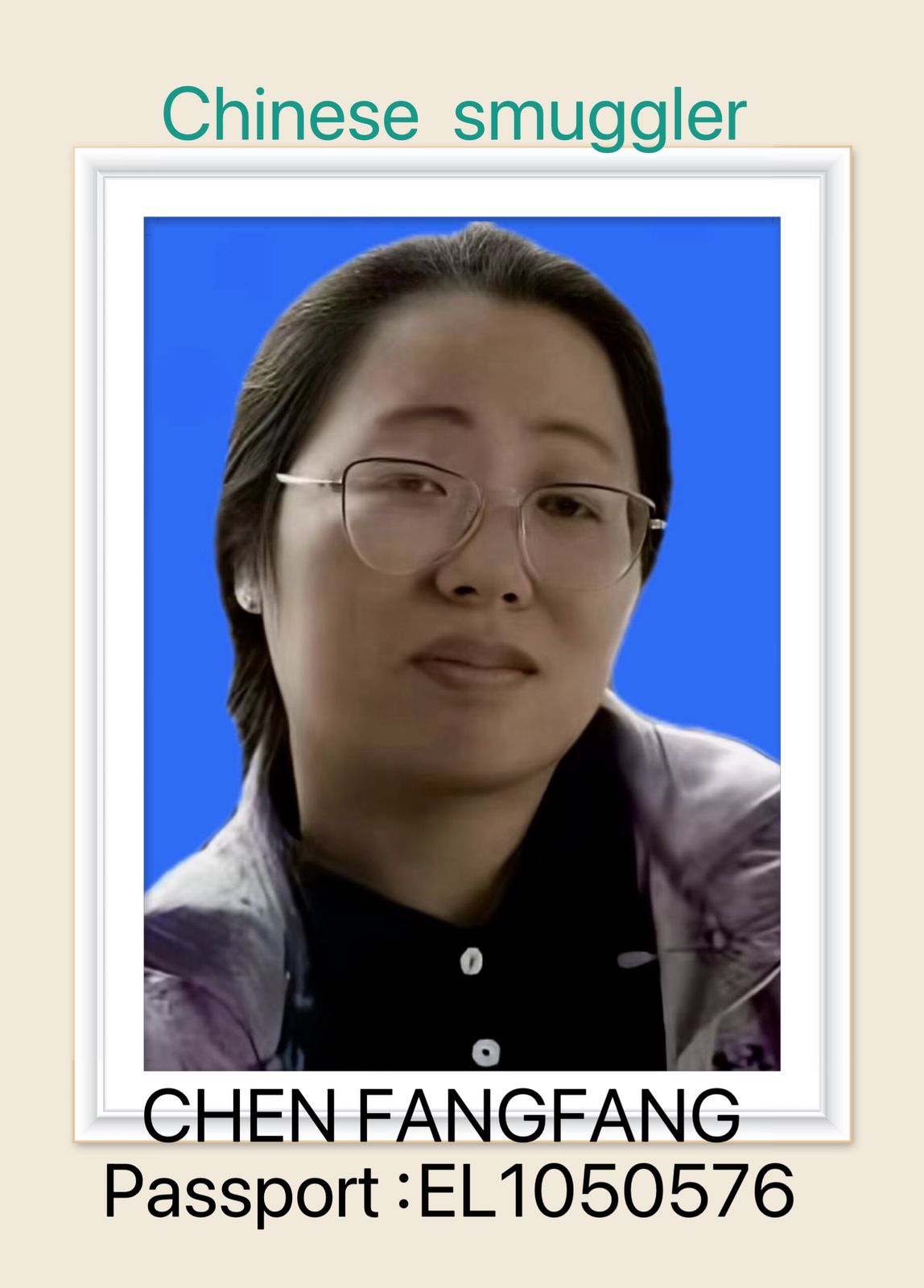
Kenya’s macadamia farmers have been dealt a brutal blow after it emerged that Chen Fangfang, a Chinese national on a tourist visa, masterminded a smuggling racket worth over Sh200 million. Her operations openly defied Kenya’s laws and revealed deep cracks within the country’s port control system.

Chen entered the country on April 6 posing as a tourist. Within days she was in Thika, buying raw nuts and hiring locals to load shipments. Behind the cover of tourism, she built a smuggling pipeline that bled farmers of income and mocked Kenya’s regulatory framework.

Fake Paperwork, Real Theft

On April 12, Chen and her Kenyan aide, Davis Muchoki Muriithi, loaded their first container (FFAU6547030). The paperwork said tarpaulins, destined for a Mozambican firm. The truth? Raw macadamia nuts headed straight to China.

Six more containers followed, all falsely declared as “awnings” and “sunblinds.” Records at the Kenya Ports Authority showed them “on hold” in Mombasa. Yet by August, three containers — PCIU9329018, GAOU7572631, and CIPU5254319 — had already landed in Ningbo, China. The breach was not an accident; it was collusion. Who cleared goods supposedly frozen in port? Who pocketed the bribes?

A Tourist Visa Turned Smuggling Pass

For nearly half a year, Chen lived in Kenya with nothing more than a tourist visa. No work permit. No trade license. Yet she ran a multimillion-shilling export business under the noses of Immigration and port authorities. The Agriculture and Food Authority’s ban on raw macadamia exports is meant to protect farmers and drive local processing. Chen’s operations shredded this law with impunity.

Almost Busted Again

By September 3, Chen was still at it. Surveillance cameras caught her at Mombasa Port preparing to push through three more containers. This time, authorities flagged the consignment before it sailed, narrowly stopping yet another heist. But the near-miss only deepens the mystery: how many consignments have already disappeared, and how many officials are part of the chain?

The Rotten Questions

How did Immigration allow a tourist to run an illegal business for months?

Why did no red flags go up after the first shipment?

How do “on hold” containers walk out of Mombasa and reappear in China?

Who inside KPA and government circles is pocketing the proceeds?

Farmers Betrayed

For farmers, the theft is personal. Every illegal shipment robs them of fair prices, strangles local processors, and undermines years of work to make Kenya a leader in value addition. Instead of jobs and factories, profits are lining the pockets of cartels.

Chen Fangfang was not working alone. She is the face of a bigger network — insiders, brokers, and compromised officials who turned Kenya’s ports into a smuggler’s paradise. Unless this cartel is exposed and dismantled, Kenya’s farmers will remain the losers, and the country’s borders will stay wide open to theft disguised as trade.

0 comment
0 FacebookTwitterPinterestLinkedinTumblrWhatsappTelegramEmail