
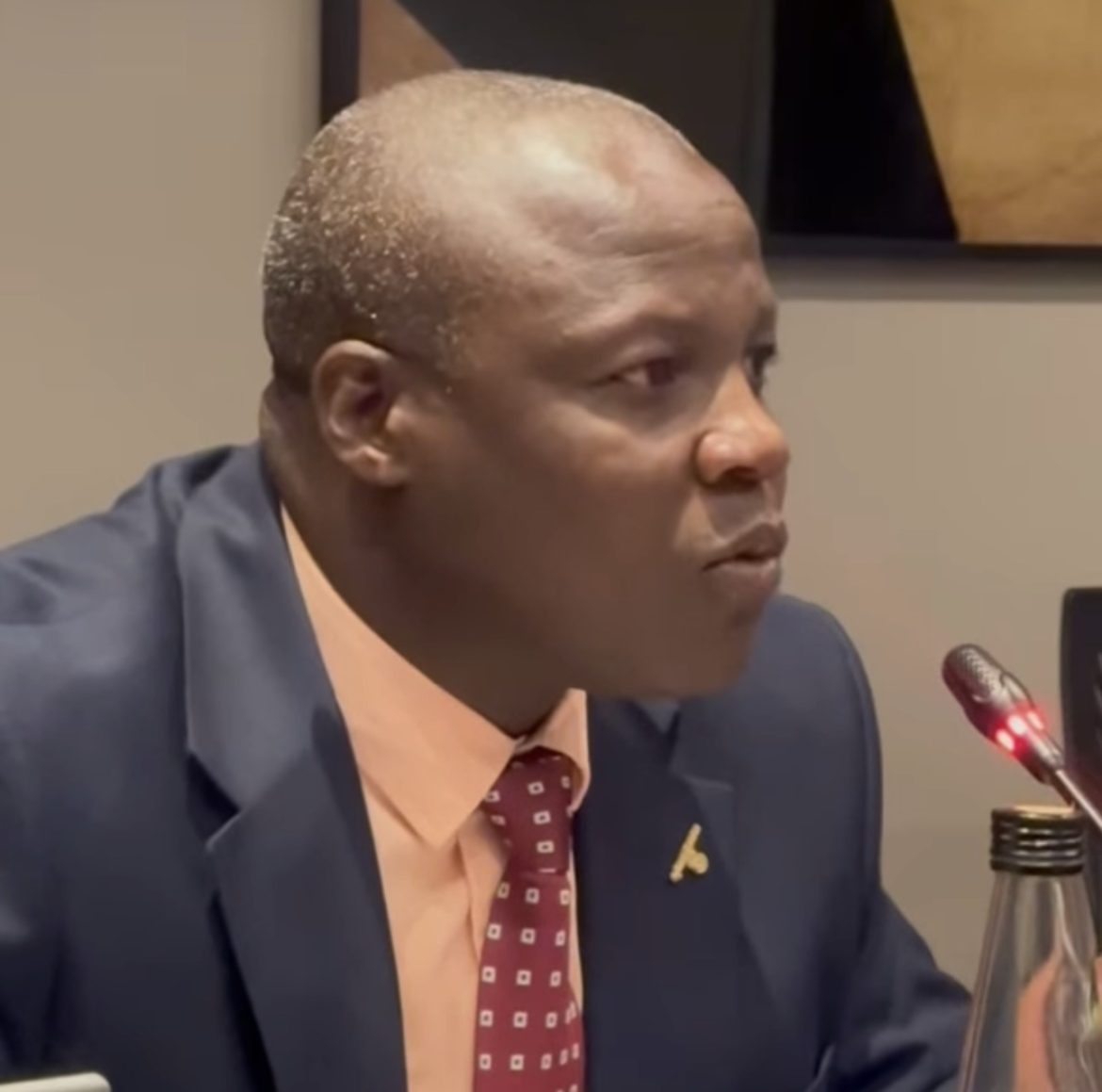
Fresh allegations from insiders within the National Land Commission have ignited controversy at the heart of Kenya’s land administration system, with officials accusing the commission’s Director of Valuation and Taxation, Joel Ombati Nyamweya, of presiding over a network manipulating land compensation linked to multi-billion-shilling government infrastructure projects.
Sources within the commission, speaking on condition of anonymity due to fears of retaliation, claim the valuation directorate at Ardhi House has become the focal point of a sophisticated scheme involving inflated land valuations tied to compulsory land acquisition for major national projects.
Ombati has not publicly responded to the allegations.
Strategic office with enormous influence
The Director of Valuation and Taxation holds one of the most powerful technical positions in Kenya’s land governance structure.
The office determines the compensation value of land acquired by the government for infrastructure projects. This figure ultimately decides how billions of shillings in public funds are distributed to affected landowners.
According to insiders, this authority has turned the office into what one official described as “a goldmine wrapped in a government gazette.”
“Every compulsory acquisition file eventually lands on that desk,” said one long-serving officer at the commission. “If the number changes there, the entire compensation process changes.”
Mega infrastructure projects at stake
The controversy emerges as the government pushes forward with two of the most expensive infrastructure initiatives in the country’s history.
One is the planned expansion of the Rironi–Mau Summit highway, a major transport corridor linking Nairobi to western Kenya.
The second is the proposed extension of the Standard Gauge Railway (SGR) from Naivasha to Kisumu, a project expected to transform regional trade and logistics.
Both projects require the government to acquire thousands of acres of private land, a process conducted by the National Land Commission on behalf of agencies such as the Kenya National Highways Authority and the Kenya Railways Corporation.
Treasury allocations for land compensation alone run into tens of billions of shillings.
Claims of inflated valuations
Officials familiar with the valuation process claim some compensation assessments have been dramatically inflated beyond prevailing market rates.
According to sources, networks of brokers, lawyers, and surveyors allegedly identify parcels along planned infrastructure corridors before the public announcement of projects.
These parcels are then positioned for compensation through claims that insiders say may exceed market value by wide margins.
“They know which land will be acquired before the public does,” one official claimed. “By the time the project is gazetted, the beneficiaries are already in place.”
Allegations of sidelining staff
Several officers within the commission claim that junior valuers with institutional knowledge have been excluded from key valuation exercises linked to the projects.
Instead, they allege that certain files are handled outside the usual internal processes.
“He does not work with the team that has always done valuations,” said one officer. “Many of us are simply told to stay away from those corridor files.”
Such claims have raised concerns about transparency in the handling of large compensation budgets.
Concerns over stalled digitisation
Another point of contention involves efforts to digitise the land acquisition process.
The commission had proposed a digital system to document parcels, verify ownership, and reduce fraud in compensation claims.
However, sources indicate that the system’s implementation has been slow and inconsistent.
“The digital system would make the process transparent,” said an official familiar with the project. “Once everything is recorded electronically, it becomes difficult to manipulate valuations or insert false claims.”
Allegations of conflict of interest
Some insiders have also raised concerns that individuals linked to the valuation process may have acquired land along proposed project corridors ahead of official notices.
These claims have not been independently verified.
If proven, legal experts say such actions could amount to a conflict of interest under anti-corruption laws governing public officials involved in compulsory land acquisition.
Institution with a troubled history
The latest allegations come against the backdrop of past corruption scandals at the commission.
In 2018, former commission chair Muhammad Swazuri and officials from the Kenya Railways Corporation faced charges related to alleged irregular compensation payments connected to earlier phases of the SGR project.
Investigations at the time uncovered cases where land values were significantly inflated or compensation was paid for parcels outside designated railway corridors.
Auditors also reported instances of double payments and compensation for land already owned by government agencies.
Calls for investigation
Governance experts say the seriousness of the allegations now being raised requires independent scrutiny.
They argue that agencies such as the Ethics and Anti-Corruption Commission and the Directorate of Criminal Investigations should examine claims of manipulation within the valuation process.
Parliamentary committees responsible for lands and infrastructure oversight have also previously demanded greater transparency in land compensation tied to major national projects.
High political stakes
The infrastructure projects at the centre of the controversy form part of the development agenda of President William Ruto, who has promised to accelerate transport infrastructure and regional trade corridors.
Any corruption scandal surrounding land compensation for these projects could complicate their implementation and fuel political debate ahead of the next general election cycle.
For now, the claims remain allegations raised by insiders, but they have intensified scrutiny on one of the most sensitive and financially consequential offices within Kenya’s land administration system.
Whether investigators will act on the claims may determine whether the controversies surrounding land compensation in Kenya’s infrastructure projects are finally resolved — or repeated yet again.
