Home Latest News Politics
Category:

Politics

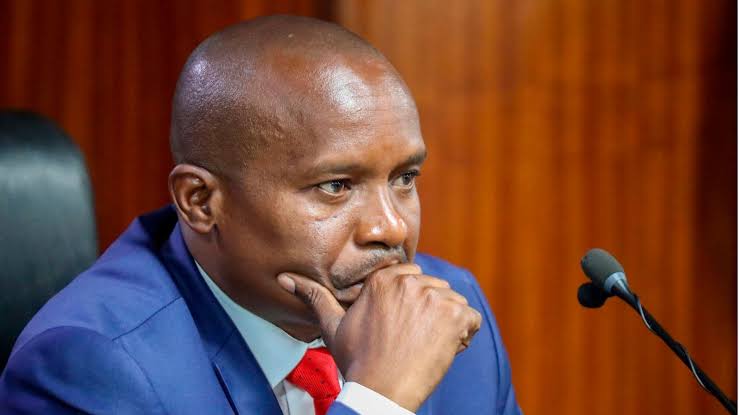
Kithure Kindiki

Deputy President Kithure Kindiki has revealed the next move the ruling United Democratic Alliance (UDA) is going to take after it suffered a heavy defeat in the just-concluded Ol Kalou by-election.

Kindiki has hinted at a strategic rethink within the UDA Party, declaring that it is “back to the drawing board.”

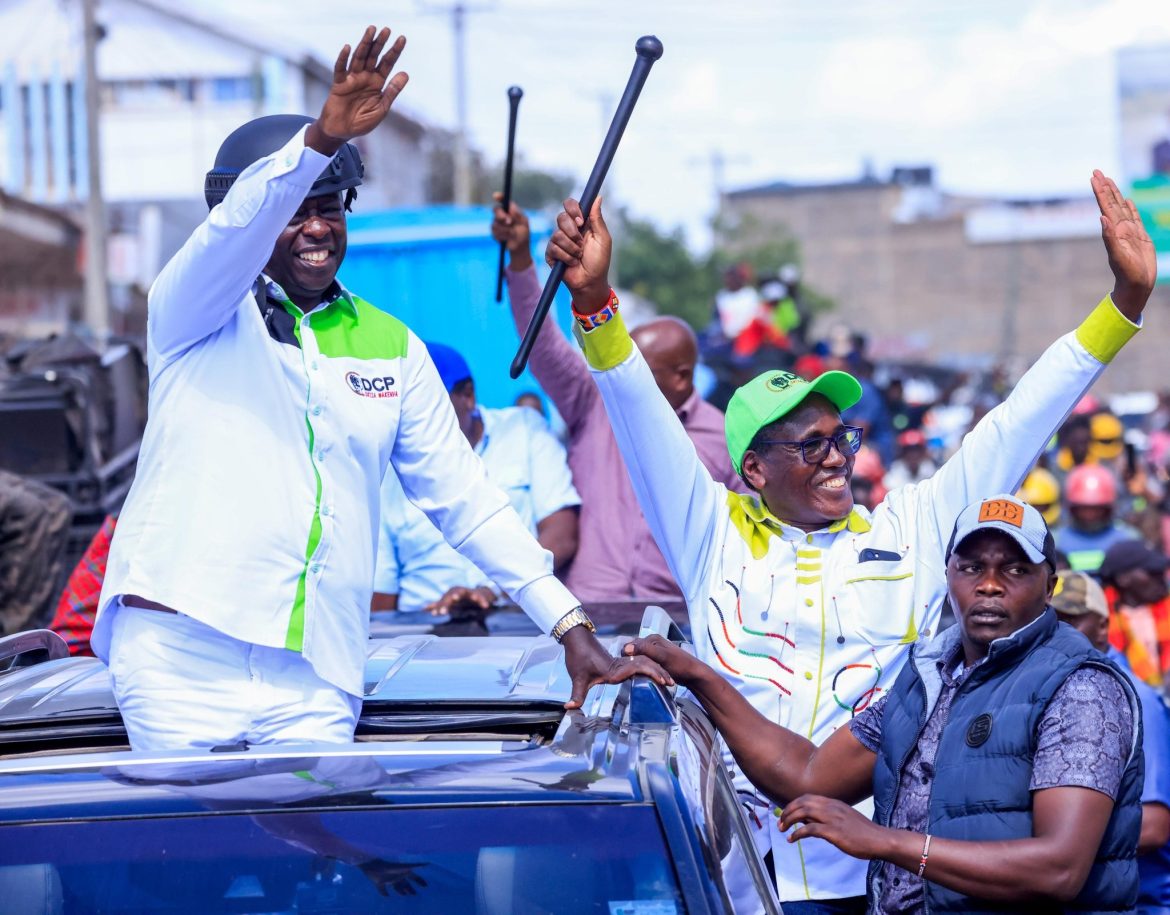
Kindiki made the brief but significant statement on Friday, July 17, hours after the Independent Electoral and Boundaries Commission (IEBC) declared Democracy for the Citizens Party (DCP) candidate Sammy Douglas Waweru Kamau the winner of the closely watched contest.

“Back to the drawing board,” the Deputy President wrote, in what many political observers have interpreted as an acknowledgement that UDA will reassess its political strategy in the Mt Kenya region ahead of the 2027 General Election.

UDA suffers crushing defeat

The Ol Kalou by-election ended in a landslide victory for DCP after Sammy Waweru secured 35,440 votes, comfortably defeating UDA candidate Samuel Muchina Nyaga, who garnered 5,450 votes, according to results announced by the IEBC Returning Officer.

The parliamentary seat fell vacant following the death of long-serving MP David Kiaraho, prompting a contest that quickly evolved into a high-stakes political battle between President William Ruto’s UDA and former Deputy President Rigathi Gachagua’s newly formed DCP.

A major political test

The by-election attracted national attention after both Kenya Kwanza and opposition leaders poured significant political resources into the campaigns.

President William Ruto, Deputy President Kindiki, Cabinet Secretaries, Members of Parliament and senior UDA officials campaigned extensively for Muchina Nyaga, portraying the race as an opportunity to reaffirm the ruling party’s influence in the Mt Kenya region.

On the other side, Gachagua led campaigns for DCP candidate Sammy Waweru, describing the by-election as a referendum on the region’s political direction following his fallout with President Ruto.

Political analysts had described the contest as the first direct electoral showdown between UDA and DCP in Mt Kenya since Gachagua launched his party earlier this year.

Kindiki’s role under scrutiny

Kindiki’s statement comes after weeks of speculation over his role in the Ol Kalou campaigns.

Although the Deputy President maintained a relatively low public profile compared to other Kenya Kwanza leaders, reports indicated he was actively coordinating campaign activities behind the scenes and receiving regular updates from UDA campaign teams.

The defeat is therefore likely to intensify scrutiny over UDA’s political strategy in the vote-rich Mt Kenya region, where DCP is seeking to establish itself as the dominant political force.

Analysts foresee strategic reset

Political analysts had earlier predicted that an Ol Kalou defeat would force the ruling party to reassess its approach in Central Kenya.

They argued that while a UDA victory would have strengthened President Ruto’s standing in the region, a DCP win would demonstrate the growing influence of Gachagua’s political movement and compel the ruling party to rethink its campaign strategy ahead of the 2027 elections.

Kindiki’s “back to the drawing board” remark appears to mirror those assessments, signalling that UDA could be preparing to recalibrate its political messaging, grassroots mobilisation and coalition strategy after the unexpected loss.

Eyes now on 2027

The Ol Kalou result is widely expected to shape political calculations far beyond Nyandarua County.

For DCP, the victory offers momentum as the party seeks to expand its footprint across Mt Kenya.

For UDA, the defeat presents an early warning as President Ruto’s administration prepares for what is expected to be a fiercely contested re-election campaign in 2027.

While Kindiki did not disclose what specific changes the ruling party intends to make, his statement suggests UDA’s leadership is already reflecting on the lessons from Ol Kalou as attention shifts to the next phase of Kenya’s evolving political landscape.

0 comment
0 FacebookTwitterPinterestLinkedinTumblrWhatsappTelegramEmail
Seth Panyako

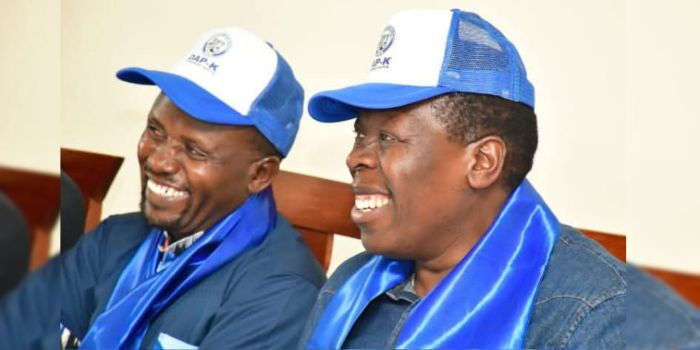
Kenya National Union of Nurses (KNUN) Secretary-General Seth Panyako has announced that he will contest the Malava parliamentary seat on a United Democratic Alliance (UDA) ticket in the 2027 General Election, marking a dramatic political return to President William Ruto’s party months after vying on a Democratic Action Party-Kenya (DAP-K) ticket.

In a statement shared on his official Facebook account on Thursday, July 16, Panyako dismissed speculation that he was eyeing the Kakamega Senate seat, insisting that his focus remains on unseating the current Malava MP.

“I will be vying for the Member of Parliament, Malava Constituency, on the UDA Party ticket in the 2027 General Election. Wale wanasema mambo ya senator hiyo ni propaganda,” Panyako posted.

The declaration effectively confirms Panyako’s exit from DAP-K, the party under which he unsuccessfully contested the November 2025 Malava by-election.

Return to UDA

Panyako’s latest announcement marks another chapter in his shifting political journey.

Before joining DAP-K, he was a senior official of UDA, serving as the party’s Deputy Chairperson in charge of programmes. However, he resigned from the ruling party in 2023 after falling out with its leadership, accusing it of sidelining him and expressing dissatisfaction with the Kenya Kwanza administration’s policies, including the cost-of-living crisis and the controversial housing levy.

He later aligned himself with DAP-K, led by former Defence Cabinet Secretary Eugene Wamalwa, and emerged as the party’s candidate in the Malava parliamentary by-election.

Narrow defeat in Malava

The by-election, held on November 27, 2025, was occasioned by the death of long-serving Malava MP Moses Malulu Injendi.

Panyako mounted a strong campaign under the DAP-K banner but narrowly lost to UDA candidate David Athman Ndakwa in one of the country’s most closely contested parliamentary races.

Official results released by the Independent Electoral and Boundaries Commission (IEBC) showed Ndakwa garnered 21,564 votes, while Panyako received 20,210 votes, a margin of 1,354 votes.

The contest attracted national attention, with both the Kenya Kwanza coalition and opposition leaders throwing their weight behind their respective candidates.

Signs of political reunion

Panyako’s announcement comes after days of speculation about his political future.

Earlier on Thursday, he shared another brief but widely discussed Facebook post stating, “I am back home. Thank you, Your Excellency,” a message many political observers interpreted as signalling reconciliation with President William Ruto and a return to the ruling party.

His latest declaration now confirms that he intends to seek the UDA nomination for the Malava parliamentary seat in 2027.

Fresh battle for Malava

With the next General Election less than two years away, Panyako is expected to mount another challenge against incumbent MP David Ndakwa, who has represented the constituency since winning the 2025 by-election.

The anticipated contest is likely to revive political rivalry in Malava, with UDA now facing the task of determining who will carry its ticket should both leaders seek the party’s nomination.

Panyako has maintained that his ambition remains to represent the people of Malava in Parliament, dismissing reports suggesting he was considering a Senate bid.

His latest move also underscores the fluid political realignments already taking shape across the country as politicians reposition themselves ahead of the 2027 General Election, with parties seeking to consolidate support in key voting blocs long before official campaigns begin.

0 comment
0 FacebookTwitterPinterestLinkedinTumblrWhatsappTelegramEmail
Fred Okango

Political commentator Fred Okango has argued that the outcome of the Ol Kalou parliamentary by-election could have far-reaching implications beyond Nyandarua County, claiming it may weaken Mt Kenya’s bargaining power in negotiations for top Executive positions ahead of the 2027 General Election.

In a statement issued after the closely watched contest, Okango described the by-election as more than a battle for a parliamentary seat, saying it had become an early indicator of coalition politics and regional influence heading into the next presidential election.

“The Ol Kalou by-election was more than a local contest; it was a 2027 coalition signal. If Mt. Kenya has politically detached from President Ruto, it may also have weakened its leverage to retain the deputy presidency and other key Executive positions,” Okango said.

He further argued that while the victorious political camp would celebrate the immediate outcome, the biggest political gains could ultimately be realised by leaders from other regions.

“The real beneficiaries could be Western and Nyanza, whose bargaining power has just grown. The winners in Ol Kalou can have their victory parade today, but the real political dividends may be harvested elsewhere,” he added.

The Ol Kalou parliamentary by-election concluded with the Independent Electoral and Boundaries Commission (IEBC) declaring Democracy for the Citizens Party (DCP) candidate Sammy Douglas Waweru Kamau the winner after he garnered 35,440 votes, defeating United Democratic Alliance (UDA) candidate Samuel Muchina Nyaga, who received 5,450 votes. Returning Officer Antony Njiraine declared Kamau the duly elected Member of the National Assembly following the July 16 poll.

The outcome has been interpreted differently across the political divide, with allies of the opposition describing it as evidence of shifting political dynamics in the Mt Kenya region ahead of the 2027 General Election, while Kenya Kwanza leaders have downplayed its broader national significance.

It is against this backdrop that political analyst Fred Okango argued the by-election could influence future coalition negotiations and regional bargaining power.

A by-election with national significance

The Ol Kalou by-election attracted national attention after emerging as the first major electoral showdown between President William Ruto’s United Democratic Alliance (UDA) and former Deputy President Rigathi Gachagua’s Democracy for the Citizens Party (DCP) in the vote-rich Mt Kenya region. The contest followed the death of longtime Ol Kalou MP David Njuguna Kiaraho in March 2026.

Although parliamentary by-elections traditionally focus on local representation, political analysts widely viewed the Ol Kalou race as a referendum on the shifting political landscape in Central Kenya ahead of the 2027 General Election.

Throughout the campaign period, both Kenya Kwanza and opposition leaders invested significant political capital in the constituency, holding rallies and presenting the contest as a measure of their influence within the region.

Debate over Mt Kenya’s bargaining power

Okango’s remarks come amid growing debate over whether Mt Kenya’s evolving political alignments could affect its negotiating strength in the formation of future presidential coalitions.

Kenyan presidential elections have historically been shaped by regional alliances, with parties often negotiating key government positions—including the deputy presidency and Cabinet appointments—as part of coalition agreements.

According to Okango, if the region increasingly distances itself from President Ruto while remaining politically fragmented, its leverage in future coalition talks could diminish, potentially creating opportunities for leaders from Western Kenya and the Nyanza region to negotiate for more influential positions in the next administration.

His assessment, however, represents a political interpretation rather than an established outcome, with coalition negotiations expected to depend on numerous factors, including party strength, regional voting patterns and the final presidential candidates.

Analysts see broader implications

Political observers have similarly argued that the Ol Kalou by-election was significant because it offered an early glimpse into the emerging rivalry between UDA and DCP in Mt Kenya.

Analysts interviewed by local media ahead of the vote said the outcome would provide an indication of whether President Ruto still commands significant support in the region or whether Gachagua has succeeded in consolidating an alternative political base. They also noted that the contest could influence coalition-building strategies as parties prepare for the 2027 elections.

They cautioned, however, that a by-election alone is unlikely to determine the outcome of the next General Election, pointing out that national politics will also be shaped by economic performance, governance, coalition negotiations and voter turnout over the coming months.

Focus shifts to 2027

With the Ol Kalou contest concluded, attention is now expected to shift to how political parties interpret the results and reposition themselves ahead of the 2027 race.

The by-election has already intensified debate over the future of Mt Kenya politics, the strength of emerging opposition alliances and the regional calculations likely to define the next presidential election.

Whether Okango’s prediction ultimately materialises will depend on how political coalitions evolve over the next year, but his comments underscore the growing perception that every electoral contest is now being viewed through the lens of the high-stakes battle for State House in 2027.

0 comment
0 FacebookTwitterPinterestLinkedinTumblrWhatsappTelegramEmail
George Natembeya and Eugine Wamalwa

Trans Nzoia Governor George Natembeya has announced his resignation from the Democratic Action Party of Kenya (DAP-K), citing irreconcilable differences with party leader Eugene Wamalwa over the party’s future direction.

The dramatic exit marks one of the biggest political shake-ups in Western Kenya ahead of the 2027 General Election. It comes amid growing efforts by opposition leaders to reorganise their political formations.

Speaking during an interview on Wednesday, July 8, Natembeya said he had sought permission to transform DAP-K from what he described as a predominantly regional party into a national political movement, but his proposal was rejected by Wamalwa.

“I requested Hon. Eugene Wamalwa to grant me the opportunity to expand DAP-K into a broader national movement. Unfortunately, he declined. Consequently, I have no other option but to quit,” Natembeya said.

The governor did not immediately reveal whether he intends to join another political party or launch a new political vehicle ahead of the 2027 elections.

Rift with Eugene Wamalwa

Natembeya has served as DAP-K’s deputy party leader and has been one of the party’s most prominent elected leaders since winning the Trans Nzoia gubernatorial seat in the 2022 General Election.

His departure is expected to weaken the party’s influence in Trans Nzoia, one of its traditional strongholds, while raising fresh questions about the unity of the Western Kenya opposition.

Although Wamalwa had previously projected DAP-K as a national party, Natembeya argued that the outfit needed to broaden its appeal beyond its traditional support base if it was to become a serious contender in the next General Election.

His resignation comes as political parties intensify grassroots mobilisation and realignments in preparation for the 2027 polls.

Exit follows meeting with Linda Mwananchi leaders

Natembeya’s decision comes just days after he hosted a high-profile delegation of Linda Mwananchi leaders at his home in Trans Nzoia.

Among those who attended the July 5 meeting were Nairobi Senator Edwin Sifuna, alongside other opposition politicians associated with the Linda Mwananchi movement.

The meeting was attended by leaders from Western Kenya and community elders, who discussed the region’s political direction ahead of the 2027 elections.

According to sources familiar with the deliberations, the leaders explored the possibility of establishing a new political outfit that could provide an alternative platform for opposition leaders seeking national office.

The consultations also reportedly focused on strengthening cooperation among leaders from different political parties under a common political agenda.

Sifuna endorsement claims

According to Natembeya, the leaders who attended the meeting expressed support for Senator Edwin Sifuna to contest the presidency in 2027, while he indicated he would focus on defending his Trans Nzoia gubernatorial seat for a second term.

The remarks have fuelled speculation over emerging political formations within the opposition, although no formal announcement has been made regarding the creation of a new political party or coalition.

Sifuna has recently been actively involved in the Linda Mwananchi movement, which has been holding rallies and public engagements across several counties, including Kisii and Nyamira, as it seeks to expand its national presence.

Growing political realignments

Natembeya’s resignation is the latest in a series of political realignments as leaders reposition themselves ahead of the 2027 elections.

In recent months, opposition politicians have intensified consultations across the country amid efforts to build broader alliances capable of challenging President William Ruto’s re-election bid.

The Linda Mwananchi movement has emerged as one of the platforms attracting leaders from different political backgrounds, with figures such as Edwin Sifuna, former Chief Justice David Maraga, former Cabinet Secretary Fred Matiang’i, Senator Richard Onyonka, MP Anthony Kibagendi, Pauline Njoroge, Majimbo Kalasinga and Joshua Kimilu participating in various engagements organised by the movement.

Natembeya’s meeting with some of the movement’s leaders, followed closely by his resignation from DAP-K, is likely to intensify speculation about his next political destination.

Uncertain future for DAP-K

The resignation also presents a fresh challenge for Eugene Wamalwa as he seeks to consolidate support for DAP-K while remaining a key figure within the broader opposition.

Wamalwa, who has been positioning himself as one of the leading opposition voices against President Ruto’s administration, has consistently advocated for unity among opposition parties ahead of the next General Election.

Neither Wamalwa nor DAP-K had issued an official response to Natembeya’s resignation by the time of publication.

Political observers say Natembeya’s next move could significantly influence the political landscape in Western Kenya, where competition for influence among opposition leaders is expected to intensify in the run-up to the 2027 polls.

0 comment
0 FacebookTwitterPinterestLinkedinTumblrWhatsappTelegramEmail
Ndindi Nyoro speaks during an event in Murang'a town

Kiharu MP Ndindi Nyoro has formally announced that he has left President William Ruto’s United Democratic Alliance (UDA), declaring that he and his supporters had long abandoned the ruling party after concluding that it had failed to deliver on its promises to Kenyans.

Speaking during a public address in Murang’a on Saturday, July 4, 2026, Nyoro said the debate over whether to remain in the ruling party had already been settled and that his focus was now on consulting widely before unveiling his next political direction.

“Huko serikalini, wako na nafasi lakini wameangusha Wakenya. And that is the reason all of us moved away from the governing party,” Nyoro said.

“Na hapa kwetu wote tumeondoka. There is no more person on top of a wheelbarrow or taking a wheelbarrow anywhere here in our place. Even in the entire Kenya, watu wote tumeondokea wheelbarrow na hakuna tashwishi hapo.”

The “wheelbarrow” is the symbol of UDA, the party that swept to power in the 2022 General Election under President Ruto.

Nyoro said the real question was no longer whether he would support UDA but what political vehicle or coalition would best serve Kenyans going forward.

“So the decision we are making is not whether to support the wheelbarrow or not. That decision we made it long time ago.”

Although he confirmed his departure from UDA, Nyoro stopped short of announcing his next political home, insisting he would only make that decision after extensive consultations.

The MP said he would not allow himself to be pressured into making a political choice merely to satisfy public curiosity.

“A leader must never make such an important decision because they are being pushed. Kenyans must be at the centre of every political decision we make,” he said.

Nyoro added that he intends to work with like-minded leaders across the political divide in pursuit of what he described as a better future for the country, while maintaining that the Kenya Kwanza administration had fallen short of the expectations it created during the 2022 campaigns.

Months of growing distance

Nyoro’s announcement formalises a political drift that has been evident for months.

Once regarded as one of President Ruto’s closest allies and among the most influential figures within Kenya Kwanza, the Kiharu legislator has increasingly criticised the government’s performance while avoiding major UDA political events.

His relationship with the ruling coalition visibly cooled after he was removed as chairperson of the National Assembly’s Budget and Appropriations Committee earlier this year, with political observers viewing the move as a sign of diminishing influence within the ruling camp.

In recent months, Nyoro has repeatedly argued that leaders must honour the promises they made to Kenyans in 2022, saying the country deserves accountable leadership rather than political rhetoric.

Kang’ata’s exit adds pressure

Nyoro’s departure comes just weeks after Murang’a Governor Irungu Kang’ata also quit UDA before formally joining the opposition-aligned Linda Mwananchi movement.

Kang’ata announced his decision in June, saying he wanted to work with leaders focused on improving governance while maintaining that his move was not directed against the people of Murang’a or President Ruto personally. Days later, he appeared alongside Linda Mwananchi leaders, giving the movement a significant foothold in Murang’a County.

His entry into Linda Mwananchi was viewed as one of the biggest political defections from the ruling party in the Mt Kenya region this year.

Speculation over Nyoro’s next destination

Nyoro’s refusal to immediately declare his next political home has fuelled speculation over where he could land.

Political observers have linked him to several possibilities, including forming his own political outfit, joining an existing party, or aligning himself with the growing opposition movement that has brought together figures such as Edwin Sifuna, Babu Owino, James Orengo and other leaders under the Linda Mwananchi banner.

The speculation has intensified following Kang’ata’s move, with some supporters urging Nyoro to follow suit. However, the MP has insisted he will only announce after concluding consultations with constituents and other leaders.

Blow to UDA in Mt Kenya

Nyoro’s exit represents another setback for UDA as the party seeks to retain its dominance in Mt Kenya ahead of the 2027 General Election.

The region overwhelmingly backed President Ruto in the 2022 elections. Still, the political landscape has shifted dramatically following the fallout between the President and former Deputy President Rigathi Gachagua, who was impeached in 2024.

Since then, several leaders from the region have distanced themselves from the ruling party, while opposition formations have intensified efforts to consolidate support in what remains one of Kenya’s most influential voting blocs.

With Nyoro now confirming that he has walked away from UDA, attention is likely to shift to his next political move and whether it will further reshape the balance of power in Mt Kenya as the race to 2027 gathers momentum.

0 comment
0 FacebookTwitterPinterestLinkedinTumblrWhatsappTelegramEmail
Kalonzo Musyoka's presidential agenda

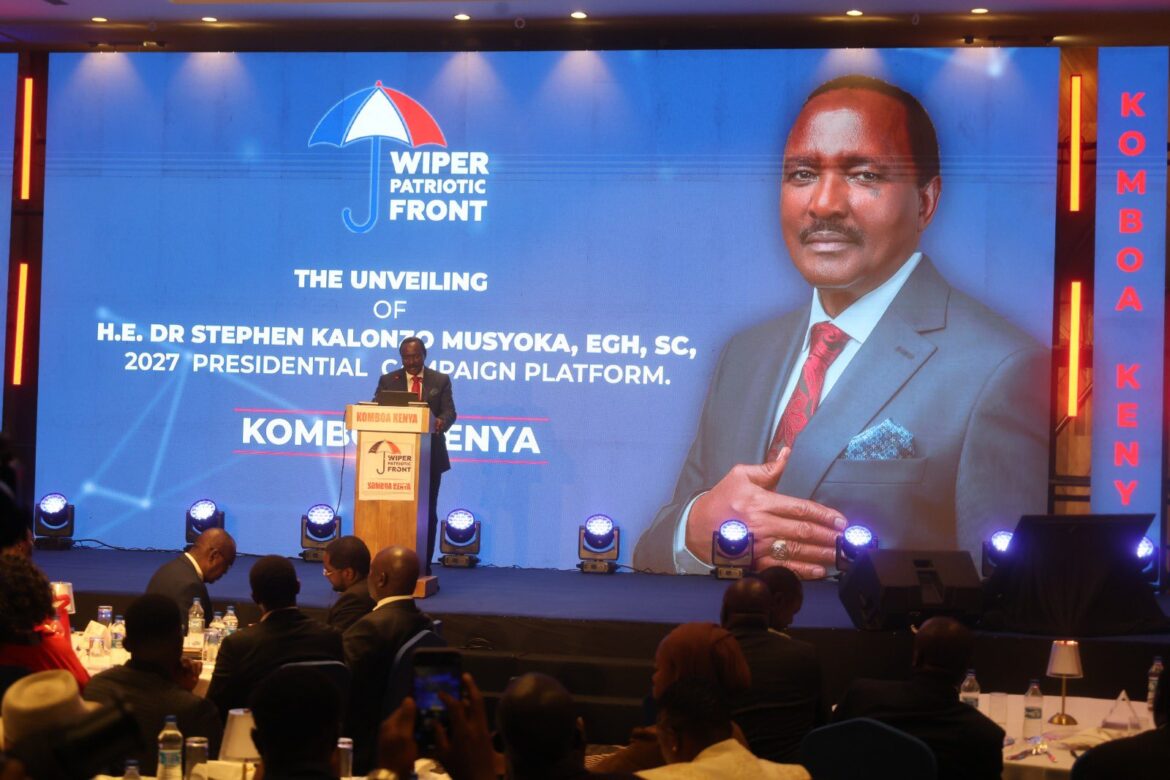
Wiper Movement launches recruitment drive for presidential campaign chief as Kalonzo Musyoka intensifies State House bid

The Wiper Patriotic Front has taken a major step towards the 2027 General Election after advertising the position of Presidential Campaign Manager, signalling that party leader Kalonzo Musyoka’s bid for State House is gathering momentum.

In a recruitment notice shared through the party’s official communication channels, Wiper invited qualified candidates to apply for the influential role, which will oversee the planning and execution of the party’s presidential campaign under the “Komboa Kenya” banner.

The vacancy announcement marks one of the clearest indications yet that the party is moving from political mobilisation to building the structures that will drive Kalonzo’s presidential campaign ahead of the next General Election.

Search for Campaign Strategist

According to the advertisement, the successful candidate will be responsible for developing and implementing the national campaign strategy, coordinating regional and county campaign teams, and managing stakeholder engagement.

The campaign manager will also be tasked with handling crisis response during the election period, underscoring the strategic importance of the position in what is expected to be a fiercely contested presidential race.

Wiper said applicants must have at least 10 years of relevant experience and asked interested candidates to submit their curriculum vitae, cover letters, and academic certificates via email.

The party also directed applicants to visit its official website for a detailed job description.

‘Komboa Kenya’ Campaign

The recruitment notice prominently features the slogan “Komboa Kenya” (Rescue Kenya), which has increasingly become associated with Kalonzo’s message as he positions himself as an alternative to the Kenya Kwanza administration.

Political observers view the decision to publicly recruit a campaign manager as a sign that Wiper is professionalising its campaign machinery well ahead of the election season.

The move comes at a time when political parties are increasingly investing in structured campaign operations, data-driven voter outreach and nationwide grassroots mobilisation.

Kalonzo Steps Up 2027 Preparations

Kalonzo has in recent months stepped up his nationwide political engagements, holding meetings with opposition leaders, grassroots supporters and civil society groups as preparations for the next election gather pace.

The Wiper leader has repeatedly declared his intention to contest the presidency, insisting that he remains committed to offering Kenyans what he describes as an alternative leadership agenda centred on economic recovery, constitutionalism and good governance.

His campaign preparations have also coincided with broader efforts by opposition leaders to strengthen cooperation ahead of the 2027 General Election.

Professional Campaign Structure

The decision to advertise such a senior position publicly reflects an increasing trend among political parties to professionalise campaign management by recruiting experienced strategists capable of coordinating complex nationwide operations.

Beyond political messaging, modern presidential campaigns require extensive planning in logistics, communications, fundraising, stakeholder management, volunteer coordination and rapid response to emerging political developments.

The successful applicant is expected to play a central role in coordinating Wiper’s campaign activities across all regions of the country.

Race for State House Begins to Take Shape

Although the Independent Electoral and Boundaries Commission (IEBC) has yet to officially declare the campaign period, political activity across the country has intensified as parties begin positioning themselves for the next presidential contest.

Several leaders have already embarked on nationwide tours, voter mobilisation drives and coalition-building efforts as the race for State House gradually gathers momentum.

Wiper’s latest recruitment drive is expected to fuel speculation about Kalonzo’s campaign strategy and the alliances he may pursue in the run-up to the election.

With the search for a campaign manager now underway, the party appears determined to establish the organisational framework needed to mount what is expected to be one of the most closely watched presidential campaigns in Kenya’s recent political history.

0 comment
0 FacebookTwitterPinterestLinkedinTumblrWhatsappTelegramEmail
Suna East MP Junet Mohamed.

National Assembly Minority Leader Junet Mohamed has defended the government’s plan to compensate victims of political violence and questioned critics within ODM who have opposed the allocation of KSh2 billion for the exercise.

In a strongly worded statement issued on Monday, June 22, 2026, Junet accused some ODM members of abandoning a long-standing party position that has consistently demanded compensation for victims of post-election and protest-related violence.

The Suna East MP argued that ODM has, since 2007, championed justice and compensation for Kenyans who suffered deaths, injuries, displacement and destruction of property during periods of political unrest.

“ODM Party since 2007 has always maintained that victims of post-election and protest-related violence be compensated for their losses even as justice is pursued to bring perpetrators to book,” Junet said.

According to the Minority Leader, the party continued pushing for compensation even after the 2018 Handshake between former President Uhuru Kenyatta and ODM leader Raila Odinga.

He noted that ODM repeatedly demanded compensation for victims of the 2013 and 2017 post-election violence, but those efforts did not yield results.

“Even after the 2018 Handshake, we spent considerable time demanding the state compensates the victims of the 2013 and 2017 post-poll violence. Needless to say, the government never compensated the victims,” he stated.

Junet said the issue was revisited following the formation of the broad-based government arrangement in 2024, with ODM leaders pushing for compensation to cover victims affected by political violence between 2007 and 2024.

He claimed that for the first time, the government had shown willingness to compensate victims while investigations and prosecutions of those responsible continued.

“After the formation of the broad-based government, we renewed calls for compensation to cover the prior years, as well as 2023 and 2024. This time round, the state showed willingness to compensate in the first instance, even as it pursues the perpetrators,” he said.

The lawmaker took issue with those insisting that compensation should only be paid after all perpetrators are prosecuted, arguing that such a position would effectively deny victims justice and relief.

“Those today claiming the compensation of victims must only come after the perpetrators have been prosecuted are merely saying they do not want the victims to be compensated at all,” Junet said.

In a direct swipe at dissenting voices within ODM, he questioned why some leaders who previously advocated for compensation had suddenly changed their position.

“Majority of these people, particularly the ODM rebels without a cause, were at the forefront in demanding compensation — so much so they were threatening to pull the party out of government. What changed?” he posed.

Junet further argued that compensation and accountability should not be viewed as mutually exclusive, maintaining that victims deserve immediate support even as legal processes continue.

“It cannot be that in our country, the endless suffering of our people continues being used as the main currency to transact national politics,” he said.

The Minority Leader pointed to past government interventions, including land purchases for internally displaced persons (IDPs), arguing that such measures were widely accepted as forms of compensation despite ongoing calls for justice.

“The buying of land to resettle IDPs was a form of compensation that no one opposed; was justice irrelevant then?” he asked.

According to Junet, thousands of families affected by political violence over nearly two decades continue to carry the burden of loss, injury and displacement and deserve closure.

“From 2007 to date, there are families who’ve suffered immensely and deserve a measure of closure on the lifelong injuries, crimes against the person, deaths and destruction they endured,” he said.

He described compensation as part of restorative justice and insisted that supporting victims remains consistent with ODM’s historical position.

“Restorative justice is justice too. A true ODM leader cannot oppose compensation of the party supporters and other innocent Kenyans who suffered political violence during our long years of protests,” Junet added.

The legislator revealed that KSh2 billion had been allocated in the 2026/27 financial year budget to compensate victims and encouraged affected individuals and families to begin the process of seeking assistance.

“We allocated in the FY2026/27 budget the sum of KSh2 billion to compensate victims and I urge families and individuals who suffered in the past protests to reach out to the nearest KNHRC offices,” he said.

His remarks come amid growing political debate over the compensation programme, with supporters describing it as a long-overdue measure for victims while critics question the timing, criteria and implementation of the initiative.

As discussions continue, the compensation plan is emerging as another flashpoint within ODM and the broader political landscape, exposing divisions over how best to balance accountability, justice and support for victims of political violence.

0 comment
0 FacebookTwitterPinterestLinkedinTumblrWhatsappTelegramEmail
Edwin Watenya Sifuna

Embattled ODM Secretary-General Edwin Sifuna has been removed from the influential Senate Energy Committee in a move that is likely to fuel speculation about deepening divisions within the Orange Democratic Movement (ODM).

The Nairobi Senator was replaced by Homa Bay Senator Moses Kajwang’ in a committee reshuffle announced on Wednesday, effectively ending Sifuna’s membership in the powerful oversight team chaired by ODM leader Oburu Oginga.

The development comes amid an increasingly public fallout between Sifuna and Oburu over the direction of ODM and the party’s working relationship with President William Ruto’s administration.

Sifuna’s removal is particularly significant because he has been one of the most outspoken members of the Senate Energy Committee, often taking tough positions on controversial national issues. He was among lawmakers who aggressively scrutinized the proposed Adani Group deal involving the expansion of Jomo Kenyatta International Airport before the government eventually terminated the project.

In the latest committee changes, Garissa Senator Abdul Haji was nominated to the Energy Committee, replacing nominated Senator Beatrice Ogolla. Machakos Senator Agnes Kavindu was also moved to the Senate Information, Communication and Technology Committee, replacing Ogolla.

Ogolla, in turn, was appointed to the Senate Agriculture, Livestock and Fisheries Committee, taking over from Kajwang’.

Unlike the other senators affected by the reshuffle, Sifuna was not reassigned to a new committee. The decision leaves him serving in only two Senate committees: the County Public Accounts Committee chaired by Moses Kajwang’ and the National Security, Intelligence and Foreign Relations Committee chaired by Isiolo Senator Fatuma Dullo.

Announcing the changes in the Senate, Majority Leader Aaron Cheruiyot said the reshuffle was approved following recommendations by the Senate Business Committee and in accordance with Senate Standing Orders.

The committee changes are expected to intensify debate within ODM, where ideological and political differences have become increasingly visible.

Sifuna is widely associated with the party’s Linda Mwananchi faction, which has maintained a critical stance toward the broad-based arrangement between ODM and Kenya Kwanza. On the other hand, Oburu is viewed as a leading figure in the Linda Ground camp, which supports continued engagement with President Ruto’s government.

The tensions between the two leaders have played out publicly in recent months. Earlier this year, Sifuna openly opposed serving under Oburu’s leadership after the veteran politician assumed a more prominent role within ODM following Raila Odinga’s departure from the party leadership position.

In one of his sharpest attacks, Sifuna accused sections of the ODM leadership of mediocrity and demanded internal party elections.

“I refuse to be the SG of mediocrity. I refuse to be the SG of Oburu Oginga. These characters do not deserve me. Let them ask for a proper NDC where we shall present candidates for all the party positions,” Sifuna declared.

With ODM increasingly divided over its relationship with President Ruto and the future direction of the party, Sifuna’s removal from the Energy Committee is likely to be viewed by many observers as more than a routine Senate reshuffle.

The move now raises fresh questions about Sifuna’s standing within ODM and whether the battle for control of the party is entering a new and more confrontational phase.

0 comment
0 FacebookTwitterPinterestLinkedinTumblrWhatsappTelegramEmail
DCP party leader Rigathi Gachagua

Former Deputy President Rigathi Gachagua remains constitutionally eligible to contest the presidency in 2027 despite a setback in the High Court in his impeachment case.

This is according to lawyer Peter Manyonge Wanyama, who argues that the legal process is still ongoing and that the final determination of the former deputy president’s political future rests with the Supreme Court.

“The Constitution provides adequate safeguards, checks, and balances regarding the fate of the impeached Deputy President Rigathi Gachagua. His fate lies in the Supreme Court, not the High Court or the Court of Appeal,” Wanyama stated.

According to the lawyer, while Gachagua may have encountered legal hurdles at the High Court level, the Constitution protects his political rights until all available avenues of appeal have been exhausted.

“Although he has faced setbacks at the High Court, it is important to note that until the Supreme Court upholds the decision, Rigathi Gachagua remains eligible to vie for the presidency,” he explained.

Wanyama further argued that Kenyan constitutional law does not automatically disqualify a candidate from elective office before the completion of the entire judicial process.

“According to the Constitution, a person is not disqualified from running for election unless all avenues for appeal have been exhausted,” he added.

The lawyer cautioned both supporters and critics of Gachagua against drawing premature conclusions from the High Court ruling, insisting that the legal battle is far from over.

“Therefore, for those on the opposite side, it is premature to celebrate or lament the High Court’s decision. The process is not yet complete,” Wanyama said.

The remarks come amid heightened political and legal debate surrounding Gachagua’s impeachment case, which has emerged as one of the most consequential constitutional disputes in recent years.

The High Court on Monday, June 8, 2026, upheld Gachagua’s impeachment but awarded him Ksh50 million in damages.

0 comment
0 FacebookTwitterPinterestLinkedinTumblrWhatsappTelegramEmail
Kalonzo Musyoka's presidential agenda

Wiper Patriotic Front leader Kalonzo Musyoka has unveiled a 13-point presidential agenda outlining what he describes as a transformative roadmap to restore good governance, revive the economy, and improve the lives of ordinary Kenyans if elected to power.

The agenda, published online, details Kalonzo’s policy priorities across governance, economic recovery, healthcare, education, infrastructure, security and foreign policy as he positions himself ahead of the 2027 General Election.

In a statement accompanying the launch of the framework, the former Vice President said the plan is aimed at addressing Kenya’s current social, economic and governance challenges while laying the foundation for long-term prosperity.

“This is a comprehensive policy framework anchored on the restoration of good governance, the rule of law and constitutionalism, charting a clear path toward a secure, productive and inclusive Kenya,” Kalonzo said.

Human rights and constitutionalism

At the centre of Kalonzo’s agenda is a commitment to protect constitutionalism, human rights and civil liberties.

The Wiper leader pledged to safeguard the freedoms of all citizens while rebuilding a culture of tolerance, democracy, and respect for dissenting opinions.

He said his administration would prioritize the rule of law and strengthen institutions tasked with protecting constitutional rights and accountability.

Anti-corruption drive

Kalonzo placed the fight against corruption among his top priorities under the banner “Komesha Ufisadi.”

He promised to audit public programmes, recover stolen public funds, and crack down on the misuse of state resources.

According to Kalonzo, resources recovered from corruption would be redirected toward development projects and public services that directly benefit citizens.

The opposition leader argued that corruption remains one of the biggest obstacles to economic growth and efficient service delivery in Kenya.

Economic recovery and cost of living

Addressing the rising cost of living, Kalonzo proposed an economic recovery programme focused on reducing taxes on essential goods and services while stimulating job creation and wage growth.

“Our focus will be on easing the burden on families through practical economic reforms that stimulate growth and create opportunities for all,” he said.

He outlined plans to support businesses, strengthen household purchasing power, and create a more favorable economic environment for investors and entrepreneurs.

Agriculture, SMEs, and tourism

The agenda identifies agriculture, small and medium-sized enterprises (SMEs), and tourism as key pillars of economic recovery.

Kalonzo pledged to modernise agriculture through expanded irrigation, improved productivity, and support for farmers.

He also promised targeted investments aimed at strengthening SMEs, which he described as critical drivers of employment and innovation.

In tourism, the Wiper leader said his administration would pursue policies to increase investment, market Kenya globally, and boost earnings from the sector.

Infrastructure and energy plans

On infrastructure, Kalonzo proposed an ambitious plan to improve roads, railways, ports, and digital connectivity across the country.

He also pledged to expand Kenya’s energy generation capacity to 6,000 megawatts as part of efforts to support industrialisation and economic growth.

Access to clean water and reliable internet connectivity also features prominently in the agenda.

Education and healthcare reforms

The former Vice President promised wide-ranging reforms in the education sector, including stabilising curriculum reforms, improving school funding, and aligning education with labour market needs.

He said the government must ensure students acquire skills relevant to emerging economic opportunities.

In healthcare, Kalonzo pledged to restructure health financing systems, improve hospital equipment, and strengthen the welfare of healthcare workers.

He argued that efficient and accessible healthcare remains critical to improving the quality of life for Kenyans.

Social protection and public service reforms

The agenda also focuses on strengthening social protection programmes targeting vulnerable groups, including persons with disabilities, senior citizens, and low-income households.

Kalonzo further promised to restore professionalism and merit-based recruitment in the public service, saying appointments should prioritize competence and integrity.

Security and foreign policy

On security, Kalonzo pledged to strengthen community policing, restore professionalism within the police service, and dismantle criminal gangs.

He also emphasized the importance of regional cooperation and international diplomacy, promising to pursue what he described as an “interest-based foreign policy.”

The Wiper leader said Kenya would deepen engagement within the East African Community and the African Union while protecting national interests internationally.

Early positioning for 2027

The unveiling of the 13-point agenda is widely seen as part of Kalonzo’s broader political strategy ahead of the 2027 elections as opposition leaders begin shaping their policy platforms and governance alternatives.

The agenda is expected to fuel debate over governance, economic management, and the direction of the country as political competition gradually intensifies.

0 comment
0 FacebookTwitterPinterestLinkedinTumblrWhatsappTelegramEmail
  • The governor now faces mounting pressure to explain wealth, alleged cash disbursements, and explosive affidavit claims linked to corruption investigations.
  • For Barasa, the legal and political implications are becoming increasingly severe.

A fresh constitutional petition filed before the High Court in Nairobi has plunged Kakamega Governor Fernandes Barasa into what is rapidly emerging as one of the most politically explosive legal battles of his career.

The petition, lodged before the Constitutional and Human Rights Division at Milimani by Kakamega voter Stephen Otieno, seeks to compel the governor to publicly account for his wealth and explain a series of alarming financial disclosures allegedly contained in sworn affidavits previously filed in court.

Filed under a raft of constitutional provisions touching on integrity, accountability and public finance management, the petition places Barasa at the centre of a growing storm over claims linked to his former tenure at Kenya Electricity Transmission Company and alleged suspicious financial dealings amounting to hundreds of millions of shillings.

According to court documents, the petitioner argues that Barasa, in his personal capacity, has failed to provide verifiable financial records to support claims that he lost a staggering Ksh450 million through alleged extortion schemes tied to two separate criminal cases before the Kibera Law Courts.

The documents indicate that the governor had reported alleged extortion of Ksh210 million in Criminal Case No. E988 of 2024 involving former Sports Cabinet Secretary Rashid Echesa and Joseph Lendrix Waswa, and a further Ksh240 million in Criminal Case No. E731 of 2024 involving William Matere Simiyu.

However, the petition now claims that immediately after the defence demanded the production of critical financial statements and records tracing the source and movement of the money, efforts were allegedly made to withdraw the criminal proceedings under Section 87A of the Criminal Procedure Code.

The petitioner argues that the move raised serious suspicion and created the impression that the cases were being abandoned to avoid deeper judicial scrutiny into the origin of the colossal sums.

In the explosive Certificate of Urgency accompanying the petition, lawyer June Odhiambo Ashioya argues that there exists a real danger that financial records and digital audit trails could be altered, destroyed or concealed if the court fails to intervene urgently.

The petitioner is now seeking preservation orders compelling the safeguarding of all relevant financial statements, audit trails and county-linked records under the custody of the Ethics and Anti-Corruption Commission pending the hearing and determination of the case.

The petition further states that the controversy remained largely hidden from public view until details emerged in mainstream media reports published on May 19, 2026, prompting urgent legal action.

But perhaps the most sensational aspect of the unfolding scandal are claims that Barasa’s affidavit allegedly contained admissions of substantial payments to a witch doctor during the tense run-up to the 2022 gubernatorial elections — revelations that have now intensified public fascination and political speculation around the case.

What initially appeared to be a tactical legal defence has now dramatically mutated into a full-blown constitutional and integrity crisis.

The petitioner contends that a sitting governor cannot invoke the courts to allege loss of Ksh450 million, seek legal protection, then attempt to terminate proceedings once questions are raised regarding the source of the funds.

“The integrity of public office under Chapter Six of the Constitution is under continuous threat,” the court filing states, arguing that accountability cannot be selectively applied to powerful public officials.

Legal observers say the matter could evolve into a defining integrity test not just for Barasa personally, but also for the enforcement of Chapter Six provisions governing leadership and public ethics.

“The gravity of the matter is that these are no longer ordinary political allegations traded at rallies,” noted one constitutional lawyer familiar with the proceedings. “The questions arise from sworn statements and judicial filings, which significantly raises the stakes.”

The petition also seeks to draw the EACC directly into the matter as a necessary constitutional body mandated to investigate unexplained wealth, economic crimes and possible abuse of office.

Already, political pressure is mounting on anti-corruption agencies to decisively establish whether the colossal sums referenced in court documents were personal funds, proceeds linked to public dealings, or resources whose origin cannot be satisfactorily explained.

For Barasa, the legal and political implications are becoming increasingly severe.

Opponents have seized on the controversy to portray the governor as a leader trapped by his own disclosures, while allies within his camp have remained noticeably restrained as the legal pressure escalates.

With the High Court now expected to issue directions on the petition, the matter threatens to reopen wider national debate on procurement scandals, unexplained wealth, abuse of office and the intersection between political power and public accountability.

As the courtroom showdown gathers momentum, Governor Barasa now finds himself navigating a dangerous legal minefield — one that could ultimately transform him from hunter to hunted in Kenya’s ever-intensifying war against corruption and impunity.

0 comment
0 FacebookTwitterPinterestLinkedinTumblrWhatsappTelegramEmail
John Waluke with Didmus Barasa

The race to take over the Bungoma gubernatorial seat is intensifying, with political leaders increasingly trading personal attacks in a shift away from policy-driven debate that has left the public stunned.

In a recent escalation, the rivalry between Sirisia MP John Waluke and Kimilili MP Didmus Barasa erupted into a public war of words, with both legislators exchanging sharp accusations that extended to their families.

The feud was sparked by Waluke, a staunch supporter of Westlands MP Tim Wanyonyi’s bid for the Bungoma governorship. While addressing residents, Waluke launched a scathing attack on Barasa, making derogatory and unverified claims about Barasa’s wife. He used inflammatory language to question her background and presence in the county, controversially suggesting she was “on loan.”

Barasa, however, did not take the remarks lightly. In a swift response, he took his rebuttal to Waluke’s political turf in Sirisia Constituency, addressing a crowd at Bisunu Market with equally sharp criticism. Barasa fired back by questioning Waluke’s family life, suggesting the MP should conduct DNA tests to verify the paternity of his children.

“A real man does not talk about women, and Waluke should know that my wife is not seeking any elective position. He should refrain,” Barasa said.

As Bungoma County steadily approaches the next electoral cycle, the political landscape is rapidly taking shape, marked by early campaigns and heightened grassroots mobilization. Leaders across the county are ramping up their presence at public events, signaling the onset of what is expected to be a highly competitive race that could attract both seasoned politicians and emerging contenders.

The growing visibility of aspirants such as Barasa reflects a broader trend of leaders seeking to expand their influence beyond traditional strongholds, positioning themselves as countywide figures capable of addressing Bungoma’s development priorities.

At the same time, the electorate appears increasingly focused on issues of accountability, service delivery, and unity, amid concerns that political rivalries could overshadow pressing socio-economic needs. Observers note that while such tensions may continue to dominate headlines, there is rising expectation among residents for more issue-based campaigns centered on healthcare, infrastructure, and economic empowerment.

As political momentum builds, Bungoma voters are expected to play a decisive role in shaping a leadership direction that balances experience, integrity, and a clear vision for the county’s future.

0 comment
0 FacebookTwitterPinterestLinkedinTumblrWhatsappTelegramEmail

Kibwezi West MP Mwengi Mutuse has come under fire for hijacking UDA activities in Ukambani region and sidelining party loyalists.

Mutuse who recently announced he had defected from Maendeleo Chap Chap party to UDA has ruffled feathers, with long time UDA leaders and supporters from the region accusing him of running a one-man show and attempting to isolate and sideline other leaders.

“He is causing divisions and rifts within UDA and this will frustrate our efforts to popularize UDA and campaign for President Ruto’s second term,” said a senior UDA leader from the Ukambani region.

At the same time, it has emerged that the leaders who are unhappy with the developments have hatched a plot to “impeach” Mutuse.

According to reliable reports, Mutuse’s main opponent for the Kibwezi West parliamentary seat James Mbaluka has launched a drive to collect signatures to have him recalled.

“The same thing he did to the then Deputy President Rigathi Gachagua is coming back to haunt him,” said political activist from Makueni county. “He will also be impeached”.

Mutuse’s dwindling political influence in Ukambani was evident over the weekend during during a function to distribute relief food in Kibwezi East Constituency.
Cabinet secretary for public service, human capital development and special programmes Geoffrey Ruku was the chief guest for the function held at Ulilinzi in Kibwezi East and Masumba in Kibwezi West.

Mutuse made a poster indicating that key UDA and government officials from Ukambani such as Principal Secretary for Aviation Teresia Mbaika, Fred Muteti, Regina Ndambuki, George Mwangangi and Kisoi Munyao would attend the function.

In what confirmed the widening rift within local UDA leadership, all the leaders, with the exception of Mwangangi skipped the high-profile event. The absence of the top UDA leaders sent a strong and clear message that all is not well within the UDA ranks in Ukambani.

According to insiders, the leaders were unhappy with Mutuse’s style of politics which they see as favouring short term populist interventions instead of structured long term development plans

Local residents also took to social media to criticize Mutuse over the same. The comments on Mutuse’s Facebook page were very critical of the MP.
“You are flying choppers to distribute mwolyo (relief food) while others are flying to give roads, stima and water? Maajab”.

“Come up with a permanent remedy like construction of dams and boreholes to enable citizens grow vegetables, fruits and also crop farming.”

At the same time, local leaders accused Mutuse of usurping other leaders’ mandate. “Why is he organizing an event in Kibwezi East without involving the area MP,” one UDA official pondered.

The UDA leaders have also noted the mischief of Mutuse recruiting candidates in the Machakos , Makueni and Kitui counties whom he has instructed to pretend to be in UDA but agenda is to use state funds to build their individual profiles and at the right time stand with Maendeleo Chap Chap Party and try and force No. 1 to negotiate with them as the alternative force to Wiper in the region.

The leaders have accused Mutuse of propping up his henchmen to sideline recognized popular UDA leaders.
In KIbwezi East, Mutuse is accused of promoting newcomer George Mwangangi at the expense of the more experienced and popular Amos Ngumbi who flew the UDA flag during 2022 elections and got respectable 5508 votes. “ He is fronting Mwangangi because he can manipulate him easily,” said the UDA official.

Similarly, Mutuse is accused of bypassing Onesmus Kimilu in Mbooni Constituency. Kimilu vied for the seat on UDA ticket in 2022 but Mutuse is now using Michael Kiosi who vied on Muungano ticket.

In an interesting turn of events, Mutuse’s scheme to use Francis Mutungi at the expense of Fred Muteti came to a dramatic end. The day Mutuse was to auction and deliver Mutungi to State House, he kept him waiting for over six hours at Palacina Hotel on Dennis Pritt road until Fred Muteti got wind of the sabotage and rushed to State House.

In Kilome constituency, Mutuse is using Monari Tangai in lieu of Regina Ndambuki while in Kaiti, Mutuse is grooming Elizabeth Ndinda to upstage PS Terry Mbaika.

Observers view Mutuse’s sinister moves as an elaborate scheme to finish UDA in Ukambani with Cabinet Secretary Alfred Mutua being part of the scheme.
In Kitui South he is wooing former MP, envoy Kiema kilonzo to upstage current MP Nimrod Mbai with whom they have sharp differences going back to their days when they served under then Governor Mutua.

According to insiders, all these guys who have been brought on board by Mutuse are riding on the support of state machinery to popularise their bid, and later pull a mass exit from UDA to Maendeleo Chap Chap Party ((MCCP) so that Mutua and Mutuse can package MCCP as a formidable force in Ukambani to negotiate for a stake in Ruto’s government.

But the schemes have failed to bear fruit.

Mutuse and MCCP’s failure to gain political traction in Ukambani can be attributed to Mutuse’s divisive style of leadership and his tendency to undermine other leaders especially those who refuse to bow down to his desired deity status. Other leaders doubt his level of discretion especially when he is in late night social engagements.

0 comment
0 FacebookTwitterPinterestLinkedinTumblrWhatsappTelegramEmail
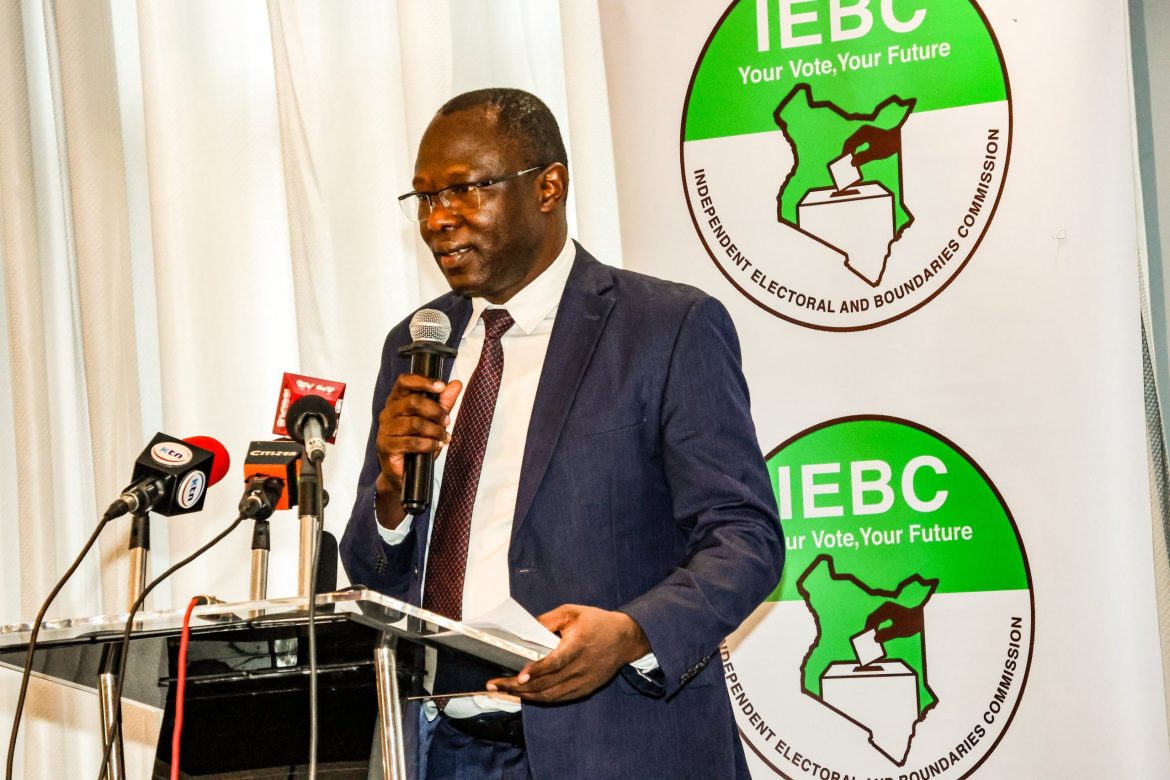
IEBC chairperson Erastus Ethekon

The Independent Electoral and Boundaries Commission (IEBC) has clarified widespread confusion over whether Kenyans who registered to vote before 2012 need to re-register ahead of the upcoming elections.

In a statement released on Saturday, April 4, 2026, the commission confirmed that citizens who registered before 2012 do not need to register again, provided they were captured in the biometric Register of Voters (ROV) introduced under the 2010 Constitution and the subsequent boundary delimitation in 2012.

“Not at all UNLESS they DID NOT register as voters from 2012 when the new Register of Voters (ROV) was established,” the commission said.

Before 2012, the voter register was manual. In 2012, the IEBC introduced a biometric system, requiring all eligible Kenyans to enroll and have their fingerprints and other details captured. This biometric ROV has been the official register since 2013 and was used in the 2022 General Election.

“As of the 2022 General Election, the Commission maintained an accurate and audited register comprising 22,120,458 voters,” IEBC noted.

The commission emphasized that only a few who may have missed registering in 2012 and never enrolled under the biometric system need to do so now. Everyone else who registered in 2012 or after is already in the system.

“No panic!! Hapa kazi tu!” the commission said, reassuring voters that the system is inclusive and participatory as Kenya deepens its democratic processes.

The clarification comes amid growing online discussions and misinformation, with some suggesting all old voters must re-register, potentially causing unnecessary anxiety among the electorate.

Voters are encouraged to verify their registration details online or at IEBC offices to ensure they can participate in the 2027 General Election.

IEBC reiterated that the electoral body remains committed to ensuring a smooth, transparent, and credible voting process for all Kenyans.

0 comment
0 FacebookTwitterPinterestLinkedinTumblrWhatsappTelegramEmail

The battle to succeed Didmus Barasa in Kimilili Constituency is rapidly taking shape, as the incumbent shifts his political focus toward the Bungoma gubernatorial seat. Amid this transition, fast-rising contender Abdul Aziz Mulama has seized the moment to consolidate his grassroots support with a bold show of political and economic influence.

Against the backdrop of shifting alliances in Bungoma County, Mulama’s latest engagement went beyond a conventional political rally, positioning itself instead as a strategic grassroots intervention. The initiative saw more than 50 Community-Based Organizations (CBOs) and 40 self-help groups receive essential equipment and financial support aimed at fostering economic independence.

The development comes just weeks after Mulama faced significant legal challenges following his arrest over assault allegations, claims his supporters have strongly dismissed as a “political witch hunt.”

Speaking at Amutallah Stadium, a visibly emotional Mulama recounted his time in custody, describing the experience as both difficult and spiritually strengthening. “I am here today because of your prayers,” he told the crowd. “The best way I can show my gratitude for the support you gave me during those dark days is to invest back into your hands. This empowerment is my ‘thank you’ to the people of Kimilili.”

The empowerment package was strategically designed to address the immediate economic needs of vulnerable populations through a multi-sectoral approach. Beneficiary groups received high-quality tents to support community events and income-generating activities such as rentals. This was complemented by a strengthened table banking model, providing revolving funds to women’s groups and self-help initiatives to scale up micro-enterprises.

These efforts build on Mulama’s existing track record in agricultural advocacy, following earlier interventions that supplied farmers with seeds and other essential inputs to boost food security and improve rural livelihoods.

As the 2027 general election draws closer, the political landscape in Bungoma County is becoming increasingly competitive. With the current MP eyeing the gubernatorial seat, Kimilili Constituency has emerged as a key political battleground.

Even so, Mulama used the platform to advocate for a shift away from confrontational politics. He called on his rivals to prioritize peaceful campaigns anchored in dialogue and mutual respect.

“We can only have a voice if we act,” he said, directing his message to young people. He urged them to take advantage of ongoing voter registration drives. “You cannot demand desirable leadership if you do not have the power to vote for it. Go and register, let your thumb do the talking in 2027.”

0 comment
0 FacebookTwitterPinterestLinkedinTumblrWhatsappTelegramEmail
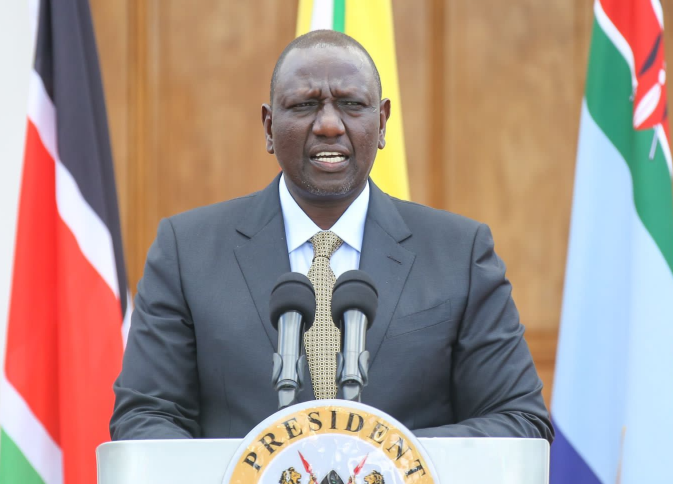
President William Ruto

President William Ruto has moved swiftly to consolidate support in Emurua Dikirr following a hotly contested United Democratic Alliance (UDA) nomination that was conducted on Friday, March 27, 2026.

The move signals a broader strategy aimed at unity, grassroots mobilisation, and securing a decisive by-election victory.

Taking to his official X account on Saturday, March 28, 2026, Ruto congratulated businessman David Keter, popularly known as Dollarline, on clinching the party ticket.

David Keter AKA Dollarline. PHOTO/Courtesy

Keter won the Emurua Dikirr UDA parliamentary party ticket after a nomination process in 96 polling stations.

He was declared the winner last night, after he garnered 13,759 votes.

He also praised his main challenger, Bernard Kipkoerch Ng’eno alias Buluu, for mounting a strong campaign.

Bernard Kipkoerch Ng’eno alias Buluu. PHOTO/@CaptainKipkorir/X

Bernard Kipkoech Ng’eno, the former MP’s personal assistant, got 13,394 votes in the elections, which were marred with accusations of bribery, repeat voting and voting by proxy in some of the polling stations.

“Congratulations David Keter aka Dollarline on your victory in yesterday’s UDA party nominations in Emurua Dikirr Constituency. You have our unqualified support as you carry the party’s flag into the by-election,” Ruto stated.

“We commend Bernard Ng’eno aka Buluu for running a strong campaign, cementing our party’s democracy at the grassroots.”

Ruto’s message struck a deliberate tone of reconciliation, urging supporters to close ranks after the bruising nomination battle.

“Now, we move forward as one solid team, united behind our candidate and our agenda,” the President said.

Ruto’s remarks seem to be an attempt to prevent post-primary fallout, a common challenge in Kenyan party politics.

By acknowledging Ng’eno’s role in strengthening grassroots democracy, Ruto signaled inclusivity, a move aimed at retaining the support base that backed rival camps during the nominations.

The President’s swift and unequivocal endorsement of Keter underscores the importance UDA is placing on the upcoming Emurua Dikirr by-election.

The endorsement effectively transforms Keter from a primary winner into the face of UDA’s campaign in the constituency.

Ruto’s statement also highlights a key pillar of his political playbook, grassroots mobilisation.

By praising the competitive nature of the primaries, the President reinforced UDA’s narrative as a party anchored in bottom-up democracy, a message that has been central to his political brand since the 2022 general election.

In Emurua Dikirr, this strategy is expected to translate into intensive local campaigning led by party structures, engagement with community leaders and opinion shapers, and consolidation of voter blocs that participated in the nominations.

The Emurua Dikirr parliamentary seat fell vacant following the death of Johana Ng’eno in a helicopter crash in Nandi County.

The upcoming by-election is seen as a critical test for UDA’s influence at the constituency level and its ability to maintain political dominance between general elections.

With the primaries concluded, attention now shifts to the campaign trail, where Keter is expected to leverage both his local support and the backing of the national party leadership.

Ruto’s early intervention suggests that UDA is keen to avoid the pitfalls of internal wrangles and instead project a united front ahead of the vote.

0 comment
0 FacebookTwitterPinterestLinkedinTumblrWhatsappTelegramEmail