Home Tags Posts tagged with "Willstone Homes"
Tag:

Willstone Homes

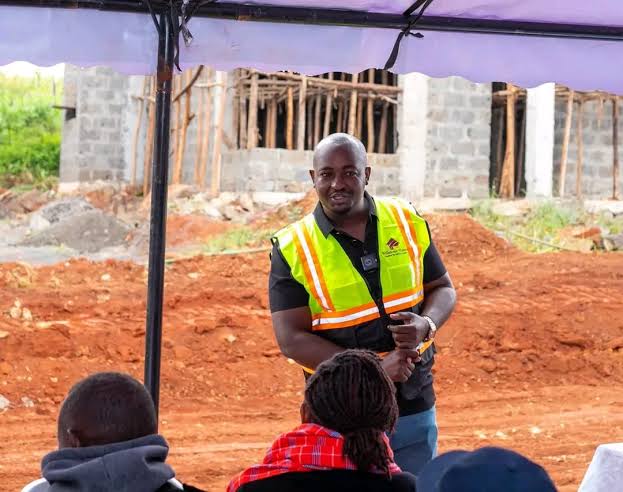
Willstone Homes Director Ejidio Kinyanjui at a past event

For thousands of Kenyans living abroad, the dream of owning a home back home has turned into a financial and emotional catastrophe. What began as hopeful investments in off-plan housing projects has, for many, ended in millions of shillings lost to elaborate property scams allegedly orchestrated by developers such as George Mburu of Mizizi Africa Homes, Ejidio Kinyanjui of Willstone Homes, and David Mureithi Kanyi of Kenya Projects.

From Malaa and Ruiru to Kamakis and Mombasa, a pattern has emerged: slick marketing, convincing paperwork, grand promises—and, ultimately, empty land or abandoned structures.

The Mburu Model: Dreams Sold on YouTube

In November 2021, US-based Kenyan Josphat Ndambo paid Sh4.25 million after watching a polished YouTube video advertising Asali Estate in Malaa, a project by Mizizi Africa Homes Limited. The video showcased computer-generated images of modern three-bedroom maisonettes set against Mount Kilimambogo.

Two years later, Ndambo’s “home” does not exist.

A visit to the site reveals unfinished foundations, no electricity, no infrastructure, and no active construction. Multiple investors tell similar stories. The mastermind behind the project, George Mburu, previously worked at the now-defunct Banda Homes before launching Mizizi Africa Homes.

Despite mounting complaints, Mburu has continued to project an image of success—operating from offices near Sarit Centre in Westlands and flaunting luxury cars and a lavish lifestyle on social media—while investors struggle to recover their money.

Willstone Homes: Fake Titles, Wrong Counties

Another major scandal centres on Willstone Homes Limited, linked to director Ejidio Kinyanjui, alongside Patrick Thuo Marigi and Victor Muusya Cosmus.

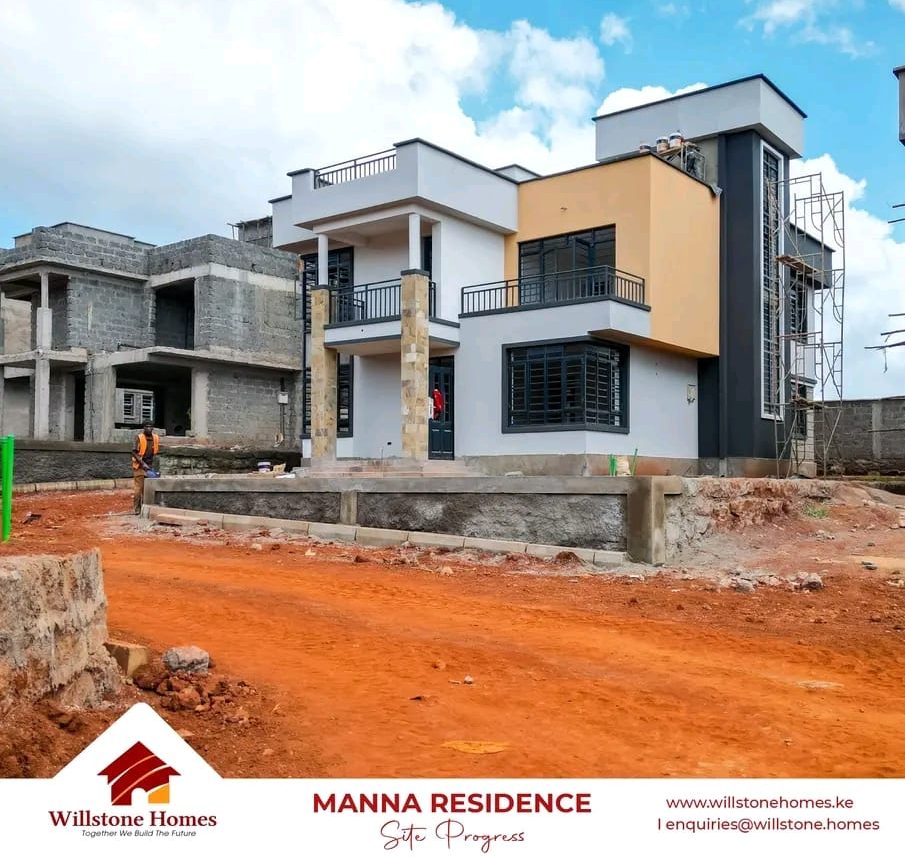
One of the Willstome Homes’ projects.

US-based investor Mellen Bwari Okari invested Sh57 million to purchase five maisonettes at White Park Gardens, an off-plan development marketed as being in Ruai East, Nairobi County.

A site visit revealed shocking truths:

  • Poor, substandard construction
  • The land was actually located in Mavoko, Machakos County, not Nairobi
  • The land registration numbers in the sale agreements were fabricated
  • The referenced title, Block 3/90489, does not exist

Further investigations showed that the directors of Willstone Homes had already moved on, registering a new company, Ubuni Investments, from the same Park Suites offices in Westlands. Meanwhile, investors were left holding worthless contracts.

Ejidio Kinyanjui of Willstone Homes.

Like Mburu, Kinyanjui has continued to display a lavish lifestyle online—posting first-class flights, helicopters, and luxury vehicles—while victims pursue stalled court cases.

Kenya Projects: Low Deposits, High Losses

Perhaps the most devastating cases involve David Mureithi Kanyi, the elusive businessman behind Kenya Projects, whose schemes targeted ordinary Kenyans with “affordable” housing offers.

In Kamakis, George Gitonga invested Sh2.9 million, money raised by cashing in his children’s education policy and selling his car, to buy a two-bedroom maisonette. He later discovered he was one of 37 victims of the same project.

Buyers were eventually forced to complete construction using their own funds. Even then, they have never received title deeds.

On the Coast, Kanyi allegedly went further. Victims, including Eva Mmbone Kiti, Nana Mohammed, Faud Ali Ahmed, and Nana Khadija Omar, wired Sh13 million for houses at Royal Palm Villas—only to discover the developer had taken a Sh55 million bank loan using the same property as collateral.

A Well-Rehearsed Scam Playbook

Across these cases, the tactics are strikingly similar:

  • Formation of legitimate-looking companies
  • Offices in upscale Nairobi locations
  • Slick brochures, videos, and influencer promotions
  • Fake or manipulated land registration numbers
  • Minimal construction to create an illusion of progress
  • Use of new buyers’ money to prop up older failing projects

Diaspora investors are particularly targeted because distance limits their ability to conduct due diligence or make frequent site visits.

Regulation Failure and Total Impunity

Kenya’s off-plan housing market remains poorly regulated. There is:

  • No mandatory escrow system
  • Weak licensing requirements
  • Poor enforcement by regulators
  • No central database of developers’ track records

Legislative attempts to reform the sector, including a proposal requiring developers to deposit Sh500 million as a licensing bond, have stalled in Parliament.

Meanwhile, criminal prosecutions are rare. Developers simply shut down one company and open another, leaving court judgments unenforced and victims drained by legal fees.

Broken Lives, Not Just Broken Projects

Most victims are not wealthy speculators. They are nurses, drivers, teachers, and security guards working double shifts abroad, sending money home with the hope of retiring with dignity.

Instead, they are left with:

  • Worthless paperwork
  • Crippling debt
  • Years of litigation
  • Psychological trauma

A System That Enables Theft

Experts say the fraud thrives because of systemic failures:

  • Forged land records
  • Complicit officials
  • Weak banking due diligence
  • Ineffective industry self-regulation

Until Kenya enforces mandatory escrow accounts, strict licensing, criminal penalties, and transparent developer registries, the carnage will continue.

A Warning to the Diaspora

The stories of George Mburu, Ejidio Kinyanjui, and Kenya Projects are not isolated incidents—they are symptoms of a broken system.

For now, diaspora Kenyans are left to warn each other in WhatsApp groups and online forums, while rogue developers continue to operate openly.

The question is no longer if reform is needed—but how many more millions must be lost, and how many more dreams destroyed, before action is taken.

0 comment
0 FacebookTwitterPinterestLinkedinTumblrWhatsappTelegramEmail
Willstone Homes Managing Director Ejidio Kinyanjui

Willstone Homes has once again reaffirmed its dominance in Kenya’s property development sector with the unveiling of a series of landmark projects over the past two weeks. These new undertakings further entrench the company’s position as a premier developer of integrated, master-planned communities that fuse affordability, lifestyle, and long-term asset value.

The recently launched developments demonstrate Willstone’s commitment to creating more than physical structures. They represent sustainable urban ecosystems that balance modern architectural aesthetics with functional design, energy efficiency, and value engineering. By offering flexible financing options and tiered payment plans, Willstone is democratizing home ownership while delivering properties that appreciate as prime real estate assets.

Central to this success is the strategic leadership of the company’s CEO, whose foresight has transformed Willstone into a market trendsetter. His emphasis on project delivery within stipulated timelines, adherence to international construction standards, and relentless focus on client satisfaction has cultivated strong investor confidence and brand loyalty.

The impact of these projects extends well beyond home buyers. By leveraging local supply chains, deploying advanced construction technologies, and engaging a skilled workforce, Willstone Homes continues to stimulate economic growth and drive job creation within the built environment. The developments themselves are configured as lifestyle-driven enclaves, with amenities that align to global benchmarks in gated community living.

Industry analysts observe that Willstone’s portfolio exemplifies the future of real estate in Kenya: scalable housing solutions that blend affordability with aspirational living, mixed-use developments that unlock new revenue streams, and investment-grade properties that strengthen the secondary market. With over 3,500 completed units already delivered, each new project further consolidates its reputation as a trusted developer of high-quality, enduring assets.

As the company looks ahead, its project pipeline promises even more transformative residential and commercial properties strategically located to capture both lifestyle buyers and institutional investors. By continually redefining the standards of design, sustainability, and value creation, Willstone Homes is not only setting the benchmark for real estate excellence but also shaping the trajectory of Kenya’s property market for generations to come.

0 comment
0 FacebookTwitterPinterestLinkedinTumblrWhatsappTelegramEmail

Once touted as a rising star in affordable housing, Willstone Homes has instead emerged as one of Kenya’s most inconsistent real estate developers, plagued by scandals, legal disputes, and project failures that have left investors questioning its credibility.

The company’s troubles have been as much internal as external. Earlier this year, a boardroom battle between directors Ejidio Kinyajui and Victor Cosmus Muusya spilled into the courts.

Kinyajui accused Muusya of blocking him from becoming a signatory to company bank accounts, a move that risked stalling projects and delaying payouts to clients.

Muusya responded with counter-claims of mismanagement, money laundering, and tax fraud.

Although a costly settlement restructured ownership and restored joint control of accounts, the episode underscored the fragile governance at the heart of the company.

Beyond boardroom wrangles, Willstone Homes has been repeatedly accused of selling properties it does not legally own.

In one case, a diaspora client based in the United States paid Sh2 million for a unit under the “Manna Residence” project, only to discover the land had not been secured by the company. Despite legal pressure, the firm resisted a full refund before eventually settling the matter out of court. Other buyers, such as Joseph Kiiru, faced similar ordeals—paying millions for units that remained incomplete long after promised timelines, with the company threatening repossession rather than refund.

The controversies do not end there. Projects branded as “Batian Court” and “Elgon Court” collapsed after the rightful landowner refused to sell to Willstone Homes, despite dozens of units already being marketed and sold to unsuspecting buyers. Reports also reveal that the developer failed to complete payment for a 17-acre parcel in Ruiru, raising uncertainty over the fate of hundreds of homebuyers who invested in the disputed land.

These repeated scandals point to a pattern of inconsistency—grand promises followed by half-delivered projects, bitter legal disputes, or outright collapse. Clients have reported missing documentation, stalled construction for over two years, vanished sales teams, and refund requests that go unanswered.

For many Kenyans, these experiences reinforce growing skepticism about off-plan housing schemes, which promise affordability but often deliver heartbreak. As one industry observer noted, “Off-plan houses remain a gamble in Kenya. Without proper regulation, developers like Willstone Homes turn dreams into nightmares.”

With its reputation now mired in fraud claims and governance failures, Willstone Homes stands as a cautionary tale in Kenya’s booming but poorly regulated real estate sector—an emblem of inconsistency that investors can no longer afford to ignore.

0 comment
0 FacebookTwitterPinterestLinkedinTumblrWhatsappTelegramEmail
Willstone Homes Managing Director Ejidio Kinyanjui

Leading real estate developer Willstone Homes has moved swiftly to dismiss allegations of fraudulent activity, asserting its unblemished track record since launching operations eight years ago.

In a statement issued to newsrooms, the company highlighted its milestones in Kenya’s real estate sector, noting the successful settlement of over 2,000 families in well-developed homes across several satellite towns.

“Since inception, we have successfully completed and delivered 18 housing projects across three distinct regions — Joska, Kamulu, and Kenyatta Road,” said Managing Director Ejidio Kinyanjui. “These developments are fully occupied and stand as a testament to our continued commitment to transforming communities through the off-plan housing model.”

Willstone Homes added that six additional projects are currently under active development and will be handed over to clients upon completion.

While acknowledging the occasional challenges typical of large-scale developments, Kinyanjui emphasized that the off-plan model relies on a mutual understanding between developers and clients.

“Our ongoing Manna Residence project is our largest single housing development to date. Despite misconceptions, it continues to progress steadily toward completion,” he said.

Kinyanjui also pointed to recent milestones as proof of continued delivery: “Just three weeks ago, we held a title deed award ceremony for several homeowners at Manna Residence — a visible sign of the work we’re doing on the ground.”

He urged clients and stakeholders to visit construction sites directly or send trusted representatives to witness ongoing progress firsthand.

0 comment
0 FacebookTwitterPinterestLinkedinTumblrWhatsappTelegramEmail