Home Latest News
Category:

Latest News

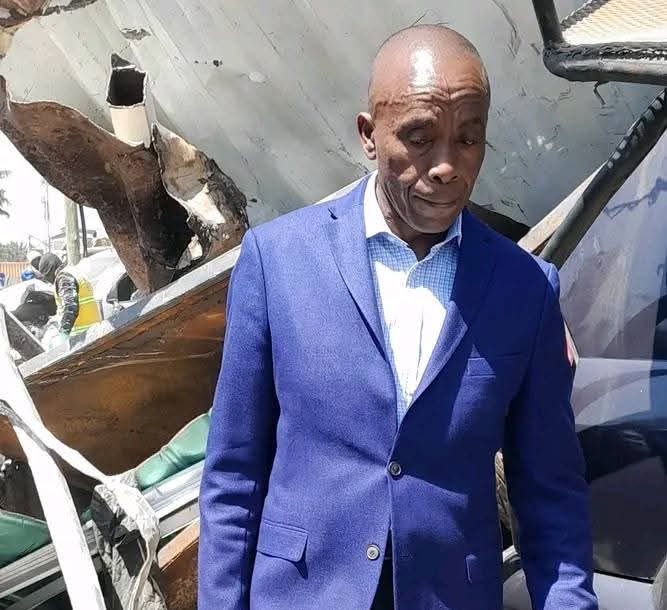
Nyamira Governor Amos Nyaribo

A sophisticated fraud scheme has rocked Nyamira County after senior officials allegedly siphoned Sh21.2 million from a World Bank-funded project aimed at transforming informal settlements into decent living spaces for thousands of residents.

The embezzlement of the Kenya Informal Settlement Improvement Project II funds, which were part of a larger Sh235 million conditional grant, has now triggered a criminal investigation by the Ethics and Anti-Corruption Commission and exposed a web of collusion between county officials and banking staff.

Documents obtained by this writer reveal that county officials and the KISIP II Nyamira County Project Coordinator, who were signatories to the project bank account domiciled at the Equity Bank Nyamira Branch, allegedly clandestinely withdrew the money and channeled it towards non-project activities, in flagrant violation of donor guidelines.

The scandal unfolded when Charles Hinga, Principal Secretary for the State Department of Housing and Urban Development, detected suspicious transactions on the project account and moved swiftly to freeze further operations.

In a hard-hitting letter dated October 21, 2025, Hinga ordered an immediate suspension of all project works and temporary freezing of account number 0520*****9409 at Equity Bank Nyamira Branch.

The alarm bells rang after preliminary investigations showed that funds earmarked for upgrading roads, installing streetlights, constructing drainage systems, and providing security of tenure to residents living in informal settlements had instead been diverted to unauthorized expenditure.

Bank admits internal fraud

The gravity of the situation became apparent when Equity Bank acting Managing Director Moses Okoth Nyabanda confirmed in a letter dated November 20, 2025, that the account had been frozen on November 1 and admitted the suspected irregularities resulted from internally orchestrated fraud.

“We have initiated an internal investigation into the operations of the said account to ascertain the circumstances surrounding the reported irregularities,” Nyabanda wrote in the letter addressed to Hinga and copied to Cabinet Secretary Alice Wahome.

The admission by Kenya’s second-largest bank by assets is particularly damning given that Equity Bank has been grappling with a wave of fraud cases.

In May this year, the bank fired 1,200 staff members in what CEO James Mwangi described as a ruthless anti-fraud crackdown after the institution lost Sh1.5 billion to staff collusion schemes.

The KISIP II scandal adds to Equity Bank’s mounting credibility crisis.

The bank has been accused of failing to flag irregular withdrawals and rapid large transfers from the Nyamira project account, raising questions about its internal controls when handling public and donor funds.

Widening investigation targets bank officials

Sources within the investigation team have revealed that the probe will now be widened to include Equity Bank officials suspected of colluding with county officials to facilitate the withdrawal of project money.

Kenya Insights has established that investigators are examining why the bank’s risk management systems failed to detect and stop the diversion of donor funds despite strict guidelines requiring that such accounts be monitored for irregularities.

When reached for comment on the matter, Equity Bank CEO James Mwangi did not respond to our queries by the time of going to press.

The KISIP II project, which is jointly funded by the Government of Kenya, the World Bank, and Agence Française de Développement, was designed to transform the lives of residents in nearly 200 informal settlements across 33 counties through improved infrastructure, land tenure security, and access to basic services.

In Nyamira, the project was expected to benefit communities in areas such as Keroka Market, where modern vendor stalls were to be constructed, and other informal settlements that desperately needed improved roads, water, sanitation, and lighting.

Governor Nyaribo silent on recovery

Governor Amos Nyaribo, whose administration has been dogged by multiple corruption scandals, did not respond to queries sent to him via phone and email regarding what remedial measures his government has taken to recover the lost funds.

The governor’s silence comes at a particularly precarious time for his administration.

Last month, the Senate heard impeachment charges against him, with members of the County Assembly accusing him of gross violation of the Constitution, abuse of office, and presiding over a payroll fraud syndicate that resulted in the loss of public funds.

On December 17, Nyaribo appeared before the EACC to answer questions about another corruption case involving irregular procurement and the award of a Sh382 million contract for the construction of county government offices.

Signatories changed, audit function weakened

It has since been established that the account signatories typically included the Chief Officer of Finance or their designate, the Chief Officer in charge of Housing, and the County Project Coordinator.

However, investigations have revealed frequent changes of personnel, making it difficult to pinpoint exactly who authorized the fraudulent transactions.

This pattern mirrors a broader problem in donor-funded projects across Kenya, where officials deliberately rotate signatories to obscure accountability.

Government investigators have also discovered that internal audit functions in Nyamira County were systematically weakened, with internal auditors either sidelined or transferred, while external audits were delayed long enough for money trails to fade.

Peter Orwa, a senior official in the Ministry of Lands, Housing and Urban Development, confirmed that the cumulative amount of funds diverted from the project account to pay for non-project related activities was Sh21,222,432.50.

“We have written to the county suspending the use of the conditional grant until corrective actions are taken. These include a change of the then bank account signatories, refund of all diverted funds, and appointing a dedicated internal auditor and strengthening the internal audit function,” Orwa said.

Donors’ strict reporting requirements circumvented

The diversion of KISIP II funds in Nyamira follows a disturbing pattern seen in numerous donor-funded projects across Kenya.

Once funds are disbursed into designated project accounts held in commercial banks, unscrupulous officials quietly alter signatories, authorise questionable withdrawals, or redirect money to non-project expenditures.

Insiders say donors’ strict reporting requirements are routinely met with forged progress documents, doctored audit trails, and manipulated site inspection reports.

In many cases, tenders are awarded to shell companies linked to officials or their proxies, with contractors paid upfront for work that is either poorly executed or never begins.

By the time discrepancies trigger donor inquiries, most funds have been siphoned, leaving stalled infrastructure, ghost projects, and communities with nothing to show for the millions meant to transform their lives.

The Nyamira scandal has particularly angered residents who were counting on the KISIP II project to improve their living conditions in overcrowded and underserved informal settlements.

“We were promised better roads, streetlights, clean water, and proper drainage. Now we hear that the money meant for us has been stolen by the very people who were supposed to help us,” said a resident of one of the targeted informal settlements who requested anonymity for fear of reprisals.

EACC steps in

The EACC has now taken over investigations into the matter, with officials expected to forensically examine bank statements, procurement documents, and payment vouchers to establish the full extent of the fraud and identify all individuals involved.

The commission is also expected to pursue asset recovery proceedings against anyone found to have benefited from the stolen funds.

The KISIP II scandal in Nyamira is the latest in a series of high-profile corruption cases that have plagued Governor Nyaribo’s administration and raised serious questions about oversight mechanisms in county governments handling donor-funded projects.

With the Senate impeachment trial still pending and multiple EACC investigations ongoing, the governor’s political future hangs in the balance as investigators race to unravel the full extent of corruption in his administration and recover millions of shillings stolen from the poor.

For the residents of Nyamira’s informal settlements, the KISIP II scandal represents more than just lost money.

0 comment
0 FacebookTwitterPinterestLinkedinTumblrWhatsappTelegramEmail
Spiro Kenya motorbikes
  • Riders pay roughly KES 95,000 for a Spiro Kenya motorbike, but without a Spiro battery, non-purchasable, non-chargeable at home, and usable only through Spiro’s swap stations, the bike is effectively a metal shell.
  • Spiro Kenya has since released an official statement attempting to contain the backlash.
  • Spiro Kenya also acknowledged rider frustration, admitting the system may feel “rigid or frustrating” during illness, accidents, or emergencies, and said it is reviewing how exceptions are handled.

When Electric Motorcycle startup Spiro expanded into Kenya, Spiro Kenya’s electric motorbikes were sold as salvation for boda boda riders battered by runaway fuel prices and shrinking profits. Clean energy. Lower costs. A smarter future.

By mid-December 2025, that dream had collapsed into one of Kenya’s fiercest tech-and-labour revolts yet, with riders accusing the company of exploitation, coercive control, and what many now openly call “digital slavery.”

President William Ruto riding a Spiro motorbike when the startup launched in Kenya.

What began as one rider’s complaint exploded into a national reckoning over ownership, power, and who truly benefits from Kenya’s electric mobility push.

The post that lit the match

The firestorm began with viral posts from @IAMRAPCHA (Rapcha The Sayantist), a Spiro rider who shared screenshots, videos, and voice notes alleging that Spiro:

  • Remotely disabled electric bikes
  • Flagged batteries as “stolen” after five days of inactivity
  • Grounded bikes even when inactivity was due to illness, breakdowns, or repairs
Spiro electric motorbikes

In raw, emotional posts that spread rapidly across X, Rapcha warned fellow riders:

“SPIRO ARE CRIMINALS!!! Avoid or lose your money!!! I’m a victim!!!”

Some posts clocked thousands of likes and hundreds of reposts within hours. Soon, other riders began sharing similar experiences or drawing chilling analogies.

One comparison stuck:

“This is like Safaricom disabling your SIM card because you didn’t make calls for five days.”

The Spiro repossession letter that changed everything

At the center of the outrage is a battery repossession notice issued by Africa Smart Mobility Solutions Limited, Spiro’s legal entity.

A spiro motorcycle
A spiro motorcycle

The letter states that a rider’s assigned EV battery had been identified as “dormant for a period exceeding five (5) consecutive days.” Under Spiro’s asset management policy, dormant batteries are subject to repossession.

Spiro lists several reasons:

  • Ownership: The battery remains Spiro property
  • Maintenance: Idle batteries risk degradation
  • Availability: Dormant batteries limit access for active riders
  • Business continuity: Batteries are income-generating assets

The notice reassures riders they remain “entitled to one active battery” through the standard swap system—once they resume operations.

To riders, that reassurance rang hollow.

A battery labelled “dormant” during hospitalisation, bereavement, mechanical repairs, or bad weather was treated the same as abandonment. No nuance. No human context.

Spiro responds and misses the moment

On December 15, Spiro Kenya released an official statement attempting to contain the backlash.

The company said:

  • The notice relates to battery inactivity, not theft
  • Batteries are Spiro-owned by design
  • The model keeps bike prices low—about KES 95,000 compared to higher costs if batteries were included
  • Battery swapping, not home charging, is a safety decision

Spiro also acknowledged rider frustration, admitting the system may feel “rigid or frustrating” during illness, accidents, or emergencies, and said it is reviewing how exceptions are handled.

It denied claims of bike confiscation and urged affected riders to contact the company for reactivation.

The response was widely seen and widely rejected.

Because it didn’t answer the question riders were asking:

If riders own the bike, why does removing a Spiro-owned battery disable the entire machine?

“A car without a fuel tank”

Riders pay roughly KES 95,000 for a Spiro bike. But without a Spiro battery—non-purchasable, non-chargeable at home, and usable only through Spiro’s swap stations—the bike is effectively a metal shell.

One viral post captured the frustration perfectly:

“It’s like buying a car without a fuel tank, then being told you can only refuel at one company’s stations—and they can shut you down remotely.”

In a widely shared thread, @omondike_ described the system as “modern-day bondage,” arguing that riders are trapped in a closed ecosystem where one company controls pricing, movement, repairs, and uptime.

That thread alone has racked up nearly 130,000 views, over 1,500 likes, and 700 reposts, pushing the debate beyond tech circles into mainstream Kenyan discourse.

Monopoly fears and spare-parts pain

Battery control is only part of the anger.

Spiro confirms that spare parts are distributed through vetted garages to ensure safety. Riders, however, describe a de facto monopoly.

Common complaints include:

  • Spare parts priced far above ICE equivalents
  • No freedom to repair bikes independently
  • Disabled bikes requiring towing over long distances
  • Long waits for approvals and replacements

For boda boda riders operating on razor-thin margins, these constraints don’t feel like innovation. They feel like dependency.

A backlash years in the making

This revolt didn’t appear overnight.

In November 2023, riders in Mombasa told Citizen TV that Spiro bikes suffered from slow battery swaps, frequent breakdowns, limited stations, and poor customer support. Some said the bikes struggled on steep terrain and long routes, leaving them parked more than ridden.

Trust further eroded in July 2024, when whistleblower Nelson Amenya alleged Spiro benefited from a controversial tax arrangement involving government officials, claims the company has not publicly addressed in detail. Those allegations resurfaced as the current backlash intensified.

Innovation vs human reality

To be fair, Spiro’s model isn’t unique. Battery-as-a-service is used globally to lower upfront costs and manage degradation. For many riders, it made electric bikes accessible.

But Kenya’s boda boda economy runs on informality, flexibility, and unpredictability—illness, funerals, rain, breakdowns, and bad weeks are part of life.

Systems designed to optimise assets don’t translate cleanly into livelihoods.

When technology starts disciplining people instead of serving them, backlash is inevitable.

What happens next?

As of December 20, public sentiment remains overwhelmingly negative. Despite PR efforts and influencer campaigns defending the model, calls for regulatory scrutiny, lawsuits, and boycotts continue.

Some riders still defend Spiro, arguing that no other electric bike comes close to its price point. But their voices are increasingly drowned out.

Spiro says it is reviewing how exceptional cases are handled. Whether that review produces meaningful policy change—or simply buys time—remains unclear.

One thing is now undeniable:

Kenya’s EV future cannot be built on innovation alone.
Trust, transparency, and dignity for riders are not optional features.

Electric mobility was supposed to offer more freedom than petrol bikes—not less.

Right now, to many riders, Spiro looks less like a green-energy saviour and more like a digitally enforced loan shark.

0 comment
0 FacebookTwitterPinterestLinkedinTumblrWhatsappTelegramEmail

SportyBet Kenya continued its “Road to Eldoret” campaign with a high-energy stop in Chepterit, drawing hundreds of residents and volleyball fans as it ramped up awareness for the 2025 Kipchumba Karori Eldoret International Volleyball Tournament.

The colourful caravan transformed the town centre into a vibrant mini fan park, with branded trucks, music, interactive games and live demonstrations creating a festival-like atmosphere. Fans turned out in large numbers to engage with the SportyBet team, learn more about the upcoming tournament and experience the brand’s growing footprint in community-based sports engagement.

A key attraction of the Chepterit stop was the ongoing “Nyakua Nduthi na SportyBet” campaign, which rewards loyal customers across the country. The highlight of the day came when a local woman, a long-time SportyBet player, was presented with a brand-new motorbike after emerging as one of the promotion’s winners. Dressed in SportyBet-branded gear and a safety reflector, she received the keys on stage to loud cheers, a moment that underscored the company’s pledge to deliver tangible rewards to customers at the grassroots.

Organisers used the roadshow to build momentum for the Kipchumba Karori Eldoret International Volleyball Tournament, scheduled for 18–21 December 2025 at various venues in Eldoret, including the Eldoret Polytechnic grounds. The tournament is set to feature 16 elite teams, with defending champions Equity Bank and perennial contenders KCB among the clubs expected to battle for top honours.

Beyond the entertainment, the Chepterit activation highlighted SportyBet Kenya’s broader strategy of pairing sports marketing with community engagement. By taking its campaigns directly to towns along the road to Eldoret, the brand is positioning itself as a visible supporter of local sports culture while celebrating the fans who sustain it.

As the countdown to the December tournament continues, the Chepterit stop served as a lively reminder of what awaits volleyball enthusiasts in Eldoret — high-level competition, growing fan engagement and a renewed focus on rewarding communities that power Kenyan sport.

0 comment
0 FacebookTwitterPinterestLinkedinTumblrWhatsappTelegramEmail
Justice Mohamed Ibrahim

Kenyans and leaders have continued to send their tributes after the legal fraternity was thrown into mourning on Wednesday, December 17, 2025, following the death of Supreme Court Judge Mohammed Ibrahim.

Justice Mohamed Ibrahim passed away shortly after 4.30 pm.

Sources close to the family said Justice Ibrahim had been receiving treatment in an Intensive Care Unit in India, but doctors advised that he be returned home to Kenya for his final days.

His death marks the end of a distinguished judicial career and a profound loss to Kenya’s justice system.

Chief Justice Martha Koome mourned him as a jurist of exceptional humility and integrity, saying he will be remembered as a steadfast guardian of constitutionalism, electoral justice, and human dignity.

“The Judiciary, the Supreme Court and the JSC mourn the loss of a distinguished jurist whose legacy bridges courageous advocacy and principled judging, and whose life exemplified fidelity to his oath of office, service to country, and compassion for the voiceless,” CJ Koome said.

“We stand in solidarity with his family, friends, and the entire Judiciary community during this difficult period of mourning, and we call for sensitivity and compassion as we share in this collective grief.”

National Assembly Speaker Moses Wetang’ula has mourned Justice Ibrahim as one of the inaugural judges of the Supreme Court of Kenya, with a highly decorated career in the legal industry spanning over 34 years.

According to Wetang’ula, Justice Mohamed Ibrahim will be remembered for his active role in bringing social justice and fighting for minority groups to have equal rights, and he often offered pro bono services

“I am saddened to learn of the demise of Hon. Justice Mohammed Ibrahim, Judge of the Supreme Court of Kenya, after a long illness. Hon. Ibrahim was one of the inaugural judges of the Supreme Court of Kenya with a highly decorated career in the legal industry spanning over 34 years. He will be remembered for his active role in bringing social justice and fighting for minority groups to have equal rights, and often offered pro bono services. His loss is a monumental one for the legal industry and the Judiciary at large. Inna lillahi wa inna ilayhi raji’un,” Wetang’ula stated.

Nairobi County Senator and ODM Secretary General Edwin Sifuna has also mourned Justice Ibrahim.

“My thoughts are with the family of the Honorable Justice Mohammed Ibrahim. May his soul rest in eternal peace. Innalillahi wa inna ilaihi rajiun,” Sifuna wrote on X.

Law Society of Kenya (LSK) President Faith Odhiambo, in her message of condolence, said that Justice Ibrahim’s rare calmness spoke of a man who fully understood the role of judicial authority as an opportunity to serve, and the nuances of justice as a tool for maintaining social order.

“I have received the sad news of the passing on of Hon. Mr. Justice Mohammed Ibrahim, SCJ. Justice Ibrahim served in the bench with unparalleled grace and distinguished intellect. His rare calmness spoke of a man who fully understood the role of judicial authority as an opportunity to serve, and the nuances of justice as a tool for maintaining social order. His passing on is a big loss to the Supreme Court, the Judiciary, and to the administration of Justice in Kenya,” Faith Odhiambo stated.

“Justice Ibrahim was a towering source of inspiration to all who dared to dream. He was the first person from the Kenyan-Somali community to be admitted to the Bar, at a time when his community was among the most marginalised in Kenyan society. He dedicated much of his early career to the defence of human rights and promoting the ideals of a fair and equal society. He carried his record of excellence and ethical conduct throughout his near-decade-long tenure as a Judge of the High Court.”

Justice Mohamed Ibrahim’s Biography: Life, Education and Career

Justice Ibrahim was appointed to the Supreme Court of Kenya on June 16, 2011, becoming one of the court’s founding judges following the promulgation of the 2010 Constitution.

From the outset, he played a central role in shaping the jurisprudence, institutional culture, and public-facing mandate of the country’s apex court during a formative period for constitutional democracy.

Within the Supreme Court, Justice Ibrahim held extensive administrative and governance responsibilities.

He served as Chairperson of the Judiciary Committee on Elections, a role that placed him at the heart of judicial preparedness and oversight during electoral cycles, an especially sensitive and consequential area in Kenya’s constitutional order.

He also oversaw the establishment of the Court’s ad hoc Committee on Elections, strengthening internal coordination and accountability.

His portfolio further included liaison with internal judicial stakeholders such as the Kenya Magistrates and Judges Association (KMJA), the Kenya Women Judges Association (KWJA), and the Judiciary Staff Association.

Through this work, he was instrumental in fostering cohesion across the Judiciary and amplifying institutional dialogue on judicial welfare, independence, and professional standards.

Justice Ibrahim also coordinated the Supreme Court’s engagement with non-state actors, with particular reference to civil society and marginalised groups.

This role reflected a broader commitment to accessibility, inclusion, and public confidence in the administration of justice.

He additionally oversaw Supreme Court publications, annual reports, and library management, ensuring that the Court’s work was documented, accessible, and grounded in robust legal scholarship.

As part of the Court’s leadership team, he contributed to the development, monitoring, and evaluation of the Supreme Court Strategic Plan, embedding feedback mechanisms to strengthen institutional performance and responsiveness.

He also served as the critical link between the Supreme Court and the Judiciary Committee on Elections, reinforcing coordination across judicial structures.

Justice Mohammed Ibrahim will be remembered as a jurist who combined administrative rigour with a quiet commitment to inclusion and institutional integrity.

His legacy endures in the structures he helped build, the standards he upheld, and the communities that saw in him both representation and service at the highest level of justice.

Justice Mohammed Ibrahim studied law at the University of Nairobi before entering private legal practice.

In November 1982, he joined the firm of Messrs Waruhiu & Muite Advocates and was admitted to the Roll of Advocates on January 11, 1983, becoming the first Kenyan Somali to be admitted to the Bar as an advocate.

He rose through the firm to become a salaried partner in 1985 and a full partner in 1987. In 1994, he established Mohammed Ibrahim & Associates, which later expanded into Ibrahim & Isaack Advocates in 1997.

The firm litigated civil and constitutional cases and specialised in banking, company law, bankruptcy, commercial law, property law, conveyancing, and insurance law.

During private practice, he was active in defending minority rights, particularly those of the Somali community.

He challenged the government’s use of “pink cards,” secondary identity documents that required additional citizenship verification and were seen as discriminatory against Kenyan Somalis.

Justice Ibrahim was appointed a Judge of the High Court on May 22, 2003. He served in the Civil and Commercial Divisions at Milimani, Nairobi, before joining the Judicial Review and Constitutional Division in 2004.

He was later transferred to Eldoret, where he served as Resident Judge between 2007 and 2009, handling matters across the North Rift Valley and occasionally assisting the High Court in Kisii.

In July 2009, he was transferred to the High Court in Mombasa as Resident Judge before his elevation to the Supreme Court of Kenya.

0 comment
0 FacebookTwitterPinterestLinkedinTumblrWhatsappTelegramEmail
Abbas Bardu Omuyoma

A Nairobi magistrate’s court has acquitted a city businessman who had been charged with defrauding a Canadian national of KSh 8.1 million in an alleged gold scam.

Abbas Bardu Omuyoma was accused of obtaining USD 54,550 (approximately KSh 8.1 million) from Yvan De Coninck on August 11, 2021, by falsely claiming he was in a position to sell 15 kilograms of gold.

The case was heard before Milimani Senior Principal Magistrate Robinson Ondieki, who had earlier placed Omuyoma on his defence.

However, in a ruling delivered after the close of the four-year trial, the magistrate acquitted the businessman, finding that the prosecution had failed to meet the required threshold to sustain the charges.

The court heard that the case arose from a proposed gold transaction that never materialised due to disagreements among the parties involved.

In his defence, Omuyoma told the court that his role was limited to facilitating discussions between the parties and that he did not personally receive any money linked to the deal. He said he issued an invoice in his capacity as an agent, with the expectation of earning a commission, but maintained that no payment was ever made to him.

Omuyoma testified that he was approached by a woman identified as Madam Pinky, who asked him to help source a supplier for the gold. He stated that any funds related to the failed transaction were deposited into an escrow account associated with entities known as Blue Creek and Jason, and not into his personal accounts.

He further told the court that he later withdrew from the negotiations and that after the parties fell out, he was summoned by the Directorate of Criminal Investigations (DCI) to record a statement regarding the collapsed deal.

The magistrate ultimately ruled that the evidence presented by the Office of the Director of Public Prosecutions was insufficient to prove the charges against Omuyoma beyond a reasonable doubt.

0 comment
0 FacebookTwitterPinterestLinkedinTumblrWhatsappTelegramEmail
SHA fraud

The Directorate of Criminal Investigations (DCI) has intensified its crackdown on fraud within Kenya’s healthcare system, unveiling major progress in ongoing investigations targeting facilities audited by the Social Health Authority (SHA).

In an update released on Wednesday, December 17, 2025, regarding the probe, detectives from the Investigations Bureau at DCI headquarters confirmed that they are conducting a wide-ranging investigation into alleged fraudulent activities involving medical facilities across the country.

The facilities under scrutiny are located in Nairobi, Homa Bay, Wajir, Kilifi, Kakamega, Bungoma, Busia, Kisumu, Vihiga, and Kajiado counties.

According to the DCI, 18 case files have already been forwarded to the Office of the Director of Public Prosecutions (ODPP) for review and legal direction. Of these, the ODPP has approved the prosecution of nine cases, marking a significant step forward in holding suspects accountable.

Meanwhile, five additional case files are still awaiting review and guidance from the ODPP, while three files have been returned to the DCI for further investigations. Investigators are also working on seven more case files that are yet to be completed before submission to the ODPP.

“So far, 18 case files have been forwarded to the Office of the Director of Public Prosecutions (ODPP) for review and legal guidance. The ODPP approved the prosecution of 9 cases, while 5 more case files are waiting for review and advice from the ODPP. Additionally, 3 case files have been returned to the DCI for further investigations, and 7 case files are still being investigated before being submitted to the ODPP for review and guidance,” the DCI stated.

In total, 24 suspects drawn from various medical facilities across multiple counties have so far been charged, as authorities signal that the net is widening and more arrests could follow.

The DCI reiterated its firm commitment to protecting public resources and restoring integrity in the healthcare sector, warning that no individual or institution involved in the alleged fraud will be spared.

0 comment
0 FacebookTwitterPinterestLinkedinTumblrWhatsappTelegramEmail
Cyrus Jirongo

The autopsy results on the body of former Lugari MP Cyrus Jirongo have been released.

Family pathologist Joseph Ndung’u on Wednesday, December 17, 2025, revealed that Jirongo died from a blunt force trauma that caused severe injuries to the chest, abdomen, spine, and legs.

Jirongo succumbed to injuries sustained in a road traffic accident involving his Mercedes-Benz and a Climax Coaches bus at Karai area along the busy Nairobi-Nakuru highway.

The Directorate of Criminal Investigations (DCI) on Tuesday, December 16, released new details into the circumstances surrounding the death of Jirongo, and revealed that it had kicked off a probe into his death.

The DCI stated that the collision occurred at approximately 2:19 a.m., resulting in a head-on collision. Investigators say the force of the crash pushed Jirongo’s vehicle about 25 metres from the point of impact, while the bus came to rest roughly 50 metres away.

“Preliminary investigations reveal that the accident involved Hon. Jirongo’s motor vehicle, registration number KCZ 305U, and a public service vehicle (PSV) bus, registration number KCU 576A, belonging to Climax Company Ltd. The collision occurred at approximately 02:19 A.M., resulting in a head-on impact that pushed the deceased’s vehicle about 25 metres from the point of impact, while the PSV bus came to a stop approximately 50 metres away,” the DCI stated.

A combined team of homicide detectives and forensic experts from the National Forensic Laboratory visited the scene, documented evidence, and secured key exhibits. Among the critical evidence recovered was CCTV footage from Eagol Petrol Station, located near the crash site.

According to the DCI, preliminary analysis of the footage shows that at 2:18:40 a.m., Jirongo drove into the petrol station from the Nairobi direction but did not refuel. At 2:19:10 a.m., his vehicle stopped at the station’s exit before making a right turn back towards Nairobi at 2:19:19 a.m.

Moments later, at 2:19:25 a.m., the CCTV captured the PSV bus ramming into his vehicle.

Detectives have interrogated the bus driver, Tyrus Kamau Githinji, who had earlier recorded a statement at the Naivasha Traffic Base. He has been released on cash bail pending further investigations into the offence of causing death by dangerous driving.

The driver is expected to report back to the Naivasha Traffic Base on December 22, 2025, for further police action.

0 comment
0 FacebookTwitterPinterestLinkedinTumblrWhatsappTelegramEmail
Nairobi Regional Commissioner Gilbert Kitiyo.

At least 126 organised criminal gangs are operating within Nairobi.

Nairobi Regional Commissioner Gilbert Kitiyo has said the government managed to point out the gangs following an extensive intelligence-led mapping exercise.

According to Kitiyo, the gangs were uncovered through a targeted programme focusing on organised crime and emerging security threats.

The security boss, while speaking on Radio Generation, said the authorities had already moved from intelligence gathering to enforcement, with arrests ongoing across the city.

“When it comes to organised crime, these are criminals who use all manner of tricks and ways to reach out to people,” Kitiyo said.

“In Nairobi, we have recorded almost 126 criminal gangs using various names.”

According to the regional commissioner, the gangs operate in defined zones across the city and rely on structured leadership, communication networks, and social spaces to recruit and coordinate criminal activity.

He said security agencies have undertaken detailed profiling of the groups, including identifying their leaders, operational areas, and methods.

“What we normally do is very clear mapping where we identify those groups and even gang leaders, their telephone numbers, where they operate, and how they operate, and then we take care of them,” Kitiyo said.

The mapping exercise is part of a broader government initiative launched on October 15 this year under the Rapid Results Initiative (RRI) on insecurity and organised crime.

Kitiyo said the programme was designed to deliver quick, measurable gains in the fight against criminal networks through coordinated, multi-agency action.

“On October 15 this year, we launched a programme called RRI on insecurity and organised crime,” he said.

“We did the mapping to understand these groups, and that’s how we came up with the 126 groups.”

Following the intelligence phase, the operation has shifted to targeted enforcement.

Kitiyo said security agencies are now focusing on individual gang members and leaders, leading to a series of arrests in recent weeks.

“Now we are targeting individuals, and so many of them have been arrested, and we continue arresting them even now,” he said.

The RRI approach, according to the commissioner, goes beyond gang arrests to address enablers of crime within communities.

Kitiyo said authorities identified specific locations commonly used by criminal groups to plan, recruit, and hide from law enforcement.

“With that RRI, there are a number of things we were focusing on, including criminal gangs, cartels, illicit brew dens,” he said, adding that many gang members “hang around there.”

Pool tables and informal entertainment joints were also flagged as key congregation points used by criminal elements to coordinate activities and recruit young people into gangs.

Kitiyo said security teams have intensified patrols, inspections, and crackdowns in such locations as part of the wider operation.

Jukwaa la Usalama Report

The revelation comes days after a new security brief delivered to President William Ruto exposed a chilling reality: Kenya is facing an unprecedented surge in gang activity, with Nairobi alone hosting more than 130 active criminal groups, making it the country’s biggest breeding ground for organised crime.

The explosive Jukwaa la Usalama Report, compiled by security experts and intelligence analysts, paints a grim picture of a country where gangs, some barely known to the public, are tightening their grip on neighbourhoods, youth, politics, and even land ownership.

According to the report, Nairobi is now the epicentre of the crisis, with over 130 gangs involved in everything from petty extortion to political violence, kidnappings, murder, and election-related mercenary work.

“Some of the gangs are structured and highly organised, while others are amorphous groups that regroup only when hired for assignments,” the report states.

Among those listed are:

  • Jeshi Jinga
  • 42 Brothers
  • M23
  • Kapenguria Six
  • Usiku Sacco

These gangs operate across estates such as Kibera, Dandora, Mathare, Kayole, and Mukuru, often controlling entire zones through fear and brutality.

0 comment
1 FacebookTwitterPinterestLinkedinTumblrWhatsappTelegramEmail

Police have arrested a man linked to a string of violent robberies in Kiembeni, Kisauni Sub-County in Mombasa County.

Directorate of Criminal Investigations (DCI), in a statement issued on Tuesday, December 16, 2025, said detectives based at Kisauni had arrested Omar Tinga, aka Songa, whom the officers have described as a notorious criminal long linked to a string of violent robberies.

“Kisauni Sub-County detectives have arrested Omar Tinga, aka Songa, a notorious criminal long linked to a string of violent robberies in Kiembeni,” the statement read in part.

According to the anti-crime agency, the arrest followed credible intelligence from members of the public, which led detectives straight to the suspect’s hideout in Bombo Village, where he was arrested.

Police further say Tinga is feared for his ruthless attacks on victims. He has been detained and is currently undergoing processing ahead of his court arraignment.

“The arrest followed credible intelligence from members of the public, which led detectives straight to his hideout in Bombo Village, where he was cornered and apprehended. Tinga is feared for his ruthless attacks on victims, leaving a trail of terror in his wake. He is currently in police custody, undergoing processing, pending arraignment,” the DCI stated.

0 comment
0 FacebookTwitterPinterestLinkedinTumblrWhatsappTelegramEmail
BAKE Awards 2025 winners.

Daily Trends, on the night of Saturday, December 13, 2025, was crowned the Best Topical Creator at the just-concluded BAKE Awards 2025 Ceremony.

The Bloggers Association of Kenya (BAKE) successfully hosted the BAKE Awards 2025 Ceremony at Baraza Media Lab, under the theme “Reclaiming Our Digital Space”.

The awards celebrated the creativity and impactful contributions of Kenyan content creators.

A certificate awarded to Daily Trends at the BAKE Awards 2025 gala night.
A certificate that was awarded to Daily Trends at the BAKE Awards 2025 gala night.

For the first time in BAKE Awards history, the top honour, the Creator of the Year award, was shared by The JoyRide Podcast and Sarah Njoroge, marking a tie in the most competitive category. Sarah Njoroge also won in the Agricultural Creator category.

Other BAKE Awards 2025 winners include Tech Trends (Best Technology Creator), Beyond the Trails Kenya (Best Environmental Creator), Nairobi Lifestyle (Best New Creator), Daily Trends (Best Topical Creator), Pepeta (Best Sports Creator), Teacher Tabby Wothaya (Best Education Creator), African Watch (Best Travel Creator), and Mary M. Munene (Best Religious/Spirituality Creator).

In his keynote address, BAKE Chairman Kennedy Kachwanya highlighted the elevated standards of Kenyan digital content.

“The standard of Kenyan digital content has not just risen; it has established a new benchmark for excellence,” he said, noting the evolution from simple text to high-quality multimedia campaigns in areas like agri-tech, finance, and cultural storytelling.

Kachwanya urged creators to innovate in platform diversity, monetization, and content depth while combating misinformation. He emphasized collective responsibility, stating, “A strong, ethical creator community is the only firewall against the erosion of public trust.”

He also praised key partners for their support: “We extend our deepest gratitude to Absa Bank Kenya, UNESCO Kenya, KICTANET, Media Council of Kenya, and Baraza Media Lab for their close partnership with Kenyan content creators.”

Seline Awour, Head of Digital Marketing at Absa Kenya, echoed this appreciation: “Great to see a platform like BAKE Awards, which recognizes the great work by content creators. I know it is not an easy job doing what you do, constantly serving your audience with new content. I sit in the digital marketing space, and I understand what it takes to do what you do. Thank you for giving your best in the digital world, and see you again next year.”

The nominees for this year’s BAKE Awards reflect the growth of the Kenyan digital creator community over the years. From its early focus on blogging, the awards have evolved to embrace a diverse array of creators across platforms like TikTok, Instagram, Facebook, YouTube, Spotify, among others.

The nominees in the awards spanned sectors such as Public Health, Business, Entertainment, Lifestyle, and Photography.

The BAKE Awards 2025 kicked off with the submission period on September 10. Thereafter, a panel of judges selected the top five nominees in each category, who were then put to a public vote that ended on December 11, 2025.

The BAKE Awards 2025 judging panel included Abigail Arunga, Martin Mburu, Leo Mutisya, Ahmad Salim, and Cecilia Maundu.

Preparations are already underway for the BAKE Awards 2026, which will begin in January 2026 with the winners’ gala event being held in June 2026.

Full list of BAKE Awards 2025 Winners

1. Technology Creator

2. Photography Creator

3. Creative Writing Creator

4. Business Creator

5. Food Creator

6. Environmental Creator

7. Fashion and Style Creator

8. Agricultural Creator

9. New Creator

10. Corporate Creator

11. Topical Creator

12. Sports Creator

13. Entertainment Creator

14. Education Creator

15. Travel Creator

16. Public Health Creator

17. County Creator

18. Religious or Spirituality Creator

19. Lifestyle Creator

20. Video Creator

21. Audio Creator

22. Social Issues and Active Citizenship Creator

23. Creator of the Year

0 comment
1 FacebookTwitterPinterestLinkedinTumblrWhatsappTelegramEmail
Iyaani performs at the Captain Morgan Muckpit Muckarena Tour in Kisumu

Captain Morgan Muckpit successfully brought its electrifying Muckarena to Kisumu, transforming Attela Beach Resort into good energy and pure fun on Saturday, December 13, 2025. As the highly anticipated third stop on Captain Morgan Muckpit’s nationwide tour, the event delivered on its promise of a wild night, leaving attendees with unforgettable memories. 

The shores of Attela Beach Resort pulsated with an exhilarating atmosphere as Kisumu embraced the boldness of the new Muckpit Melon splash. The night was headlined by a stellar performance from musical sensation Iyanii, who captivated the crowd with his hit songs including ‘Donjo Maber’ and ‘Rumours’. He was expertly supported by an elite lineup of talent, including the infectious beats by Dj Deewiz, Dj Brik, and Dj Soul, alongside Kisumu’s best MCs: MC Nuella and MC Kish. Together, they fuelled a full-throttle night of music, rhythm, and unmissable vibes that kept the energy soaring from start to finish. 

Guests immersed themselves in signature Muckarena experiences which included expertly crafted cocktails that featured Muckpit Melon Splash, and the Muckarena bowling alley. These experiences delivered a standout night, offering attendees unique ways to engage with the new flavour in the market. 

“Kisumu truly embraced the spirit of the Muckarena Party,” said Kanyi Kiuru, Captain Morgan Muckpit brand manager. “The energy at Attela Beach Resort was phenomenal, and it was incredible to see everyone muck up the night. This stop perfectly showcased our commitment to bringing bold flavours and unforgettable experiences directly to our fans across Kenya. We are thrilled with the overwhelming success and look forward to taking this to Mombasa as the next leg of our journey.” 

The Captain Morgan Muckpit Party in Kisumu underscored the brand’s dedication to creating extraordinary experiences and connecting with its audience through music, vibrant entertainment, and distinctive cocktails. The nationwide tour continues to bring the boldest rum party to cities across Kenya, inviting everyone to join the Muckarena.  

0 comment
0 FacebookTwitterPinterestLinkedinTumblrWhatsappTelegramEmail
Costa Ojwang delivers a memorable performance at the Taita Taveta KC Trufest

The Jamhuri Festival, proudly powered by Kenya Cane – The True Kenyan Spirit, lit up Club Shalex in Voi on Saturday night as hundreds of revellers came together to celebrate Kenya’s identity through music, food, culture, and communal pride.

The festival brought an unforgettable wave of energy, with show-stopping performances from some of Kenya’s most exciting homegrown acts. Fans were treated to dynamic sets from Coaster Ojwang, Tipsy Gee, Masauti, Dede, Kabuda, Mwashumbe, Yollo, and high-voltage mixes by DJ Most Wanted and DJ Shacky, who kept the crowd dancing well into the early hours. The event showcased not just music, but the vibrancy and unity that define the modern Kenyan cultural experience, an essence deeply aligned with Kenya Cane’s longstanding heritage.

DJ Mama Dede keeps the energy high at the Taita Taveta KC Trufest Jamhuri Edition

Speaking after the event, Victor Adada, Brand Manager, Kenya Cane, emphasized the significance of the celebration, saying: “Jamhuri Festival was much more than a concert, it was a powerful expression of who we are as Kenyans. Kenya Cane has always stood for heritage, resilience, and community, and last night we saw that spirit come alive on stage and in the crowd. Bringing people together to celebrate our culture and amplify local talent is at the heart of what The True Kenyan Spirit represents.”

Tipsy Gee lit up the stage at the Taita Taveta KC Trufest Jamhuri Edition at Club

The festival drew revellers from across the Coastal region, reaffirming Voi’s growing reputation as a cultural hotspot and reinforcing Kenya Cane’s commitment to platforms that elevate Kenyan artistry and authentic shared experiences. From the electric performances to the vibrant atmosphere, the Jamhuri Festival delivered a memorable night of celebration, proof that when Kenyans come together in the spirit of heritage and joy, the rhythm is unmatched.

Kenya Cane advocates for responsible drinking. Strictly 18+. Do not forward to persons under 18 years.

0 comment
0 FacebookTwitterPinterestLinkedinTumblrWhatsappTelegramEmail
DCI Headquarters

The Directorate of Criminal Investigations (DCI) has released new details into the circumstances surrounding the death of former Cabinet minister and veteran politician Cyrus Jirongo, following a fatal road traffic accident along the Nakuru–Nairobi Highway.

In a press statement issued on Tuesday, December 16, 2025, the DCI confirmed that investigations are ongoing into the crash, which occurred in the early hours of December 13, 2025, at the Karai area in Naivasha.

Jirongo succumbed to injuries sustained in the accident.

“The Directorate of Criminal Investigations (DCI) has commenced investigations into the circumstances surrounding the death of Hon. Cyrus Jirongo, who succumbed to injuries sustained in a fatal road traffic accident that occurred on the night of 13th December 2025 at the Karai area along the Nakuru-Nairobi Highway,” the statement reads in part.

Cyrus Jirongo
Cyrus Jirongo

According to DCI, preliminary findings indicate that the accident involved Jirongo’s motor vehicle, registration number KCZ 305U, and a public service vehicle (PSV) bus, registration KCU 576A, owned by Climax Company Ltd.

The collision occurred at approximately 2:19 a.m., resulting in a head-on impact. Investigators say the force of the crash pushed Jirongo’s vehicle about 25 metres from the point of impact, while the bus came to rest roughly 50 metres away.

“Preliminary investigations reveal that the accident involved Hon. Jirongo’s motor vehicle, registration number KCZ 305U, and a public service vehicle (PSV) bus, registration number KCU 576A, belonging to Climax Company Ltd. The collision occurred at approximately 02:19 A.M., resulting in a head-on impact that pushed the deceased’s vehicle about 25 metres from the point of impact, while the PSV bus came to a stop approximately 50 metres away,” the DCI stated.

CCTV Footage Recovered

A combined team of homicide detectives and forensic experts from the National Forensic Laboratory visited the scene, documented evidence, and secured key exhibits. Among the critical evidence recovered was CCTV footage from Eagol Petrol Station, located near the crash site.

According to the DCI, preliminary analysis of the footage shows that at 2:18:40 a.m., Jirongo drove into the petrol station from the Nairobi direction but did not refuel. At 2:19:10 a.m., his vehicle stopped at the station’s exit before making a right turn back towards Nairobi at 2:19:19 a.m.

Moments later, at 2:19:25 a.m., the CCTV captured the PSV bus ramming into his vehicle.

The wreckage of Cyrus Jirongo’s vehicle.

Climax Bus Driver Questioned, Released on Bail

Detectives have interrogated the bus driver, Tyrus Kamau Githinji, who had earlier recorded a statement at the Naivasha Traffic Base. He has been released on cash bail pending further investigations into the offence of causing death by dangerous driving.

The driver is expected to report back to the Naivasha Traffic Base on December 22, 2025, for further police action.

Witnesses and Forensic Review Ongoing

Investigators have also recorded statements from the petrol station’s night guard and fuel attendant, both of whom were on duty at the time of the incident. The forensic team is scheduled to revisit the scene for additional analysis as part of the ongoing inquiry.

Further, detectives are reconstructing Jirongo’s movements prior to the crash. This includes recording statements from individuals he had interacted with earlier in the night, notably those present during a meeting at Karen Oasis Bar and Restaurant in Nairobi.

Statements will also be taken from passengers aboard the Climax Company Ltd bus and other potential witnesses as investigators continue reviewing the CCTV footage.

File to Be Forwarded to DPP

Upon completion of investigations, the DCI says a comprehensive police file will be compiled and forwarded to the Director of Public Prosecutions (DPP) for review and guidance on possible charges.

0 comment
0 FacebookTwitterPinterestLinkedinTumblrWhatsappTelegramEmail
Cyrus Jirongo

Fresh details have emerged over the road accident that claimed the life of former Lugari MP Cyrus Jirongo.

As Kenyans and leaders continue to question the circumstances that led to the fatal crash involving Jirongo’s Mercedes Benz and a Climax Coaches bus, an eye witness has stepped forward to give an account of the accident, which contradicts the narration of the Climax Coaches bus driver.

A petrol station security guard provided new information regarding the accident, casting doubts on what the bus driver had made Kenyans to believe.

The late Cyrus Jirongo’s wrecked vehicle.

Ephraim Cheptek, the security guard at the petrol station where Jirongo had entered and left without fuelling before crashing right in front of the station, contradicted the driver’s earlier claims that Jirongo was overlapping when he rammed into the bus.

Cheptek, who witnessed the crash, said he was the only person alert at the time of the accident, which occurred at 3:00 am, insisting that the circumstances surrounding the crash were unusual.

“At the time when he was crashed by the bus, I was the only person who was awake, and I clearly saw what took place,” Cheptek told journalists.

According to the guard, Jirongo drove into the petrol station in a very unusual manner, as if he intended to refuel his vehicle. He, however, never fuelled his vehicle and instead drove away.

“When he entered the petrol station, he slowed, and while he was about to refuel his vehicle, he again drove away and joined the road. So the way he approached the petrol station was unusual,” the security guard added.

Cheptek went ahead to refute claims that the road was congested at the time of the crash, noting that the highway was calm and clear, with no gridlock on either lane.

He further disclosed that no vehicle was trailing Jirongo’s Mercedes before the accident and that the alleged traffic only began immediately after the deadly crash.

“The road was calm, and there was no traffic, and it was after the accident that other vehicles began lining up, causing a traffic jam on this road,” Cheptek said.

Cheptek’s account, however, directly contradicts that of the driver of the ill-fated bus, who had earlier alleged that the politician was driving from a petrol station when he noticed a heavy traffic jam along his lane and decided to overtake.

The driver of the Climax Coaches bus that was involved in the accident that killed Cyrus Jirongo.

The driver on Saturday, December 13, insisted that the accident was avoidable, adding that although he saw Jirongo’s vehicle overtaking, there was nowhere to escape, prompting the head-on-collision.

“When I tried to save him from crashing into my vehicle, I felt the possibility of my vehicle rolling over, so I stopped and let him ram into my bus. When the police came, it is when i learned that the victim was Honourable Jirongo,” the driver stated.

0 comment
0 FacebookTwitterPinterestLinkedinTumblrWhatsappTelegramEmail

The festive season is here! Streets sparkle with twinkling lights, the sweet sound of carols fills the air, and shopping malls hum with the excitement of families preparing for Christmas magic. Like everyone else, you’re thrilled to find the perfect gifts, plan the family feast, and maybe even take a well-deserved holiday.

But let’s be honest, Christmas season can weigh you down. Picture this: You’re at the supermarket, your trolley overflowing with Christmas goodies. As you reach the checkout, you realize you forgot to withdraw cash or left your debit card at home, or your phone is out of charge! The guys at the queue are getting impatient, and panic sets in.

At the family dinner, your cousin reminds you that you still owe them a Santa gift. A few minutes later, your aunt in the UK wants to send money home to buy a goat for Krisi (Christmas)-how do they ensure it gets to you quickly and safely?

The festive season is like a Christmas tree-bright and magical, but amid the joy and celebrations, the tinsel of financial chaos can tangle you up! But don’t worry, you can Lipa Bila Presha this Christmas with Equity Bank. Whether you’re shopping, sending money, or settling bills, Equity has a wide range of solutions tailored just for you.

Pay Stress-Free

Forget the hassle of cash while shopping at your favourite mall or buying Christmas goodies at City Market. Simply ask for the Equity Till Number at checkout, key it on your mobile phone, confirm the amount, and voila payment done! You can access the Till via mobile money wallets like MPESA, Airtel, and Equitel, or Equity platforms like the Mobile App, *247#, or Equity Online. It’s fast, convenient, secure, and keeps you moving during the holiday rush.

Scan, Pay, Done!

Out for dinner at a city restaurant or grabbing last-minute Christmas decorations at Eastleigh? Equity’s QR Code payments make it even easier. Just scan the QR code displayed at the counter using the Equity Mobile App, and your payment is processed instantly. It’s fast, secure, and perfect for those on the go. Customers with Visa, Mastercard, and UnionPay Apps can also scan the Till’s QR code to make payments. Lipa Bila Presha na Equitel

Equitel is your ultimate companion for convenience and affordability this festive season. Whether you’re buying lunch, shopping for gifts, or sending money to loved ones, Equitel ensures you can handle it all stress-free.

  • Free Equitel-to-Equitel Transactions: Send money to family and friends without worrying about transaction fees.
  • Zero Charges on Equity Till Payments: Pay at any merchant using the Equity Till Number without incurring additional charges.
  • Wide Accessibility: Access Equity’s services from anywhere, whether you’re in the city or upcountry.

Sending Money from Abroad? No Problem!

For your aunt in the UK, Equity’s international money transfer services make it easy to send funds directly to an account or an Equity agent near you. With options like MoneyGram, Western Union, and Swift Transfer, you can count on quick, reliable transactions with reduced fees. Whether it’s for gifts, school fees, or holiday shopping, Equity ensures your loved ones are sorted.

Swipe, Tap, Go

Whether you’re shopping locally or jetting off internationally, your Equity debit or credit card is like Santa’s little helper this season—always ready to swipe, tap, or insert! From booking those dream holiday flights to purchasing the perfect gifts online, your card makes payments so effortless and secure, it feels like Christmas magic.

Convenience, Security, Flexibility

Equity is not just about making payments—it’s about making your life easier:

  • Convenience: Multiple payment options, whether you’re shopping in-store, online, or at an agent.
  • Security: Safe and reliable transactions, allowing you to focus on the festivities.
  • Flexibility: Choose from tills, QR codes, cards, or Equitel for seamless payments.

This Christmas, let Equity take the pressure off your payments so you can focus on what truly matters—family, friends, and festive joy. Whether you’re shopping for gifts, sending money to family, or treating yourself to something special, you can do it all without worrying about cash or long queues.

So go ahead—fill that trolley, book that holiday, and enjoy the magic of the season. With Equity, you can truly Lipa Bila Presha. Call 0763 000 000 for help or inquiries. 

0 comment
0 FacebookTwitterPinterestLinkedinTumblrWhatsappTelegramEmail

Swap Nairobi’s rain for Dubai’s golden winter sun and you’ll find a city built for retail dreams. From 5 December 2025 to 11 January 2026, Dubai Shopping Festival (DSF) turns the emirate into a 38-day celebration of shopping, entertainment and festive sparkle. It’s the season when value meets variety: mega sales, flash offers and citywide raffles share the stage with headline shows and late-night markets. If you are planning on spending the holiday season Dubai, DSF is the perfect window to refresh wardrobes, discover homegrown labels, and cross off that gift list—while soaking in a holiday mood that feels effortlessly premium.

The Dubai Mall: Where Iconic Names Meet All-Day Entertainment

Start at The Dubai Mall, the most visited retail and lifestyle destination on the planet. With more than 1,200 stores and hundreds of dining options, this is retail as spectacle. Fashion Avenue lines up luxury houses—Dior, Chanel, Cartier—each offering immersive flagships where browsing becomes ritual. Wander into the mall’s Chinatown for a change of pace: neon glow, clinking chopsticks, and the irresistible lure of Hawker Chan’s MICHELIN-recognised soya sauce chicken and rice.

When you need a breather, terrace restaurants overlooking Burj Khalifa and The Dubai Fountain deliver the city’s most photogenic pause. Beauty insiders can stock up at Sephora and Ulta Beauty, while high-street favourites are everywhere, and Primark is slated to arrive soon. Between shops, headline attractions—from Dubai Aquarium & Underwater Zoo to Dubai Ice Rink and KidZania—turn “quick errands” into a full day well spent.

Mall of the Emirates: Couture, Concept Stores and a Cool Surprise

If Dubai Mall is theatre, Mall of the Emirates is a beautifully curated salon. The Fashion Dome gathers Dior, Louis Vuitton, Chanel, Gucci and Prada under one opulent roof for unhurried, tailored service. THAT Concept Store, the city’s cutting-edge multi-brand destination, pairs niche labels with thoughtful extras like personalisation stations and a beauty hub.

Then, in true Dubai fashion, step from haute couture into alpine chill: Ski Dubai— the Middle East’s first indoor ski resort and snow park—offers a playful cool-down between purchases. The mall is on a roll too, with anticipated openings from Primark, Ulta Beauty and SKIMS adding momentum to your shopping route.

Design Districts and Indie Finds: d3 and Alserkal Avenue Beyond the big names, Dubai rewards curiosity

In Dubai Design District (d3), studios and galleries sit shoulder-to-shoulder with cafés like The Espresso Lab, Craft Café and Bageri Form. Concept store Frame blends streetwear, collectable art and Dubai-designed apparel, capturing the city’s creative pulse.

If your visit lands mid-December, SOLE DXB electrifies the area with sneakers, streetwear, music and talks—a scene that’s as much culture as commerce.

Over at Alserkal Avenue in Al Quoz, contemporary galleries rub shoulders with independent boutiques including The Edit, Nappa Dori, The Odd Piece, and sneaker haven thegoodlife. It’s slow shopping done right: intentional, curated, and ripe with discoveries.

Souks with Soul: Gold, Spice, Perfume and Textile

Old Dubai’s souks are the city’s original shopping playgrounds, and they deliver sensory theatre you won’t find in a mall. The Gold Souk in Deira glitters with hundreds of shops offering everything from everyday pieces to heirloom designs.

Nearby, the Perfume Souk wraps you in oud and bakhoor; seek out Yousuf Bhai for personalised scents crafted on the spot—arguably the most memorable gift in the city.

The Spice Souk perfumes the air with saffron, cardamom, cinnamon and tea blends, where merchants guide you through regional favourites like za’atar and biryani mix.

Cross the creek to Bur Dubai’s Textile Souk and run your hands over bolts of silks and traditional fabrics; it’s easy to imagine a bespoke outfit coming to life back home. For a modern take with dining and entertainment, Souk Al Bahar in Downtown balances Arabian charm with urban ease, and Time Out Market nearby spotlights Dubai’s homegrown food scene.

Where Bargains Live: Outlets and Treasure Hunts Dubai treats value like a fine art

The Outlet Village, styled like an Italian hill town, makes discount shopping feel considered and calm; pair it with a day at Dubai Parks and Resorts for an easy family outing. Dubai Outlet Mall turns the deals up—over 300 premium brands and designers with a minimum of 40% off, all year round.

Brands For Less, a Dubai-based off-price chain, is the place for serendipitous finds across fashion, homeware, toys and electronics, with sister concepts Luxury For Less and Homes For Less expanding the selection. If you love a good hunt, the Dubai Flea Market—held at locations across the city since 2007—offers second-hand gems and vintage character by the stallful.

Made in Dubai: Homegrown Labels to Know DSF isn’t just about global names; it’s also a showcase for Dubai’s own talent

The Giving Movement, a celebrity-favourite sustainable athleisure brand, produces locally and donates with every purchase—proof that ethics and style can share the same hanger. SQUATWOLF’s premium gym wear and L’Couture’s lifestyle pieces add performance and polish to everyday wardrobes.

In beauty, Huda Beauty’s global phenomenon began in Dubai and now includes skincare (Wishful) and fragrance (Kayali).

For wellness on the go, Humantra’s sugar-free, plant-based electrolyte mixes are as practical as they are clean. And if you’re building a jewellery capsule, Enso Design Lab crafts timeless, minimal pieces meant for daily wear.

On the F&B side, Project Chaiwala reimagines South Asian street tea culture for modern spaces, while Curious Elephant’s chilli oils and crispy dumplings bring Dubai’s flavour home to Nairobi.

The Gift List: What to Bring Back Shopping during DSF makes gifting a joy

From the Gold Souk or Gold & Diamond Park, choose elegant gold jewellery to mark the year’s milestones. Designer houses—Cartier, Tiffany & Co., Harry Winston—offer statement pieces that feel like forever.

Perfumes, oud and bakhoor from Arabian Oud and Rasasi carry the Middle East into your routine with a single spritz. Pashmina shawls, sourced from the Textile Souk or select boutiques like Le Boudoir d’Eden in The Dubai Mall, marry warmth and refinement.

Food lovers can stock up on saffron threads, whole cardamom, cinnamon bark, aromatic teas and distinct spice blends from the Spice Souk. For sweets, camel milk chocolate by Al Nassma is a conversation starter, Mirzam’s artisan bars capture regional flavours in artful wrapping, and Bateel’s gourmet dates set a high bar for festive sharing.

For something distinctly Dubai, track down the original “Dubai chocolate” from Fix Dessert Chocolatier via the Careem app—a cult favourite worth the chase.

DSF After Dark: Shopping with a Side of Spectacle As evening falls

DSF turns the city into a stage. Free twice-nightly drone shows between Bluewaters and The Beach JBR—now longer, brighter and integrated with pyro-drone fireworks—are the definition of shareable magic.

Over at Dubai Festival City Mall’s Festival Bay, e& DSF Nights layers laser projections, dancing fountains and pyrotechnics into a nightly waterfront performance. The d3 Waterfront welcomes e& MOTB, one of DSF’s most-loved outdoor markets where homegrown fashion and design pop-ups sit alongside immersive installations and live programming.

Add in DSF x Hatta Wadi Hub for mountain air and weekend fireworks, and the city’s expanded DSF Auto Season with parades and showcases across January, and you’ve got evenings that elevate the shopping mood without stealing the show.

How to Make the Most of Your Shopping Days

The beauty of December and January in Dubai is the ease of moving between worlds—luxury boulevards, indie districts, souks with soul and outlets with serious value—all within well-connected neighbourhoods.

Plan lightly, follow your wishlist, and be ready to pivot when a flash sale or pop-up catches your eye. Many headline DSF moments, especially the outdoor shows and markets, are free to attend. For daily updates, offers and schedules, the official DSF page is your best companion: www.visitdubai.com/en/festivals-and-events/dsf.

This festive season, let Dubai be your retail playground. Whether you’re hunting for couture, curating a capsule wardrobe, stocking up on beauty essentials, or filling your suitcase with spices and sweets, DSF 2025/26 wraps it all in sunshine, spectacle and genuine value—just a flight away from Nairobi.

0 comment
0 FacebookTwitterPinterestLinkedinTumblrWhatsappTelegramEmail