Home Latest News
Category:

Latest News

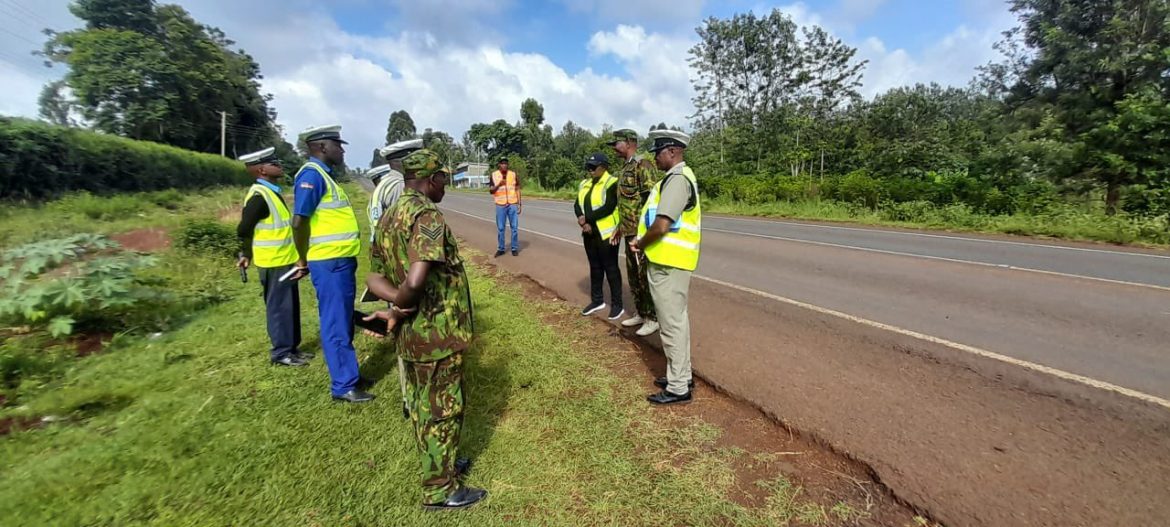
NTSA inspections

The National Transport and Safety Authority (NTSA) has issued a strong safety warning to parents, motorists, and transport operators ahead of the reopening of schools, urging strict compliance with traffic and vehicle safety regulations to protect children returning to class.

In a press statement released on Tuesday, December 30, 2025, NTSA emphasized that the safety of school-going children is a shared responsibility involving private motorists, public transport operators, school administrators, and parents.

“With thousands of children set to travel back to school in the coming days, all road users must exercise utmost caution, obey traffic rules, plan journeys properly and avoid night travel due to reduced visibility,” the Authority said.

NTSA reminded vehicle owners and school transport providers that any vehicle used to ferry children must be roadworthy, fully licensed, and insured. The Authority noted that vehicles should have valid inspection certificates, road service licences, and functional safety equipment before being allowed on the road.

The Authority raised concern over recurring safety lapses identified during previous compliance checks, particularly in school transport vehicles. Among the major defects cited were faulty or non-transmitting speed limiters, defective brakes, missing or damaged seat belts, unstable seats, and malfunctioning door locks.

“To further protect our children, we strongly appeal to parents and guardians not to allow their children to board non-compliant vehicles,” NTSA warned, stressing that such defects pose a serious risk to young passengers.

Motorists were urged to use the remaining days before schools reopen to present their vehicles for the mandatory annual inspection, noting that all NTSA motor vehicle inspection centres across the country are open and operational.

The Authority also issued a directive to speed limiter vendors, requiring them to ensure that all installed devices fully comply with KS 2295:2018 standards. This includes proper speed limiting, reliable data storage, and real-time transmission to the NTSA system.

NTSA assured the public that multi-agency road safety compliance operations will continue uninterrupted during the school reopening period to enforce regulations and safeguard children.

“By adhering to these measures and working together, we can significantly reduce risks and ensure the safe return of our children to school,” the statement concluded.

The warning comes amid heightened traffic activity following the festive season, with NTSA reiterating that child safety on Kenyan roads remains a national priority.

0 comment
0 FacebookTwitterPinterestLinkedinTumblrWhatsappTelegramEmail
DPL Festive

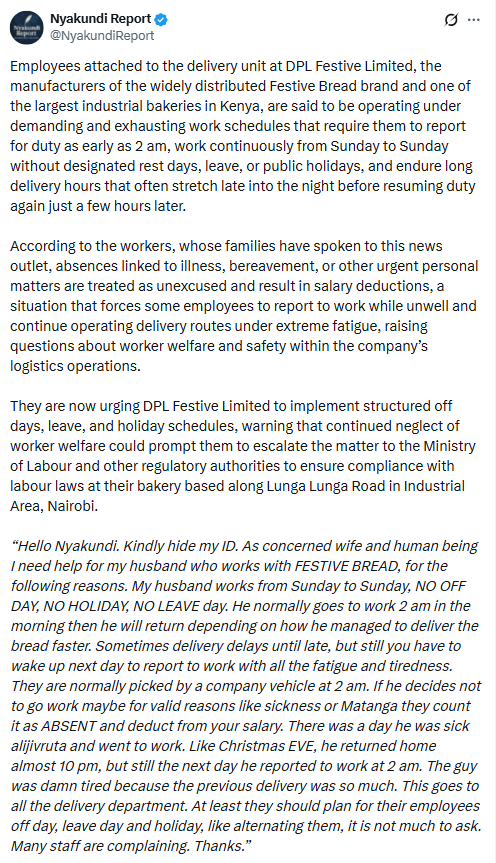
Employees attached to the delivery unit at DPL Festive Limited, the company behind the popular Festive Bread brand, have raised serious concerns over what they describe as punishing work conditions that stretch their physical limits and endanger their well-being.

According to accounts from workers’ families shared with blogger Cyprian Nyakundi and seen by this publication, delivery staff are required to report to duty as early as 2:00 a.m., work seven days a week without off days, and operate through public holidays and festive seasons without leave. In many cases, long delivery routes extend late into the night, only for workers to resume duty a few hours later.

The employees, who operate from the company’s bakery along Lunga Lunga Road in Nairobi’s Industrial Area, say the relentless schedules have left them chronically fatigued, raising concerns not only about worker welfare but also public safety, given the demanding nature of delivery work.

One concerned spouse, who requested anonymity for fear of reprisals, described the situation as inhumane.

“My husband works from Sunday to Sunday—no off day, no holiday, no leave. He wakes up at 2 a.m. every day to report to work. Sometimes he comes home very late, but still has to wake up again a few hours later. Even when he is sick, he is forced to go to work because if he doesn’t, his salary is deducted,” she said.

The spouse recounted a Christmas Eve incident where her husband returned home close to 10 p.m. after a heavy delivery day, only to be back on duty again at 2 a.m. on Christmas Day.

Workers further allege that absences due to illness, bereavement, or urgent family matters are treated as unexcused, leading to salary deductions. This, they say, pressures employees to report to work while unwell, compounding exhaustion and health risks.

“Many staff are complaining, but they feel powerless,” the spouse added. “All they are asking for is basic things—off days, leave days, and holidays, even on a rotational basis.”

The delivery staff are now calling on DPL Festive Limited to urgently introduce structured rest days, leave schedules, and humane working hours in line with Kenya’s labour laws. They warn that failure to address the situation could push them to escalate the matter to the Ministry of Labour and other relevant regulatory bodies.

Labour experts note that Kenyan employment laws guarantee workers the right to rest days, annual leave, and safe working conditions, emphasizing that prolonged fatigue—especially in logistics and transport roles—poses serious risks.

As Festive Bread remains a staple in many Kenyan households, the workers behind its daily delivery say they hope their concerns will be addressed before exhaustion turns into tragedy.

0 comment
0 FacebookTwitterPinterestLinkedinTumblrWhatsappTelegramEmail
Kenyan money

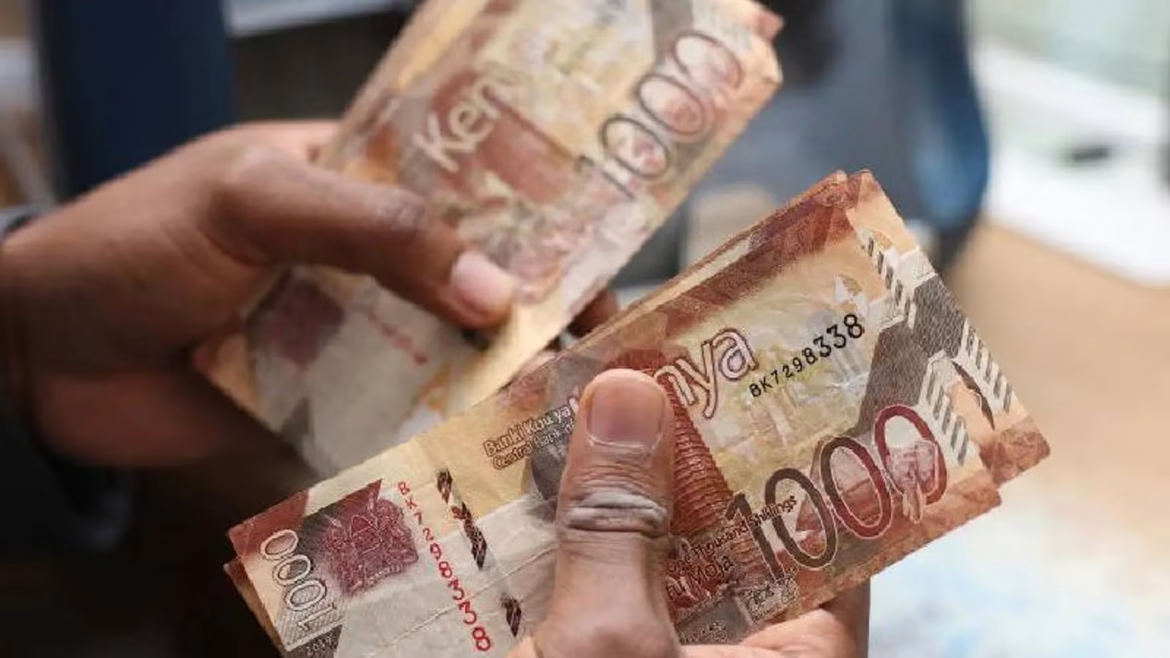
A storm is brewing at SIC Investment Co-operative as its chief executive officer, Churchill Winstones, has abandoned ship, leaving behind thousands of anxious depositors struggling to recover their hard-earned savings from the troubled society.

Winstones’ dramatic exit late last week comes as the once-popular Sacco, which counts current and former Safaricom employees among its 5,300 members, battles a crippling cash crunch that has left investors who sunk millions into its Pepea Fixed Deposit product stranded.

The departure marks yet another shake-up at the beleaguered institution, which in June witnessed the entire board being shown the door and replaced with interim directors who were only confirmed three months later. Winstones becomes the second CEO to flee the cooperative in less than four years, following Sarah Wahogo who served from March 2022 until early last year.

Multiple investors who each deposited at least Sh4 million into the Pepea Fixed Deposit account have told this writer that SIC has been playing a dangerous game of delay tactics, repeatedly postponing payments and citing liquidity problems as their investments reach maturity.

The scale of the crisis is laid bare in the cooperative’s annual report for 2024, which reveals a shocking Sh380 million bank run on the Pepea product as panicked customers rushed to pull out their money earlier than expected. The unexpected mass withdrawal has created a domino effect, leaving those who dutifully held their investments to maturity unable to access their funds.

Acting CEO Jared Odhiambo, who previously served as head of finance, has admitted the society is drowning in liquidity challenges but insists they have a plan to settle all investors by March next year. He claims the cooperative is gradually paying off depositors and is now restructuring the product to tie it to specific projects.

However, such assurances ring hollow for investors who were promised their principal and accrued interest within 10 days of maturity. Some have already written to the Commissioner for Co-operatives Development, David Obonyo, desperate letters seen by this publication that paint a picture of growing desperation.

The Pepea Fixed Deposit, which SIC marketed as an exclusive product offering lucrative returns of up to 12 percent annually, attracted depositors with promises of competitive rates second to none in the market. Investors who locked in amounts exceeding Sh3 million for 12 months were promised returns of 12 percent, significantly higher than what most banks offer.

The minimum investment of Sh50,000 could be locked in for six to 12 months, with returns ranging from 10 percent to 12 percent depending on the amount deposited and tenure selected. The product came with a harsh penalty clause, investors who withdrew before maturity forfeited all accrued interest, a trap that has now left many feeling cornered.

Adding to the mess, SIC was forced to restate its books for the year ended December 2023 to correct several misstatements, slashing retained earnings by Sh26.15 million. The accounting irregularities raise troubling questions about the financial management and oversight at the cooperative.

Interest payments on the Pepea product climbed to Sh48.95 million in 2024 from Sh40.35 million the previous year, indicating the product’s growing popularity just before the crisis hit. What triggered the sudden rush by many customers to withdraw their funds early remains unclear, but the consequences have been devastating for those who played by the rules.

The Commissioner for Co-operatives claims he was unaware of the liquidity crisis despite letters from distressed investors landing on his desk. Obonyo has now promised to intervene, but for many depositors watching their savings disappear into a black hole, such promises offer little comfort.

SIC Investment Co-operative, which started operations in 2009, built its reputation partly on its association with telecommunications giant Safaricom, attracting employees and former staff who trusted the society with their retirement savings and investment funds. The principal activities include real estate investment, marketable securities and private equity.

0 comment
0 FacebookTwitterPinterestLinkedinTumblrWhatsappTelegramEmail
James Mabele Magio

A budding politician eyeing the Budalangi constituency parliamentary seat in the 2027 general elections has been implicated in a sophisticated international fraud ring operating from Nairobi that has allegedly defrauded foreign investors of millions of shillings in fake gold deals.

James Mabele Magio, who describes himself on social media as a news reporter and program presenter, has been identified in leaked intelligence documents as a key player in an elaborate scam involving a fake logistics company used as a front to lure unsuspecting buyers from Europe, the Middle East, the United States, and the United Kingdom.

The damning revelations come from confidential files by a whistleblower who claims intimate knowledge of the operation.

The dossier includes internal shipment databases, customer lists, email correspondence, and detailed intelligence profiles suggesting Magio worked as a fixer, connecting foreign clients to what appeared to be legitimate cargo shipments that investigators believe never existed.

At the heart of the scheme is Melpa Limited, a Nairobi-based company masquerading as an international freight forwarder with expertise in customs clearance and warehousing. The company’s polished website advertises decades of experience and lists a professional address near Jomo Kenyatta International Airport.

However, domain records examined by investigators reveal the site was only registered in 2023, with operators frequently shifting between hosting providers and recently settling on Swiss-based servers.

According to the leaked documents, victims were persuaded to wire large sums of money for freight charges, insurance premiums, clearance fees, and verification costs for sealed cargo containers supposedly containing gold bars awaiting export.

In one particularly egregious case documented in the files, a victim reportedly lost more than 100,000 dollars and was subsequently pressed to send an additional half-million dollars to allegedly release the phantom shipment.

The operational patterns mirror those of notorious gold scam rings that have made Nairobi what law enforcement officials describe as the global epicenter of precious metals fraud.

Nairobi’s illicit gold underworld is estimated to involve about $28 billion, according to research by the Global Initiative Against Transnational Organised Crime.

Detectives have repeatedly arrested individuals staging sophisticated fake gold operations using warehouses, branded packaging and counterfeit mineral certificates.

Last year in Lang’ata, officers recovered sand-filled boxes packaged as gold bullion alongside bogus assay reports and forged export papers.

In similar cases across the capital, foreign investors have lost hundreds of thousands of dollars for shipments containing scrap metal or stones.

The Melpa operation appears to represent an evolution of these techniques, featuring unprecedented levels of organization and international coordination.

Magio, who maintains an active social media presence promoting his political aspirations and charitable work through the Mabel Foundation, appears repeatedly in communication logs and shipment clearance documents provided to investigators.

The files suggest he allegedly acted as an intermediary, vouching for the legitimacy of transactions and facilitating connections between foreign clients and the fraudulent operation.

His public profile shows connections to media work in Western Kenya, including stints as a correspondent for Western Nyota TV and Radio and presenter at Bulala FM.

On Facebook, where he uses multiple accounts, Magio promotes his political ambitions for the 2027 parliamentary race in Budalangi, a flood-prone constituency in Busia County with approximately 66,723 residents.

He studied at Kenyatta University and runs business interests including what appears to be a Belaire champagne distributorship.

The intelligence dossier identifies several other alleged key figures in the network.

Markos S Baghdasarian, an Armenian American, appears in the documents with investigators noting his criminal history in the United States where public records show he once served prison time for involvement in shipping petroleum products to Iran without proper licensing while associated with Delfin Group Inc.

The whistleblower believes he now plays a strategic or financial role in coordinating the Nairobi operation.

Richard J Mukurumbira, identified as a UK-based associate, surfaces in email chains involving payment routing and offshore escrow arrangements.

Raguel Mungli, described as a Nairobi contact, allegedly coordinates client interactions and forwards the forged documents designed to reassure victims their shipments are genuine.

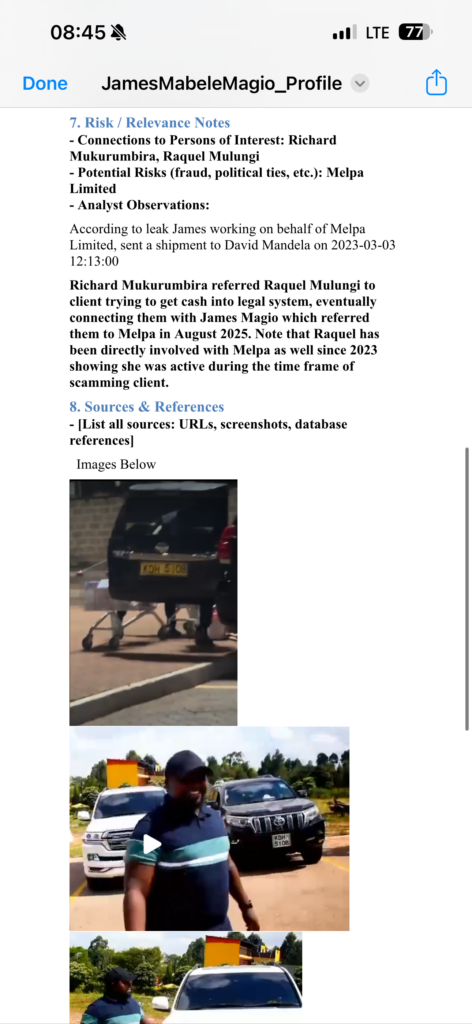
According to the leaked material, which includes a profile document dated with references to transactions from 2023, Mukurumbira allegedly referred Mungli to a client attempting to legitimize illicit funds, eventually connecting them with Magio who in turn directed them to Melpa in August of last year.

The documents note that Mungli had been directly involved with Melpa since 2023, demonstrating sustained criminal association during the period when clients were being scammed.

What makes this operation particularly alarming is its professional veneer.

The forged documents recovered by investigators include branded airway bills, export stamps, verification receipts and shipment movement logs that closely mimic legitimate cargo documentation.

The company website mirrors established freight firms in design and corporate language.

Even the business address appears to have been copied from a genuine logistics company in the city.

Most victims, especially those making contact from abroad, assume they are dealing with a reputable Nairobi freight handler.

The customer database raises additional red flags, with some names belonging to individuals previously associated with fraud investigations or suspicious business activity.

The whistleblower, who claims to have provided only a fraction of available evidence, believes Melpa represents merely one tentacle of a much larger network involving local and foreign actors, including businessmen, political aspirants and individuals with documented criminal records across multiple jurisdictions.

Kenya’s gold scam industry has grown increasingly sophisticated, bankrolled by networks that exploit weak regulatory oversight, fragmented international cooperation and the desperation of victims willing to believe Nairobi serves as a major hub for precious metals exports.

Recent high-profile arrests include US national Sergio Patrick Antonucci, charged in December 2024 with defrauding a businessman of over Sh674 million in a fake gold deal.

This case stands out for its corporate structure and global reach.

It employs a branded identity, international hosting infrastructure, coordinated digital records and individuals spanning multiple countries with varying criminal backgrounds. If the leaked documents prove authentic, Nairobi may be hosting one of the most organized precious metals fraud operations in recent years.

The revelations demand immediate investigation by the Directorate of Criminal Investigations’ Financial Crimes Unit, the Anti Narcotics and Organised Crime Directorate, Interpol’s regional desk and foreign agencies with jurisdiction over international fraud and money transfers.

DCI Director-General Amin Mohamed Ibrahim has acknowledged the scope of the problem, describing it as involving a huge cartel of Kenyans, Congolese, Liberians, Nigerians and Ghanaians operating in a very sophisticated manner.

Victims remain reluctant to speak publicly, which helps perpetuate the fraud.

The whistleblower claims to have lost contact with one victim who vanished after losing more than 100,000 dollars, allegedly pressured repeatedly to send additional money to release a shipment that likely never existed.

Multiple attempts by this publication to reach Magio for comment proved unsuccessful.

Calls to his listed mobile number went unanswered and messages sent via WhatsApp and social media platforms were not returned. Similarly, attempts to contact other individuals named in the intelligence report yielded no response.

The Mabel Foundation website and associated social media accounts show no indication of the allegations, instead featuring photographs of community outreach activities and political campaign materials positioning Magio as a grassroots leader committed to development in Busia County.

As Kenya grapples with its reputation as a haven for gold fraud, this case underscores how criminal networks are evolving beyond crude operations to adopt corporate facades and international coordination.

The whistleblower has indicated that more files exist, including bank transfer records and communications between alleged organizers, suggesting this investigation may only be beginning to expose the full scope of the operation.

For a politician seeking to represent one of Kenya’s most economically challenged constituencies, where the monthly mean household income hovers around Sh3,315 and residents struggle with annual flooding disasters, the allegations represent a devastating blow to credibility before the campaign has properly begun.

The question now facing investigators is whether James Mabele Magio will answer questions about his alleged role in an international fraud ring, or whether he will join the growing list of individuals connected to Kenya’s thriving fake gold industry who manage to evade accountability despite mounting evidence of systematic criminal enterprise.

0 comment
0 FacebookTwitterPinterestLinkedinTumblrWhatsappTelegramEmail
Nairobi-Nakuru highway traffic

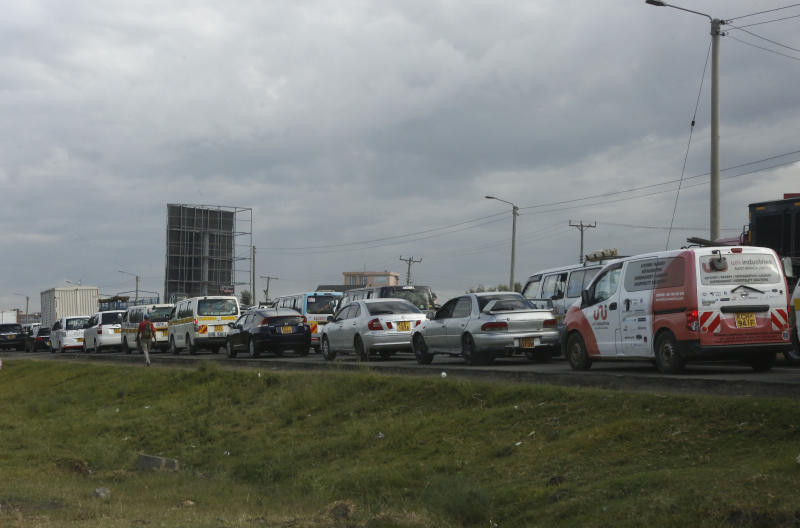
The Kenya National Highways Authority (KeNHA) has issued a travel advisory as Christmas traffic continues to soar significantly on all roads and highways as Kenyans rush upcountry to celebrate with their loved ones.

In a public notice issued on Sunday, December 21, 2025, KeNHA acting Director General Luka Kimeli urged motorists to exercise patience, courtesy, and caution while on the road.

“The festive season is here. Traffic has started to soar significantly on all roads, highways included. The Authority wishes to remind all road users that road safety is a shared responsibility. All road users, therefore, should exercise patience, courtesy, and caution while on the road,” the statement read in part.

All road users have been advised to plan their journeys in advance so as to allow adequate travel time and strictly adhere to all traffic rules and regulations.

Alternative routes

Motorists have also been advised to take advantage of alternative routes whenever they are available to avoid congestion.

Motorists have also been urged to observe posted speed limits and avoid speeding, as well as observe and obey traffic signs, maintain lane discipline, and avoid overlapping and reckless overtaking.

PSV operators

Public Service Vehicle (PSV) operators and drivers have been reminded to adhere to approved passenger capacity limits, observe designated pick-up and drop-off points, and pack trucks on the designated truck pack.

To minimize the rate of road accidents, KeNHA has urged all drivers to be well-rested before embarking on their journeys and remain sober and fit to drive at all times.

“The Authority wishes to assure the public of the continued commitment to ensure a safe, smooth, and secure holiday travel experience for all road users. Everyone should reach their destinations safely and reunite with their loved ones. KeNHA wishes all Kenyans safe and pleasant travels during this festivity season, Merry Christmas and a Happy New Year,” the statement read.

0 comment
0 FacebookTwitterPinterestLinkedinTumblrWhatsappTelegramEmail
Cyrus Jirongo's final moments

The late politician Cyrus Jirongo’s final moments have taken a dramatic turn after new details suggested that he was most likely being trailed before he met his death in a tragic accident at Karai, along the busy Nairobi-Nakuru Highway.

As the police focus on Park Place along Magadi Road in Karen, the last known location Jirongo visited before the fatal crash, a proper analysis of the CCTV footage has exposed more details, raising further questions about the circumstances that led to the fatal crash of Jirongo.

Jirongo had reportedly spent the evening at Karen Oasis with National Assembly Speaker Moses Wetang’ula and city real estate mogul Rebman Malala before telling friends he was heading home to Gigiri.

Cyrus Jirongo
Cyrus Jirongo

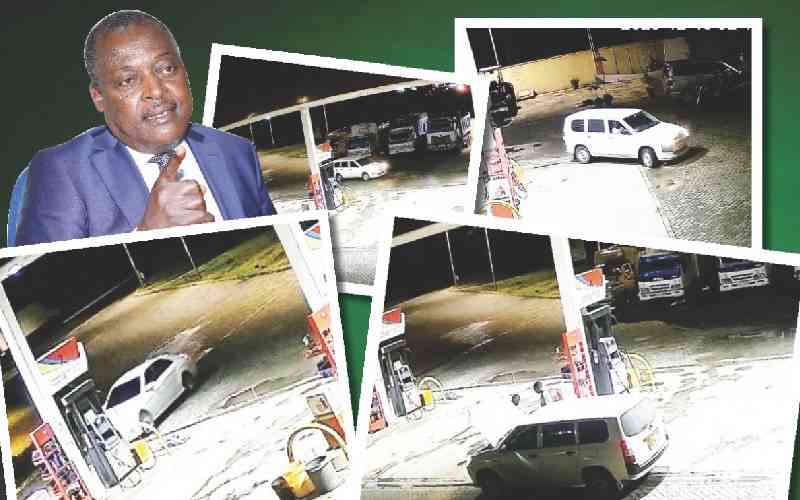
However, questions are now being raised about the final movements of Jirongo, including a white Probox seen in the CCTV footage.

The CCTV footage that was analysed by the Directorate of Criminal Investigations (DCI) detectives investigating the matter shows Jirongo’s Mercedes Benz vehicle entering a petrol station at about 2:18 a.m., then making a U-turn before rejoining the highway, where a bus later collided head-on with his car.

Separate footage now shows a Toyota Probox entering the station seconds before the crash, which has raised questions in public discussions of the final moments of Jirongo.

On Saturday, December 13, 2025, at dawn, a white car drove into the petrol station right behind Jirongo without fuelling and stopped at pump number two.

It had three men, as seen in the CCTV footage. One of them got out and walked to where Jirongo’s car had been and then returned. A second man stepped out and walked to the co-driver’s door as a third man peeped out of the car.

It was at that time that the accident, according to CCTV footage, happened. The coincidence raises fresh questions about a car seeking no service at a station and being followed by the death of a prominent personality.

Cyrus Jirongo’s autopsy

Family pathologist Joseph Ndung’u on Wednesday, December 17, 2025, revealed that Jirongo died from a blunt force trauma that caused severe injuries to the chest, abdomen, spine, and legs.

Jirongo succumbed to injuries sustained in a road traffic accident involving his Mercedes-Benz and a Climax Coaches bus at the Karai area along the busy Nairobi-Nakuru highway.

DCI Investigations into Jirongo’s death

The DCI on Tuesday, December 16, released new details into the circumstances surrounding the death of Jirongo, and revealed that it had kicked off a probe into his death.

The DCI stated that the collision occurred at approximately 2:19 a.m., resulting in a head-on collision. Investigators say the force of the crash pushed Jirongo’s vehicle about 25 metres from the point of impact, while the bus came to rest roughly 50 metres away.

A combined team of homicide detectives and forensic experts from the National Forensic Laboratory visited the scene, documented evidence, and secured key exhibits. Among the critical evidence recovered was CCTV footage from Eagol Petrol Station, located near the crash site.

According to the DCI, preliminary analysis of the footage shows that at 2:18:40 a.m., Jirongo drove into the petrol station from the Nairobi direction but did not refuel. At 2:19:10 a.m., his vehicle stopped at the station’s exit before making a right turn back towards Nairobi at 2:19:19 a.m.

Moments later, at 2:19:25 a.m., the CCTV captured the PSV bus ramming into his vehicle.

Detectives have interrogated the bus driver, Tyrus Kamau Githinji, who had earlier recorded a statement at the Naivasha Traffic Base. He has been released on cash bail pending further investigations into the offence of causing death by dangerous driving.

0 comment
0 FacebookTwitterPinterestLinkedinTumblrWhatsappTelegramEmail

In a county where the weight of statistics often feels like a predetermined destiny, a local initiative is proving that a football and a field can be the ultimate defence against early pregnancies in Bungoma County.

The Wema Girls Cup, founded in October 2023, just concluded its sixth community tournament, drawing over 400 girls from across the region to compete in a high-stakes championship that ended in a thrilling 1-0 penalty shootout. But for the organizers and players, the real victory is measured in the absence of statistics, zero pregnancies and zero school dropouts among its participants.

The urgency of the Wema Girls Cup is underscored by sobering data. According to the 2022 Kenya Demographic and Health Survey (KDHS), Bungoma County has a teenage pregnancy rate of 19%, significantly higher than the national average of 15%.

Recent data from 2024 further highlights the crisis, with Bungoma consistently ranking among the top four counties nationally for reported cases. Ministry of Health records show a staggering cumulative total of over 106,000 pregnancies among girls aged 10–19 between 2016 and 2023. These numbers often translate into a cycle of poverty, with many girls forced to drop out of school or marry early.

A Shield Against Idleness

“We run tournaments every holiday to engage girls so they aren’t idle,” says Elizabeth Juma, the founder of Wema Girls Cup. Her motivation was born from a troubling observation in her own business, where she saw older men preying on underage girls. “By keeping them busy, they don’t have time for such practices.”

The program’s impact extends beyond the pitch. By partnering with schools like Busia Chapel, the tournament has facilitated sports scholarships for talented players, removing the financial burden of school fees that often makes girls vulnerable to exploitation.

Michelle Masika, the Captain of Murembe Starlets, is a living testament to the program’s success. “Through Wema tournaments, we are being sponsored at school, we don’t pay school fees,” she says. “It keeps us busy and away from ‘bad things.’ We don’t have time to just wander around and engage in un-meaningful practices.”

The Wema Girls Cup isn’t just about football. This year’s event included a conference where women leaders mentored the girls in life skills and reproductive health. Elizabeth Juma emphasizes that the program aims to build champions both on and off the field.

Despite its success, the initiative faces significant hurdles. Women’s sports in Bungoma still battle traditional norms that view football as a “boy’s game,” and there is a dire need for better facilities.

As the county continues to grapple with the “Triple Threat” of HIV, gender-based violence, and adolescent pregnancies, Juma is calling on the community and donors to join the journey.

“You can buy jerseys for a team, you can buy shoes, or you can sponsor education for a girl,” Juma urged. “Help us see that these girls do not fall under the statistic of early pregnancies in Bungoma.”

For the 400 girls who took to the field this season, the tournament wasn’t just about a trophy, it was about reclaiming their future, one goal at a time.

0 comment
0 FacebookTwitterPinterestLinkedinTumblrWhatsappTelegramEmail
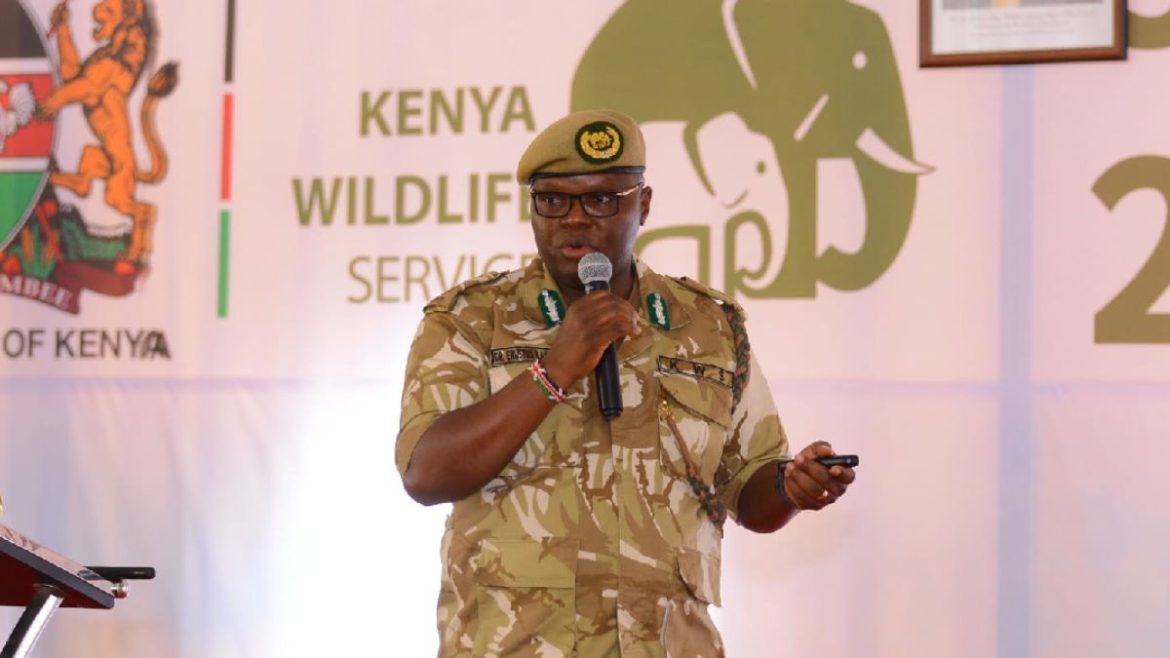
Dr Erustus Kanga, the Director General of KWS

Dr Erustus Kanga, the Director General of Kenya Wildlife Service, is fighting for his professional survival as a perfect storm of corruption allegations, internal rebellion, and damning official reports threatens to bring down one of Kenya’s most critical conservation institutions.

The decorated conservationist, who took office in August 2023 with a sterling academic background and two decades of field experience, now stands accused of transforming KWS into a personal fiefdom where bribery, intimidation, and ethnic favouritism have replaced the professionalism that once defined the agency.

At the heart of the crisis is a shocking Ethics and Anti-Corruption Commission report released in August 2025 that crowned KWS as Kenya’s most corrupt institution.

The findings are nothing short of explosive.

Job seekers at KWS were forced to cough up over Sh200,000 in bribes to secure employment, dwarfing the national average bribe of Sh4,878.

The agency alone accounted for a staggering 35.73 percent of all bribe money exchanged across the entire country during the survey period.

But the EACC bombshell is just the tip of the iceberg.

A confidential internal dossier compiled by anonymous whistle-blowers and now in the hands of corruption investigators paints an even darker picture of systematic abuse under Kanga’s watch.

The petitioners accuse the Director General of personally orchestrating the sabotage of the Wildlife Conservation and Management Act review, allegedly deploying wardens to disrupt public participation meetings and threatening staff who dare support the reform process.

The whistle-blowers describe a toxic work environment where fear has replaced consultation, where technical expertise is routinely ignored and where a small cabal of loyalists makes decisions that affect Kenya’s entire wildlife heritage.

They allege that Kanga has weaponised transfers and promotions to punish dissent, turning personnel movements into instruments of intimidation rather than operational necessity.

The human cost is devastating.

Staff report that uniforms have not been issued for three years, boots are unavailable and internal meetings have been abandoned.

Officers are battling depression, alcoholism and family breakdowns caused by sudden transfers with little support.

Female officers say they have been shut out of top management entirely, while seasoned experts watch in frustration as unqualified juniors are parachuted into sensitive positions.

The ethnic dimension is particularly explosive.

The dossier alleges that key parks have been captured along ethnic lines, deployment patterns suggest systematic imbalance and the traditional practice of hiring lower-cadre staff from surrounding communities has been abandoned, weakening the very local cooperation that conservation depends on.

But perhaps nothing illustrates the alleged rot better than the Sh740 million staff medical insurance tender scandal.

The Public Procurement Administrative Review Board made damning findings that KWS evaluators relied on a forged authorization letter purportedly from Jubilee Health Insurance to disqualify the company from bidding.

Even more suspicious, the winning bidder’s quote mysteriously ballooned from Sh710 million to Sh740 million in the final award letter.

The Board was forced to nullify the entire process and order a fresh evaluation.

The whistle-blowers point to this as a textbook example of the procurement games being played under Kanga’s leadership.

They also flag disturbing reports of mining activities creeping into protected areas like Tsavo, Kora and Meru/Bisanadi, alleging that commercial cartels have been allowed to penetrate conservation zones through deals that benefit a connected few while undermining community interests and environmental protection.

The strategic plan launched with much fanfare appears dead in the water.

Departments working on conflict mitigation, tourism development, security and community relations report paralysis caused by confusion, resource shortages and unclear guidance from the top.

The marketing division is accused of focusing on ceremonial events rather than the hard work of boosting tourism revenue.

Training opportunities abroad have allegedly been restricted to a small circle of favourites.

Formal oversight committees have gone dormant. Disciplinary actions are inconsistent and selective.

Donors and international partners, once treated as allies in conservation, are being smeared and pushed out instead of engaged constructively.

The petitioners describe what they call a deliberate leadership style that rewards loyalty over competence and punishes anyone who questions decisions.

They say this is not bureaucratic incompetence or administrative oversight but a calculated system of control that has concentrated power in the hands of the Director General and a few close aides who shape decisions without wider participation.

The timing could not be worse.

Kenya faces escalating human-wildlife conflict, climate change pressures on ecosystems, recovery challenges in the tourism sector and intensifying scrutiny from the global conservation community.

KWS needs to be at its strongest and most professional.

Instead, the whistle-blowers warn, the institution is on the brink of collapse.

The implications stretch far beyond KWS headquarters.

The agency is responsible for protecting wildlife that generates billions in tourism revenue and supports thousands of jobs.

It maintains national parks that are global treasures.

It represents Kenya’s commitment to environmental leadership on the world stage. Corruption and mismanagement here damages the country’s international reputation, risks donor funding and threatens conservation programs that took decades to build.

For Kanga, the convergence of the EACC report, the internal dossier and the procurement board findings creates an almost impossible situation.

While he has not been directly accused of pocketing bribes, the systematic nature of the problems suggests either active complicity or catastrophic failure of leadership. Neither explanation offers him much refuge.

The whistle-blowers are demanding that EACC open a direct probe into Kanga’s conduct, subject contested tenders and contracts to forensic audit, protect insiders who come forward with evidence and ensure that where wrongdoing is proved, responsibility is placed on individuals rather than quietly written off as institutional mistakes.

They argue that Kenya cannot afford to lose KWS to the kind of corruption and dysfunction that has destroyed other government agencies.

The wildlife will not wait for bureaucratic excuses.

The tourists will not keep coming to a country that cannot manage its conservation crown jewels. The international community will not continue supporting an agency that has become a byword for bribery and ethnic capture.

The question now is whether Kanga will use his undeniable expertise and field experience to clean house and restore institutional integrity, or whether his tenure will be remembered as the period when one of Kenya’s most respected agencies descended into the kind of rot that seems all too familiar in the Kenyan public sector.

What is clear is that the clock is ticking. The whistle-blowers have spoken. The corruption watchdogs have published their findings.

The procurement board has exposed the tender manipulations.

The choice facing Dr Erustus Kanga is stark: lead genuine reform from the front or be swept away by the corruption storm that is now rocking KWS to its foundations.​​​​​​​​​​​​​​​​

0 comment
0 FacebookTwitterPinterestLinkedinTumblrWhatsappTelegramEmail
Ramji brothers

Three brothers facing criminal charges over an alleged Sh350 million land fraud involving the National Social Security Fund (NSSF) have gone on the offensive, petitioning the High Court to remove the Director of Public Prosecutions (DPP) Renson Ingonga and Director of Criminal Investigations (DCI) Mohammed Amin from office.

In a constitutional petition filed in Nairobi, Harish Ramji Manji, Ashvin Ramji Manji, and Ashvin Ramji Bharat accuse the two top law enforcement officials of gross abuse of power, violation of their fundamental rights, and defiance of binding court decisions by sanctioning their arrest and prosecution.

Through senior counsel Nelson Havi, the brothers want the court to declare Ingonga and Amin unfit to hold public office and to order them to jointly pay Sh300 million in damages for alleged violations of the Bill of Rights.

The trio also seeks far-reaching orders barring the DPP and the DCI from initiating or sustaining any criminal investigations or prosecutions arising from the acquisition and ownership of the disputed parcel of land, which they say was lawfully purchased from the NSSF.

At the centre of the dispute is land valued at about Sh350 million, which investigators allege was fraudulently acquired. However, the Ramji brothers argue that the matter has already been conclusively determined by superior courts.

According to the petition, the Court of Appeal found that the brothers are the duly registered owners of the property, having acquired it through a valid purchase and transfer for valuable consideration from the NSSF. They further state that Mombasa Cement Limited, which had challenged the ownership, sought leave to appeal to the Supreme Court, but its application was dismissed in September last year.

Despite those decisions, the brothers contend that the DPP and the DCI unlawfully revived the dispute through criminal proceedings, effectively reopening issues that had already been settled by the highest courts.

“It is our case that the DPP and the DCI have no authority to countermand, review or sit on appeal over decisions of the Court of Appeal and the Supreme Court,” the petition reads.

They accuse the two offices of acting in bad faith and in violation of Article 10 of the Constitution, which binds all state officers to uphold the rule of law, as well as Article 244, which governs the conduct of the National Police Service.

The brothers also take issue with the manner in which the investigations were conducted, accusing DCI Amin of abusing his constitutional mandate by publishing their photographs and statements on social media, identifying them as suspects in alleged land fraud.

They want the High Court to restrain the DPP and DCI from publishing or circulating any further statements linking them to criminal wrongdoing and to compel the DCI to remove their photographs from all social media platforms.

“The public shaming through publication of our images and arrest over a matter already determined by the courts amounts to a grave violation of our rights to dignity, fair administrative action, and fair trial,” they argue.

The petition now sets the stage for a high-stakes constitutional battle that pits private property rights and finality of court decisions against the investigative and prosecutorial powers of the State.

The DPP and the DCI had not filed their responses to the petition by the time of publication.

0 comment
0 FacebookTwitterPinterestLinkedinTumblrWhatsappTelegramEmail
Nyamira Governor Amos Nyaribo

A sophisticated fraud scheme has rocked Nyamira County after senior officials allegedly siphoned Sh21.2 million from a World Bank-funded project aimed at transforming informal settlements into decent living spaces for thousands of residents.

The embezzlement of the Kenya Informal Settlement Improvement Project II funds, which were part of a larger Sh235 million conditional grant, has now triggered a criminal investigation by the Ethics and Anti-Corruption Commission and exposed a web of collusion between county officials and banking staff.

Documents obtained by this writer reveal that county officials and the KISIP II Nyamira County Project Coordinator, who were signatories to the project bank account domiciled at the Equity Bank Nyamira Branch, allegedly clandestinely withdrew the money and channeled it towards non-project activities, in flagrant violation of donor guidelines.

The scandal unfolded when Charles Hinga, Principal Secretary for the State Department of Housing and Urban Development, detected suspicious transactions on the project account and moved swiftly to freeze further operations.

In a hard-hitting letter dated October 21, 2025, Hinga ordered an immediate suspension of all project works and temporary freezing of account number 0520*****9409 at Equity Bank Nyamira Branch.

The alarm bells rang after preliminary investigations showed that funds earmarked for upgrading roads, installing streetlights, constructing drainage systems, and providing security of tenure to residents living in informal settlements had instead been diverted to unauthorized expenditure.

Bank admits internal fraud

The gravity of the situation became apparent when Equity Bank acting Managing Director Moses Okoth Nyabanda confirmed in a letter dated November 20, 2025, that the account had been frozen on November 1 and admitted the suspected irregularities resulted from internally orchestrated fraud.

“We have initiated an internal investigation into the operations of the said account to ascertain the circumstances surrounding the reported irregularities,” Nyabanda wrote in the letter addressed to Hinga and copied to Cabinet Secretary Alice Wahome.

The admission by Kenya’s second-largest bank by assets is particularly damning given that Equity Bank has been grappling with a wave of fraud cases.

In May this year, the bank fired 1,200 staff members in what CEO James Mwangi described as a ruthless anti-fraud crackdown after the institution lost Sh1.5 billion to staff collusion schemes.

The KISIP II scandal adds to Equity Bank’s mounting credibility crisis.

The bank has been accused of failing to flag irregular withdrawals and rapid large transfers from the Nyamira project account, raising questions about its internal controls when handling public and donor funds.

Widening investigation targets bank officials

Sources within the investigation team have revealed that the probe will now be widened to include Equity Bank officials suspected of colluding with county officials to facilitate the withdrawal of project money.

Kenya Insights has established that investigators are examining why the bank’s risk management systems failed to detect and stop the diversion of donor funds despite strict guidelines requiring that such accounts be monitored for irregularities.

When reached for comment on the matter, Equity Bank CEO James Mwangi did not respond to our queries by the time of going to press.

The KISIP II project, which is jointly funded by the Government of Kenya, the World Bank, and Agence Française de Développement, was designed to transform the lives of residents in nearly 200 informal settlements across 33 counties through improved infrastructure, land tenure security, and access to basic services.

In Nyamira, the project was expected to benefit communities in areas such as Keroka Market, where modern vendor stalls were to be constructed, and other informal settlements that desperately needed improved roads, water, sanitation, and lighting.

Governor Nyaribo silent on recovery

Governor Amos Nyaribo, whose administration has been dogged by multiple corruption scandals, did not respond to queries sent to him via phone and email regarding what remedial measures his government has taken to recover the lost funds.

The governor’s silence comes at a particularly precarious time for his administration.

Last month, the Senate heard impeachment charges against him, with members of the County Assembly accusing him of gross violation of the Constitution, abuse of office, and presiding over a payroll fraud syndicate that resulted in the loss of public funds.

On December 17, Nyaribo appeared before the EACC to answer questions about another corruption case involving irregular procurement and the award of a Sh382 million contract for the construction of county government offices.

Signatories changed, audit function weakened

It has since been established that the account signatories typically included the Chief Officer of Finance or their designate, the Chief Officer in charge of Housing, and the County Project Coordinator.

However, investigations have revealed frequent changes of personnel, making it difficult to pinpoint exactly who authorized the fraudulent transactions.

This pattern mirrors a broader problem in donor-funded projects across Kenya, where officials deliberately rotate signatories to obscure accountability.

Government investigators have also discovered that internal audit functions in Nyamira County were systematically weakened, with internal auditors either sidelined or transferred, while external audits were delayed long enough for money trails to fade.

Peter Orwa, a senior official in the Ministry of Lands, Housing and Urban Development, confirmed that the cumulative amount of funds diverted from the project account to pay for non-project related activities was Sh21,222,432.50.

“We have written to the county suspending the use of the conditional grant until corrective actions are taken. These include a change of the then bank account signatories, refund of all diverted funds, and appointing a dedicated internal auditor and strengthening the internal audit function,” Orwa said.

Donors’ strict reporting requirements circumvented

The diversion of KISIP II funds in Nyamira follows a disturbing pattern seen in numerous donor-funded projects across Kenya.

Once funds are disbursed into designated project accounts held in commercial banks, unscrupulous officials quietly alter signatories, authorise questionable withdrawals, or redirect money to non-project expenditures.

Insiders say donors’ strict reporting requirements are routinely met with forged progress documents, doctored audit trails, and manipulated site inspection reports.

In many cases, tenders are awarded to shell companies linked to officials or their proxies, with contractors paid upfront for work that is either poorly executed or never begins.

By the time discrepancies trigger donor inquiries, most funds have been siphoned, leaving stalled infrastructure, ghost projects, and communities with nothing to show for the millions meant to transform their lives.

The Nyamira scandal has particularly angered residents who were counting on the KISIP II project to improve their living conditions in overcrowded and underserved informal settlements.

“We were promised better roads, streetlights, clean water, and proper drainage. Now we hear that the money meant for us has been stolen by the very people who were supposed to help us,” said a resident of one of the targeted informal settlements who requested anonymity for fear of reprisals.

EACC steps in

The EACC has now taken over investigations into the matter, with officials expected to forensically examine bank statements, procurement documents, and payment vouchers to establish the full extent of the fraud and identify all individuals involved.

The commission is also expected to pursue asset recovery proceedings against anyone found to have benefited from the stolen funds.

The KISIP II scandal in Nyamira is the latest in a series of high-profile corruption cases that have plagued Governor Nyaribo’s administration and raised serious questions about oversight mechanisms in county governments handling donor-funded projects.

With the Senate impeachment trial still pending and multiple EACC investigations ongoing, the governor’s political future hangs in the balance as investigators race to unravel the full extent of corruption in his administration and recover millions of shillings stolen from the poor.

For the residents of Nyamira’s informal settlements, the KISIP II scandal represents more than just lost money.

0 comment
0 FacebookTwitterPinterestLinkedinTumblrWhatsappTelegramEmail
Spiro Kenya motorbikes
  • Riders pay roughly KES 95,000 for a Spiro Kenya motorbike, but without a Spiro battery, non-purchasable, non-chargeable at home, and usable only through Spiro’s swap stations, the bike is effectively a metal shell.
  • Spiro Kenya has since released an official statement attempting to contain the backlash.
  • Spiro Kenya also acknowledged rider frustration, admitting the system may feel “rigid or frustrating” during illness, accidents, or emergencies, and said it is reviewing how exceptions are handled.

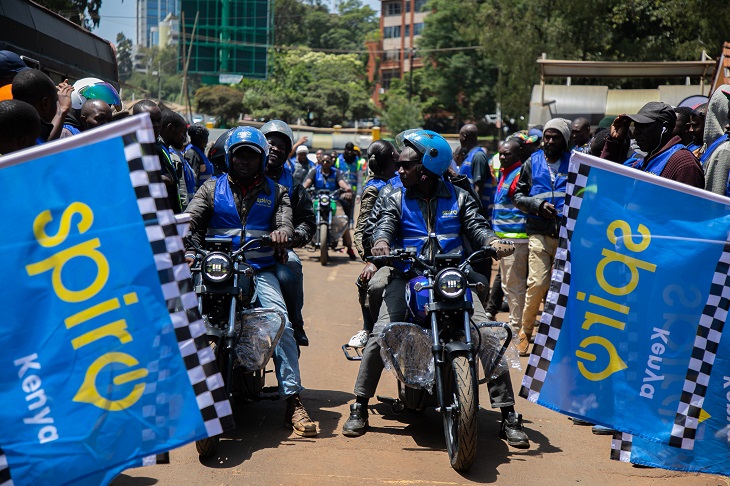
When Electric Motorcycle startup Spiro expanded into Kenya, Spiro Kenya’s electric motorbikes were sold as salvation for boda boda riders battered by runaway fuel prices and shrinking profits. Clean energy. Lower costs. A smarter future.

By mid-December 2025, that dream had collapsed into one of Kenya’s fiercest tech-and-labour revolts yet, with riders accusing the company of exploitation, coercive control, and what many now openly call “digital slavery.”

President William Ruto riding a Spiro motorbike when the startup launched in Kenya.

What began as one rider’s complaint exploded into a national reckoning over ownership, power, and who truly benefits from Kenya’s electric mobility push.

The post that lit the match

The firestorm began with viral posts from @IAMRAPCHA (Rapcha The Sayantist), a Spiro rider who shared screenshots, videos, and voice notes alleging that Spiro:

  • Remotely disabled electric bikes
  • Flagged batteries as “stolen” after five days of inactivity
  • Grounded bikes even when inactivity was due to illness, breakdowns, or repairs
Spiro electric motorbikes

In raw, emotional posts that spread rapidly across X, Rapcha warned fellow riders:

“SPIRO ARE CRIMINALS!!! Avoid or lose your money!!! I’m a victim!!!”

Some posts clocked thousands of likes and hundreds of reposts within hours. Soon, other riders began sharing similar experiences or drawing chilling analogies.

One comparison stuck:

“This is like Safaricom disabling your SIM card because you didn’t make calls for five days.”

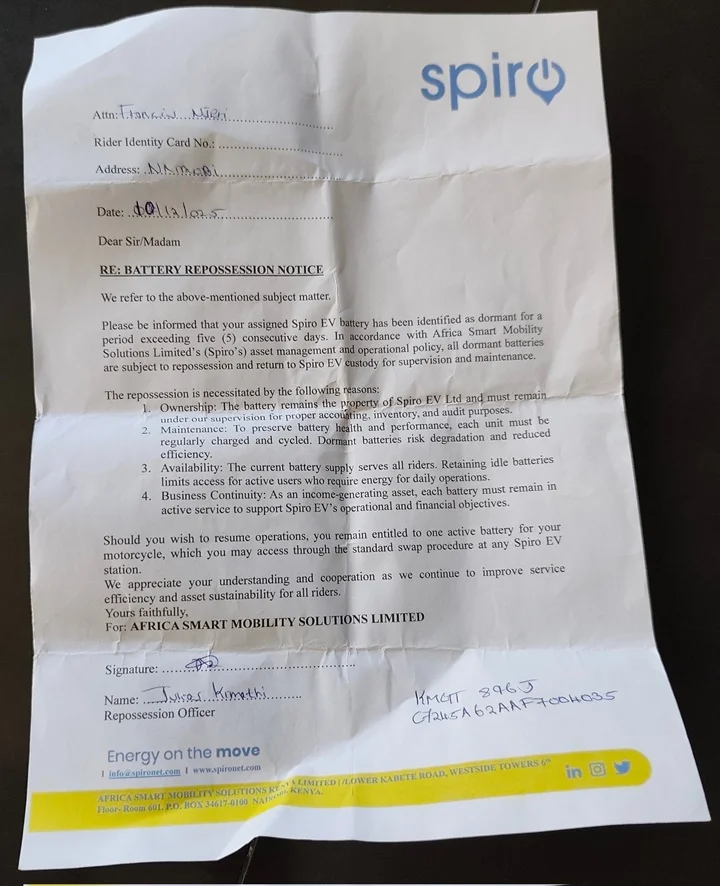
The Spiro repossession letter that changed everything

At the center of the outrage is a battery repossession notice issued by Africa Smart Mobility Solutions Limited, Spiro’s legal entity.

A spiro motorcycle
A spiro motorcycle

The letter states that a rider’s assigned EV battery had been identified as “dormant for a period exceeding five (5) consecutive days.” Under Spiro’s asset management policy, dormant batteries are subject to repossession.

Spiro lists several reasons:

  • Ownership: The battery remains Spiro property
  • Maintenance: Idle batteries risk degradation
  • Availability: Dormant batteries limit access for active riders
  • Business continuity: Batteries are income-generating assets

The notice reassures riders they remain “entitled to one active battery” through the standard swap system—once they resume operations.

To riders, that reassurance rang hollow.

A battery labelled “dormant” during hospitalisation, bereavement, mechanical repairs, or bad weather was treated the same as abandonment. No nuance. No human context.

Spiro responds and misses the moment

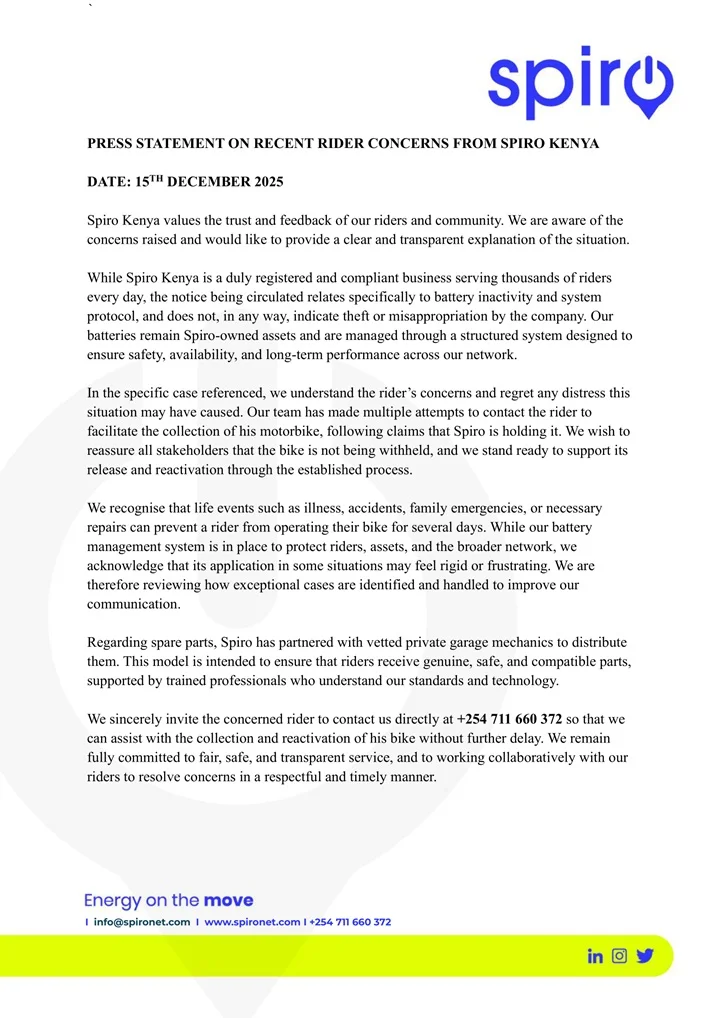
On December 15, Spiro Kenya released an official statement attempting to contain the backlash.

The company said:

  • The notice relates to battery inactivity, not theft
  • Batteries are Spiro-owned by design
  • The model keeps bike prices low—about KES 95,000 compared to higher costs if batteries were included
  • Battery swapping, not home charging, is a safety decision

Spiro also acknowledged rider frustration, admitting the system may feel “rigid or frustrating” during illness, accidents, or emergencies, and said it is reviewing how exceptions are handled.

It denied claims of bike confiscation and urged affected riders to contact the company for reactivation.

The response was widely seen and widely rejected.

Because it didn’t answer the question riders were asking:

If riders own the bike, why does removing a Spiro-owned battery disable the entire machine?

“A car without a fuel tank”

Riders pay roughly KES 95,000 for a Spiro bike. But without a Spiro battery—non-purchasable, non-chargeable at home, and usable only through Spiro’s swap stations—the bike is effectively a metal shell.

One viral post captured the frustration perfectly:

“It’s like buying a car without a fuel tank, then being told you can only refuel at one company’s stations—and they can shut you down remotely.”

In a widely shared thread, @omondike_ described the system as “modern-day bondage,” arguing that riders are trapped in a closed ecosystem where one company controls pricing, movement, repairs, and uptime.

That thread alone has racked up nearly 130,000 views, over 1,500 likes, and 700 reposts, pushing the debate beyond tech circles into mainstream Kenyan discourse.

Monopoly fears and spare-parts pain

Battery control is only part of the anger.

Spiro confirms that spare parts are distributed through vetted garages to ensure safety. Riders, however, describe a de facto monopoly.

Common complaints include:

  • Spare parts priced far above ICE equivalents
  • No freedom to repair bikes independently
  • Disabled bikes requiring towing over long distances
  • Long waits for approvals and replacements

For boda boda riders operating on razor-thin margins, these constraints don’t feel like innovation. They feel like dependency.

A backlash years in the making

This revolt didn’t appear overnight.

In November 2023, riders in Mombasa told Citizen TV that Spiro bikes suffered from slow battery swaps, frequent breakdowns, limited stations, and poor customer support. Some said the bikes struggled on steep terrain and long routes, leaving them parked more than ridden.

Trust further eroded in July 2024, when whistleblower Nelson Amenya alleged Spiro benefited from a controversial tax arrangement involving government officials, claims the company has not publicly addressed in detail. Those allegations resurfaced as the current backlash intensified.

Innovation vs human reality

To be fair, Spiro’s model isn’t unique. Battery-as-a-service is used globally to lower upfront costs and manage degradation. For many riders, it made electric bikes accessible.

But Kenya’s boda boda economy runs on informality, flexibility, and unpredictability—illness, funerals, rain, breakdowns, and bad weeks are part of life.

Systems designed to optimise assets don’t translate cleanly into livelihoods.

When technology starts disciplining people instead of serving them, backlash is inevitable.

What happens next?

As of December 20, public sentiment remains overwhelmingly negative. Despite PR efforts and influencer campaigns defending the model, calls for regulatory scrutiny, lawsuits, and boycotts continue.

Some riders still defend Spiro, arguing that no other electric bike comes close to its price point. But their voices are increasingly drowned out.

Spiro says it is reviewing how exceptional cases are handled. Whether that review produces meaningful policy change—or simply buys time—remains unclear.

One thing is now undeniable:

Kenya’s EV future cannot be built on innovation alone.
Trust, transparency, and dignity for riders are not optional features.

Electric mobility was supposed to offer more freedom than petrol bikes—not less.

Right now, to many riders, Spiro looks less like a green-energy saviour and more like a digitally enforced loan shark.

0 comment
0 FacebookTwitterPinterestLinkedinTumblrWhatsappTelegramEmail

SportyBet Kenya continued its “Road to Eldoret” campaign with a high-energy stop in Chepterit, drawing hundreds of residents and volleyball fans as it ramped up awareness for the 2025 Kipchumba Karori Eldoret International Volleyball Tournament.

The colourful caravan transformed the town centre into a vibrant mini fan park, with branded trucks, music, interactive games and live demonstrations creating a festival-like atmosphere. Fans turned out in large numbers to engage with the SportyBet team, learn more about the upcoming tournament and experience the brand’s growing footprint in community-based sports engagement.

A key attraction of the Chepterit stop was the ongoing “Nyakua Nduthi na SportyBet” campaign, which rewards loyal customers across the country. The highlight of the day came when a local woman, a long-time SportyBet player, was presented with a brand-new motorbike after emerging as one of the promotion’s winners. Dressed in SportyBet-branded gear and a safety reflector, she received the keys on stage to loud cheers, a moment that underscored the company’s pledge to deliver tangible rewards to customers at the grassroots.

Organisers used the roadshow to build momentum for the Kipchumba Karori Eldoret International Volleyball Tournament, scheduled for 18–21 December 2025 at various venues in Eldoret, including the Eldoret Polytechnic grounds. The tournament is set to feature 16 elite teams, with defending champions Equity Bank and perennial contenders KCB among the clubs expected to battle for top honours.

Beyond the entertainment, the Chepterit activation highlighted SportyBet Kenya’s broader strategy of pairing sports marketing with community engagement. By taking its campaigns directly to towns along the road to Eldoret, the brand is positioning itself as a visible supporter of local sports culture while celebrating the fans who sustain it.

As the countdown to the December tournament continues, the Chepterit stop served as a lively reminder of what awaits volleyball enthusiasts in Eldoret — high-level competition, growing fan engagement and a renewed focus on rewarding communities that power Kenyan sport.

0 comment
0 FacebookTwitterPinterestLinkedinTumblrWhatsappTelegramEmail
Justice Mohamed Ibrahim

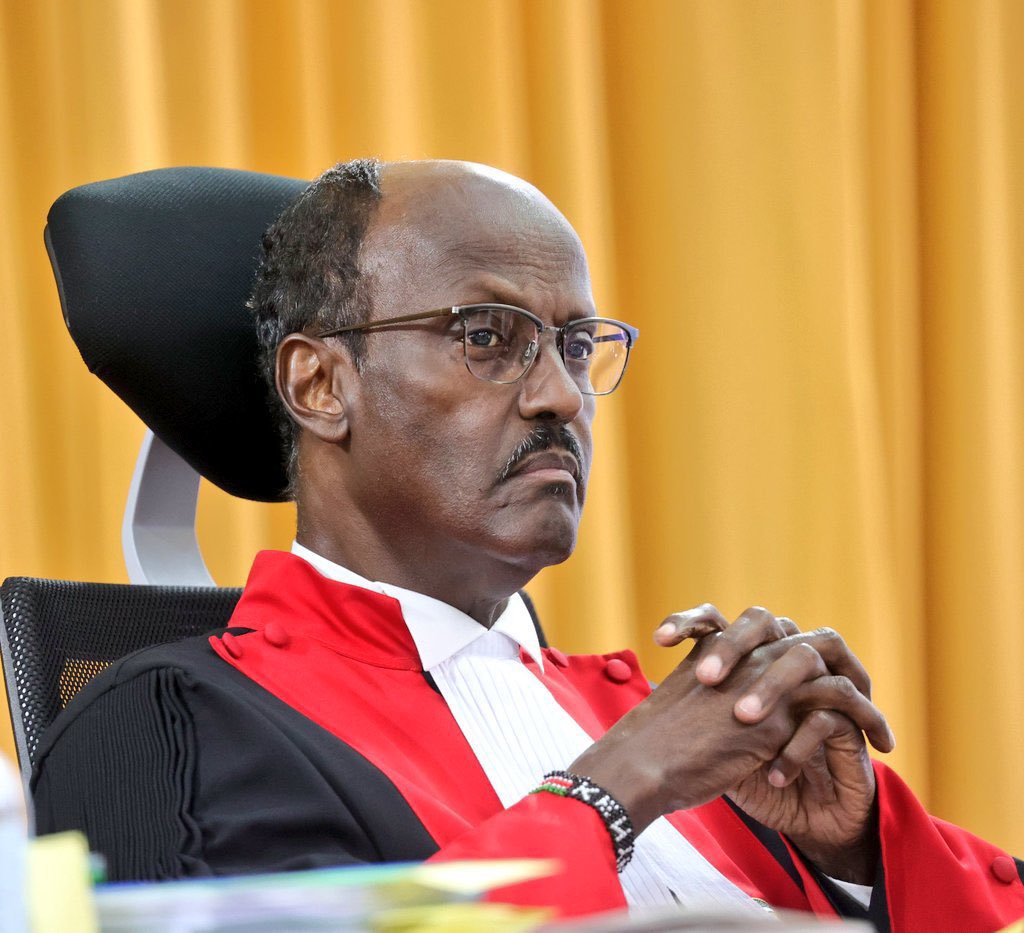
Kenyans and leaders have continued to send their tributes after the legal fraternity was thrown into mourning on Wednesday, December 17, 2025, following the death of Supreme Court Judge Mohammed Ibrahim.

Justice Mohamed Ibrahim passed away shortly after 4.30 pm.

Sources close to the family said Justice Ibrahim had been receiving treatment in an Intensive Care Unit in India, but doctors advised that he be returned home to Kenya for his final days.

His death marks the end of a distinguished judicial career and a profound loss to Kenya’s justice system.

Chief Justice Martha Koome mourned him as a jurist of exceptional humility and integrity, saying he will be remembered as a steadfast guardian of constitutionalism, electoral justice, and human dignity.

“The Judiciary, the Supreme Court and the JSC mourn the loss of a distinguished jurist whose legacy bridges courageous advocacy and principled judging, and whose life exemplified fidelity to his oath of office, service to country, and compassion for the voiceless,” CJ Koome said.

“We stand in solidarity with his family, friends, and the entire Judiciary community during this difficult period of mourning, and we call for sensitivity and compassion as we share in this collective grief.”

National Assembly Speaker Moses Wetang’ula has mourned Justice Ibrahim as one of the inaugural judges of the Supreme Court of Kenya, with a highly decorated career in the legal industry spanning over 34 years.

According to Wetang’ula, Justice Mohamed Ibrahim will be remembered for his active role in bringing social justice and fighting for minority groups to have equal rights, and he often offered pro bono services

“I am saddened to learn of the demise of Hon. Justice Mohammed Ibrahim, Judge of the Supreme Court of Kenya, after a long illness. Hon. Ibrahim was one of the inaugural judges of the Supreme Court of Kenya with a highly decorated career in the legal industry spanning over 34 years. He will be remembered for his active role in bringing social justice and fighting for minority groups to have equal rights, and often offered pro bono services. His loss is a monumental one for the legal industry and the Judiciary at large. Inna lillahi wa inna ilayhi raji’un,” Wetang’ula stated.

Nairobi County Senator and ODM Secretary General Edwin Sifuna has also mourned Justice Ibrahim.

“My thoughts are with the family of the Honorable Justice Mohammed Ibrahim. May his soul rest in eternal peace. Innalillahi wa inna ilaihi rajiun,” Sifuna wrote on X.

Law Society of Kenya (LSK) President Faith Odhiambo, in her message of condolence, said that Justice Ibrahim’s rare calmness spoke of a man who fully understood the role of judicial authority as an opportunity to serve, and the nuances of justice as a tool for maintaining social order.

“I have received the sad news of the passing on of Hon. Mr. Justice Mohammed Ibrahim, SCJ. Justice Ibrahim served in the bench with unparalleled grace and distinguished intellect. His rare calmness spoke of a man who fully understood the role of judicial authority as an opportunity to serve, and the nuances of justice as a tool for maintaining social order. His passing on is a big loss to the Supreme Court, the Judiciary, and to the administration of Justice in Kenya,” Faith Odhiambo stated.

“Justice Ibrahim was a towering source of inspiration to all who dared to dream. He was the first person from the Kenyan-Somali community to be admitted to the Bar, at a time when his community was among the most marginalised in Kenyan society. He dedicated much of his early career to the defence of human rights and promoting the ideals of a fair and equal society. He carried his record of excellence and ethical conduct throughout his near-decade-long tenure as a Judge of the High Court.”

Justice Mohamed Ibrahim’s Biography: Life, Education and Career

Justice Ibrahim was appointed to the Supreme Court of Kenya on June 16, 2011, becoming one of the court’s founding judges following the promulgation of the 2010 Constitution.

From the outset, he played a central role in shaping the jurisprudence, institutional culture, and public-facing mandate of the country’s apex court during a formative period for constitutional democracy.

Within the Supreme Court, Justice Ibrahim held extensive administrative and governance responsibilities.

He served as Chairperson of the Judiciary Committee on Elections, a role that placed him at the heart of judicial preparedness and oversight during electoral cycles, an especially sensitive and consequential area in Kenya’s constitutional order.

He also oversaw the establishment of the Court’s ad hoc Committee on Elections, strengthening internal coordination and accountability.

His portfolio further included liaison with internal judicial stakeholders such as the Kenya Magistrates and Judges Association (KMJA), the Kenya Women Judges Association (KWJA), and the Judiciary Staff Association.

Through this work, he was instrumental in fostering cohesion across the Judiciary and amplifying institutional dialogue on judicial welfare, independence, and professional standards.

Justice Ibrahim also coordinated the Supreme Court’s engagement with non-state actors, with particular reference to civil society and marginalised groups.

This role reflected a broader commitment to accessibility, inclusion, and public confidence in the administration of justice.

He additionally oversaw Supreme Court publications, annual reports, and library management, ensuring that the Court’s work was documented, accessible, and grounded in robust legal scholarship.

As part of the Court’s leadership team, he contributed to the development, monitoring, and evaluation of the Supreme Court Strategic Plan, embedding feedback mechanisms to strengthen institutional performance and responsiveness.

He also served as the critical link between the Supreme Court and the Judiciary Committee on Elections, reinforcing coordination across judicial structures.

Justice Mohammed Ibrahim will be remembered as a jurist who combined administrative rigour with a quiet commitment to inclusion and institutional integrity.

His legacy endures in the structures he helped build, the standards he upheld, and the communities that saw in him both representation and service at the highest level of justice.

Justice Mohammed Ibrahim studied law at the University of Nairobi before entering private legal practice.

In November 1982, he joined the firm of Messrs Waruhiu & Muite Advocates and was admitted to the Roll of Advocates on January 11, 1983, becoming the first Kenyan Somali to be admitted to the Bar as an advocate.

He rose through the firm to become a salaried partner in 1985 and a full partner in 1987. In 1994, he established Mohammed Ibrahim & Associates, which later expanded into Ibrahim & Isaack Advocates in 1997.

The firm litigated civil and constitutional cases and specialised in banking, company law, bankruptcy, commercial law, property law, conveyancing, and insurance law.

During private practice, he was active in defending minority rights, particularly those of the Somali community.

He challenged the government’s use of “pink cards,” secondary identity documents that required additional citizenship verification and were seen as discriminatory against Kenyan Somalis.

Justice Ibrahim was appointed a Judge of the High Court on May 22, 2003. He served in the Civil and Commercial Divisions at Milimani, Nairobi, before joining the Judicial Review and Constitutional Division in 2004.

He was later transferred to Eldoret, where he served as Resident Judge between 2007 and 2009, handling matters across the North Rift Valley and occasionally assisting the High Court in Kisii.

In July 2009, he was transferred to the High Court in Mombasa as Resident Judge before his elevation to the Supreme Court of Kenya.

0 comment
0 FacebookTwitterPinterestLinkedinTumblrWhatsappTelegramEmail
Abbas Bardu Omuyoma

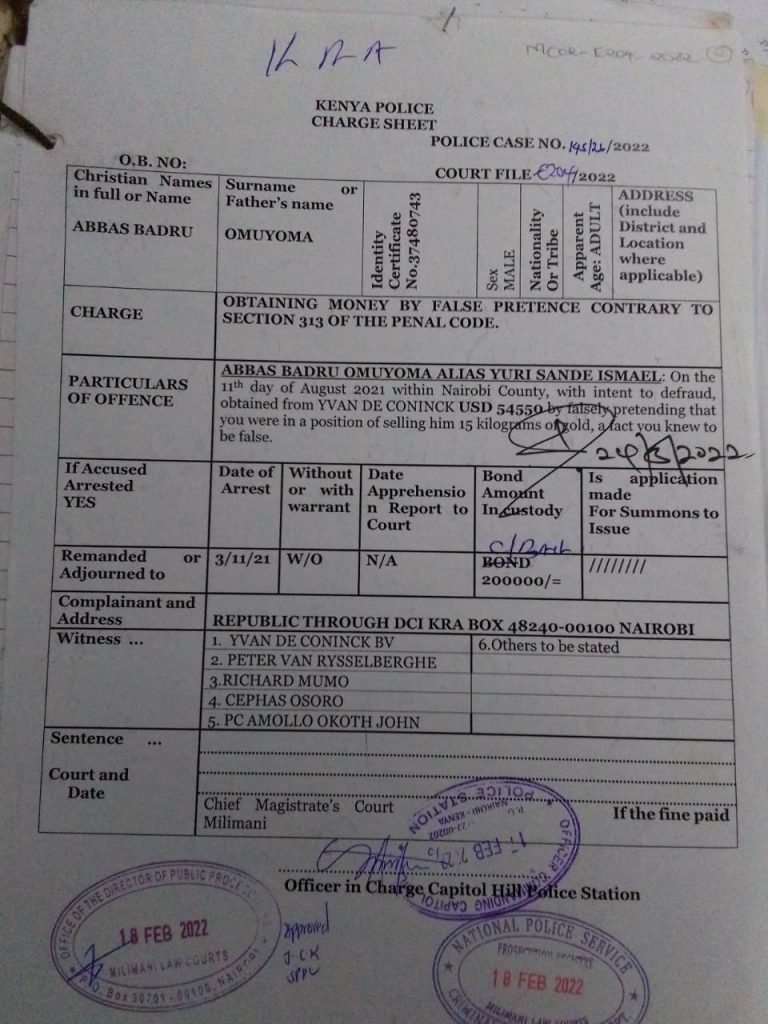
A Nairobi magistrate’s court has acquitted a city businessman who had been charged with defrauding a Canadian national of KSh 8.1 million in an alleged gold scam.

Abbas Bardu Omuyoma was accused of obtaining USD 54,550 (approximately KSh 8.1 million) from Yvan De Coninck on August 11, 2021, by falsely claiming he was in a position to sell 15 kilograms of gold.

The case was heard before Milimani Senior Principal Magistrate Robinson Ondieki, who had earlier placed Omuyoma on his defence.

However, in a ruling delivered after the close of the four-year trial, the magistrate acquitted the businessman, finding that the prosecution had failed to meet the required threshold to sustain the charges.

The court heard that the case arose from a proposed gold transaction that never materialised due to disagreements among the parties involved.

In his defence, Omuyoma told the court that his role was limited to facilitating discussions between the parties and that he did not personally receive any money linked to the deal. He said he issued an invoice in his capacity as an agent, with the expectation of earning a commission, but maintained that no payment was ever made to him.

Omuyoma testified that he was approached by a woman identified as Madam Pinky, who asked him to help source a supplier for the gold. He stated that any funds related to the failed transaction were deposited into an escrow account associated with entities known as Blue Creek and Jason, and not into his personal accounts.

He further told the court that he later withdrew from the negotiations and that after the parties fell out, he was summoned by the Directorate of Criminal Investigations (DCI) to record a statement regarding the collapsed deal.

The magistrate ultimately ruled that the evidence presented by the Office of the Director of Public Prosecutions was insufficient to prove the charges against Omuyoma beyond a reasonable doubt.

0 comment
0 FacebookTwitterPinterestLinkedinTumblrWhatsappTelegramEmail
SHA fraud

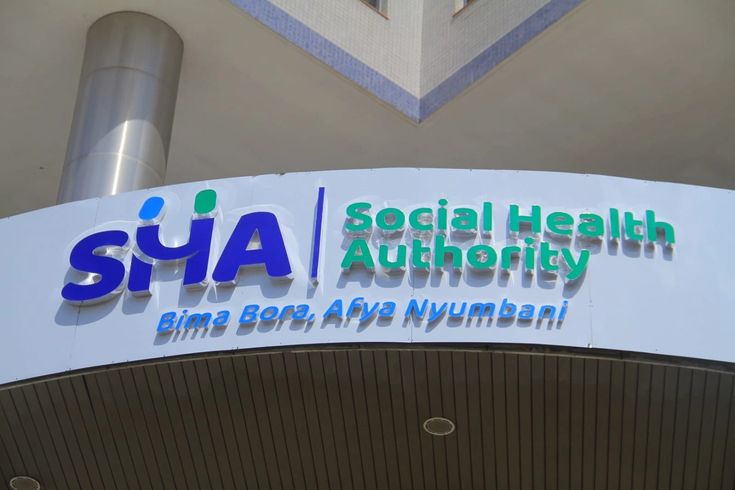
The Directorate of Criminal Investigations (DCI) has intensified its crackdown on fraud within Kenya’s healthcare system, unveiling major progress in ongoing investigations targeting facilities audited by the Social Health Authority (SHA).

In an update released on Wednesday, December 17, 2025, regarding the probe, detectives from the Investigations Bureau at DCI headquarters confirmed that they are conducting a wide-ranging investigation into alleged fraudulent activities involving medical facilities across the country.

The facilities under scrutiny are located in Nairobi, Homa Bay, Wajir, Kilifi, Kakamega, Bungoma, Busia, Kisumu, Vihiga, and Kajiado counties.

According to the DCI, 18 case files have already been forwarded to the Office of the Director of Public Prosecutions (ODPP) for review and legal direction. Of these, the ODPP has approved the prosecution of nine cases, marking a significant step forward in holding suspects accountable.

Meanwhile, five additional case files are still awaiting review and guidance from the ODPP, while three files have been returned to the DCI for further investigations. Investigators are also working on seven more case files that are yet to be completed before submission to the ODPP.

“So far, 18 case files have been forwarded to the Office of the Director of Public Prosecutions (ODPP) for review and legal guidance. The ODPP approved the prosecution of 9 cases, while 5 more case files are waiting for review and advice from the ODPP. Additionally, 3 case files have been returned to the DCI for further investigations, and 7 case files are still being investigated before being submitted to the ODPP for review and guidance,” the DCI stated.

In total, 24 suspects drawn from various medical facilities across multiple counties have so far been charged, as authorities signal that the net is widening and more arrests could follow.

The DCI reiterated its firm commitment to protecting public resources and restoring integrity in the healthcare sector, warning that no individual or institution involved in the alleged fraud will be spared.

0 comment
0 FacebookTwitterPinterestLinkedinTumblrWhatsappTelegramEmail
Cyrus Jirongo

The autopsy results on the body of former Lugari MP Cyrus Jirongo have been released.

Family pathologist Joseph Ndung’u on Wednesday, December 17, 2025, revealed that Jirongo died from a blunt force trauma that caused severe injuries to the chest, abdomen, spine, and legs.

Jirongo succumbed to injuries sustained in a road traffic accident involving his Mercedes-Benz and a Climax Coaches bus at Karai area along the busy Nairobi-Nakuru highway.

The Directorate of Criminal Investigations (DCI) on Tuesday, December 16, released new details into the circumstances surrounding the death of Jirongo, and revealed that it had kicked off a probe into his death.

The DCI stated that the collision occurred at approximately 2:19 a.m., resulting in a head-on collision. Investigators say the force of the crash pushed Jirongo’s vehicle about 25 metres from the point of impact, while the bus came to rest roughly 50 metres away.

“Preliminary investigations reveal that the accident involved Hon. Jirongo’s motor vehicle, registration number KCZ 305U, and a public service vehicle (PSV) bus, registration number KCU 576A, belonging to Climax Company Ltd. The collision occurred at approximately 02:19 A.M., resulting in a head-on impact that pushed the deceased’s vehicle about 25 metres from the point of impact, while the PSV bus came to a stop approximately 50 metres away,” the DCI stated.

A combined team of homicide detectives and forensic experts from the National Forensic Laboratory visited the scene, documented evidence, and secured key exhibits. Among the critical evidence recovered was CCTV footage from Eagol Petrol Station, located near the crash site.

According to the DCI, preliminary analysis of the footage shows that at 2:18:40 a.m., Jirongo drove into the petrol station from the Nairobi direction but did not refuel. At 2:19:10 a.m., his vehicle stopped at the station’s exit before making a right turn back towards Nairobi at 2:19:19 a.m.

Moments later, at 2:19:25 a.m., the CCTV captured the PSV bus ramming into his vehicle.

Detectives have interrogated the bus driver, Tyrus Kamau Githinji, who had earlier recorded a statement at the Naivasha Traffic Base. He has been released on cash bail pending further investigations into the offence of causing death by dangerous driving.

The driver is expected to report back to the Naivasha Traffic Base on December 22, 2025, for further police action.

0 comment
0 FacebookTwitterPinterestLinkedinTumblrWhatsappTelegramEmail