
Home Latest News
Category:

Latest News

By DCI

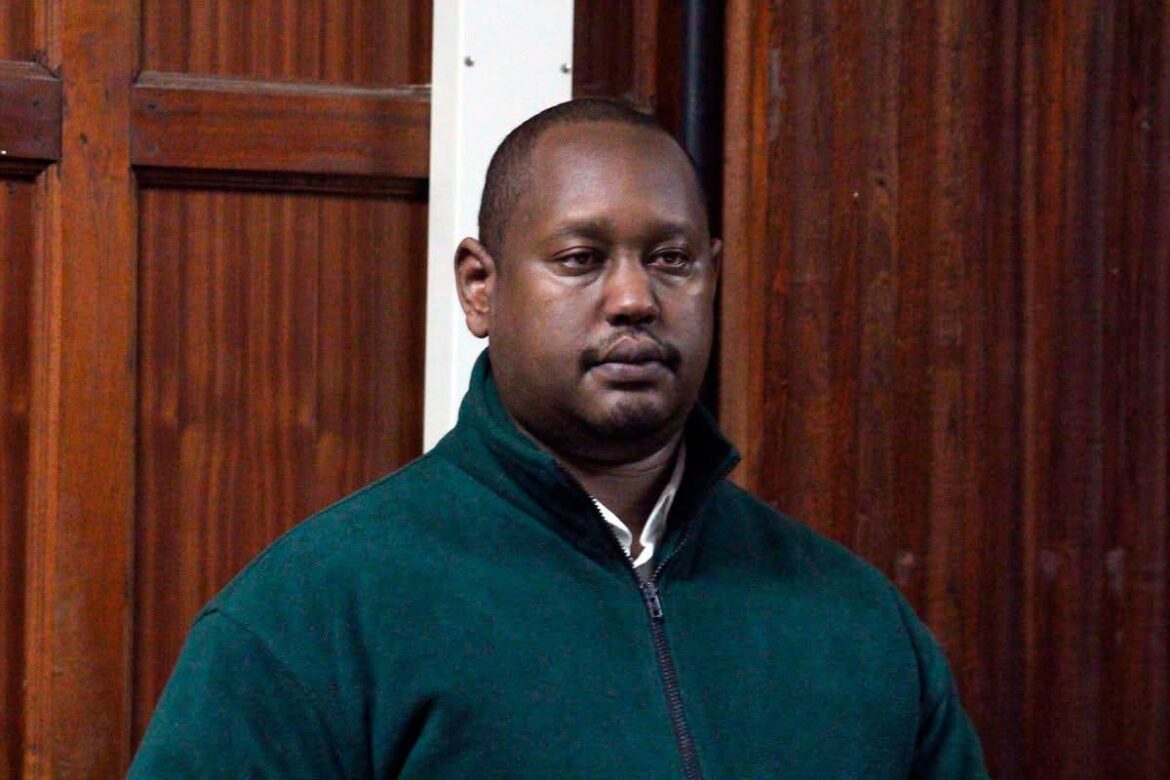
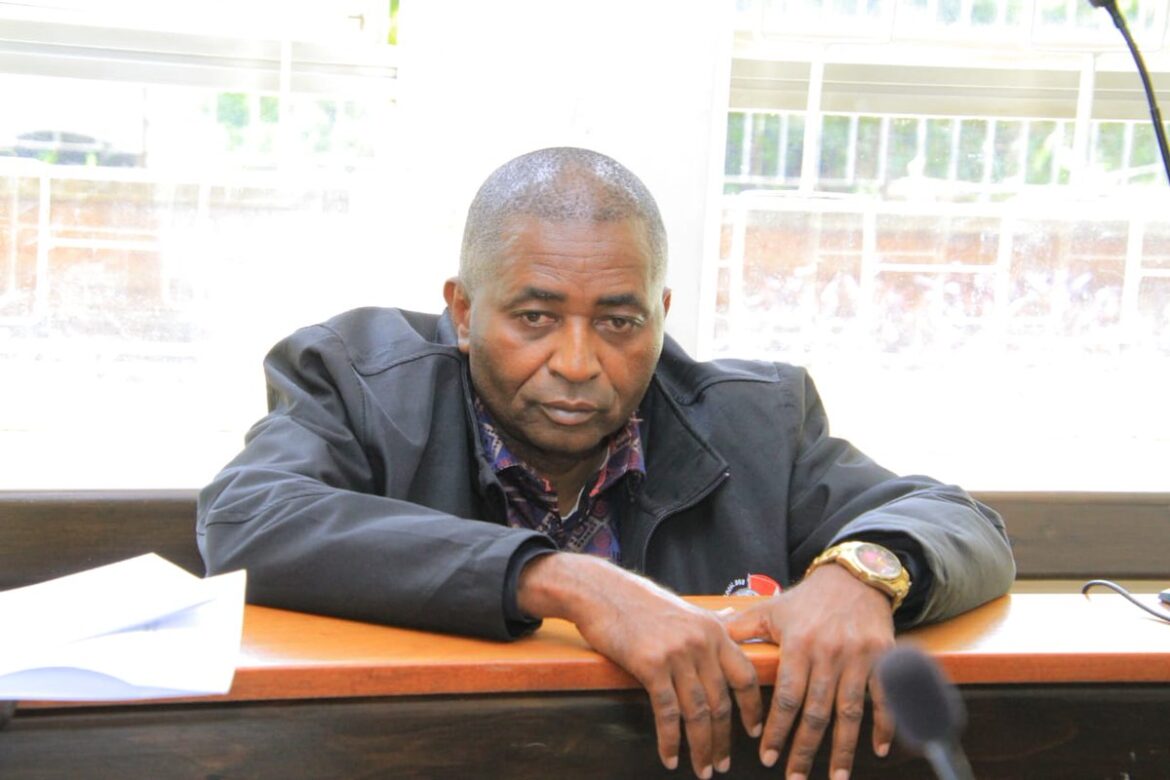
Abdinoor Sharmake Mohamed, the accused in a case of Conspiracy to Defraud and Giving False Information to a Person Employed in Public Office that involved a USD 394,209 fraudulent scheme has been charged at Makadara Law Courts.

The investigation of the case implicating him and three accomplices, Muna Dahir Dalmar, Salma Osman Gureye and Shamis Warsame Osman (the three at large), commenced in 2023, when the suspects reported at Pangani Police Station to have been defrauded the said amount by a businessman, who would later be vindicated by investigations as the victim of a fraud cartel.

In their fabricated allegations, the suspects claimed to have handed over USD 394,209 in cash to the businessman in 2022, money that constituted an investment in his company, African Express Cargo, and intended for a joint cargo business venture in Nairobi. They further alleged that upon receiving the funds, he had become evasive, failed to commence operations, and subsequently fled to a neighboring country. To substantiate their claims, the “complainants” produced an Acknowledgement of Debt dated 2nd May 2023, ostensibly executed by the businessman in the presence of an advocate.

Detectives from Starehe took over the investigation, profiled the alleged suspect before finally cornering him at JKIA in March, 2025. But on his arrest, a twist of events unfolded. Contrary to the reported complaints, the man claimed to have been abducted by individuals who posed as police officers, illegally detained, seizure of his passport and compulsion under duress to execute the debt agreement. He further alleged to have been forced to pay USD 17,000 to secure his release and passport, and a further USD 30,000 under threat of deportation.

The new information prompted a painstaking investigation, which disproved the earlier reported case. It emerged that the report at Pangani Police Station was fabricated by the daring suspects to boost their fraudulence art. Detectives unearthed that the victim was not in the country on the dates said to have committed the fraud offence, and neither were the three suspects who are still at large. Further, there was no record of either party’s presence at the Nairobi hotel where the transactions were reported to have taken place.

The case file was forwarded to the ODPP, who found the reported case to constitute a deliberate provision of false information to public officers, executed with the specific intent to coerce, extort, and pervert the course of justice.

Consequently, Abdinoor Sharmake Mohamed was hunted down, arrested and charged vide MCCR No E1091/2026 in respect of the aforementioned offences, but his three counterparts holed up. They are being sought.

0 comment
0 FacebookTwitterPinterestLinkedinTumblrWhatsappTelegramEmail

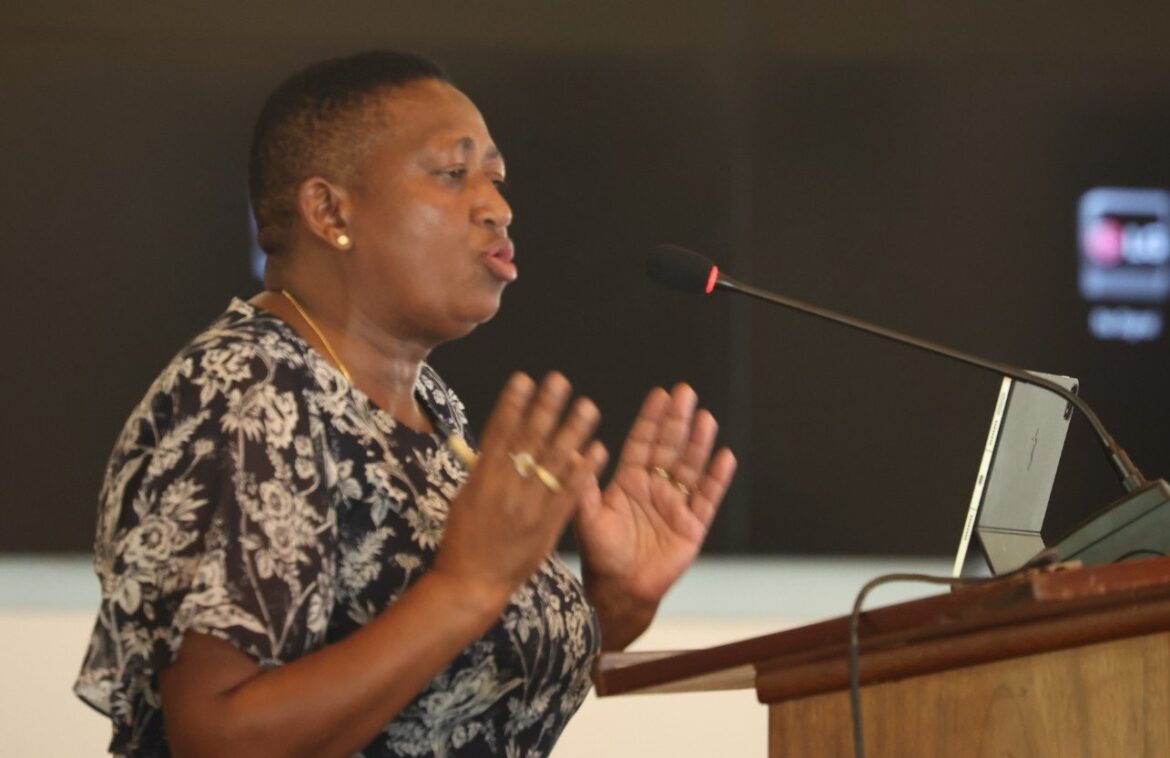
A power sector storm is brewing in Uganda as internal conflicts at the Electricity Regulatory Authority (ERA) intersect with national energy supply challenges, threatening to further destabilize an already fragile economic lifeline.

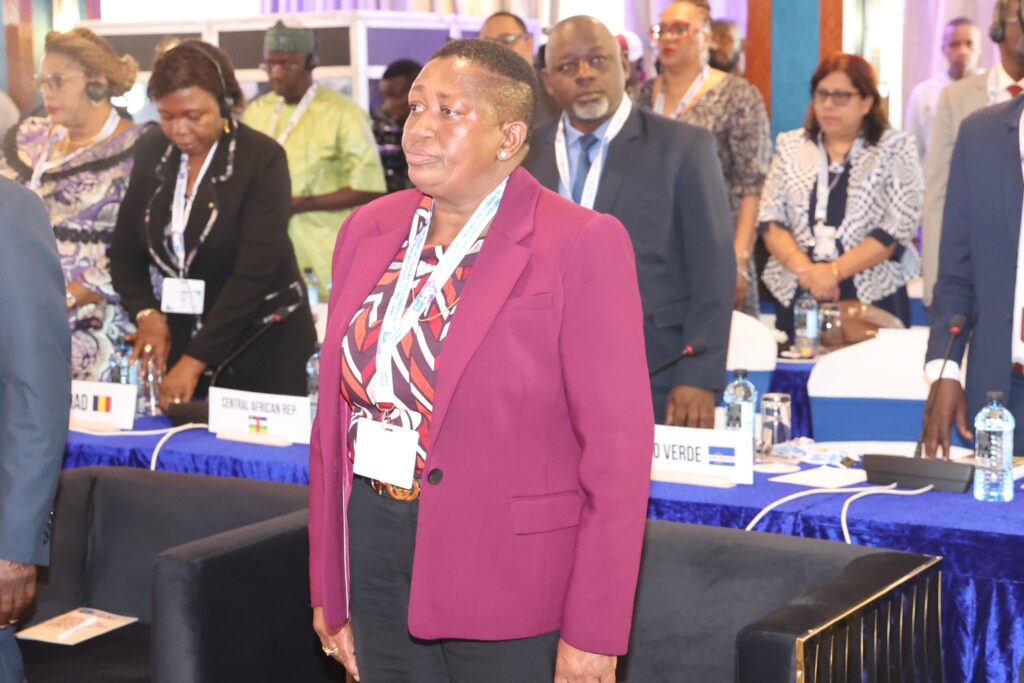
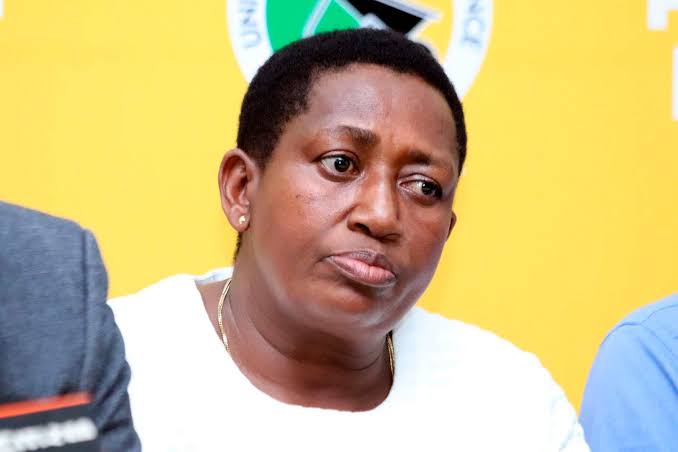
According to insiders, senior staff at ERA allege that Chief Executive Officer Eng. Ziria Tibalwa Waako is attempting to extend her tenure beyond statutory limits, igniting accusations of governance rot, board capture and institutional paralysis.

The report claims that Waako, whose second term expires in March 2027, is lobbying for a third term or a strategic placement within another state energy entity — a move critics say smacks of self-preservation at the expense of effective governance.

The alleged power struggle inside ERA, Uganda’s apex electricity regulator, reflects deeper systemic problems in a sector grappling with chronic supply instability that businesses and households have long decried.

ERA in Disarray: Leadership Crisis at a Critical Juncture
ERA was established to ensure a reliable, affordable and expanding electricity market. But the Red Pepper exposé paints a picture of internal fracturing, alleging that key directors are preoccupied with succession contests rather than regulatory oversight.

Staff grievances, allegations of discriminatory policies and financial mismanagement claims are said to have eroded morale and credibility.

The report highlights disputed policies such as the controversial “cooling-off” rule barring ERA staff from immediate employment in regulated entities — a policy critics argue was reintroduced selectively to benefit entrenched interests.

There are also claims of inconsistent promotion practices, inflated allowances for top officials, questionable recruitment decisions and a leadership culture perceived as indifferent to core regulatory functions.

ERA’s own recent Auditor General findings — which reportedly show missed performance targets and rising energy transmission losses — add weight to concerns about regulatory efficiency.

Electricity Supply Challenges: From Private Hands to State Control Uganda’s power woes are not limited to boardroom intrigue. The broader context of Uganda’s energy sector has seen seismic shifts that continue to impact supply reliability and the economy.

In March 2025, the government assumed full control of electricity distribution from Umeme Limited, ending a 20-year concession. The transition gave the state-owned Uganda Electricity Distribution Company Ltd (UEDCL) operational responsibility for sales and grid management, in line with government policy to enhance service delivery and reduce power costs.

While the takeover was meant to streamline distribution and make electricity more affordable, consumers and businesses have reported persistent outages, fluctuating voltage and inconsistent service, undermining confidence in the new system.

Critics — including manufacturers — warn that unstable power supply disrupts production, damages equipment and compels firms to rely on costly generators, inflating operating costs and slowing economic growth.

Economic Impact: Power Unreliability a Drag on Growth
The negative effects of unreliable electricity ripple through Uganda’s economy.

Manufacturers, in particular, cite frequent outages — sometimes multiple events per week — as a key impediment to continuous production. According to the Uganda Manufacturers Association (UMA), disruptions not only reduce output but also increase maintenance costs and force investment in alternative energy, at a high price.

Small and medium enterprises — a backbone of Uganda’s economy — also face losses as unpredictable supply disrupts services, reduces working hours and erodes profitability. For households, inconsistent electricity translates into higher expenditure on backup solutions like solar systems and inverters.

Tariff Adjustments and Government Response
In the midst of these challenges, the Electricity Regulatory Authority has maintained stable electricity tariffs into 2026, including a subsidised lifeline rate for low-usage consumers, even as frustrations simmer over supply reliability. ERA’s CEO acknowledges the public’s inconvenience and says addressing system reliability is central to regulatory efforts.

Government and ERA officials point to ongoing investments in grid upgrades, new internal infrastructure and expanded generation capacity — particularly hydropower from projects such as Karuma — as foundations for future stability. Peak demand has risen sharply, and electrification rates have climbed to an estimated 60–65 percent, indicating growth but also pressure on the grid.

Leadership at The Crossroads
The turbulence at ERA comes at a crucial moment. The regulator is at the heart of balancing sector growth, attracting investment, enforcing standards and ensuring that a stable, affordable power supply underpins the nation’s industrial and social development goals.

As internal disputes threaten to divert attention from core functions, stakeholders from government to the private sector are watching closely. If unchecked, the leadership crisis could compound the sector’s structural problems, further hampering Uganda’s economic momentum.

For now, the key question remains: Can ERA’s leadership navigate these political and operational challenges to ensure that Uganda’s lights stay on, and its economy powered forward?

0 comment
0 FacebookTwitterPinterestLinkedinTumblrWhatsappTelegramEmail

The Namanve Industrial Park is now the largest in Africa and the hope of all Investors and people of Uganda was that it would become a World Class Facility.

Unfortunately, reality check tells us that this dream must be thrown out of the window as so many issues, primarily due to its design, produced by the alleged corrupt and now retired Hamza Galiwango.

He literally allegedly had zero experience in an Industrial Park but was given the task to design this spectacular park, but instead saw it and others merely as a money-making opportunity.

There are only 3 estates and you guessed it was, none of them are connected but no services. Every activity in each estate was designed only to maximize the income of certain individuals, as the proof is in the pudding, can be seen today, with massive problems, one after another.

Right now, we have the largest Industrial park with zero infrastructure developments and more important no road network to interconnect all the investors and other areas etc. in a systematic and intelligent manner. This should have been the first step, if UIA had hired a designer with experience, knowledge and common sense.

Only a madman would design the largest Industrial Park in Africa with zero services, zero drainage and zero road inter-connectivity even to the area where the Jinja Expressway is expected. As a result, the roads are always a total mess, traffic jams, accidents etc.

But sadly, once the Jinja Expressway is built, the volume of traffic into the park will be so huge, the whole place will merely collapse. Then add to this the traffic from the S.G.R. Hamza, who had never seen trucks carrying 40ft containers, ended up designing roads so small, that trucks experience difficulties even turning corners. His only gift or contribution was making money and unfortunately the DG, even today will call him for advice. This is just too much unprofessionalism.

An example can highlight this madness in the Industrial Park is the Negligence, Unpatriotic, unprofessional behavior of key players and their selfish behavior with zero regard for the Nation. Four years ago, Lagan Dott purchased land near Jinja expressway in the park, where there was a great deal of high quality murram. This was subsequently dug up in huge quantities and sold to the Industrial Park at 3 times market value.

Many SINO Dump trucks were acquired and a road built right in the HEART of the park which could directly access every section of the entire park with connectivity.

Every day 100 Murram trucks ferried the murram all over the park and in the process completely destroying all the roads destroying in the park including the tarmac roads from Roofings as each truck carried the maximum of 50 tons of murram.

For 4 years an absolute fortune was made, very selfishly, without any concern to the roads, nor the infrastructure, but in the process this road became the main artery to the heart of the park. In the process huge amount of Dust was created and many Industries suffered, terribly.

So much murram was removed, that in November 2025 it actually ran out and according to the L/C Chairman, Lagan, UIA and NEMA, allegedly wanted 150M as a bribe to keep the road open, but when refused, Lagan started removing the murram and selling it to the waste disposal project. So, they are now making profits 2 times, and Network in the heart of the park is being destroyed.

Excuses given was that this area would revert back to NEMA after years and yet with just a few culverts, this very road could or should have been maintained as a very strategic road.

We asked Lagan and URA, through L/C chairman of Kolo, if there was a detailed, Intelligent comprehensive Road Plan for the long-term success of the largest Industrial Park, having all the industries already on the ground in the park.

This plan should fall into the Jinja Expressway and the Intelligent manner it would interconnect the park and strategic flow of Huge Volumes of traffic. The answer was No. The Government and President should be concerned about the need for a sustainable long term development plan as foreign Investors will insist on such a basic plan.

Namanve Industrial Park is the Flagship Industrial Park and engine Uganda’s economic growth and it’s the responsibility of all stakeholders, to put a National Interest over monetary benefits.

0 comment
0 FacebookTwitterPinterestLinkedinTumblrWhatsappTelegramEmail
KMPDC

There is a recording. Eleven minutes long. Passed in hushed circles through WhatsApp groups where Kenya’s doctors are the members. In it, an official of the Kenya Medical Practitioners and Dentists Council, the very body charged with protecting Kenyans from incompetent and dangerous doctors, can be heard negotiating the price of impunity.

The recording has been in existence for close to three years. It was shared with the KMPDC’s own leadership. The police were never called. No charges were filed. The man on the tape kept his job.

That single audio clip has now detonated a scandal that is threatening to bring down the entire KMPDC board, trigger a nationwide doctors’ strike, and expose a regulatory body that critics say has long since stopped regulating anything except the flow of bribes.

“The KMPDC has ceased to be a regulatory body and has become a criminal enterprise.” — KMPDU Secretary-General Dr Davji Atellah

In the recording, a KMPDC official is heard demanding Sh500,000 in exchange for a drastically reduced punishment against a doctor who had already been found guilty of negligence. The Disciplinary and Ethics Committee had recommended a one-year suspension and a Sh1 million fine. After the conversation on tape, the suspension vanished from the judgment entirely. The doctor paid half the fine. The official, according to sources familiar with the matter, pocketed the difference.

The official reportedly told the doctor that he had authored the judgment himself, and that the payment had to be settled by the following morning or the harsher ruling would stand. The two men shook hands and went their separate ways.

The recording was handed to KMPDC’s top brass. They did not report it to any investigative agency. KMPDC Chief Executive Officer Dr David Kariuki confirmed in an interview with Nation that the council does not itself investigate its board members, pointing instead to the appointing authority: the Cabinet Secretary for Health.

KMPDC Chief Executive Officer Dr David Kariuki

Asked whether Health CS Aden Duale had been informed about either the recording or the wider pattern of bribery allegations, Dr Kariuki had not responded to queries by press time.

A Marketplace in Plain Sight

Nation Media Group’s three-week investigation, which Kenya Insights has independently reviewed, surfaced a pattern of systematic extortion that goes far beyond a single audio recording.

Multiple doctors interviewed described a disciplinary process that had been transformed from a judicial mechanism into something closer to a street auction.

One doctor, whose name has been withheld for his safety and referred to here as Dr Alex, described the moment corruption became personal. After appearing before the committee to answer a complaint, colleagues on the panel informally told him what his punishment would be. He left the hearing feeling that while the process was uncomfortable, the outcome was fair.

Then the calls started. A year after his hearing concluded, someone purportedly acting on behalf of the Council rang him with what amounted to a threat.

A far more severe verdict was in the pipeline, the caller said. But for a fee of over Sh1 million, to be divided among committee members, the original milder ruling could be restored.

“They gave me a completely different version, a much more severe punishment,” Dr Alex recounted. “I called my friend from the committee who had spoken to me earlier and asked what was happening. He told me the original verdict had not changed.”

The racket was elegant in its construction. Without an insider, a doctor facing discipline had no way of knowing what the real verdict was. The threat of a harsher judgment, which may or may not even exist, was the lever. Fear and uncertainty were the mechanisms. Cash was the resolution.

Dr Alex reported the attempted extortion to the KMPDC board. Nothing was done. He eventually received the original, lesser verdict without paying a cent. But his silence was not guaranteed, and the system that failed him continues to operate.

“Council members solicit bribes from doctors facing disciplinary action, with the severity of punishment depending not on the offence but on the ability to pay.” — KMPDU

A second doctor, referred to as Dr Bernard, had a grimmer experience. When his case was resolved, the committee levied an official fine of Sh500,000 payable to the KMPDC. He paid it. Then individual board members came to him separately, demanding additional money to ensure the verdict was “taken care of.” He paid that too.

“Later, I realised they did not help me at all,” Dr Bernard said. “I paid the Sh500,000 official fine and the bribes. This is what normally happens. I have friends in this space who have been scammed and blackmailed by the Council to give bribes in exchange for favourable verdicts.”

The Widower Who Was Told to Stay Silent

While doctors describe a system that extorts them, patients describe something arguably worse: a system that ignores them entirely.

Brian Odhiambo’s voice breaks when he recalls the night of October 31, 2023. His wife Wendy Amondi arrived at Juja Road Maternity Hospital eight centimetres dilated. She had a normal pregnancy. There was every reason to expect that by morning, she and Brian would be parents.

What followed was, by Mr Odhiambo’s account, a cascading series of medical failures and institutional concealment. Labour was induced. The baby came out shoulder-first, rupturing Wendy’s cervix. She was rushed to theatre. Her uterus ruptured and was removed. She kept bleeding. Her blood pressure collapsed. A doctor summoned Mr Odhiambo to his office.

“He looked down, flipped through the documents, and said: We tried everything we could, but she is gone.”

The hospital’s paperwork showed Wendy died at 11:45pm. Mr Odhiambo was not told until 1pm the following day, nearly fourteen hours later. His bill of Sh150,000 was written off. The hospital offered to pay for the burial.

“They really wanted me out of that hospital. I could read the guilt on their faces,” he said.

Days after Wendy was buried, the attending doctor called Mr Odhiambo and advised him to settle the matter quietly. The hospital offered Sh280,000 through a non-disclosure agreement. Grieving, broke, and now a single father, Mr Odhiambo signed it. He was not given a copy.

He later filed a complaint with the KMPDC. More than two years on, the case remains unresolved. When he followed up, officials told him the case was under review. Some, he says, suggested he accept the earlier payout and move on because the case “would drag on.”

“I felt cheated twice,” Mr Odhiambo said. “First, I lost my rib, my partner, my love. Then the system that was supposed to give me answers betrayed me.”

Courts Had to Force the Council’s Hand

Mr Odhiambo’s experience is not exceptional. In at least two other documented cases, families had to drag the KMPDC to the High Court simply to obtain a judgment in proceedings that had already been heard and argued.

Irene Muthoni Wanjau filed a complaint against Dr Bernard Ndung’u of Nairobi South Hospital on January 28, 2021. She alleged negligence during a surgery that claimed her mother’s life. The matter was heard in November 2021. Both sides filed their written submissions by December. The law requires the KMPDC to deliver judgment within 60 days of the conclusion of hearing.

Two years later, there was no verdict. The KMPDC repeatedly promised delivery in the coming month. In March 2024, it promised again. Ms Wanjau went to the High Court in August 2025 to compel a ruling. The council did not respond to the court case but called her in November 2025 promising yet again to deliver by month end. It did not.

On December 15, 2025, the High Court ordered the KMPDC to deliver the judgment within 14 days. It was eventually issued on January 6, 2026, more than four years after the hearing concluded.

Kenya Medical Practitioners and Dentists Council (KMPDC) Chief Executive Officer, Dr David Kariuki

Dr Kariuki maintained in his interview that the delays were caused by “exogenous challenges” and were not the result of deliberate disregard of court orders. He cited case backlog and the need for “thorough, well-reasoned” decisions. He did not address why no judgment was delivered in the years before the court became involved.

Fake Doctors, Real Victims: The Enforcement Gap

The corruption allegations at the KMPDC’s disciplinary arm arrive against the backdrop of a wider failure of medical regulation in Kenya. In January 2026, the KMPDC was forced to shut down four illegal clinics in Nairobi’s Kawangware neighbourhood after media reports of a patient, Amos Isoka, left critically ill following a botched tooth extraction at a facility that had never been licensed.

The Council’s CEO acknowledged that the clinic had been operating illegally for more than three years without the knowledge of either Nairobi County or the KMPDC itself. The unlicensed practitioner fled before authorities arrived and had not been apprehended at the time of reporting. Isoka subsequently died from complications of the procedure.

KMPDC data shows that of 17,749 registered medical and dental practitioners in Kenya, only 11,751 are active. The Council has received a total of 1,239 complaints since its first case in 1997, of which about 1,060 have been concluded. Complaints have risen sharply in recent years, from 80 in 2021 to 132 in 2024, suggesting growing awareness among patients of their right to complain but raising questions about capacity to respond.

Critics note that a disciplinary body drowning in corruption is ill-placed to serve as a credible backstop against medical malpractice, legal or illegal. If registered doctors can buy their way to lenient sentences, the signal sent to unlicensed practitioners operating in Kawangware and beyond is one of near-total impunity.

Doctors Give Duale 14 Days

The Kenya Medical Practitioners, Pharmacists and Dentists Union has reached the end of its patience. On February 17, 2026, the union wrote to CS Duale demanding the dissolution of the KMPDC board within 14 days, failing which all doctors in Kenya would go on strike.

The letter, signed by KMPDU Secretary-General Dr Davji Atellah, described the KMPDC as a body that has “ceased to be a regulatory authority” and has instead become, in the union’s words, a criminal enterprise. The union accused the Council of extorting doctors, ignoring patients’ complaints, and delivering verdicts calibrated not by the gravity of the offence but by a doctor’s willingness to pay.

“Council members solicit bribes from doctors facing disciplinary action, with the severity of punishment depending not on the offence, but on the ability to pay,” Dr Atellah wrote. “Those who cannot pay face career-ending punishments, regardless of the merits of their case.”

The union has demanded an independent investigation into the bribery claims, a full vetting process for any replacement board, and structural reforms to restore public confidence in medical regulation. The ultimatum sits on CS Duale’s desk. The 14-day clock has begun ticking.

This latest confrontation comes as the KMPDC is already under scrutiny from a separate front. In September 2025, Health CS Duale oversaw the handover of 1,188 files from the KMPDC and the Social Health Authority to the Directorate of Criminal Investigations, in what officials described as a broader crackdown on fraud in the health sector.

Under the Ethics and Anti-Corruption Commission Act, the EACC has the authority to investigate public offices and officers accused of corruption. Whether the audio recording and the wider pattern of bribery allegations will find their way to the commission, or whether they will be managed internally as they have been for nearly three years, remains to be seen.

What the Law Says

Kenya’s Anti-Corruption and Economic Crimes Act 2003 defines bribery, breach of trust, abuse of office, and extortion as criminal offences punishable by imprisonment. The Anti-Bribery Act 2016 requires all public entities to put in place procedures to prevent corruption. The Ethics and Anti-Corruption Commission is empowered to investigate and prosecute.

What the law does not do is enforce itself. That task belongs to institutions, and in this case the institution responsible for self-policing is the one alleged to be selling verdicts by the half million shilling.

For Mr Odhiambo, who has been trying since 2023 to find out what killed his wife, the legal architecture is irrelevant. He has tried every official channel available to him. None has delivered an answer.

“Was I signing documents for a woman who was already dead?” he asked, remembering the morning he sat in a hospital waiting room putting his name to consent forms for a surgery that, the paperwork would later show, had been concluded hours before he was called.

Nobody from the KMPDC has told him.

0 comment
0 FacebookTwitterPinterestLinkedinTumblrWhatsappTelegramEmail

Kenya’s growing digital adoption is transforming how individuals manage their daily lives, from mobile banking to online shopping and e-commerce. However, this convenience comes with significant risks. While the Communications Authority (CA) recently reported an 82% drop in cyberattacks—down from 4.6 billion incidents in the previous quarter to 842.3 million—the threat to personal cybersecurity remains high.

Cybercriminals are shifting tactics, targeting individuals through weak passwords, outdated software, and poor online security practices. This has left many Kenyans vulnerable to exploitation, with identity theft emerging as a particularly alarming issue.

Fraudsters are taking advantage of gaps in verification systems to steal personal information, leaving victims to deal with financial losses, damaged reputations, and the stress of reclaiming their identities.

#KaaChonjo

Take Justus for example. One morning, he received a call from a fake bank representative claiming that his national ID had been used to register multiple SIM cards and take out loans he knew nothing about. The caller urged him to share his ID number and other personal details to “resolve the issue” immediately.

Feeling uneasy, Justus remembered Equity Bank’s fraud awareness campaigns that emphasized: “Always verify before you act.” Instead of sharing his details, he hung up and called Equity Bank’s official customer care line at 0763 000 000. The bank’s representative confirmed that the call was a scam, reassured him that his account was secure, and verified that no new loans had been taken out in his name. They also guided him on steps to protect his identity, including reporting the incident to the relevant authorities and safeguarding his personal information.

Thanks to his quick thinking and the bank’s support, Justus avoided becoming a victim of identity theft and ensured his finances remained safe.

How Fraudsters Operate

Unfortunately, not everyone is as prepared as Justus. Fraudsters are constantly devising new ways to exploit unsuspecting individuals. They often use tactics like:

  • SIM-swap fraud: Fraudsters gain access to your phone number and use it to intercept sensitive information like OTPs.
  • Phishing scams: Fake emails or messages trick victims into revealing personal details that are stolen.
  • Data breaches: Stolen personal information is used to access credit facilities or commit other fraudulent activities.

Equity Bank is committed to ensuring the safety of its customers by providing robust security measures and empowering you with the knowledge to stay ahead of fraudsters. Here’s how you can protect yourself and your finances:

  • Always verify: If you receive a suspicious message or call, contact Equity Bank’s official customer care line (0763 000 000) for guidance.
  • Enable two-factor authentication (2FA): Add an extra layer of security to your accounts.
  • Never share sensitive information: Your PIN, OTP, passwords, or account details should remain private. Equity Bank will never ask for this information via phone, text, or email.
  • Monitor your accounts: Regularly check your transactions and report any unusual activity immediately.
  • Secure your devices: Use strong passwords, enable two-factor authentication, and avoid saving your banking passwords on shared devices.
  • Avoid public Wi-Fi: Use mobile data for online banking to prevent fraudsters from intercepting your information.
  • Verify communication: Always confirm any communication from banks by contacting official customer service numbers.
  • Act quickly: If your card, phone, or SIM is lost, report it immediately to block unauthorized access.

By staying vigilant and following these tips, you can protect your hard-earned money and ensure a safer financial future. Remember, Equity Bank will never ask for your PIN, OTP, or password. If in doubt, always call the official customer care line for assistance.

For more tips on secure banking, visit: Secure Banking Tips | Equity Bank Kenya

0 comment
0 FacebookTwitterPinterestLinkedinTumblrWhatsappTelegramEmail

Guinness, the Official Beer of the Premier League, is bringing its legendary Guinness Matchday experience back to the Bar Next Door, Kiambu Road and Konqa on Sunday, 1st March 2026. 

Starting from 5:00 p.m. till late, football enthusiasts will gather for a high-stakes double-header that could decide the fate of the 2025/26 Premier League. 

The evening kicks off with Manchester United facing Crystal Palace. While the Red Devils look to solidify their standing, the spotlight shifts to a massive London Derby as Arsenal take on Chelsea. 

For Mikel Arteta, this is a crucial game. Currently holding a five-point cushion at the top of the table, this fixture is widely anticipated to represent the defining period of their season. A win against their London rivals would firmly maintain them as favourites for the Premier League trophy, while a slip-up could open the door for the chasing pack. 

The experience will feature live screening of the games on HD screens, with perfect sound, Guinness Clean Sheet Challenge, expert punditry from our Matchday Committee, and perfectly chilled Guinness. 

Off the pitch, the energy will be just as electric, at the Bar Next Door, the atmosphere will be curated by the smooth sounds of Charisma and the high-octane energy of MC Gogo, supported by the relentless vibes of BV Accurate and DJ Daffy. The party train goes all the way to Konqa, where hip-hop heavyweight Khaligraph Jones will headline the night alongside the incomparable mixmaster DJ Grauchi. 

Event Details

  • Date: Sunday, 1st March 2026 
  • Venue: Konqa 254, Ruaka and Bar Next Door, Kiambu Road 
  • Time: 5:00 p.m. –till late 
  • Entry: FREE  

Please drink responsibly. Alcohol is not for sale to persons under the age of 18.

0 comment
0 FacebookTwitterPinterestLinkedinTumblrWhatsappTelegramEmail

Treasury Cabinet Secretary John Mbadi has fired a warning shot at Kenya’s embattled microfinance and digital credit sector, threatening to revoke licences of firms that deliberately structure loans to make repayment impossible — even as four of the industry’s most controversial players walked free from court on a legal technicality.

Appearing before the Senate on Wednesday, Mbadi accused some lenders of issuing logbook-secured loans with the hidden objective of repossessing and selling borrowers’ vehicles rather than recovering debt.

“There are lenders who issue credit facilities and take borrowers’ logbooks with the objective of selling the vehicles. They have structured the loans in such a way that repayment becomes practically impossible. Such entities must operate within the law or we will revoke their licences,” Mbadi told senators during a session broadcast live.

His remarks come barely 48 hours after the High Court dismissed a constitutional petition seeking to eject Mwananchi Credit Limited, Platinum Credit Limited, Izwe Loans Limited and Premier Credit Limited from the market over allegations that they were advancing digital credit without proper licensing from the Central Bank of Kenya (CBK).

Court Escape on Technical Grounds

The petition, filed by Mark Muko, argued that the four lenders had been operating illegally, exposing borrowers to predatory interest rates and abusive recovery practices.

However, the High Court ruled that the petitioner had failed to exhaust dispute resolution mechanisms provided under the Microfinance Act Regulations before approaching the court, rendering the case premature and procedurally defective.

Legal experts note that the ruling was not a declaration of compliance by the lenders but a procedural dismissal. “The court did not give digital lenders a clean bill of health. It simply said the matter was brought to the wrong forum at the wrong time,” one Nairobi-based advocate observed.

Litigation Storm and Inflated Debt Claims

For some of the named firms — particularly Mwananchi Credit — the reprieve comes amid mounting litigation. A landmark 2023 High Court decision drastically reduced a Sh22 million loan demand to the original Sh7 million principal, affirming the application of the in duplum rule, which bars lenders from charging interest exceeding the principal loan amount.

Subsequent rulings have questioned ballooning loan claims and repossession tactics, with judges warning that courts will not allow microfinance firms to operate outside statutory protections designed to shield borrowers from exploitation.

Court records indicate a surge in cases challenging loan terms, with potential combined claims against some lenders running into billions of shillings if even a fraction succeed.

Regulatory Crackdown

Mbadi outlined sweeping regulatory reforms aimed at restoring order to a sector that has expanded rapidly in recent years.

He disclosed that the CBK now requires all Non-Deposit Taking Credit Providers to obtain licences under a strengthened Digital Credit Providers framework, which sets eligibility, governance and consumer protection standards.

As of December 2025, 195 licensed entities were advancing a combined Sh110.5 billion in credit to Kenyan borrowers.

The Treasury has also quadrupled fines for violations of the Banking Act from Sh500,000 to Sh2 million. Mbadi confirmed that credit providers’ pricing models must comply with the in duplum rule under Section 44 of the Act.

Additionally, the CBK is working with the Office of the Data Protection Commissioner to curb abusive debt collection practices, including doxxing and harassment of borrowers’ contacts.

Data from the Competition Authority of Kenya shows consumer complaints against microfinance and digital lenders rose by 28 percent in 2025 — the sharpest annual spike recorded.

A Sector at a Crossroads

The near-simultaneous Senate warning and court dismissal highlight the contradictory moment facing Kenya’s credit market. While the judiciary insists on procedural discipline, the Executive has signalled that regulatory tolerance for predatory lending has ended.

For lenders, the message is clear: comply with licensing rules, maintain transparent pricing structures and respect consumer protection laws — or risk losing the right to operate.

For borrowers emboldened by recent court precedents and Mbadi’s public stance, the legal battles are far from over. The petition may have collapsed on technical grounds, but the broader question of whether parts of Kenya’s digital lending sector have crossed the line from credit provision into financial exploitation remains very much alive.

0 comment
0 FacebookTwitterPinterestLinkedinTumblrWhatsappTelegramEmail
88 Nairobi Tower

An American investor has moved to the Environment and Land Court at Milimani, claiming he was fleeced of Sh225 million in a botched off-plan property deal tied to the high-profile 88 Nairobi development.

In court papers, the investor identified as KYH paints what he describes as a calculated scheme that led to the loss of more than Sh161 million after he committed to purchase ten premium apartments in the luxury skyscraper.

The 88 Nairobi Deal

The project, undertaken by Eighty-Eight Nairobi Limited, was marketed as Africa’s tallest residential tower and a symbol of opulence in Nairobi’s Upper Hill.

KYH says he signed the purchase agreement in March 2024 for a total consideration of Sh225 million, attracted by promises of high returns, world-class finishes, and strong capital appreciation.

88 Nairobi Tower project

According to the filings, by October 2024, he had paid approximately $1.25 million — more than 70 percent of the purchase price — fully settling seven of the ten units.

Sudden Default Notice

The dispute arose when the investor says he received a final notice demanding an additional $250,000 within three days, failure to which the developer would cancel the agreement.

He argues that the notice period was unreasonable, particularly given that he is based in the United States and frequently travels. He further claims that despite formally instructing the developer to route all official correspondence through his Kenyan lawyers, critical notices were sent directly to him.

In a sworn affidavit, he describes the move as deliberate and designed to trigger a technical default.

“What was presented as Nairobi’s iconic address has turned into a financial trap,” he states.

Liquidated Damages Clause

At the heart of the dispute is a contractual clause allowing the developer to retain up to 50 percent of the purchase price as liquidated damages in the event of default.

In this case, the investor says that could translate to roughly Sh113 million. He contends that the amount is punitive, disproportionate and amounts to unjust enrichment.

He further alleges that the developer utilized his $1.25 million to fund construction while declining to transfer title or refund the money. Under the agreement, any refund would allegedly depend on resale of the units and would not attract interest.

Multiple Respondents Named

The suit also names Jonathan Jackson, associated with the project through the Lordship Group, as having played a central role in marketing the development to diaspora investors.

Other respondents include Bank of Baroda, the Nairobi Lands Registrar and the Attorney-General.

KYH is seeking declarations that the termination of his agreement was unlawful and that his proprietary interests in the fully paid units remain valid. He also wants the court to restrain enforcement of forfeiture clauses and to order restitution of the sums paid.

Wider Market Concerns

In a dramatic turn, the investor has asked the court to allow other buyers in similar circumstances within the same project to join the proceedings — potentially opening the door to a broader legal battle over off-plan property sales practices.

The case adds to growing unease in Kenya’s off-plan property market, particularly where luxury developments heavily target diaspora investors with promises of prestige and profit.

The respondents had not filed their defence by the time of publication. The matter is awaiting directions at Milimani.

For now, the dispute casts a long shadow over 88 Nairobi, raising fresh questions about risk, transparency, and accountability in Kenya’s high-end real estate sector.

0 comment
0 FacebookTwitterPinterestLinkedinTumblrWhatsappTelegramEmail

Arsenal’s quest for the first Premier League title in 22 years is entering a critical phase, with one significant London derby poised to shape the narrative of their 2025/26 campaign. The fixture against Chelsea on March 1 is widely anticipated to represent a defining period for Mikel Arteta’s side.

The burning question on every neutral lip and likely every Gunner isn’t merely if this fixture will ‘shape Arsenal’s most hopeful campaign,’ but whether the Gunners can finally conquer their familiar demons, or if they’re simply gearing up to pen another tragically compelling chapter in the epic saga of the real league bottlers.

Under Arteta’s stewardship, Arsenal have finished runners-up in the Premier League for the past two consecutive seasons. The 2022/23 campaign saw them finish five points adrift of Manchester City, while the 2023/24 season concluded with a two-point deficit to Pep Guardiola’s side. Last season, 2024/25, saw Liverpool, managed by Arne Slot in his inaugural season, secure the title with a ten-point advantage over Arsenal. This sequence of near misses has, inevitably, led to scrutiny regarding the club’s capacity to sustain a title challenge over a full season.

This season, significant investment and strategic appointments were made at Emirates Stadium. The arrival of acclaimed football director Andrea Berta, who oversaw eight new signings totalling in excess of £250 million ($333.5m), was understood to be a clear signal of intent, designed to bolster squad depth and address previous injury concerns. Arsenal subsequently capitalised on early-season instability among their traditional rivals.

Liverpool’s title defence was hindered by a combination of factors, including the demise of striker Diogo Jota, a heated disagreement between head coach Arne Slot and forward Mohamed Salah, and significant squad adjustments following player sales. Manchester City, navigating an ongoing Premier League legal challenge regarding alleged financial breaches from 2009-2018, experienced a period of inconsistent form and tactical experimentation under Guardiola. Manchester United, for their part, underwent a change in management earlier in the season, with Rubén Amorim’s tenure concluding amidst scrutiny over squad selection and tactical approaches. Chelsea, recent winners of the Club World Cup, and Newcastle also faced periods of struggle, with the former having parted ways with head coach Enzo Maresca, and the latter contending with a notable injury list. Tottenham Hotspur, under former head coach Thomas Frank, found themselves unexpectedly contending at the lower end of the table despite a strong UEFA Champions League showing.

Arsenal’s campaign had, until recently, progressed favourably. They secured qualification from their UEFA Champions League group unbeaten, topping it with 18 points. In the Premier League, the club has incurred only three defeats this season – against Liverpool, Aston Villa, and Manchester United – and had maintained a position at the summit of the table, benefiting from City’s occasional dropped points against mid-table opposition.

However, since January 2026, Arsenal’s league form has seen a dip, registering just four wins from their last nine Premier League encounters. This run has allowed Manchester City to close the gap, with Arsenal currently holding a five-point advantage, albeit having played one more game than City. A recent 2-2 draw at home to relegation-threatened Wolves, where Arsenal surrendered a two-goal lead, reflects the current challenge. However, Arsenal managed to stretch the lead with a 4-1 away victory against bitter North London rivals, Tottenham Hotspurs.

The immediate focus for Arsenal now shifts to their London derby against Chelsea. There is an understanding that securing maximum points from this fixture is paramount, particularly with Manchester City’s own challenging schedule. City recently defeated Newcastle and will face Leeds next. Historically, City have demonstrated a formidable capacity to accelerate their performance in the latter stages of a title race, a factor that will undoubtedly exert pressure on Arsenal.

Chelsea, despite their current league position, will approach their encounter with Arsenal with significant motivation. They are vying for a top four position, competing with a resurgent Manchester United and Liverpool. Chelsea recently drew 1-1 with Burnley, and their form will be critical in determining Arsenal’s fate.

Looking further ahead, Arsenal is scheduled to face Manchester City in the Carabao Cup final following the Chelsea fixture. This will be succeeded by a critical league visit to the Etihad Stadium, a match widely anticipated to be a pivotal moment in the Premier League title race. There is also the potential for the two clubs to meet in the UEFA Champions League knockout stages. Consequently, any dropped points in the upcoming London derby could significantly alter Arsenal’s standing ahead of these crucial encounters.

Catch the action live at the Guinness Matchday on March 1st at Bar Next Door Kiambu Road and Konqa 254 Lounge in Ruaka. The experience will feature live screening of the game, Arsenal vs Chelsea, on HD screens, with perfect sound, expert punditry, and ice-cold Guinness.

0 comment
0 FacebookTwitterPinterestLinkedinTumblrWhatsappTelegramEmail

The UEFA Champions League returns tonight, and this is where narratives either collapse or are reborn. Four ties. Four different scorelines. One unforgiving truth! Someone’s European dream ends.

At 8:45pm, Atlético Madrid host Club Brugge with the tie delicately poised at 3-3.

This one is psychological warfare. Atlético thrive in chaos. Structured chaos. Diego Simeone’s side will believe the Wanda Metropolitano atmosphere can tilt the balance. But Brugge have already proven they can hurt them. Three goals in the first leg is not luck. It is belief. The question is simple: can Brugge survive the suffocating pressure of a Spanish knockout night?

At 11pm, Bayer 04 Leverkusen carry a 2-0 advantage into their clash with Olympiacos FC.

Leverkusen have been one of Europe’s most tactically refined sides this season. Fluid in possession, ruthless in transitions. Olympiacos now need more than energy. They need efficiency. An early goal changes the temperature. Without it, this could become a controlled German procession into the next round.

But the tie that truly smells of drama?
Inter Milan vs FK Bodø/Glimt.

Inter trail 3-1.

Let that sink in.

The Italian giants, European pedigree woven into their history, are staring at elimination against Norwegian resistance. Bodø/Glimt have built a reputation in recent years for being fearless. Combined with high-intensity football, especially on European nights. Now the challenge is different. Can they manage a lead away from home!? Against a side that understands knockout football like few others?

This is where experience battles momentum. Inter need composure, not panic. One early goal and suddenly the San Siro becomes a furnace.

Finally, Newcastle United welcome Qarabağ FK with a commanding 6-1 advantage.

On paper, this is done. In reality, professionalism demands focus. Newcastle’s resurgence in Europe has been built on intensity and structure. Qarabag would need a miracle. And football rarely offers miracles at this stage without defensive collapses.

So who goes through?

Newcastle look home and dry.
Leverkusen hold the upper hand.
Atlético vs Brugge is balanced on emotion.
Inter vs Bodø/Glimt could become the story of the night.

And that is the beauty of knockout football. Reputation means nothing once the whistle blows.

Tonight, Europe chooses its survivors.

0 comment
0 FacebookTwitterPinterestLinkedinTumblrWhatsappTelegramEmail

At the start of every year, many of us map out what we want to achieve: school fees, bills, savings, business goals, or even that long-awaited family purchase. We think about how to raise income, how to cut costs, and how to grow our finances. Yet one important piece of planning is often missing; Insurance! 

For many households, insurance feels distant or unnecessary. It is seen as something you think about later. But the truth is that life doesn’t wait. 

Take a farmer who depends on livestock for daily income. Suddenly, a prolonged drought, flash floods, or a disease outbreak wipes out this key source of income, leaving the family financially vulnerable.

Or think of the small shop owner who has worked for years to stock their shelves and build a steady clientele. One night, a short circuit causes a fire that destroys part of the store and stock. Recovery means expensive replacement costs and days without income.

A break in leaves a family without critical household items necessary for their day-to- day use. These are not distant possibilities; they happen every year; they are not just interruptions. They can derail the best laid financial plans and push families into debt or hardship. Laid financial plans and push families into debt or hardship.laid financial plans and push families into debt or hardship.

This year, as you set your financial goals, it’s worth asking: What would happen to my plan if the unexpected struck today?

Equity makes insurance accessible and relevant for everyday Kenyans by integrating insurance solutions into everyday banking. Make insurance part of your overall financial plan and protect yourself against common risks that can wipe out progress.

General insurance covers assets and risks many of us face daily; from motor vehicles and household items to fire, drought, flash floods, theft, burglary, and public liability.

With the right cover, the farmer can be compensated for livestock lost to drought, floods, or disease outbreak. The shop owner can recover lost stock without losing months of hard work. Families can replace essential household items lost to burglary without diverting money from school fees or other planned expenses.

Equity’s branch network and Relationship Managers are on hand to guide you through understanding what cover you need, how it works, and how it aligns with your financial goals. They help you choose protection that fits your needs and your budget, so you are prepared before risks turn into losses.

Including insurance in your financial plan does not mean expecting the worst. It means being prepared and protecting the progress you have worked hard to achieve. It means knowing that a single accident, fire, theft, or damage will not erase months or years of effort.

This year, consider Equity Insurance as part of your financial plan. Protect what you have and protect what you are building for the future.

0 comment
0 FacebookTwitterPinterestLinkedinTumblrWhatsappTelegramEmail

There is a quiet but growing question around The Hawthorns tonight. Will Kenya’s own Collins Sichenje make it back-to-back appearances for Charlton Athletic against West Bromwich Albion?

Over the weekend, in a tightly contested 1-1 draw against Southampton FC, Sichenje did not just make his debut. He announced himself. And he did it out of position.

Naturally a centre-back, the Kenyan defender was deployed as a right wing-back. A role demanding stamina, discipline, and tactical intelligence. Instead of looking uncomfortable, he looked reborn. He tracked runners, overlapped with intent, defended with authority. He even walked away with the Man of the Match award.

That detail matters.

Because when a defender adapts and thrives in a wide system role, it tells you something about his football IQ. It tells you about trust from the coaching staff. It tells you about versatility. And versatility wins minutes.

Now comes the next test: consistency.

West Brom present a different challenge. More physical duels. More aerial pressure. More direct transitions. If Sichenje starts again, the spotlight will not be about surprise. It will be about expectation. Can he replicate the intensity? Can he balance defensive solidity with attacking width once more?

For Kenyan fans watching from home, this is bigger than a lineup decision. It is about representation. It is about growth. It is about a defender redefining his identity on English soil.

The weekend was a statement.
Tonight could be confirmation.

Will he get the nod?

That answer will say a lot. Not just about Sichenje, but about how much trust he has already earned.

0 comment
0 FacebookTwitterPinterestLinkedinTumblrWhatsappTelegramEmail

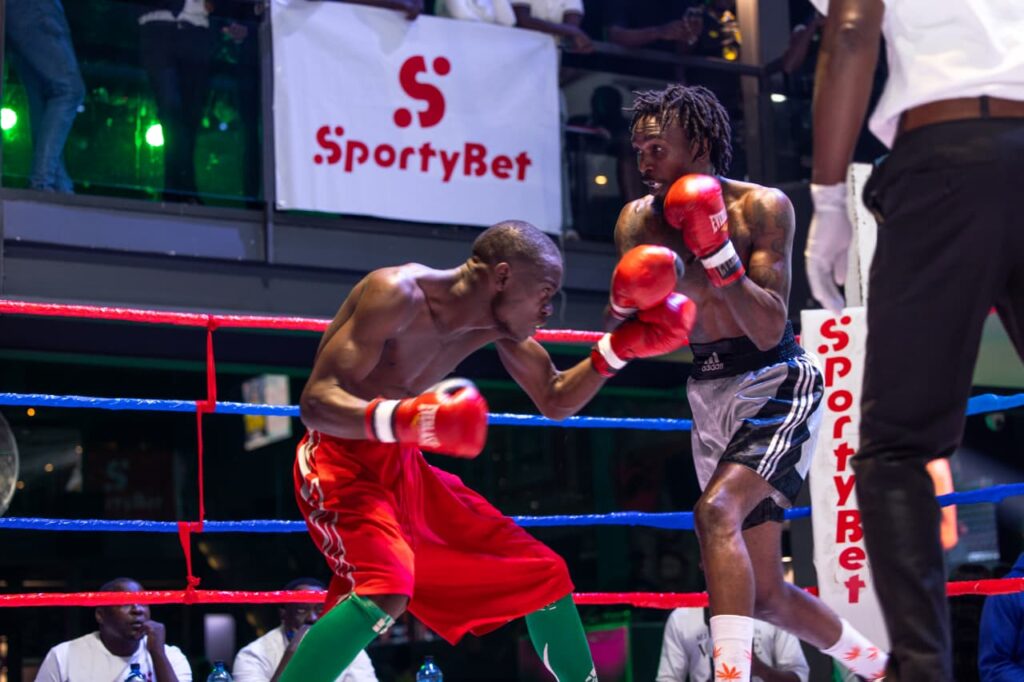
Eleven years after boxing’s most anticipated crossover clash. Floyd “Money” Mayweather Jr. and Manny “Pac-Man” Pacquiao are set to rewrite history once again.

On September 19, 2026. The two legends will step back into the ring for a professional rematch at the futuristic Sphere in Las Vegas. An event confirmed by promoters and streaming partner Netflix. They will broadcast the fight globally to its hundreds of millions of subscribers.

Their first encounter in May 2015 was billed as the “Fight of the Century”. Smashing pay-per-view and live gate records. Becoming one of the richest bouts in boxing history after Mayweather claimed a clear unanimous decision.

Now, more than a decade later, the narrative is dramatically different. Both fighters are well past their primes. Mayweather will be 49 and Pacquiao 47. The global appetite for this rivalry remains enormous. What was once a competitive showdown has now evolved into a legacy event. One that blends nostalgia with the enduring pull of two of the sport’s greatest stars.

Mayweather, is undefeated in his professional career with a flawless 50-0 record. He is ending a nine-year retirement and returning to the professional stage following a high-profile exhibition schedule. Pacquiao. He is a former eight-division world champion. With 62 wins, eight losses and three draws to his name, has likewise resumed competition after a spell away.

Both men have spoken publicly about the stakes. Their contrasting motivations reflect their careers. Mayweather has hinted he expects a similar result to their first fight. He is confident his defensive mastery and tactical precision will once again prevail. Pacquiao, meanwhile, has openly stated his desire to hand Mayweather his first professional loss. To give his Filipino nation something to celebrate while settling an old score.

This rematch. The first professional boxing event ever held at the Sphere. It will likely be remembered less for belts and rankings and more for legacy, spectacle, and the sheer weight of history. For fans. It’s a rare collision of past giants. A chance to revisit one of the sport’s most enduring rivalries on the grandest possible stage.

0 comment
0 FacebookTwitterPinterestLinkedinTumblrWhatsappTelegramEmail
EACC

The Ethics and Anti-Corruption Commission (EACC) has arrested a serving Garissa Member of County Assembly (MCA) and two former senior county officials over the alleged fraudulent payment of Ksh51,495,516 to a private company for goods and services that were never delivered.

The suspects are set to be arraigned before the Garissa Law Courts for plea taking.

The Arrests

Those arrested include:

  • Abdi Ibrahim Daar, MCA for Balambala Ward and sole director of Qorjarey Enterprise & General Supplies Limited.
  • Mohamud Dubow Korane, former Director of Accounting Services, County Government of Garissa.
  • Yussuf Bethe Ali, former Senior Principal Economist at the county.

According to EACC, investigations established that the County Government of Garissa irregularly paid Ksh51,495,516 to Qorjarey Enterprise & General Supplies Limited between August 2021 and September 2022. The payments were purportedly for the supply of emergency relief food items and water trucking services during the 2021/2022 and 2022/2023 financial years.

However, investigators found that the goods and services were never delivered.

Alleged Irregularities

The anti-graft agency revealed several irregularities in the transactions, including:

  • Lack of budgetary provision and absence of an approved procurement plan for the alleged emergency supplies.
  • The company not being among pre-qualified suppliers for the relevant financial years.
  • Forged documents allegedly used to facilitate the payments.
  • Approval and processing of payments without any procurement process.

Investigations further established that Daar, who served as a Social Development Officer at the County Government of Garissa between 2018 and 2022, was the sole director and bank signatory of the company that received the funds.

The EACC alleges that Korane and Ali processed and approved the payments in favour of the company despite the absence of supporting procurement documentation or evidence of service delivery.

Charges and Prosecution

Upon conclusion of investigations, the Commission forwarded the file to the Office of the Director of Public Prosecutions (DPP), which concurred with the recommendation to charge the suspects.

They are expected to face charges including:

  • Conspiracy to commit an offence of corruption contrary to Section 47A (3) of the Anti-Corruption and Economic Crimes Act.
  • Abuse of office contrary to Section 46 of the Act.
  • Forgery contrary to Section 345 of the Penal Code.
  • Fraudulent acquisition of public property contrary to Section 45 (1) of the Act.

The three suspects were arrested on Sunday, February 22, 2026, and are scheduled to appear in court on Monday, February 23, 2026.

Civil Recovery

In addition to the criminal proceedings, the EACC said it will institute civil proceedings to recover the allegedly unlawful payments.

The Commission reiterated its commitment to safeguarding public resources and urged public officers to uphold integrity and accountability in the management of public funds.

The case adds to a growing list of corruption prosecutions targeting county governments over alleged misuse of public funds earmarked for essential services.

0 comment
0 FacebookTwitterPinterestLinkedinTumblrWhatsappTelegramEmail
Jonathan Ngenga (Standing) and Peter Kamau appear before Milimani Chief Magistrate Lucas Onyina on Friday, February 20, 2026.

The Milimani Law Courts on Friday adjourned the hearing of a Ksh106.8 million fraud case involving businessman Jonathan Ngenga Ndisya and his co-accused, accountant Peter Kamau, after the defence sought more time due to the absence of counsel.

Ngenga, a director of Joncil Enterprises, appeared before Chief Magistrate Lucas Onyina alongside Kamau. The matter had been scheduled for a hearing, but did not proceed after Ngenga informed the court that his advocate, Joe Mwangi, was unable to attend.

“Your Honour, my advocate has not been able to attend today’s court after he got an emergency from his upcountry and had to rush home to attend to it. It is my prayer we postpone the hearing to another date,” Ngenga told the court.

The prosecution did not oppose the request. Magistrate Onyina allowed the application and directed that the matter be mentioned virtually on March 2, 2026.

Alleged Ksh106.8 Million Scheme

The two accused persons face multiple charges linked to an alleged scheme to defraud Agro Irrigation and Pump Services Limited of Ksh106,822,690 between July 1, 2018 and March 31, 2020.

According to prosecutors, Ngenga and Kamau conspired to defraud the company contrary to Section 317 of the Penal Code. They allegedly pretended that Joncil Enterprises had deposited the funds into the firm’s bank account as payment for goods supplied.

Ngenga faces an additional count of obtaining money by false pretences contrary to Section 313 of the Penal Code. The charge sheet states that he misled Agro Irrigation and Pump Services Limited by claiming the funds had been credited to the company’s account between July 1, 2018 and March 12, 2020.

Additional Charges Against Accountant

Kamau, who previously worked as an accountant at Agro Irrigation and Pump Services Limited, faces further charges of stealing by agent. Prosecutors allege that between January 1, 2015 and December 31, 2019, he fraudulently transferred Ksh4,777,094 from the company to his personal account.

In a separate count, Kamau is accused of stealing Ksh3,500,000 from Desire Flora (K) Limited, where he also served as an accountant, by transferring the money to his personal account without authority.

He is also charged with fraudulent false accounting for allegedly preparing financial records indicating that Joncil Enterprises had paid Ksh106,822,690 to Agro Irrigation and Pump Services Limited.

Evidence and Next Steps

The prosecution is expected to rely on bank statements, transaction records, forensic audit reports, and testimony from company officials as well as financial experts to prove its case.

Both accused persons remain out on bail. The matter will be mentioned virtually on March 2, 2026, when further directions on the hearing are expected to be issued.

0 comment
0 FacebookTwitterPinterestLinkedinTumblrWhatsappTelegramEmail
PS Patrick Mariru

A bombshell audit report tabled in Parliament has revealed that Defence Principal Secretary Patrick Mariru approved procurement proceedings for the Sh41.9 billion renovation of Bomas of Kenya without budgetary authority, in what the Auditor-General describes as a breach of Kenya’s public finance and procurement laws.

The scathing findings by Nancy Gathungu, contained in the Ministry of Defence’s latest audited accounts, expose what could become one of the most explosive accountability battles in recent government history.

Backdated Approval Raises Legal Red Flag

At the centre of the controversy is a critical discrepancy in the timeline. According to the audit, PS Mariru signed a request for direct procurement authorisation on February 17, 2025, four days after tender invitation documents and a site visit certificate had already been issued on February 13 and 14, 2025.

Under Section 69(2) of the Public Procurement and Asset Disposal Act, 2015, procurement approvals cannot operate retrospectively except in cases of urgent need. No emergency was declared, and no exemption was sought.

The Auditor-General concluded that the Ministry of Defence acted in contravention of procurement law and warned that the government risks incurring penalties and additional charges if payments are delayed.

No Budget Allocation

Perhaps more troubling is the audit’s finding that the Bomas renovation — now rebranded as the Bomas International Convention Centre (BICC) — was not included in the approved 2024/25 development budget of the State Department for Culture, Arts and Heritage, the entity originally mandated to oversee the project.

Sections 68 and 149 of the Public Finance Management Act require accounting officers to ensure that expenditure falls within an approved budget. Any procurement without authorised funding is classified as financial misconduct and may attract personal liability for the responsible officer.

This raises the prospect that PS Mariru could be held personally accountable for losses arising from the irregular procurement.

Legal Battles and the Turkish Tender

The Sh41.9 billion Phase II project follows an earlier tender worth Sh31.6 billion awarded in November 2023 to Turkish construction firm Summa Turizm Yatirimciligi Anonim Sirketi.

The Ministry of Defence later terminated the award without signing a formal contract, citing lack of funds and changes in scope. The Public Procurement Administrative Review Board ruled in December 2024 that a tender cannot be cancelled after award.

Subsequent attempts by the ministry to overturn the decision in the High Court and later at the Court of Appeal failed, with judges upholding the firm’s rights.

Despite these losses, the ministry initiated a fresh procurement process for Phase II — the same process now flagged by the Auditor-General as unlawful.

Funding Secrecy Unravels

For months, the source of financing for the Bomas project remained unclear, with officials citing national security grounds due to the involvement of the Kenya Defence Forces.

However, outgoing Tourism Fund Board Chair Samson Some recently confirmed that the Tourism Fund was financing Phase II through a Public-Private Partnership model. The arrangement involves committing a portion of annual levy collections toward repaying private investors.

The audit report also flagged contradictions in the repayment structure: while the contract agreement provided for nine instalments payable within 24 months, the National Treasury approved a deferred payment plan stretched over 10 years — a discrepancy auditors described as a significant red flag.

Mounting Pressure

The findings come as PS Mariru faces other legal challenges, including contempt proceedings over delayed compensation payments to former soldiers.

Meanwhile, Parliament’s Public Investments Committee has called for a forensic audit of Sh500 million spent on feasibility studies for the renovation, intensifying scrutiny of the project.

What began as an ambitious plan to transform Bomas into a world-class convention centre has now spiralled into a procurement and finance controversy with far-reaching implications.

With the Auditor-General’s findings now before Parliament, lawmakers are expected to summon key officials to explain how a Sh41.9 billion project proceeded without clear budget authority — and whether personal accountability will follow.

0 comment
0 FacebookTwitterPinterestLinkedinTumblrWhatsappTelegramEmail