Auditor-General Report Revives Questions Over Digital Superhighway Tenders Linked to Mary Wambui
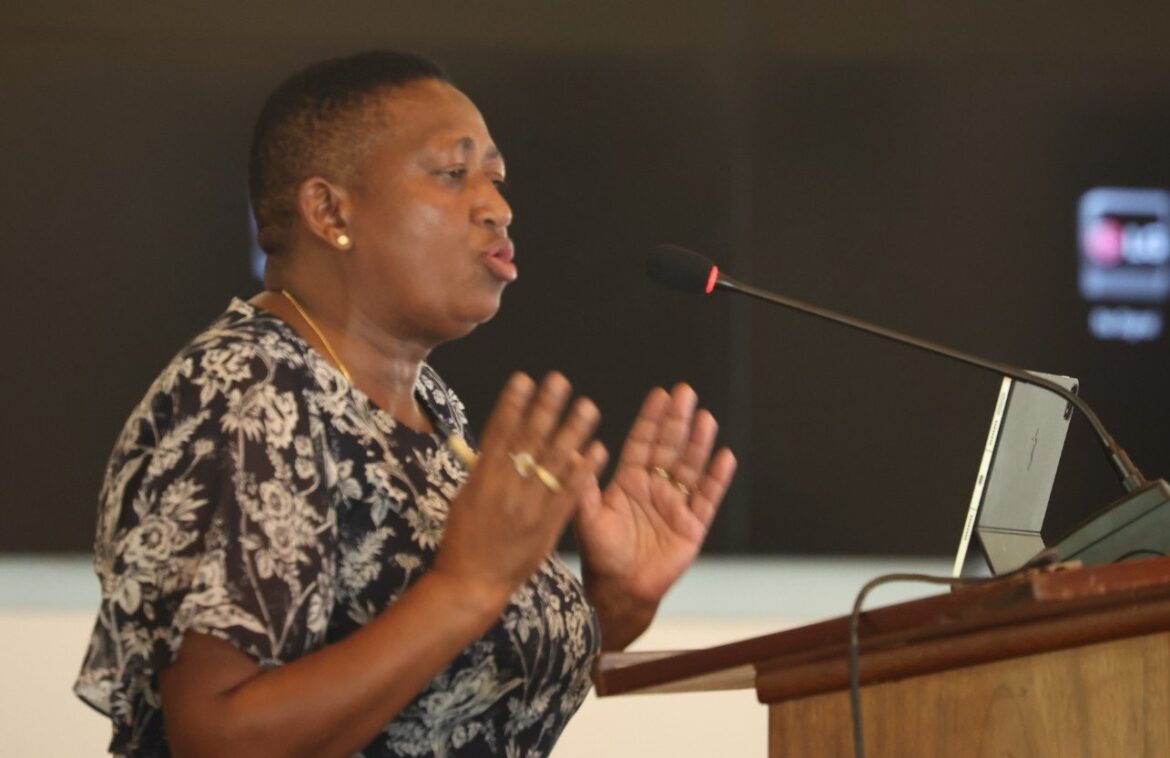
Businesswoman Mary Wambui Mungai has once again found herself at the centre of public scrutiny after the Auditor-General reportedly flagged concerns over multi-billion-shilling contracts awarded under Kenya’s Digital Superhighway project.
The findings have reignited debate over transparency, accountability and possible conflict-of-interest concerns surrounding some of the lucrative fibre optic infrastructure tenders awarded as part of the government’s ambitious digital transformation agenda.
The Digital Superhighway programme is one of President William Ruto’s flagship projects and seeks to expand broadband internet connectivity across Kenya through the installation of thousands of kilometres of fibre optic cable and the rollout of public Wi-Fi hotspots.
Auditor-General Raises Questions Over Digital Superhighway Contracts
According to the Auditor-General’s observations, concerns have emerged regarding the participation and award of contracts to companies reportedly linked to Mary Wambui during the implementation of the Digital Superhighway programme.
The audit findings have revived questions that have previously been raised by governance activists, consumer rights groups and procurement watchdogs regarding the awarding of government tenders connected to Kenya’s communications and ICT sector.
Critics argue that the issue goes beyond whether procurement laws were technically followed and extends to whether public confidence can be maintained when companies associated with influential public figures secure major government contracts.
Mary Wambui’s Previous Role Draws Fresh Attention
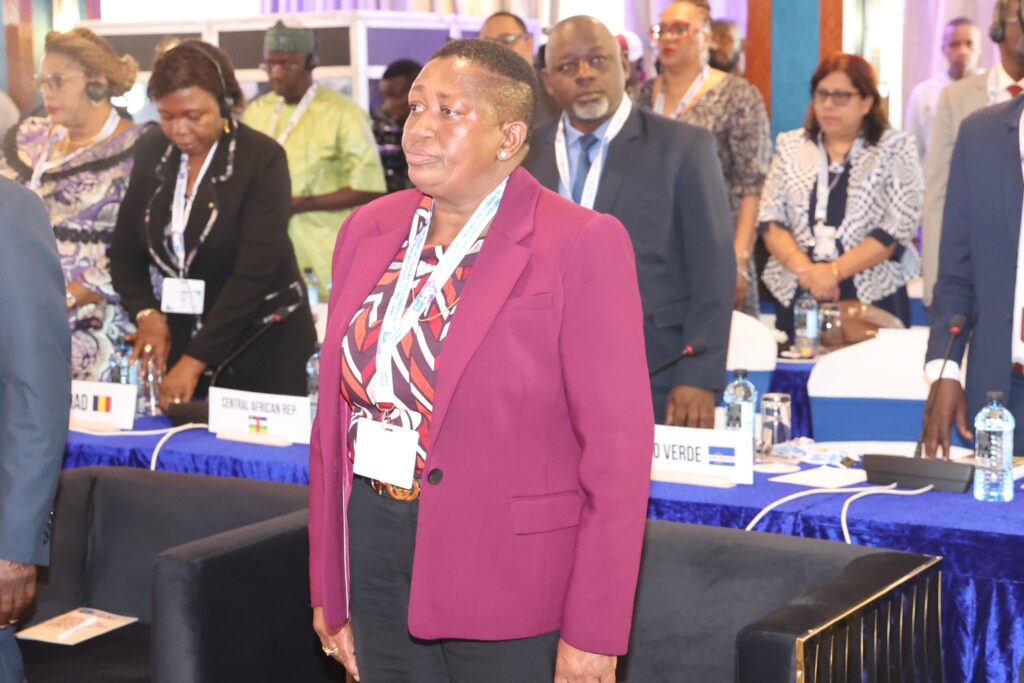
The renewed scrutiny comes partly because of Mary Wambui’s previous role as chairperson of the board of the Communications Authority of Kenya (CA).
Court Cases Already Challenging Digital Superhighway Tenders
The latest Auditor-General report comes against the backdrop of ongoing legal challenges involving the Digital Superhighway project.
Consumer rights groups and governance activists have previously moved to court seeking to nullify some of the contracts, arguing that companies allegedly associated with Mary Wambui should not have participated in projects connected to institutions operating within the broader communications ecosystem.
The petitioners have sought greater transparency regarding company ownership structures, tender evaluation processes and the criteria used to award the contracts.
Government Defends Procurement Process
Despite mounting criticism, government agencies have consistently defended the procurement process.
Officials from the ICT Authority, Communications Authority and the Office of the Solicitor General have maintained that the Digital Superhighway tenders were awarded competitively and in accordance with procurement regulations.
The agencies have further argued that Mary Wambui had exited direct ownership and management roles in the companies under scrutiny before the contracts were awarded.
Government officials have therefore rejected allegations of wrongdoing and insisted that all procedures were followed during the tendering process.
Why the Digital Superhighway Project Matters
The Digital Superhighway project is a cornerstone of Kenya’s digital economy strategy and is expected to consume billions of shillings in public investment over the coming years.
The programme aims to increase internet access in underserved areas, improve digital service delivery, support e-government initiatives and accelerate economic growth through enhanced connectivity.
Given the project’s scale and strategic importance, governance experts argue that transparency and public confidence are essential to its success.
They note that major public infrastructure projects must not only comply with procurement laws but also avoid circumstances that create perceptions of favoritism, insider advantage or undue influence.
Pressure Mounts for Greater Transparency
The Auditor-General’s observations are expected to intensify calls for greater transparency regarding Digital Superhighway contracts and the companies that benefited from them.
Oversight bodies, lawmakers and governance advocates are likely to push for additional disclosures on company ownership, procurement evaluations and contract awards to reassure taxpayers that public funds are being spent appropriately.
With billions of shillings at stake and the Digital Superhighway programme playing a central role in Kenya’s digital transformation agenda, the controversy surrounding Mary Wambui-linked contracts is unlikely to fade anytime soon.
As scrutiny grows, pressure is mounting on government agencies to provide full accountability and demonstrate that all Digital Superhighway contracts were awarded fairly, competitively, and in the best interests of Kenyan taxpayers.