Home Author
Author

Daily Trends

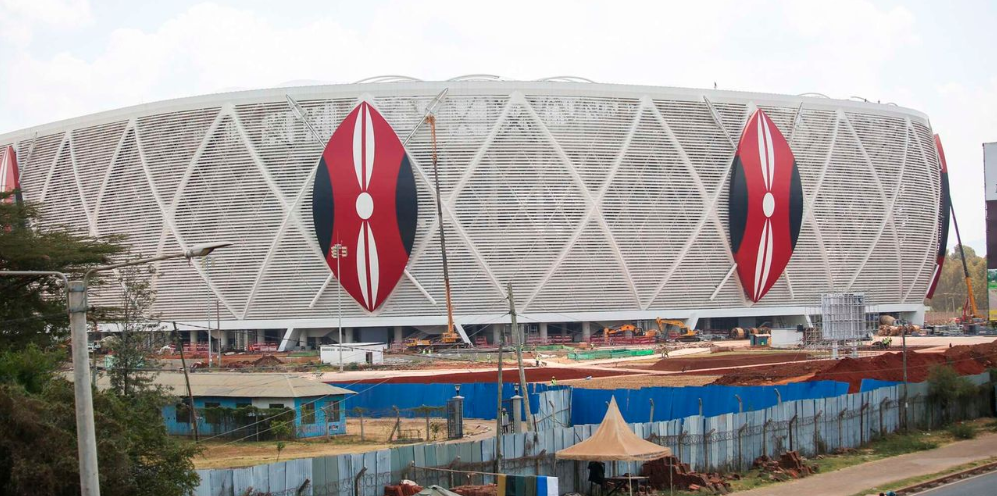
Talanta Stadium

A cloud of uncertainty has engulfed the construction of the Talanta Sports City Stadium after a Chinese national was found dead at the high-profile project site in Jamhuri, Nairobi.

Police confirmed the man was discovered unresponsive inside a toilet block within the stadium grounds, which are currently under construction ahead of the Africa Cup of Nations 2027 (AFCON 2027).

The alarm was raised by security personnel manning the site after a chef working with the Chinese management team reportedly stumbled upon the body on Tuesday morning.

Fellow workers and guards responded before the man was rushed to a nearby hospital, where he was pronounced dead on arrival.

Investigations Launched

Authorities have since launched investigations to establish the circumstances surrounding the death. According to Nairobi Regional Police Commander Issa Mohamud, detectives are pursuing two primary lines of inquiry: sudden death or possible foul play.

Preliminary observations at the scene indicated the deceased had a minor injury on the right side of his head, though it remains unclear whether this was linked to the cause of death.

The body has been moved to Lee Funeral Home for a post-mortem examination that is expected to provide further clarity.

Troubling Pattern Emerges

The incident has reignited concerns about safety at the stadium site, coming months after another worker was found dead under suspicious circumstances.

In that earlier case, 35-year-old Sammy Kyengo had been reported missing by his wife after failing to return home. His body was later discovered submerged in a concealed water sump beneath the stadium terraces.

Investigators at the time noted that the area where the body was found had been partially boarded up, raising suspicions that it may have been deliberately concealed. The body bore visible injuries to the head and neck, with additional signs of trauma.

A post-mortem later confirmed that Kyengo had sustained injuries before his death.

Family Raises Concerns

Speaking after the discovery of her husband’s body, Christine Kyengo said he had expressed distress over delayed wages at the construction site.

“He told me that the company had refused to pay them since July. He wanted to claim his money and leave the job,” she said.

The revelations triggered a temporary suspension of construction activities at the site, as police sealed off sections of the stadium to allow forensic investigations.

High-Stakes Project Under Scrutiny

The Talanta Sports City Stadium, a planned 60,000-seat facility, is one of Kenya’s flagship infrastructure projects and is expected to play a central role during AFCON 2027, which will be co-hosted by Kenya, Uganda, and Tanzania.

The venue is being considered to host key matches, including the opening and closing ceremonies, making it a focal point of the country’s preparations for the continental tournament.

However, the latest death is likely to intensify scrutiny over safety, labour conditions, and oversight at the site, particularly given the recurrence of fatal incidents.

Awaiting Answers

As investigations continue, authorities are expected to determine whether the latest death was a medical incident or the result of foul play.

For now, the incident has left workers uneasy and raised fresh questions about conditions at one of Kenya’s most important ongoing construction projects.

With the clock ticking toward AFCON 2027, pressure is mounting on those overseeing the project to ensure both safety and transparency—before the spotlight of the continent turns to Nairobi.

0 comment
1 FacebookTwitterPinterestLinkedinTumblrWhatsappTelegramEmail
Lang'ata Women's Prison

A devastating fire swept through staff housing at the Lang’ata Women’s Maximum Security Prison on Wednesday evening, destroying 30 residential units and leaving dozens of prison officers and their families homeless.

According to a statement from the Kenya Prisons Service issued on Thursday, April 2, 2026, the fire broke out at approximately 7:30 p.m. within the staff quarters located inside the prison compound.

The blaze rapidly spread through the housing units, completely gutting all 30 structures. Authorities confirmed that no property was salvaged from the affected homes.

“A fire incident occurred on Wednesday, 1st April 2026, at the staff quarters within Lang’ata Women’s Maximum Security Prison at approximately 19:30 hours. The fire affected a total of 30 housing units, which were completely destroyed,” the statement reads in part.

“Regrettably, no property was salvaged from the affected units. We are, however, relieved to confirm that no casualties or injuries were reported.”

Despite the scale of destruction, officials said there were no casualties or injuries reported, offering a rare moment of relief in what could have been a far more tragic incident.

Emergency teams responded quickly to contain the inferno and prevent it from spreading to other parts of the facility.

“Emergency response teams acted swiftly to contain the fire and prevent further spread. The Kenya Prisons Service extends its sincere appreciation to the County Government Fire Brigade, the Kenya Defence Forces Headquarters (DoD), and the Kahawa Garrison Fire Engines for their prompt, coordinated, and effective response in bringing the situation under control,” Kenya Prisons stated.

The Kenya Prisons Service commended the coordinated efforts of the County Government Fire Brigade, the Kenya Defence Forces, and fire engines from Kahawa Garrison, whose rapid intervention helped bring the situation under control.

“The Kenya Prisons Service extends its sincere appreciation to all responding teams for their prompt, coordinated, and effective response,” the statement said.

In the aftermath of the fire, security within the affected area has been heightened, with additional personnel deployed from nearby facilities, including Nairobi West Prison, Jamhuri Prison, and Nairobi Medium Prison.

Officials said the move is aimed at ensuring continued safety and order within the compound as recovery efforts begin.

Authorities have launched investigations to establish the cause of the fire, with officials indicating that further updates will be provided once more information becomes available.

While no lives were lost, the fire has left affected families grappling with significant losses, having lost all their belongings in the blaze.

0 comment
0 FacebookTwitterPinterestLinkedinTumblrWhatsappTelegramEmail
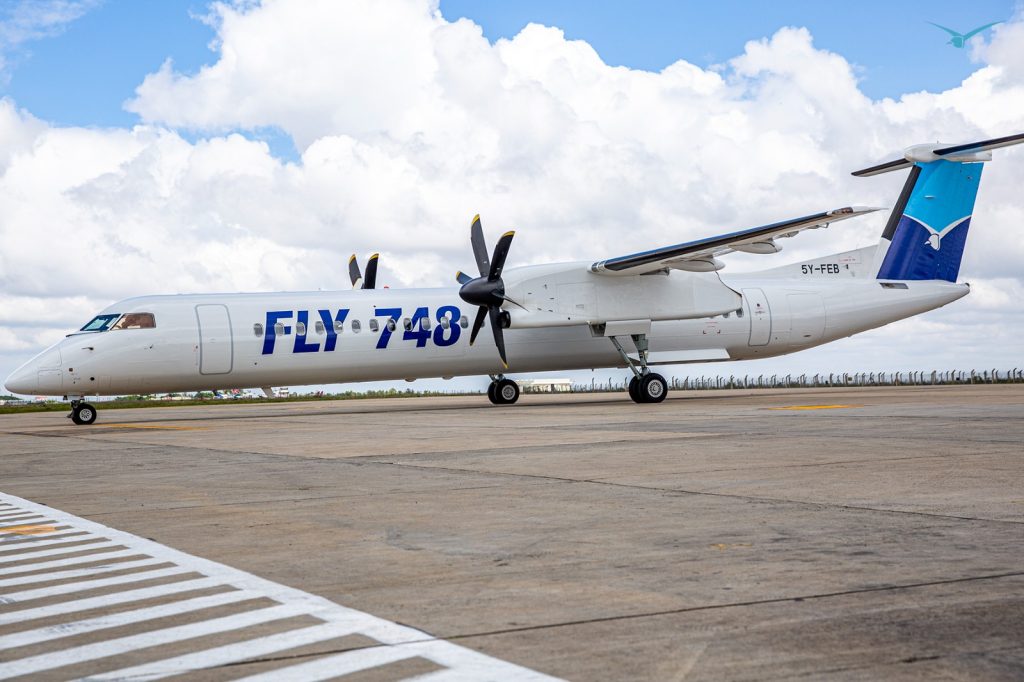
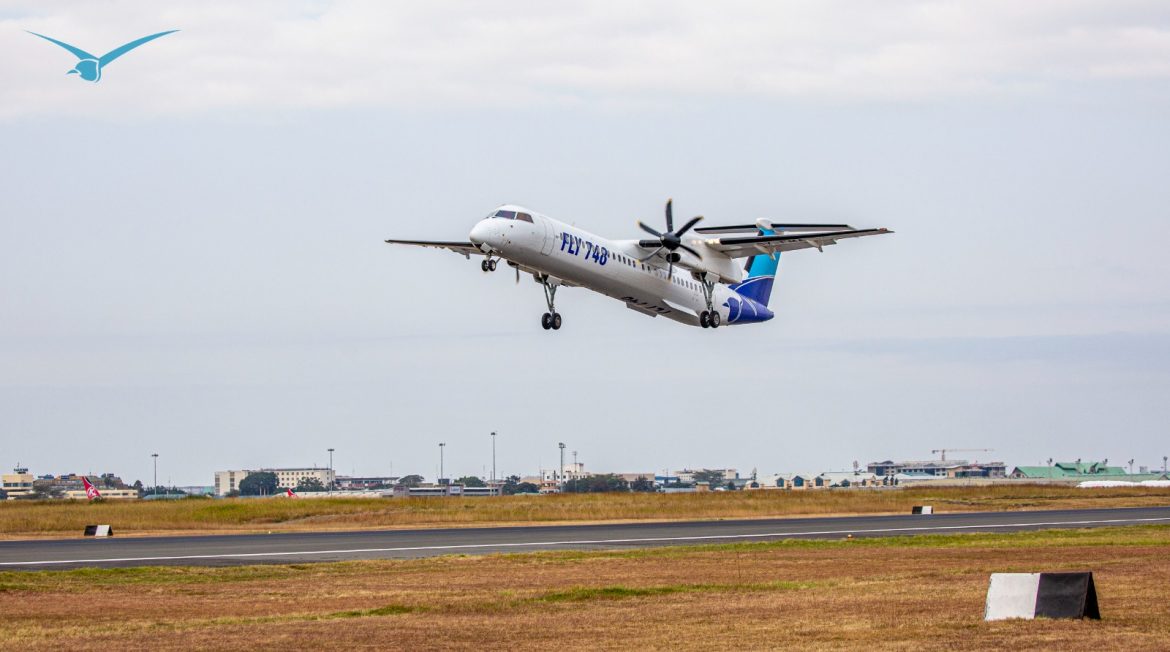
An airborne Fly 748 Air plane

748 Air Services has announced a major comeback to Kenya’s domestic aviation market, with plans to resume scheduled passenger flights this May under its service brand Fly 748.com.

The relaunch signals a renewed push by the airline to strengthen connectivity across the country, following a period of operational restructuring aimed at enhancing efficiency, safety, and customer experience.

According to the airline, the return will see flights operating from Jomo Kenyatta International Airport (JKIA) to key coastal destinations including Mombasa and Ukunda (Diani), with one-way fares starting from KES 6,500.

A Fly 748 Air plane

The airline says the move is part of a broader strategy to support tourism, trade, and regional mobility, particularly in areas that heavily depend on air transport.

“Our re-launch marks a new chapter for Fly 748.com and for domestic aviation in Kenya. We are committed to providing dependable air services that connect communities, support businesses, and contribute to the growth of tourism and regional economies,” said Head of Fly 748.com, George Oduor.

Focus on Reliability and Expansion

The airline will operate a fleet of Dash 8-Q400 planes, known for their efficiency and reliability on short-haul routes.

Initial operations will focus on high-demand destinations, with plans to gradually expand to additional routes depending on market demand.

Industry observers say the airline’s return could inject fresh competition into Kenya’s domestic aviation sector, potentially driving down fares and improving service delivery for travelers.

A Fly 748 plane on the runway.

Safety and Regulatory Compliance

The airline emphasized that safety remains its top priority, noting that it has worked closely with the Kenya Civil Aviation Authority (KCAA) to ensure full compliance with all regulatory requirements ahead of the relaunch.

Additionally, the carrier holds the prestigious Basic Aviation Risk Standard BARS Gold Status certification, awarded by the Flight Safety Foundation, which recognizes high standards in aviation safety management.

“The safety management system we have in place is robust and predictive, not reactive. Achieving BARS Gold Status, an accreditation by the Flight Safety Foundation, demonstrates our unwavering focus on safety, quality, and reliability,” said Fly 748.com Chairman, Ahmed Jibril.

Push for Sustainable Aviation

Beyond operations, the airline is also advancing its environmental sustainability agenda through an Environmental Management System introduced in 2022.

The initiative focuses on reducing carbon emissions, preventing pollution, and adopting responsible aviation practices that go beyond regulatory requirements.

“We conduct thorough assessments of our carbon emissions and are implementing targeted strategies to reduce our environmental impact, contributing to global climate action efforts,” said Oduor.

Booking and Market Impact

Passengers will be able to book flights through the airline’s official website, authorized travel agents, and ticketing offices across the country.

The relaunch of Fly 748.com is expected to significantly improve access to key regional destinations while offering more affordable travel options for both business and leisure passengers.

With over three decades of operational experience, 748 Air Services has built a reputation for reliability in serving humanitarian, government, and natural resource sectors. Its return to scheduled passenger services marks a strategic shift to bring that expertise to everyday travelers.

0 comment
0 FacebookTwitterPinterestLinkedinTumblrWhatsappTelegramEmail
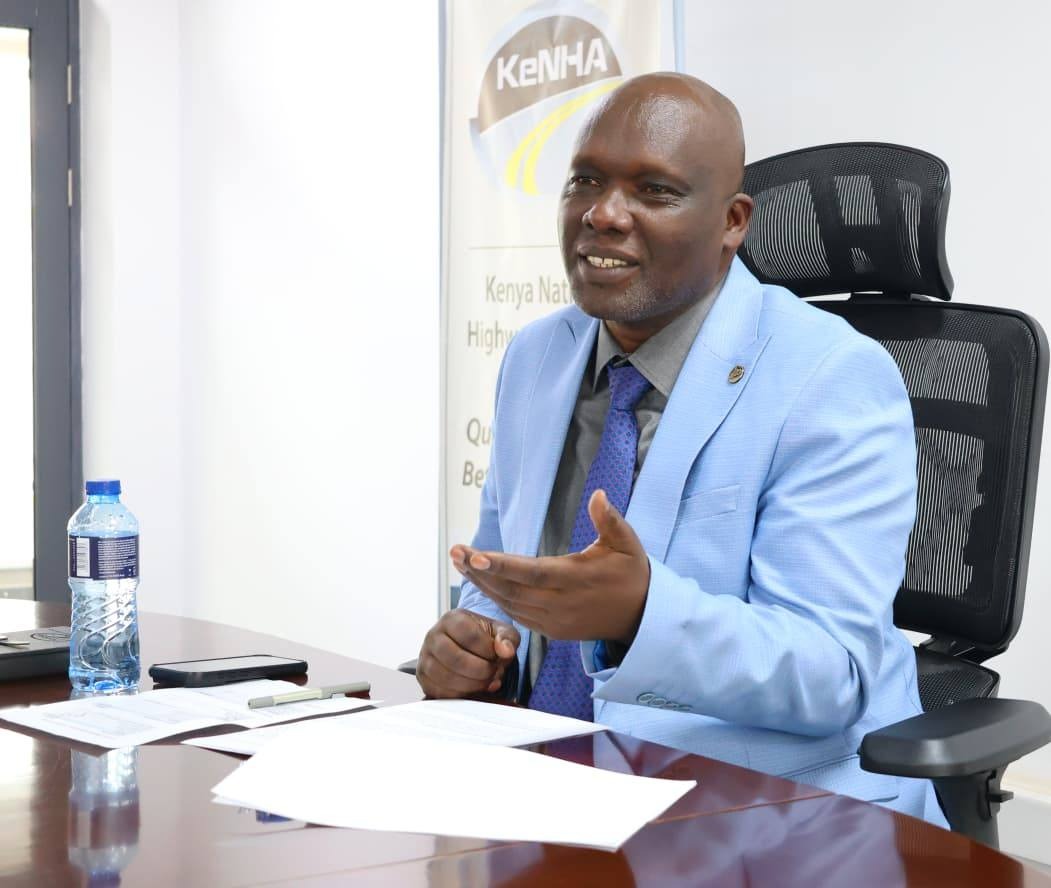
KeNHA Director General Luka Kimeli

Barely weeks after his appointment was formalised, Luka Kipchumba Kimeli is facing mounting scrutiny following fresh allegations of procurement irregularities at the Kenya National Highways Authority (KeNHA).

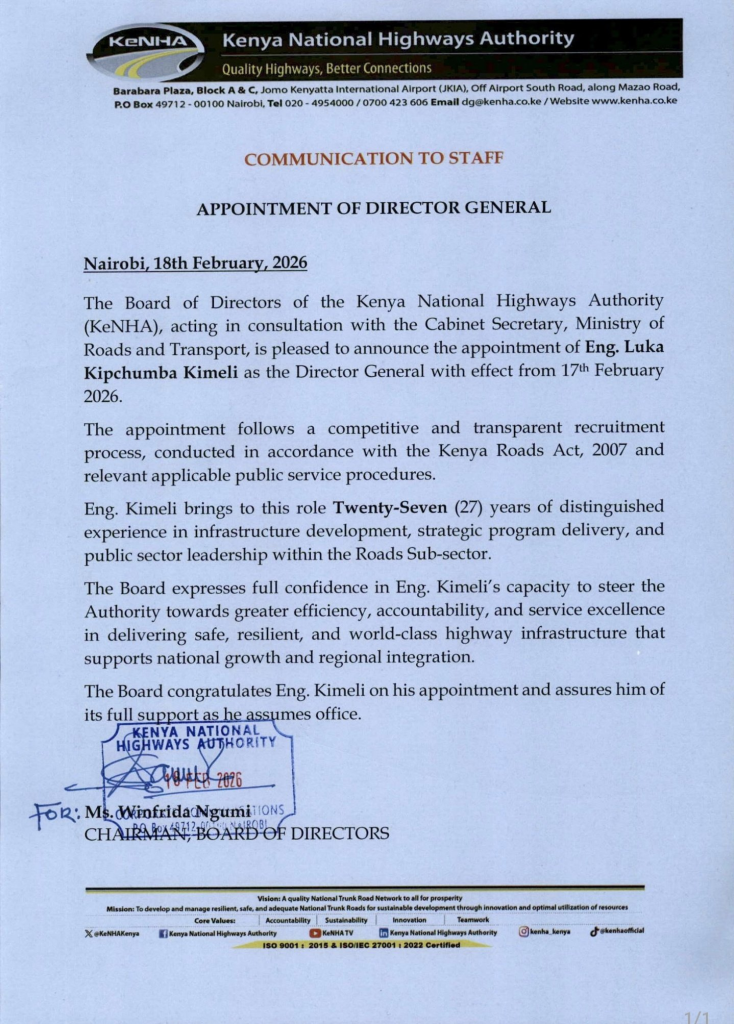
Kimeli, whose elevation to Director-General was confirmed on February 17, 2026, by the KeNHA Board chaired by Winfrida Ngumi, had just concluded a turbulent seven-month stint in an acting capacity.

His confirmation was described by the Board as the result of a “competitive and transparent” recruitment process conducted in line with the Kenya Roads Act 2007.

However, the optimism surrounding his appointment has quickly been overshadowed by a wave of allegations circulating in public and policy circles, suggesting possible irregularities in the award of a multi-million-shilling contract to a foreign firm.

Allegations Emerge

The claims, which have yet to be formally tested by oversight bodies, allege that procurement processes within KeNHA may have been manipulated to favour a predetermined outcome. Questions have been raised about competitive bidding, due process, and whether internal procedures were tailored to benefit specific entities.

As of now, neither KeNHA nor the Ministry of Roads and Transport has issued an official response to the allegations. Key oversight institutions, including the Ethics and Anti-Corruption Commission and the Public Procurement Regulatory Authority, have also remained publicly silent.

The lack of response has intensified concerns among governance experts, who warn that silence in the face of such claims risks deepening public mistrust in one of the country’s most critical infrastructure agencies.

A Troubled Institutional History

The controversy comes against the backdrop of KeNHA’s long-standing struggles with procurement integrity and project management. For years, the agency has been flagged by the Office of the Auditor-General over irregular tendering processes, missing documentation, and unexplained cost overruns.

Auditor-General Nancy Gathungu has repeatedly highlighted weaknesses in KeNHA’s procurement systems, including unsupported expenditures, undocumented contracts, and billions of shillings in pending bills owed to contractors.

One of the most notable cases involved the Mombasa-Mariakani highway project, where audits revealed unexplained cost variations running into billions and missing financial records.

Court Ruling Adds Pressure

Kimeli’s leadership is also under scrutiny following a recent High Court ruling that found him guilty of contempt of court over KeNHA’s failure to settle a Sh536 million debt owed to SBI International Holdings Kenya Limited.

The court dismissed arguments that the delay was due to budgetary constraints, ruling instead that the agency had wilfully disobeyed a binding order. The case is part of a broader, long-running dispute that has cost taxpayers billions in settlements linked to contract terminations and legal battles.

Controversial Tender Still Fresh

Further compounding the situation is a controversial July 2025 tender for the Pangani-Muthaiga-Kiambu-Ndumberi road project, issued during Kimeli’s acting tenure.

The tender restricted eligible bidders to Chinese firms or consortia, citing financing arrangements with the China Export-Import Bank. The move sparked immediate backlash for allegedly violating procurement laws that promote fair competition and local participation.

The notice was abruptly withdrawn days later without explanation, leaving the project in limbo and raising questions about decision-making within the agency.

Billions at Stake

The stakes surrounding KeNHA’s operations remain enormous. The agency is currently overseeing billions of shillings in infrastructure funding, including major highway projects and donor-backed initiatives.

With such vast resources under its control, experts warn that any weaknesses in procurement oversight could have far-reaching economic consequences.

A recent report by the Organisation for Economic Co-operation and Development (OECD) pointed to systemic weaknesses in Kenya’s public procurement enforcement, noting that infrastructure projects remain particularly vulnerable to manipulation and cartel behaviour.

Growing Calls for Accountability

As pressure mounts, governance advocates are calling for immediate investigations into the latest allegations, urging oversight bodies to act swiftly.

They argue that institutions such as the Ethics and Anti-Corruption Commission and parliamentary committees must intervene to establish the facts and restore public confidence.

Despite the controversy, Kimeli has yet to publicly address the allegations. Instead, he has continued with official duties, including site visits alongside KeNHA Board leadership, as part of efforts to accelerate infrastructure development.

Uncertain Road Ahead

For Kimeli, the early days of his tenure now present a defining test. Whether he can steer KeNHA away from its troubled past or becomes entangled in its long-standing governance challenges remains to be seen.

What is clear, however, is that the agency’s credibility—and the management of billions in public funds—now hangs in the balance as calls for transparency grow louder.

0 comment
0 FacebookTwitterPinterestLinkedinTumblrWhatsappTelegramEmail

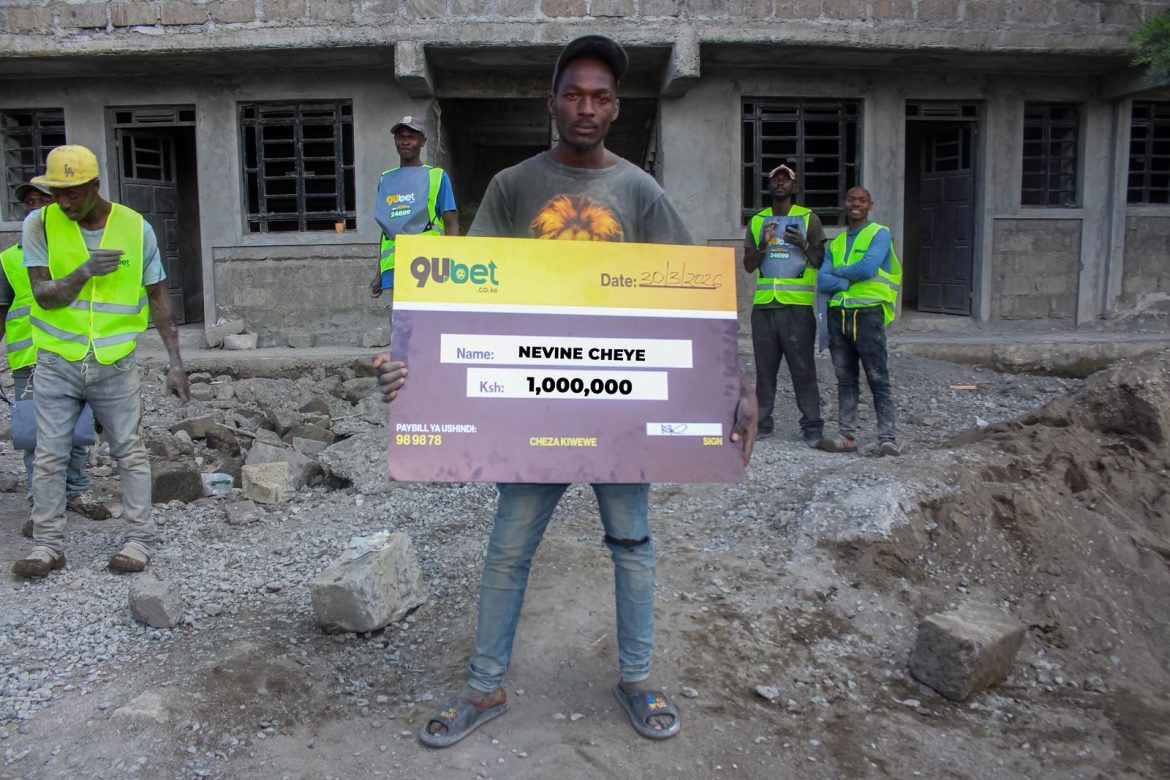
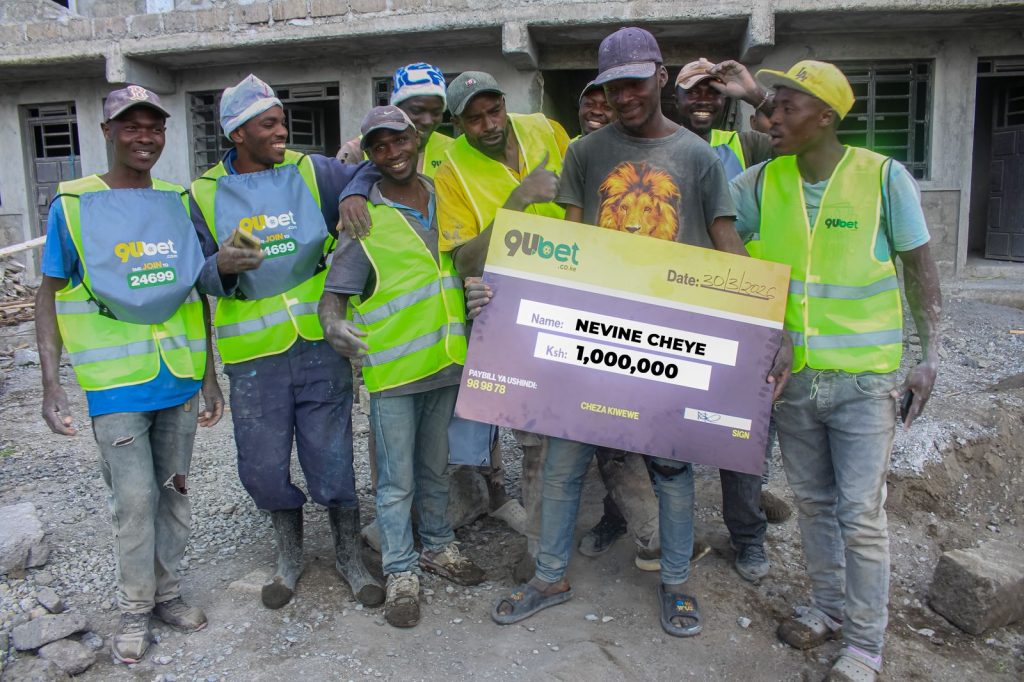
Dreams turned into reality for Nevine Cheye, a 28-year-old construction worker, after he won a life-changing Ksh 1,000,000 from a stake of just Ksh 20 while playing the popular Aviator game on 9ubet.

Nevine, a resident of Ruai, earns a daily wage of approximately Ksh 800 working in the mjengo (construction) sector. Like many Kenyans, he had been playing casually for a long time, hoping one day luck would smile on him. That moment finally arrived, and it changed his life overnight.

From a Ksh 20 Bet to a Millionaire Moment

Nevine placed a Ksh 20 bet while playing Aviator, a fast-paced crash game that has grown massively popular among online gamers in Kenya. During that round, the multiplier kept climbing and Nevine cashed out at just the right moment, securing a massive Ksh 1,000,000 payout.

“I could not believe what I was seeing,” Nevine said. “I checked my account several times to confirm it was real. This is my first big win after playing for a long time.”

A Win That Will Change His Family’s Future

Nevine lives with his wife Violet and their two young children, aged 2 years and 2 months. Supporting his family on daily wages has often been challenging, but the win has opened a new chapter for them.
“This money will help me give my children a better future,” he shared. “I have struggled for years, but now I feel hopeful.”

Plans: Farm, Home, and a Business for His Wife

Unlike many sudden winners who spend quickly, Nevine already has clear plans for his prize money:

  • Buy a piece of land and start a farm
  • Build a permanent family home
  • Start a small business for his wife Violet
  • He hopes the business will provide stable long-term income for his family, reducing reliance on unpredictable construction jobs.

A Message to Other Players

Nevine encourages other players to remain responsible and patient.

“I never gave up, but I also played with what I could afford. Winning today has changed everything for me and my family.”

Why Aviator on 9ubet?

The Aviator game has become a sensation among Kenyan players due to its transparency and the ability to win big with very small stakes. Nevine’s success story highlights why 9ubet remains a preferred platform for gamers looking for fast payouts and a user-friendly experience.

“We are happy for Nevine,” said Paulette Alusa, Head of Operations at 9ubet. “Seeing a hardworking father transform 20 shillings into a million is exactly why we do what we do. We celebrate his patience and his win.”

0 comment
0 FacebookTwitterPinterestLinkedinTumblrWhatsappTelegramEmail
Johnson Sakaja

Dramatic scenes unfolded in the capital Monday evening after police officers stormed City Hall in a failed attempt to arrest Nairobi Governor Johnson Sakaja, who is now reportedly on the run following a Senate-issued warrant for contempt of Parliament.

According to Regional Police Commander Issa Mohamud, officers were acting on a lawful arrest order issued by a Senate watchdog committee after Sakaja allegedly snubbed multiple summons to answer audit queries.

Police arrived at City Hall late Monday but failed to apprehend the governor, who is believed to have narrowly escaped moments before their arrival, raising suspicions that he may have been tipped off about the impending operation.

“We will not relent. We are conducting a night operation to ensure he is arrested and presented before the Senate by tomorrow,” Mohamud said, signaling an escalation in efforts to track down the embattled county boss.

The arrest warrant stems from proceedings by a Senate oversight committee tasked with examining financial and administrative conduct within county governments. Lawmakers had summoned Sakaja to respond to audit concerns, but he reportedly failed to appear, prompting the committee to invoke its constitutional powers to compel attendance.

The Senate has increasingly taken a hardline stance against governors who ignore its summons, warning that failure to comply undermines parliamentary oversight and accountability in the management of public resources.

In a related development, police have also been directed to arrest Samburu Governor Jonathan Lati Lelelit, who similarly failed to honour Senate summons.

Mohamud confirmed that officers are actively pursuing both governors, suggesting that the crackdown could widen if more county chiefs are found in contempt of Parliament.

0 comment
0 FacebookTwitterPinterestLinkedinTumblrWhatsappTelegramEmail
Safaricom

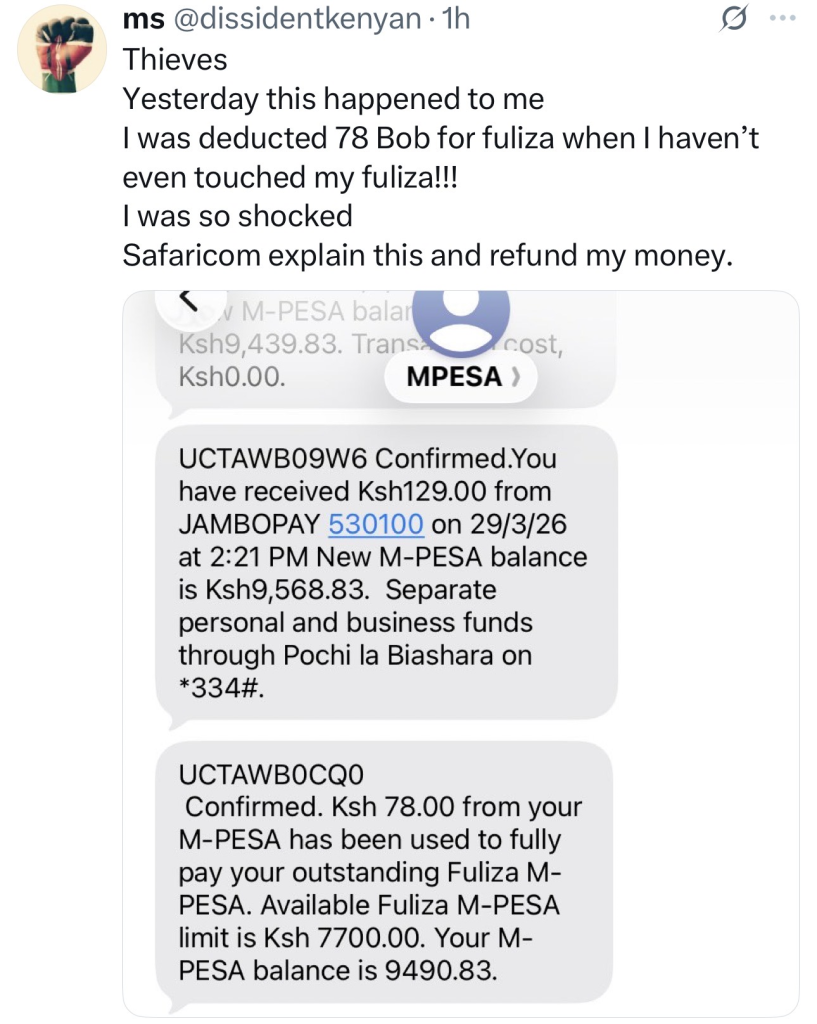
Thousands of Kenyans are raising alarm after unexplained deductions were made from their M-Pesa accounts, with telecommunications giant Safaricom PLC attributing the incident to a “system issue” linked to its Fuliza overdraft service.

The controversy erupted over the weekend when lawyer Eric Muriuki publicly accused the company of making unauthorized withdrawals from his account. In a post on X (formerly Twitter), Muriuki shared a screenshot of his exchange with Safaricom customer care, showing the company admitting it had failed to bill him correctly for Fuliza usage between February 26 and March 20, 2026.

The correction, Safaricom said, resulted in a KSh 60 deduction from his account — applied without prior notice or a detailed breakdown.

“I don’t believe you. This is theft,” Muriuki wrote, adding that Kenyans’ money was no longer safe with the telco. His remarks quickly gained traction online, triggering a wave of similar complaints.

Flood of Customer Complaints

What began as a single complaint soon snowballed into a nationwide outcry. Dozens of M-Pesa users reported similar deductions, ranging from as little as KSh 27 to over KSh 1,300, all attributed to alleged Fuliza arrears within the same three-week period.

Writer and commentator Beatrice Wanjiru described the situation as “a huge scandal,” noting that some affected users claimed they had never activated Fuliza, while others insisted they had already cleared their balances.

Many users reported receiving no advance notification, only SMS alerts after the deductions had already been made. Others pointed out that the messages referenced a broad date range, making it difficult to verify specific transactions.

“They can’t even pinpoint the exact date,” one user posted, echoing a frustration shared widely across social media.

Safaricom’s Explanation Raises Questions

In response, Safaricom acknowledged a technical fault that disrupted the billing of daily Fuliza fees during the period in question. The company said it had applied a one-time “catch-up” adjustment across affected accounts and assured customers that no further deductions would follow.

However, the explanation has done little to quell public anger.

Critics have questioned why the adjustments were made without prior notice or itemised statements, and how individuals who claim never to have used Fuliza were included in the deductions.

Equally concerning is the lack of transparency. Safaricom has not disclosed the total amount recovered, the number of affected accounts, or how individual charges were calculated — leaving many to question the integrity of the process.

Pattern of Controversies

The Fuliza deductions controversy is the latest in a string of disputes involving Safaricom’s mobile money platform.

In February 2026, Nairobi businesswoman Eunice Nganga filed a constitutional petition challenging Safaricom’s policy of using erroneously sent M-Pesa funds to settle third-party Fuliza debts.

Nganga’s case stems from a 2024 incident in which she accidentally sent KSh 2,700 to the wrong number. Safaricom declined to reverse the transaction, instead applying the funds to clear the recipient’s Fuliza balance — a move she argues is unlawful. The case is currently before the High Court.

Earlier, in 2023, a class-action suit filed by three M-Pesa users accused Safaricom and its partners, including Vodafone Group, of operating Fuliza in a manner akin to unlicensed banking and mismanaging customer funds held in trust accounts. The case remains ongoing.

Bonga Points Fraud Adds to Crisis

Compounding the situation, Safaricom also confirmed reports of unauthorized Bonga Points transfers over the same weekend. Customers reported waking up to find their loyalty points depleted through transactions carried out in the early hours of the morning without their consent.

The company acknowledged “irregularities” in the system and said investigations were underway.

The coincidence of both incidents — involving the removal of customer value without authorization — has intensified scrutiny of Safaricom’s systems and internal controls.

Regulatory Pressure Mounts

The unfolding crisis has renewed calls for intervention by regulators, including the Communications Authority of Kenya and the Central Bank of Kenya.

Lawmakers have also previously expressed frustration with Safaricom’s failure to appear before parliamentary committees, particularly on issues relating to data protection and service delivery.

Analysts warn that the scale of Fuliza — which processes millions of micro-transactions daily — means even small discrepancies can translate into significant aggregate sums when applied across millions of users.

Erosion of Public Trust

For many Kenyans, M-Pesa is not just a payment platform but a financial lifeline, handling everything from rent payments to school fees and business transactions.

The latest controversy has therefore struck at the heart of public trust in one of the country’s most critical financial systems.

Consumer advocates are now urging affected users to file formal complaints with regulators, arguing that collective action may be the only way to compel accountability.

As pressure mounts, the key question remains whether Safaricom will provide full transparency on the deductions, or whether the incident will become yet another unresolved chapter in Kenya’s growing list of digital finance disputes.

0 comment
0 FacebookTwitterPinterestLinkedinTumblrWhatsappTelegramEmail
President William Ruto

President William Ruto has moved swiftly to consolidate support in Emurua Dikirr following a hotly contested United Democratic Alliance (UDA) nomination that was conducted on Friday, March 27, 2026.

The move signals a broader strategy aimed at unity, grassroots mobilisation, and securing a decisive by-election victory.

Taking to his official X account on Saturday, March 28, 2026, Ruto congratulated businessman David Keter, popularly known as Dollarline, on clinching the party ticket.

David Keter AKA Dollarline. PHOTO/Courtesy

Keter won the Emurua Dikirr UDA parliamentary party ticket after a nomination process in 96 polling stations.

He was declared the winner last night, after he garnered 13,759 votes.

He also praised his main challenger, Bernard Kipkoerch Ng’eno alias Buluu, for mounting a strong campaign.

Bernard Kipkoerch Ng’eno alias Buluu. PHOTO/@CaptainKipkorir/X

Bernard Kipkoech Ng’eno, the former MP’s personal assistant, got 13,394 votes in the elections, which were marred with accusations of bribery, repeat voting and voting by proxy in some of the polling stations.

“Congratulations David Keter aka Dollarline on your victory in yesterday’s UDA party nominations in Emurua Dikirr Constituency. You have our unqualified support as you carry the party’s flag into the by-election,” Ruto stated.

“We commend Bernard Ng’eno aka Buluu for running a strong campaign, cementing our party’s democracy at the grassroots.”

Ruto’s message struck a deliberate tone of reconciliation, urging supporters to close ranks after the bruising nomination battle.

“Now, we move forward as one solid team, united behind our candidate and our agenda,” the President said.

Ruto’s remarks seem to be an attempt to prevent post-primary fallout, a common challenge in Kenyan party politics.

By acknowledging Ng’eno’s role in strengthening grassroots democracy, Ruto signaled inclusivity, a move aimed at retaining the support base that backed rival camps during the nominations.

The President’s swift and unequivocal endorsement of Keter underscores the importance UDA is placing on the upcoming Emurua Dikirr by-election.

The endorsement effectively transforms Keter from a primary winner into the face of UDA’s campaign in the constituency.

Ruto’s statement also highlights a key pillar of his political playbook, grassroots mobilisation.

By praising the competitive nature of the primaries, the President reinforced UDA’s narrative as a party anchored in bottom-up democracy, a message that has been central to his political brand since the 2022 general election.

In Emurua Dikirr, this strategy is expected to translate into intensive local campaigning led by party structures, engagement with community leaders and opinion shapers, and consolidation of voter blocs that participated in the nominations.

The Emurua Dikirr parliamentary seat fell vacant following the death of Johana Ng’eno in a helicopter crash in Nandi County.

The upcoming by-election is seen as a critical test for UDA’s influence at the constituency level and its ability to maintain political dominance between general elections.

With the primaries concluded, attention now shifts to the campaign trail, where Keter is expected to leverage both his local support and the backing of the national party leadership.

Ruto’s early intervention suggests that UDA is keen to avoid the pitfalls of internal wrangles and instead project a united front ahead of the vote.

0 comment
0 FacebookTwitterPinterestLinkedinTumblrWhatsappTelegramEmail
Lawyer Kimani Wachira

Prominent city lawyer Kimani Wachira is at the centre of a high-stakes corruption probe after he was dramatically arrested in what investigators describe as a Sh10 million ($80,000) bribery scheme linked to a High Court dispute.

The arrest, carried out by the Ethics and Anti-Corruption Commission (EACC), unfolded at the upscale Entim Sidai Wellness Sanctuary in Karen on March 9, in an operation that has since sent shockwaves through Kenya’s legal and political circles.

Dramatic Sting at Karen Spa

According to investigators, Wachira was among four individuals apprehended during what authorities say was a covert operation targeting a suspected bribery ring seeking to influence a court case outcome.

Also arrested were former High Court judge Joseph Mutava, city auctioneer and politician Kennedy Ngambau Mulwa, and businessman Tom Awili.

The four were taken into custody at Integrity Centre Police Station before being released the following day on a cash bail of Sh200,000 each.

In a statement, the EACC said the suspects had allegedly demanded $80,000 (approximately Sh10 million) from a litigant in exchange for influencing a commercial case before the High Court.

Tuju Linked to the Case

The alleged victim in the case is former Cabinet Secretary Raphael Tuju, who had earlier suffered a legal setback after the High Court dismissed a key application tied to a multibillion-shilling commercial dispute.

Investigators believe the March 9 meeting was convened shortly after the ruling, with claims that the suspects sought to exploit the situation by offering to “fix” the outcome in exchange for payment.

Reports indicate that at least Sh1 million in cash exchanged hands during the meeting, forming part of the evidence now under review.

Explosive Allegations Emerge

The case has taken an even more sensational turn following claims, yet to be officially confirmed, that the alleged bribe may have been intended to influence a sitting High Court judge.

The judge, Josephine Mongare, has strongly denied any wrongdoing and obtained court orders halting investigations against her.

Authorities have not formally linked her to the alleged scheme, and investigations remain ongoing.

Wachira Fights Back

Wachira has mounted a fierce defence, accusing the EACC of entrapment and procedural misconduct. Through his legal team, the advocate has demanded a public apology from the commission, the return of seized property, and a halt to investigations.

His defence hinges largely on claims that the money recovered during the meeting was not a bribe, but a facilitation fee allegedly paid to one of the co-accused for connecting the parties.

Wachira maintains that he acted strictly within his professional mandate and did not solicit any payment.

Troubling Questions

However, investigators say several aspects of the case raise serious questions, including:

  • The urgency with which the meeting was arranged immediately after the court ruling
  • The presence of a disgraced former judge at a private legal consultation
  • The large sums of cash introduced at an early stage of engagement

Legal analysts note that Wachira’s association with Mutava—who was previously removed from the bench over misconduct—could complicate his defence.

Case Now with DPP

The EACC has since forwarded the file to the Office of the Director of Public Prosecutions (ODPP) for review and possible charges.

If prosecuted and found guilty, the suspects could face serious penalties under Kenya’s anti-corruption laws, including lengthy prison terms and professional sanctions.

Wider Implications

The case has reignited debate over corruption within Kenya’s justice system, with calls for greater accountability and transparency in handling high-value commercial disputes.

The Law Society of Kenya (LSK) has yet to issue a formal statement on Wachira’s arrest, despite growing public interest in the matter.

What Next?

As investigations continue, the case is expected to test the integrity of Kenya’s legal and judicial institutions, particularly if more evidence emerges linking senior figures to the alleged scheme.

For now, Kimani Wachira remains a free man, but one whose reputation and career now hang in the balance as one of the country’s most explosive bribery probes unfolds.

0 comment
0 FacebookTwitterPinterestLinkedinTumblrWhatsappTelegramEmail
Edwin Sifuna during the Linda Mwananchi People's NDC.

Nairobi Senator Edwin Sifuna has delivered a blunt and defiant message to newly ratified ODM Party Leader Oburu Oginga, dramatically escalating tensions within the Orange Democratic Movement (ODM) following a day of rival conventions in Nairobi.

Speaking amid the fallout of parallel National Delegates Conventions (NDCs) held by competing factions, Sifuna dismissed the legitimacy of Oburu’s leadership and firmly ruled out serving under him.

“Mnataka kuniambia naweza kuwa Katibu Mkuu wa ODM miaka nane and then I become the SG of mediocrity? Oburu tafuta SG wako. Mimi siwezi kuwa SG wa Oburu,” Sifuna declared.

The sharp remarks came after two rival ODM gatherings exposed the depth of divisions within the party.

One faction, aligned with Oburu, held an official Special Delegates Convention at Jamhuri Showground, where he was ratified as party leader.

Meanwhile, the rival “Linda Mwananchi” faction associated with Sifuna convened a parallel meeting dubbed the “People’s NDC” at Ufungamano House, though the event faced a heavy police blockade, but the meeting went on after the attendants defied the police.

The standoff underscored a party increasingly split between those backing the current leadership direction and those pushing for an alternative path.

By branding the new arrangement as “mediocrity,” the senator signaled a hardening stance that could further complicate reconciliation efforts within the party.

His message also puts into question the cohesion of ODM’s top leadership, with the possibility of a prolonged internal standoff now looming large.

Although the Oburu-led faction ratified the leadership positions of party leader, deputy party leaders, and national chairperson, the SG position was not touched.

At the heart of the dispute is a broader ideological divide over ODM’s political positioning, especially its cooperation with the ruling United Democratic Alliance (UDA) under the broad-based government framework.

The Sifuna-led faction has consistently opposed the arrangement, arguing that it dilutes the party’s role as a watchdog and undermines its support base.

In contrast, the Oburu-aligned wing has backed the cooperation, framing it as a strategic move in Kenya’s evolving political landscape.

0 comment
0 FacebookTwitterPinterestLinkedinTumblrWhatsappTelegramEmail
Edwin Sifuna

There was tension at Ufungamano House on Friday, March 27, 2026, after a contingent of police officers stormed the premises as Nairobi Senator Edwin Sifuna took to the podium to speak.

Vihiga Senator Godfrey Osotsi, who was the MC of the event, had just invited Sifuna to the stage before the police that had been stationed outside Ufungamano House stormed the compound, causing a scene.

Sifuna urged the police to let them proceed with the meeting. Moments after, Siaya Governor James Orengo took to the podium to condemn the incident, urging the police to keep off.

“Enough is enough…..I want to tell the police that any action of assault on any one of us will follow you… We are a peaceful people. This meeting is properly convened,” Orengo said.

However, hundreds of the delegates invited to the meeting are still blocked, as the police have sealed off the venue and locked the gate.

Osotsi had earlier indicated that the police stormed Ufungamano House at night and chased those who were arranging the venue.

Earlier, tension gripped Nairobi’s political scene after a heavy police presence was deployed at Ufungamano House, effectively blocking access to the planned ODM parallel National Delegates Convention (NDC) organized by Sifuna.

Security officers mounted roadblocks and restricted entry to the venue in what appeared to be a deliberate move to frustrate the meeting dubbed the “People’s NDC”.

The blocked gathering had been convened by the “Linda Mwananchi” faction, a rebel wing within the Orange Democratic Movement (ODM), which has been at odds with the party’s mainstream leadership.

The faction is protesting the ouster of Sifuna as ODM Secretary General and opposing the party’s cooperation with the ruling United Democratic Alliance (UDA) under the broad-based government arrangement.

Their parallel NDC was meant to counter the official National Special Delegates Convention (NSDC) being held at the Jamhuri Showground, led by the rival “Linda Ground” faction associated with Oburu Odinga.

Despite the police blockade, Jubilee Party Deputy Organising Secretary Pauline Njoroge, a key ally of the Linda Mwananchi team, insisted the group would push ahead with its plans.

“Hata mfunge njia zote, bado tunakuja!” she declared in a post shared via her official X account.

In a move that has raised concerns over press freedom, journalists attempting to cover the event were also denied entry to Ufungamano House, with police maintaining tight control over the premises.

The developments set the stage for a dramatic political showdown, with two rival conventions, one sanctioned and one blocked, symbolizing the deep fractures within one of Kenya’s largest political parties.

0 comment
0 FacebookTwitterPinterestLinkedinTumblrWhatsappTelegramEmail

Tension gripped Nairobi’s political scene Friday morning after a heavy police presence was deployed at Ufungamano House, effectively blocking access to a planned ODM parallel National Delegates Convention (NDC) organized by a faction allied to Nairobi senator Edwin Sifuna.

Security officers mounted roadblocks and restricted entry to the venue in what appeared to be a deliberate move to frustrate the meeting dubbed the “People’s NDC”.

A section of the police officers blocking access to Ufungamano House. PHOTO/Screengrab

The blocked gathering had been convened by the “Linda Mwananchi” faction, a rebel wing within the Orange Democratic Movement (ODM), which has been at odds with the party’s mainstream leadership.

A section of the youth blocked by the police from accessing Ufungamano House. PHOTO/@ShikukuJay/X

The faction is protesting the ouster of Sifuna as ODM Secretary General and opposing the party’s cooperation with the ruling United Democratic Alliance (UDA) under the broad-based government arrangement.

Their parallel NDC was meant to counter the official National Special Delegates Convention (NSDC) being held at the Jamhuri Showground, led by the rival “Linda Ground” faction associated with Oburu Odinga.

Edwin Sifuna during a past Linda Mwananchi rally in Busia County. PHOTO/Ewdin Sifuna/X

Despite the police blockade, Jubilee Party Deputy Organising Secretary Pauline Njoroge, a key ally of the Linda Mwananchi team, insisted the group would push ahead with its plans.

“Hata mfunge njia zote, bado tunakuja!” she declared in a post shared via her official X account.

In a move that has raised concerns over press freedom, journalists attempting to cover the event were also denied entry to Ufungamano House, with police maintaining tight control over the premises.

The developments set the stage for a dramatic political showdown, with two rival conventions, one sanctioned and one blocked, symbolizing the deep fractures within one of Kenya’s largest political parties.

0 comment
0 FacebookTwitterPinterestLinkedinTumblrWhatsappTelegramEmail

A dramatic seizure of a suspicious shipping container in Kamakis on the outskirts of Nairobi has exposed what investigators describe as one of the most sophisticated tax evasion and smuggling operations in recent years, drawing in Kenya Revenue Authority (KRA), the Directorate of Criminal Investigations (DCI), and Interpol.

The container, numbered MAGU5438993, had originated from the United States, passed through the Port of Mombasa, and was cleared through the Compact Special Economic Zone in Nairobi under what authorities now term “deeply irregular” circumstances. It was intercepted at Viken Thirty Industrial Park just hours before disappearing into Kenya’s vast informal trade networks.

Whistleblower Tip Sparks High-Level Investigation

The operation was triggered by an internal whistleblower within KRA who flagged irregularities in the container’s clearance. The tip-off prompted immediate action from the Commissioner General’s office, leading to the targeted interception.

Investigators say the container had already been issued with official customs release documentation—raising red flags about possible insider collusion within the verification system.

The seizure has since triggered a multi-agency investigation, with several senior KRA verification officers now facing interdiction and possible prosecution.


Key Suspects: Dual Citizen and Nairobi-Based Associate

At the center of the probe is Peter Mwaniki Maina, a Kenyan national with dual U.S. citizenship, believed to have orchestrated the smuggling network.

Authorities allege that Maina coordinated an international syndicate exploiting Kenya’s customs systems, with his second wife, Stacy Wangari Njiri, playing a key operational role locally.

Njiri is reportedly linked to the handling, storage, and redistribution of the goods within Nairobi, operating from a residence along Kiambu Road.

The pair are said to have promoted a logistics firm, Arisilva Logistics, which investigators suspect served as a front for the illegal operation.

Neither suspect had been formally charged at the time of publication, with authorities emphasizing that investigations remain ongoing.


How the Smuggling Scheme Worked

According to investigators, the syndicate exploited loopholes in Kenya’s returning residents tax exemption programme, which allows citizens living abroad to import personal goods duty-free.

Authorities allege the suspects:

  • Used falsified identities and documentation
  • Declared commercial goods as personal effects
  • Secured fraudulent tax exemptions
  • Leveraged insider access within KRA systems to clear shipments

The seized container reportedly arrived aboard the vessel CMA CGM Puccini on February 21, 2026, shipped via ECU Worldwide USA and processed through multiple logistics channels before reaching Nairobi.

Preliminary findings suggest the shipment may have contained undeclared goods, including suspected counterfeit items and possibly illicit substances—expanding the case beyond tax evasion into organized crime and public safety concerns.


Wider Crackdown at Mombasa Port

The Kamakis seizure is part of a broader enforcement crackdown at the Port of Mombasa, where KRA recently uncovered another tax evasion scheme involving fraudulent digital payment records.

In that operation:

  • Six KRA officials were interdicted
  • 21 clearing agents had licenses suspended
  • KSh 452.5 million in unpaid taxes was recovered

Investigators found fake invoices logged in both iTax and customs systems, falsely indicating tax payments via M-Pesa transactions that never occurred—so-called “digital ghost payments.”


Kenya’s Ports Under Pressure from Organized Crime

The latest scandal adds to a growing list of high-profile smuggling cases linked to Kenya’s main trade gateway.

Recent incidents include:

  • Disappearance of 199 containers of rice worth over KSh 120 million in 2025
  • Interception of 9.37 million contraband cigarettes valued at KSh 281.1 million in January 2026
  • Seizure of 23 smuggled prime movers with altered chassis numbers across multiple countries

Experts say criminal networks are increasingly exploiting:

  • Tax exemption loopholes
  • Insider corruption within clearance systems
  • High cargo volumes that limit physical inspections

Interpol Involvement Signals Global Reach

The entry of Interpol into the investigation underscores the transnational nature of the syndicate.

Authorities believe the network may span multiple jurisdictions, with potential links to international supply chains and financial systems.

If charges are filed and proven, suspects could face prosecution under multiple legal frameworks, including:

  • East African Community Customs Management Act
  • Kenya’s Tax Procedures Act
  • Proceeds of Crime and Anti-Money Laundering Act

Extradition proceedings are also a possibility, given the international dimension of the case.


KRA Intensifies Anti-Corruption Reforms

The scandal comes as KRA ramps up internal reforms aimed at combating fraud and revenue leakage.

The authority recently appointed a new Commissioner for Investigations and Enforcement and is rolling out advanced intelligence systems to track suspicious transactions and build detailed risk profiles.

Internal data shows a sharp rise in corruption-related dismissals, signaling both increased malpractice and improved detection capacity.


Unanswered Questions and Ongoing Probe

Despite the breakthrough, critical questions remain:

  • How many similar consignments have slipped through undetected?
  • How deep is insider collusion within customs systems?
  • Is this syndicate part of a larger, entrenched network?

Investigations by KRA, DCI, and Interpol are ongoing, with officials suggesting that the individuals identified so far may represent only a fraction of those involved.

As the probe widens, the case is expected to test the integrity of Kenya’s customs systems and could mark a turning point in the fight against organized smuggling and tax evasion.

0 comment
0 FacebookTwitterPinterestLinkedinTumblrWhatsappTelegramEmail

Kenya is facing a silent healthcare gap that is increasingly affecting how millions of people manage their skin. With just over 30 dermatologists serving a population of more than 54 million, access to specialized skin care remains extremely limited, according to the Kenya Association of Dermatologists (KAD).

The shortage means that most skin conditions from acne and eczema to pigmentation disorders are handled by general practitioners or through self-medication. Specialists are largely concentrated in Nairobi and a few major towns, leaving many Kenyans, especially in rural areas, without expert care. Yet the demand for dermatology services is growing.

Urban lifestyles, pollution, stress and constant exposure to harsh sunlight are contributing to a rise in skin conditions, particularly among young people. Acne and hyperpigmentation are now among the most common complaints, while eczema and dermatitis continue to drive clinic visits.

For many, the impact goes beyond physical symptoms, affecting confidence, mental health, and social interactions. In the absence of easy access to dermatologists, many Kenyans are turning to social media and online trends for solutions, often with harmful results.

“Many patients today are using multiple active ingredients at the same time, harsh exfoliants, and inappropriate viral trends. Most skincare problems today are caused by doing too much and too often. Skincare should be simple,” says Dr. Roop Saini, KAD committee member.

Dermatologists warn that overuse of products is damaging the skin barrier, the outer protective layer that keeps moisture in and irritants out. Once weakened, the skin becomes more sensitive, inflamed, and prone to long-term damage.

Without proper guidance, many people unknowingly worsen their condition through harsh treatments or incorrect product use. Experts say this is where the lack of dermatologists is most felt. Not just in treatment, but in education.

“Skin is not just about appearance. “It is the largest organ in the body and serves as a critical protective interface between us and the external environment. Good skincare should be viewed as preventative medicine, not cosmetic luxury. Basic practices such as gentle cleansing, proper moisturization, and daily sunscreen use can significantly reduce skin problems. However, awareness remains low, and misconceptions persist, such as the belief that tight skin after washing is a sign of cleanliness, when in reality it may signal irritation.

As Kenya’s skincare market grows, there are signs of a shift toward more science-based approaches. The entry of clinically grounded dermo cosmetic brands such as Avène and Ducray reflects rising demand for products that support skin health rather than simply mask problems.

Still, experts caution that products alone cannot replace medical expertise. The real solution lies in expanding access to dermatologists, strengthening primary healthcare training in skin conditions and promoting public education on simple, evidence-based skincare routines.

Until then, millions of Kenyans will continue to navigate their skin health largely on their own often learning the hard way that when it comes to skin, less is often more, and informed care matters most.

0 comment
0 FacebookTwitterPinterestLinkedinTumblrWhatsappTelegramEmail
: Why Kenya is the New Focus for Raff Military Textile

In the world of global textile production, few regions offer as much promise and dynamic growth as Africa. While many companies are only now beginning to look towards the continent, Raff Military Textile has already established itself as a leading name. By fostering deep-rooted collaborations with Africa’s most prominent nations, the company has secured a reputation for reliability and excellence. Today, this journey takes a significant leap forward as the company focuses its strategic gaze on Kenya.

Why Kenya is the Top Priority

Kenya stands as one of Africa’s most developed and stable economies. For a long time, Raff Military Textile has been meticulously planning its entry into the Kenyan market, seeking the right moment and the right partners. The goal was never just to export goods, but to build lasting relationships with local firms.

Kenya’s rapid infrastructure development and its professional approach to military standards make it the ideal hub for Raff Military Textile’s latest expansion. This move is not merely a business transaction; it is a strategic partnership designed to support Kenya’s national growth and security.

A Partnership Built on Quality

The collaboration between Raff Military Textile and Kenya is expected to focus on high-quality standards that match the country’s prestigious status. As part of this strategic entry, the company intends to support Kenya’s most distinguished forces with its exclusive Raff Elite uniform collection.

This special range, which includes the V.1 and V.2 versions, as well as the new V.3 currently being developed is designed for elite units. By offering this modern gear, the company wants to make sure Kenya’s best units have the latest equipment. This is an important step to help the country stay safe and improve its professional standards.

A Shared Future: Insights from CEO Eray Yükseloğlu

The driving force behind this expansion is the company’s CEO, Eray Yükseloğlu. His vision for the region goes beyond business; it is about building lasting diplomatic and commercial bridges between the two nations. Commenting on the new partnership, Mr Yükseloğlu shared a very positive outlook:

“Kenya is a vital partner for us. We are not just looking to supply equipment; we are looking to build a bridge between Türkiye and Kenya. Our goal is to strengthen our partnership ties and create a bond that benefits both nations. By working closely with local experts, we aim to contribute to the security and development of this great country.”

A Bright Future for Türkiye-Kenya Relations

As Raff Military Textile continues to grow in Africa, the move into Kenya is a clear sign of its smart, forward-thinking strategy. By choosing a country with such high prestige and offering the Raff Elite range to its finest units, the company is proving that success is built on quality and mutual respect. This partnership is not just about today; it is about building a secure and successful future for both Türkiye and Kenya.

0 comment
0 FacebookTwitterPinterestLinkedinTumblrWhatsappTelegramEmail

A private investigations company has reported Amaco Insurance to the Consumer Protection Authority over alleged continued failure to settle payments for investigative services duly rendered to the insurer.

In a letter dated 17th March 2026, addressed to Director General, Consumer Protection Authority, Matis Solutions Limited complained that Amaco Insurance has failed to pay it Kshs 1,520,485 in respect to investigative services provided to the insurer between April 2023 and August 2025.

In the letter, Matis Solutions Limited said a senior manager at Amaco Insurance had halted the processing of the payment in dubious circumstances.

“The payment was halted pending the involvement of a third party who is neither a director, shareholder nor contractual counterparty of Matis Solutions Limited,” read the letter, in part.

In the letter signed by Director and Principal Officer Salome Wakore Muita, Matis Solutions Limited accused Amaco Insurance claims manager Jedidah Wachira of interference with lawful contractual payments, conflict of interest and improper commercial practices.

“On Monday, 1st December 2025, I held a meeting with Claims Manager Madam Jedidah Wachira who advised that payment could not proceed until I reached an agreement with an alleged counterpart/acquaintance…,” said Muita, in the letter. “This individual does not appear in any documentation relating to Matis Solutions Limited as I am the sole entrepreneur behind the company.”

Muita states that Wachira’s actions raised serious governance and compliance concerns, “particularly where the processing of a legitimate payment appears to have been made conditional upon the involvement of a third party who has no apparent contractual relationship with the service provider.”

In the letter, Muita requested CPA to investigate the conduct of Amaco Insurance and its Claims Manager Jedidah Wachira and determine whether the alleged conduct amounted to unfair trade practices or improper commercial conduct.

She also appealed to CPA to direct Amaco Insurance to resolve the payment dispute and settle all outstanding sums lawfully due.

Muita has also asked CPA to “take any regulatory or enforcement action deemed necessary” to “safeguard fairness, accountability and compliance within the insurance sector.

0 comment
0 FacebookTwitterPinterestLinkedinTumblrWhatsappTelegramEmail