While Gen Z creators are busy begging followers to “click the link in bio” for cents per thousand views, a quiet rebellion is brewing in Nairobi.
Meet UrbanTok — and no, it’s not another clone.a.
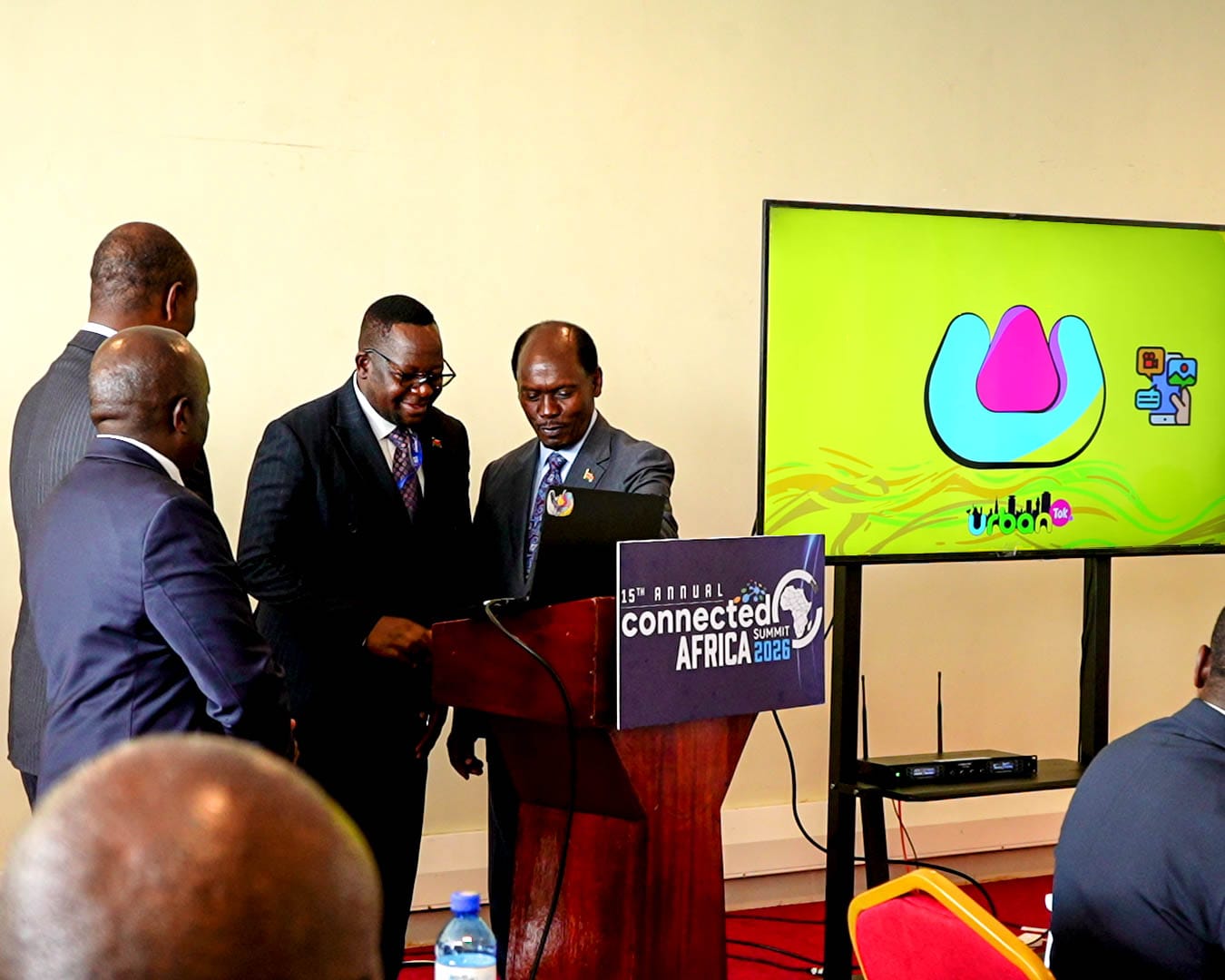
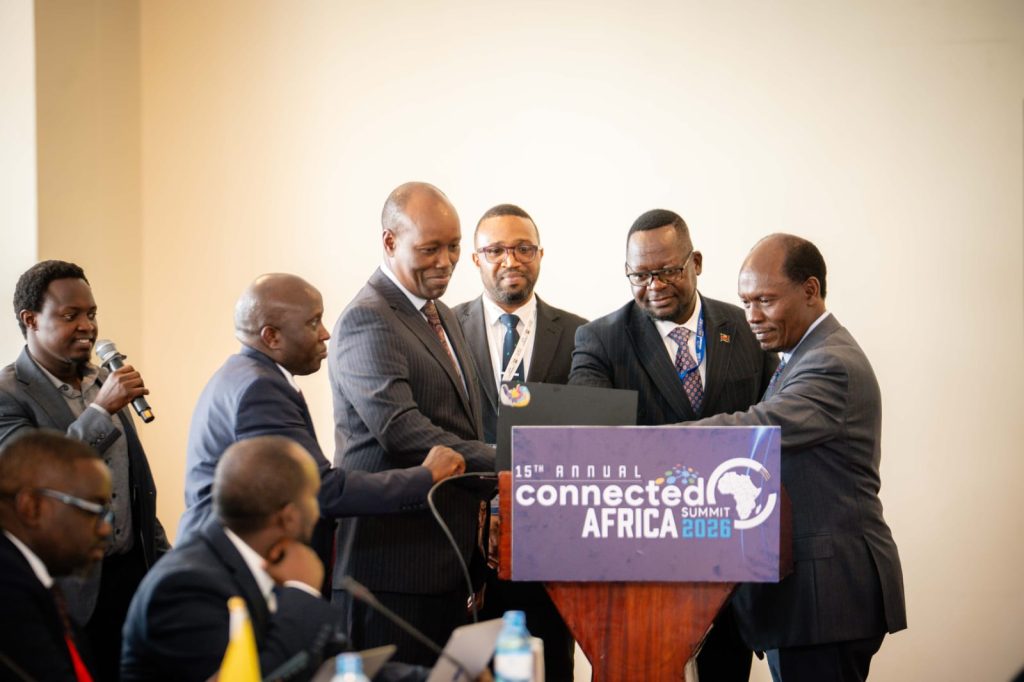
Launched last month at the Connected Africa Summit 2026, the platform had an unusual guest list: not just investors, but over 20 ICT ministers from across the continent, led by Kenya’s own Hon. William Kabogo (ICT Cabinet Secretary) and Hon. Lee Kinyanjui (Trade & Industry CS).
Even PS Eng. John Tanui called it a major milestone for Kenya’s digital sovereignty.
Why would ministers, not Silicon Valley VCs, rally behind a new social app?
Because UrbanTok isn’t fighting for your attention. It’s fighting for your wallet.
For years, African creators have been the engine that drives global platforms — but never the ones who get paid.
Think about it. A dancer in Lagos gets two million views on TikTok. A comedian in Nairobi goes viral every week. A filmmaker in Accra builds a loyal audience on YouTube. The engagement is massive. The passion is real.
But the payout? A fraction of what a creator in London or New York would earn for the same numbers. High withdrawal thresholds. Payment methods that don’t work with local banks. And algorithms that seem designed to keep African content from reaching truly global audiences — or sustainable ad revenue.
Africa has been the perfect consumer of digital entertainment. Scrolling, liking, sharing, laughing. But when it comes to earning from the value we create? The door has stayed firmly shut.
While global platforms pay African creators in “exposure” and $100 payouts that take three weeks to hit M-Pesa, this homegrown ecosystem is flipping the script:
• Local currency payouts (no PayPal horror stories)
• Paid livestreams, gifting, and even a built-in dropshipping store called UrbanDuka
• Monetization from day one — not after a million followers
In its first week? Over 10,000 daily active users. The CEO, Naftal Nyabuto (a 19-year tech vet in fintech, AI, and blockchain), put it bluntly: “We’re not a content-first platform with monetization tacked on. We’re a monetization engine that happens to stream video.”
And that is exactly why 20 African ministers didn’t just attend the launch — they endorsed it.
Because this isn’t just about one app. It’s about digital sovereignty. It’s about stopping the drain of African data, attention, and creativity into foreign servers that send back only scraps.
Kabogo, Kinyanjui, and the other ministers see what many have ignored: Africa’s creator economy is bleeding value. Every hour a young person spends creating content on a foreign platform is an hour that builds someone else’s shareholder value — not their own community wealth.
UrbanTok is the first serious attempt to change that math. To turn Africa from a consumer of digital platforms into a creator and owner of them.
So here’s the question Gen Z is already asking — and investors are quietly scrambling to answer: Could the first platform that actually pays African creators be… African?
Let’s talk numbers — because the math is staggering.
Over 18.4 million Kenyans are active on TikTok alone. That’s nearly one in three Kenyans. Across Nigeria, South Africa, Ghana, and the wider continent, the figures multiply into the hundreds of millions of active users. They scroll, like, share, and create.
They generate billions of views monthly — the kind of engagement that would make any Western market drool. And what do the platforms pay back? Almost nothing. In Nigeria, TikTok’s Creator Rewards Programme remains completely unavailable to most creators.
Kenyan users face payment thresholds so high they might as well be invisible. And when payouts do come, they bleed value through PayPal’s currency conversion fees, foreign transaction charges, and bank intermediary costs that can eat up to 20 percent of hard-earned money before it even touches M-Pesa.
Now flip the camera. What do the platforms earn?
Industry estimates suggest global short-video platforms generate upwards of $500 million annually from African markets through advertising, virtual gifting, and data harvesting — yet less than 5 % of that finds its way back to African creators. The rest? Repatriated to Silicon Valley bank accounts. Used to fund product development for European users.
Spent on lobbying Washington. The algorithm that decides whether a Nairobi creator eats or starves isn’t programmed in Nairobi.
It’s programmed in San Francisco, by engineers who have never struggled to withdraw their own money. “African creators are completely dependent on decisions made by foreign platforms with little regard for their economic realities,” the research notes. UrbanTok isn’t asking for a seat at that table. It’s building a new one — and inviting the whole continent to sit down.