
Home Author
Author

Daily Trends

Edwin Watenya Sifuna

Embattled ODM Secretary-General Edwin Sifuna has been removed from the influential Senate Energy Committee in a move that is likely to fuel speculation about deepening divisions within the Orange Democratic Movement (ODM).

The Nairobi Senator was replaced by Homa Bay Senator Moses Kajwang’ in a committee reshuffle announced on Wednesday, effectively ending Sifuna’s membership in the powerful oversight team chaired by ODM leader Oburu Oginga.

The development comes amid an increasingly public fallout between Sifuna and Oburu over the direction of ODM and the party’s working relationship with President William Ruto’s administration.

Sifuna’s removal is particularly significant because he has been one of the most outspoken members of the Senate Energy Committee, often taking tough positions on controversial national issues. He was among lawmakers who aggressively scrutinized the proposed Adani Group deal involving the expansion of Jomo Kenyatta International Airport before the government eventually terminated the project.

In the latest committee changes, Garissa Senator Abdul Haji was nominated to the Energy Committee, replacing nominated Senator Beatrice Ogolla. Machakos Senator Agnes Kavindu was also moved to the Senate Information, Communication and Technology Committee, replacing Ogolla.

Ogolla, in turn, was appointed to the Senate Agriculture, Livestock and Fisheries Committee, taking over from Kajwang’.

Unlike the other senators affected by the reshuffle, Sifuna was not reassigned to a new committee. The decision leaves him serving in only two Senate committees: the County Public Accounts Committee chaired by Moses Kajwang’ and the National Security, Intelligence and Foreign Relations Committee chaired by Isiolo Senator Fatuma Dullo.

Announcing the changes in the Senate, Majority Leader Aaron Cheruiyot said the reshuffle was approved following recommendations by the Senate Business Committee and in accordance with Senate Standing Orders.

The committee changes are expected to intensify debate within ODM, where ideological and political differences have become increasingly visible.

Sifuna is widely associated with the party’s Linda Mwananchi faction, which has maintained a critical stance toward the broad-based arrangement between ODM and Kenya Kwanza. On the other hand, Oburu is viewed as a leading figure in the Linda Ground camp, which supports continued engagement with President Ruto’s government.

The tensions between the two leaders have played out publicly in recent months. Earlier this year, Sifuna openly opposed serving under Oburu’s leadership after the veteran politician assumed a more prominent role within ODM following Raila Odinga’s departure from the party leadership position.

In one of his sharpest attacks, Sifuna accused sections of the ODM leadership of mediocrity and demanded internal party elections.

“I refuse to be the SG of mediocrity. I refuse to be the SG of Oburu Oginga. These characters do not deserve me. Let them ask for a proper NDC where we shall present candidates for all the party positions,” Sifuna declared.

With ODM increasingly divided over its relationship with President Ruto and the future direction of the party, Sifuna’s removal from the Energy Committee is likely to be viewed by many observers as more than a routine Senate reshuffle.

The move now raises fresh questions about Sifuna’s standing within ODM and whether the battle for control of the party is entering a new and more confrontational phase.

0 comment
0 FacebookTwitterPinterestLinkedinTumblrWhatsappTelegramEmail
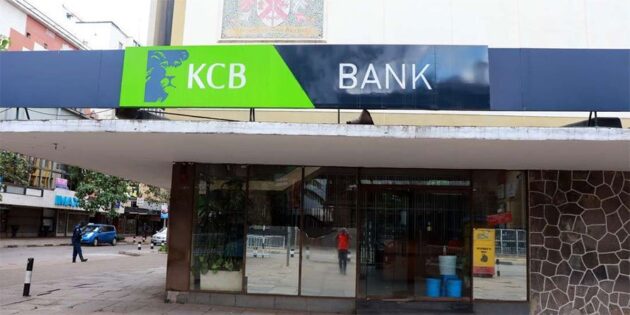
KCB Bank

Fresh controversy is building around Kenya Commercial Bank (KCB) after internal disclosures revealed that nearly 100 employees have been dismissed over fraud-related misconduct in just two years, triggering uncomfortable questions about whether the lender is facing isolated cases of indiscipline, or something more systemic within its operations.

The bank has confirmed that 60 employees were dismissed in 2025, following 34 more in 2024, bringing the total to 94 staff members removed over fraud-related allegations within 24 months.

While KCB maintains that the dismissals reflect strong enforcement of internal controls, critics are now questioning whether the figures point to deeper governance weaknesses inside one of East Africa’s most influential financial institutions.

“Too many cases to be coincidence,” critics argue

The disclosures have sparked quiet but growing unease within governance and financial circles, with some observers suggesting that the pattern of repeated fraud incidents involving staff may indicate more than isolated misconduct.

KCB recorded 201 fraud incidents in 2025 alone, the vast majority—188—occurring in Kenya, its largest and most critical market.

For critics, the combination of high incident numbers and mass staff dismissals raises a difficult question:

Is the bank detecting fraud—or constantly reacting to a system that keeps failing internally?

Inside the “insider threat” concern

Banking experts have long warned that insider fraud is among the most damaging risks in financial institutions, as employees with system access can bypass safeguards, manipulate transactions, or collaborate with external actors.

In KCB’s case, the fact that a significant proportion of dismissed staff were directly involved in customer-facing or operational roles has intensified scrutiny of internal supervision.

Some analysts argue that the situation points to potential weaknesses in:

  • Employee vetting and background checks
  • Internal audit responsiveness
  • Branch-level oversight
  • Digital access control systems
  • Compliance enforcement culture

However, no evidence has been publicly presented to suggest coordinated institutional wrongdoing.

A bank under pressure to defend its credibility

KCB insists it is actively strengthening its fraud detection systems, citing biometric verification, real-time monitoring tools, and enhanced cybersecurity frameworks.

The bank also reports that it successfully blocked Sh141.1 million in attempted fraud, suggesting that controls are actively intercepting suspicious activity.

But critics argue that prevention, not detection, should be the benchmark for a system of KCB’s scale.

“If employees are still being dismissed in large numbers every year, then something is not being fixed at the root level,” one governance observer said.

Growing concerns over trust and reputation

The controversy is especially sensitive given KCB’s dominant role in Kenya’s financial ecosystem, where it manages billions in deposits and finances major corporate and government-linked transactions.

For customers, the repeated fraud headlines raise anxiety about whether internal systems are strong enough to fully safeguard their funds.

For investors, the issue is increasingly reputational: whether governance risks could eventually translate into financial or regulatory consequences.

Silence and scrutiny

While KCB has defended its controls, it has not publicly detailed the specific nature of the misconduct cases or whether any broader internal investigation is underway beyond disciplinary action.

That silence is now fueling speculation in financial circles about whether the dismissals represent the visible surface of a deeper internal problem.

Governance experts caution, however, that fraud incidents alone do not prove systemic failure—especially in large banks where internal monitoring often uncovers and removes bad actors before major losses occur.

The bigger question hanging over KCB

As scrutiny intensifies, the central issue is no longer just the number of employees dismissed.

It is what the pattern suggests about the institution itself.

Is KCB aggressively cleaning up fraud within a functioning system—or repeatedly battling the same internal weaknesses year after year?

Until that question is clearly answered, analysts say the controversy is unlikely to fade.

0 comment
0 FacebookTwitterPinterestLinkedinTumblrWhatsappTelegramEmail
New fuel prices

The Energy and Petroleum Regulatory Authority (Energy and Petroleum Regulatory Authority) has announced new maximum retail fuel prices for the June–July 2026 pricing cycle, showing a notable reduction in diesel prices while petrol records a marginal drop and kerosene remains unchanged.

The revised prices will take effect from 15 June 2026 to 14 July 2026, in accordance with Section 101(y) of the Petroleum Act, 2019 and Legal Notice No. 192 of 2022.

Diesel Records Significant Drop, Petrol Sees Slight Reduction

In the latest review, EPRA confirmed that:

  • Super Petrol will decrease by KSh0.22 per litre
  • Diesel will decrease by KSh10.00 per litre
  • Kerosene will remain unchanged

The regulator said the adjustments reflect changes in international oil prices and exchange rate movements over the review period.

Nairobi Fuel Prices Set for New Cycle

Under the new pricing structure, fuel will retail at the following maximum pump prices in Nairobi:

  • Super Petrol: KSh214.03 per litre
  • Diesel: KSh222.86 per litre
  • Kerosene: KSh191.38 per litre

The prices are inclusive of Value Added Tax (VAT) as provided under the VAT Act, 2013, alongside adjustments under the Finance Act, 2023, the Tax Laws (Amendment) Act, 2024, and revised excise duty rates indexed for inflation.

Government Subsidy Through PDL Fund

EPRA further noted that the government will cushion consumers during the current pricing cycle through the Petroleum Development Levy (PDL) Fund.

Approximately KSh10 billion will be used to subsidize the cost of diesel and kerosene, a move aimed at stabilizing pump prices and easing pressure on households and transport operators.

The subsidy is expected to soften the impact of global oil market fluctuations, particularly on essential sectors such as transport, agriculture, and small-scale businesses.

What the New Fuel Prices Mean for Consumers

The drop in diesel prices is expected to offer relief to transporters, matatu operators, logistics companies, and farmers who rely heavily on diesel-powered machinery.

However, the marginal change in petrol prices means private motorists are unlikely to experience significant relief at the pump.

Kerosene, commonly used by low-income households for cooking and lighting in rural and peri-urban areas, remains unchanged, maintaining its current cost burden.

EPRA’s Role in Fuel Pricing

EPRA reviews fuel prices monthly, taking into account:

  • Cost of imported refined petroleum products
  • Exchange rate fluctuations
  • Freight and insurance costs
  • Taxes and statutory levies

The regulator then publishes maximum allowable retail prices that oil marketing companies must adhere to across the country.

The June–July pricing cycle comes amid continued volatility in global energy markets and domestic pressure to keep transport and production costs manageable.

While diesel users will benefit from the latest adjustment, analysts note that broader relief will depend on sustained stability in global crude oil prices and continued government subsidies through the PDL fund.

For now, motorists and businesses will begin the new pricing cycle under the revised rates effective midnight.

0 comment
0 FacebookTwitterPinterestLinkedinTumblrWhatsappTelegramEmail

By Lilian Mbugua

Despite constant change in the world, some experiences remain constant because they speak to something fundamentally human.

In a world that changes faster than we can keep up with, almost everything now comes with an upgrade. Newer apps replace older ones. New sounds dominate our playlists. New ways of socialising appear every few months, each promising to be more efficient, more exciting, more relevant than what came before. Even how we unwind has become something, we feel pressure to optimise; better routines, better habits and better versions of ourselves.

And yet, despite all this constant reinvention, there are things we keep returning to. Not out of nostalgia, but because they simply work. They don’t need to be improved to remain relevant. They don’t compete for attention; they earn it quietly over time. On World Gin Day, it is worth pausing to reflect on these enduring constants the “classics” of everyday life that have refused to go out of style, not because they resisted change, but because they were never meant to be replaced in the first place.

R&B Music

From vintage slow jams to modern neo-soul, R&B continues to endure because it meets people exactly where they are emotionally. It doesn’t age in the traditional sense; rather it deepens, becoming a shared language for things we struggle to say out loud; love, heartbreak, longing, reconciliation, and memory. Even when the world changes its sound, we still return to R&B when we need something honest that understands how we fee without needing an explanation.

Leather Jackets

Few fashion items have crossed generations as effortlessly as the leather jacket, carrying a quiet confidence that transcends age, geography, and changing tastes. In a world of fast fashion and fleeting trends, it remains proof that true style is timeless. It is practical yet stylish, rebellious yet sophisticated; a rare combination in fashion. Trends may alter its cut or colour, but its appeal remains remarkably constant.

Gin & Tonic

Trends demand attention; classics earn loyalty. Clean, balanced, and uncomplicated, the Gin & Tonic has become one of the world’s most enduring serves, never needing reinvention to remain relevant. Long before elaborate cocktail menus and social media-worthy drinks, the G&T was proof that the best combinations are often the simplest. Today, a Gilbey’s and tonic remains the perfect addition to any moment of social connection; whether it’s a night-out or stay-in with friends offering reliability, familiarity and effortless consistency.

Monday Blues

Mondays get a bad reputation, but they aren’t really the problem. The true culprit is the lingering memory of a great weekend; those beautiful chaotic moments when laughter rang true, conversations stretched late and drinks flowed. And now that we are back at work stuck behind our desks, we can’t help the replays. In a way Monday blues are a classic ritual on their own; a weekly tribute to good times, carrying the quiet promise of another Friday, another gathering, another chance to create memories worth reminiscing about.

Conclusion:

These and many other classics remain relevant because they are not built on trends, but on human connection, emotion, memory, and belonging, just like Gilbey’s. So, this World Gin Day, let’s raise a gin and tonic toast to never going out of style!

0 comment
0 FacebookTwitterPinterestLinkedinTumblrWhatsappTelegramEmail
Mary Wambui Mungai

Auditor-General Report Revives Questions Over Digital Superhighway Tenders Linked to Mary Wambui

Businesswoman Mary Wambui Mungai has once again found herself at the centre of public scrutiny after the Auditor-General reportedly flagged concerns over multi-billion-shilling contracts awarded under Kenya’s Digital Superhighway project.

The findings have reignited debate over transparency, accountability and possible conflict-of-interest concerns surrounding some of the lucrative fibre optic infrastructure tenders awarded as part of the government’s ambitious digital transformation agenda.

The Digital Superhighway programme is one of President William Ruto’s flagship projects and seeks to expand broadband internet connectivity across Kenya through the installation of thousands of kilometres of fibre optic cable and the rollout of public Wi-Fi hotspots.

Auditor-General Raises Questions Over Digital Superhighway Contracts

According to the Auditor-General’s observations, concerns have emerged regarding the participation and award of contracts to companies reportedly linked to Mary Wambui during the implementation of the Digital Superhighway programme.

The audit findings have revived questions that have previously been raised by governance activists, consumer rights groups and procurement watchdogs regarding the awarding of government tenders connected to Kenya’s communications and ICT sector.

Critics argue that the issue goes beyond whether procurement laws were technically followed and extends to whether public confidence can be maintained when companies associated with influential public figures secure major government contracts.

Mary Wambui’s Previous Role Draws Fresh Attention

The renewed scrutiny comes partly because of Mary Wambui’s previous role as chairperson of the board of the Communications Authority of Kenya (CA).

Mary Wambui Mungai
Mary Wambui Mungai

Court Cases Already Challenging Digital Superhighway Tenders

The latest Auditor-General report comes against the backdrop of ongoing legal challenges involving the Digital Superhighway project.

Consumer rights groups and governance activists have previously moved to court seeking to nullify some of the contracts, arguing that companies allegedly associated with Mary Wambui should not have participated in projects connected to institutions operating within the broader communications ecosystem.

The petitioners have sought greater transparency regarding company ownership structures, tender evaluation processes and the criteria used to award the contracts.

Government Defends Procurement Process

Despite mounting criticism, government agencies have consistently defended the procurement process.

Officials from the ICT Authority, Communications Authority and the Office of the Solicitor General have maintained that the Digital Superhighway tenders were awarded competitively and in accordance with procurement regulations.

The agencies have further argued that Mary Wambui had exited direct ownership and management roles in the companies under scrutiny before the contracts were awarded.

Government officials have therefore rejected allegations of wrongdoing and insisted that all procedures were followed during the tendering process.

Mary Wambui Mungai
Mary Wambui Mungai

Why the Digital Superhighway Project Matters

The Digital Superhighway project is a cornerstone of Kenya’s digital economy strategy and is expected to consume billions of shillings in public investment over the coming years.

The programme aims to increase internet access in underserved areas, improve digital service delivery, support e-government initiatives and accelerate economic growth through enhanced connectivity.

Given the project’s scale and strategic importance, governance experts argue that transparency and public confidence are essential to its success.

They note that major public infrastructure projects must not only comply with procurement laws but also avoid circumstances that create perceptions of favoritism, insider advantage or undue influence.

Pressure Mounts for Greater Transparency

The Auditor-General’s observations are expected to intensify calls for greater transparency regarding Digital Superhighway contracts and the companies that benefited from them.

Oversight bodies, lawmakers and governance advocates are likely to push for additional disclosures on company ownership, procurement evaluations and contract awards to reassure taxpayers that public funds are being spent appropriately.

With billions of shillings at stake and the Digital Superhighway programme playing a central role in Kenya’s digital transformation agenda, the controversy surrounding Mary Wambui-linked contracts is unlikely to fade anytime soon.

As scrutiny grows, pressure is mounting on government agencies to provide full accountability and demonstrate that all Digital Superhighway contracts were awarded fairly, competitively, and in the best interests of Kenyan taxpayers.

0 comment
0 FacebookTwitterPinterestLinkedinTumblrWhatsappTelegramEmail
Mary Wambui Mungai

Prominent businesswoman Mary Wambui Mungai has secured a reprieve from the auction of the multi-billion-shilling Glee Hotel after the High Court ordered her to deposit KSh100 million within seven days as a condition for halting the sale.

The ruling offers Wambui a crucial lifeline in a high-stakes dispute with Equity Bank over an alleged loan default amounting to KSh8.267 billion, a debt that has placed one of Nairobi’s most luxurious hospitality facilities at the centre of an intense legal battle.

In its decision, the court directed that Wambui deposit KSh100 million within a week. Failure to comply with the order will automatically lift the temporary protection granted by the court, allowing the lender to proceed with the planned auction of the hotel.

At the heart of the dispute is the Glee Hotel, an upscale hospitality establishment situated along Nairobi’s Northern Bypass in the affluent Runda area. The property, estimated to be worth approximately KSh9.5 billion, sits on eight acres of land and boasts 211 guest rooms, modern conference facilities, and premium hospitality amenities.

Court documents reveal that efforts to resolve the dispute through negotiations failed despite several attempts by the parties. According to filings presented before the court, Wambui initially proposed a KSh5 billion settlement to resolve the outstanding debt, but the offer was rejected by the bank.

She later tabled an improved proposal of KSh7 billion, hoping to avert recovery proceedings and save the hotel from auction. However, the lender reportedly declined the proposal, maintaining that the debt remained unpaid and enforceable under the existing lending agreements.

As a result, Equity Bank moved to initiate recovery proceedings, setting the stage for a legal showdown over the future of the luxury property.

In her application seeking to stop the auction, Wambui argued that the bank should first pursue the principal borrower and exhaust all available securities before targeting assets linked to guarantors.

Her legal team maintained that lenders should not move directly against guarantors without first exploring recovery options against the primary borrower.

“The bank ought to first pursue the principal borrower and exhaust the available securities before moving against a guarantor,” her lawyers argued in court filings.

Equity Bank, however, insisted that it is legally entitled to enforce securities and guarantees once a borrower defaults. The lender argued that the debt remains outstanding and recoverable under the terms agreed upon by the parties.

The case has attracted significant attention within legal and financial circles because it raises important questions regarding the rights of lenders to pursue guarantors in large commercial transactions and the extent of protection available to individuals who provide guarantees for corporate borrowing.

In granting interim relief, the court sought to balance the competing interests of both parties by temporarily preserving the hotel from immediate sale while requiring a substantial financial commitment from Wambui as security.

“The applicant shall deposit KSh100 million within seven days, failing which the interim orders shall automatically lapse,” the court directed.

The ruling now places Wambui in a race against time as she seeks to mobilise the required funds before the deadline expires.

Should she fail to make the deposit, Equity Bank will be free to proceed with the auction process in a move that could result in the loss of one of Nairobi’s most valuable hotel properties.

The matter is expected to return to court for further hearings as judges consider the broader dispute over debt recovery, enforcement of guarantees, and the future ownership of the multi-billion-shilling hotel.

For now, all eyes remain on whether Mary Wambui can raise KSh100 million within a week and keep the auctioneers at bay.

0 comment
0 FacebookTwitterPinterestLinkedinTumblrWhatsappTelegramEmail
Somali Government Adviser Ismael Abukar Osman

A Nairobi court has denied bail to a senior Somali government adviser accused of orchestrating a fake gold transaction scheme worth $27,000 (approximately KSh3.5 million), after prosecutors raised concerns over alleged links to ongoing terrorism-related investigations and the risk that he could flee the country.

The suspect, identified as Ismael Abukar Osman, will remain in custody at Industrial Area Remand Prison as the court continues to consider arguments surrounding his release pending trial.

Bail Denied Over Flight Risk Concerns

The prosecution strongly opposed Osman’s bail application, arguing that he poses a significant flight risk due to his international connections, status as a foreign government official, and ability to travel across borders with relative ease.

State lawyers told the court that releasing him at this stage could undermine ongoing investigations and complicate efforts to secure justice in a case they described as having “cross-border dimensions.”

The court agreed with the prosecution’s concerns, ordering that Osman remain in custody while investigations continue.

Fake Gold Scam Allegations

The case arises from allegations that Osman was involved in a fraudulent gold transaction in which a Kenyan businesswoman reportedly lost KSh3.5 million after being promised a legitimate gold deal that investigators now believe was fictitious.

According to investigators, the victim was allegedly lured into the transaction under the impression that she was engaging in a genuine commercial gold trade arrangement. However, no actual gold delivery was ever made.

The incident adds to a growing number of fake gold scams reported in Nairobi, which have become a major concern for law enforcement agencies and foreign investors.

Terror-Related Investigation Claims

What has elevated the case beyond a standard fraud matter are claims by prosecutors that Osman has appeared in intelligence reports linked to ongoing terrorism-related investigations.

While details of these alleged links were not disclosed in open court, the prosecution argued that the information could not be ignored when determining bail conditions.

Authorities maintained that the security dimension of the case increases the risk of interference with investigations and strengthens the justification for continued detention.

Court’s Decision

In its ruling, the court held that the concerns raised by the prosecution were substantial enough to deny bail at this stage of the proceedings.

The judge noted that the combination of alleged fraud, international ties, and pending investigative leads warranted caution in granting temporary release.

Osman will therefore remain in custody as the case proceeds to further hearings.

Fake Gold Scams in Kenya Under Scrutiny

The case has once again highlighted the persistence of fake gold schemes in Kenya, particularly in Nairobi, where unsuspecting investors—often including foreign nationals—have lost millions of shillings in elaborate fraud operations.

Authorities have repeatedly warned the public to exercise caution when engaging in precious metal transactions, especially those conducted outside regulated financial and mining frameworks.

Next Steps in the Case

Investigators are expected to continue collecting evidence as the prosecution builds its case ahead of trial.

The matter is scheduled for mention in court in the coming weeks, where further directions on the hearing process are expected to be issued.

For now, Osman remains behind bars as legal proceedings continue in what is shaping up to be a high-profile case involving both financial crime allegations and national security concerns.

0 comment
0 FacebookTwitterPinterestLinkedinTumblrWhatsappTelegramEmail
Businessman Kabugi is accused of Extorting Safaricom and Betting Firms in Explosive Data Breach Scandal

A high-stakes legal battle involving Safaricom and businessman Benedict Kabugi has intensified following explosive allegations linking him to the unlawful extraction and commercial use of subscriber data belonging to millions of Kenyans.

The case, which is already being described as one of the most significant data privacy disputes in Kenya’s history, centres on claims that sensitive information belonging to approximately 11.5 million Safaricom customers was accessed, transferred, and allegedly circulated outside the company’s systems without consent.

According to court filings and legal documents cited in the proceedings, the compromised data is said to have included customer names, phone numbers, identity document details, location data, handset information, M-Pesa transaction records, and behavioural data linked to betting activity.

Safaricom has alleged that the breach occurred between 2018 and 2019 and involved two former senior employees who are said to have collaborated with Kabugi in extracting the information from internal systems. The company further claims the data was moved into encrypted cloud storage before being copied onto external devices, some of which have not been recovered.

The telecommunications firm maintains that the information was not merely stolen but was also positioned for commercial exploitation, particularly within Kenya’s betting industry, where detailed consumer data is highly valuable for targeted marketing and customer profiling.

Allegations of Extortion

At the centre of the dispute are also allegations that Kabugi sought financial gain following the exposure of the alleged breach. Safaricom has accused him of demanding Sh100 million in exchange for withholding further disclosures and revealing the origins of the stolen data.

Those allegations led to criminal charges related to demanding money with menaces, which Kabugi has denied.

He has consistently maintained that he acted as a whistleblower who exposed serious vulnerabilities within Safaricom’s data protection systems rather than participating in any unlawful scheme.

Safaricom, however, disputes this narrative, insisting that Kabugi’s actions were motivated by personal financial interests and not public interest concerns.

Landmark Court Findings

The dispute escalated significantly after a High Court ruling in May 2026 found Safaricom liable for violating the constitutional rights of subscribers affected by the data exposure.

The court determined that Safaricom could not shift full responsibility to rogue employees, ruling that the company bore constitutional and statutory obligations to protect subscriber information.

In its judgment, the court held that personal data—including financial records, betting-related activity, and location information—had been unlawfully accessed and disseminated beyond authorised systems.

Eleven affected subscribers were awarded damages, alongside costs and interest, setting a major precedent in Kenya’s evolving data protection jurisprudence.

Betting Industry Link Under Scrutiny

Court documents and investigative materials referenced during proceedings have also drawn attention to the alleged movement of subscriber data into commercial networks linked to Kenya’s betting sector.

Investigators are said to have reviewed digital evidence suggesting that the information may have been used to construct behavioural profiles of customers, including spending patterns and gambling activity.

The revelations have intensified scrutiny of the intersection between mobile money systems, telecommunications data, and the rapidly expanding betting industry, where consumer analytics can provide a significant competitive advantage.

Kabugi’s Defence

Kabugi has denied all allegations of wrongdoing, maintaining that he played a key role in exposing the breach and pushing for accountability from one of East Africa’s largest telecommunications companies.

His legal team argues that he is being unfairly portrayed as a perpetrator despite raising concerns about data security failures that may have otherwise remained hidden.

Safaricom, on the other hand, insists that internal investigations and court proceedings point to a coordinated effort involving insiders and external actors, rather than a singular act of whistleblowing.

Wider Implications

The case has sparked broader concerns about the protection of personal data in Kenya’s increasingly digital economy, where mobile money, telecom services, and online platforms generate vast amounts of sensitive user information.

Experts warn that the alleged breach highlights systemic risks in data governance, particularly where large datasets containing financial and behavioural information can be accessed, transferred, and potentially monetised outside regulated frameworks.

Regulatory attention is expected to intensify as the case progresses, with potential implications for corporate compliance standards and enforcement of Kenya’s Data Protection Act.

Trust at Stake

Beyond legal liability, the scandal has raised questions about public trust in digital service providers handling sensitive financial and personal information.

For millions of Safaricom users, the allegations have revived concerns that their data may have been exposed beyond the company’s control and used in ways they never authorised.

As court proceedings continue, both Safaricom and Kabugi face mounting pressure to clarify their roles in a case that has become a defining test of Kenya’s data privacy regime.

The courts are now expected to determine criminal liability, civil responsibility, and the extent of any damages owed to affected subscribers.

What remains undisputed is that the case has placed one of Kenya’s most powerful corporations at the centre of a national debate on data security, corporate accountability, and the commercial value of personal information in the digital age.

0 comment
0 FacebookTwitterPinterestLinkedinTumblrWhatsappTelegramEmail
Diamond Trust Bank (DTB)

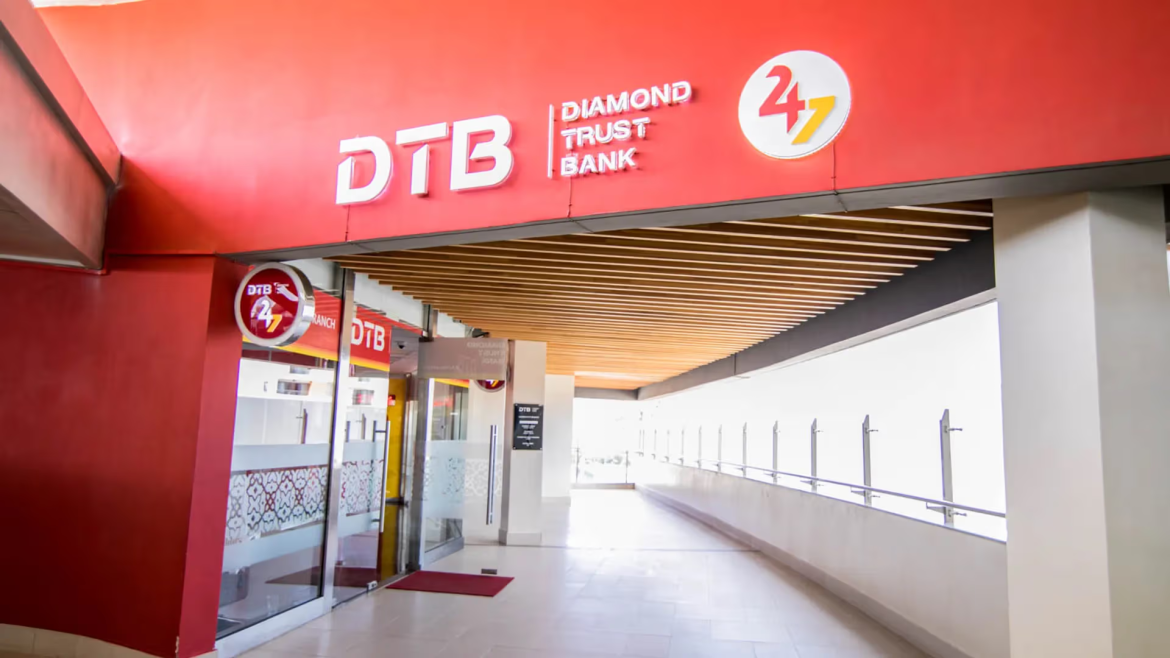
Diamond Trust Bank (DTB) Uganda has come under intense public scrutiny following allegations that a customer died after being assaulted by a mob outside one of its branches in Kampala after a dispute with a bank manager.

The incident, which reportedly occurred at DTB’s Ntinda branch on Monday, has sparked outrage on social media, with calls for a thorough investigation into the circumstances surrounding the man’s death.

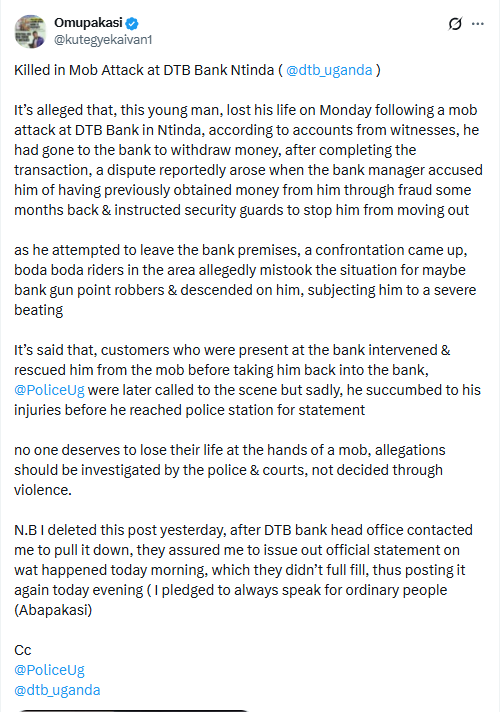
According to claims shared by social media commentator Omupakasi on X, the deceased had visited the bank to withdraw money before becoming involved in a confrontation with a bank manager.

Witnesses allegedly told the blogger that after completing his transaction, the customer was stopped from leaving the bank premises after the manager accused him of having previously obtained money through fraudulent means.

The manager is said to have instructed security personnel to prevent the man from leaving as the matter was being addressed.

What followed, according to the account circulating online, was a chaotic confrontation that attracted the attention of boda boda riders operating near the bank.

The riders allegedly mistook the situation for an attempted robbery or criminal incident and descended on the man, subjecting him to a severe beating.

Witnesses reportedly claimed that customers inside the bank intervened and managed to rescue the victim from the mob before taking him back into the banking hall.

Police officers were later called to the scene and reportedly took custody of the injured man.

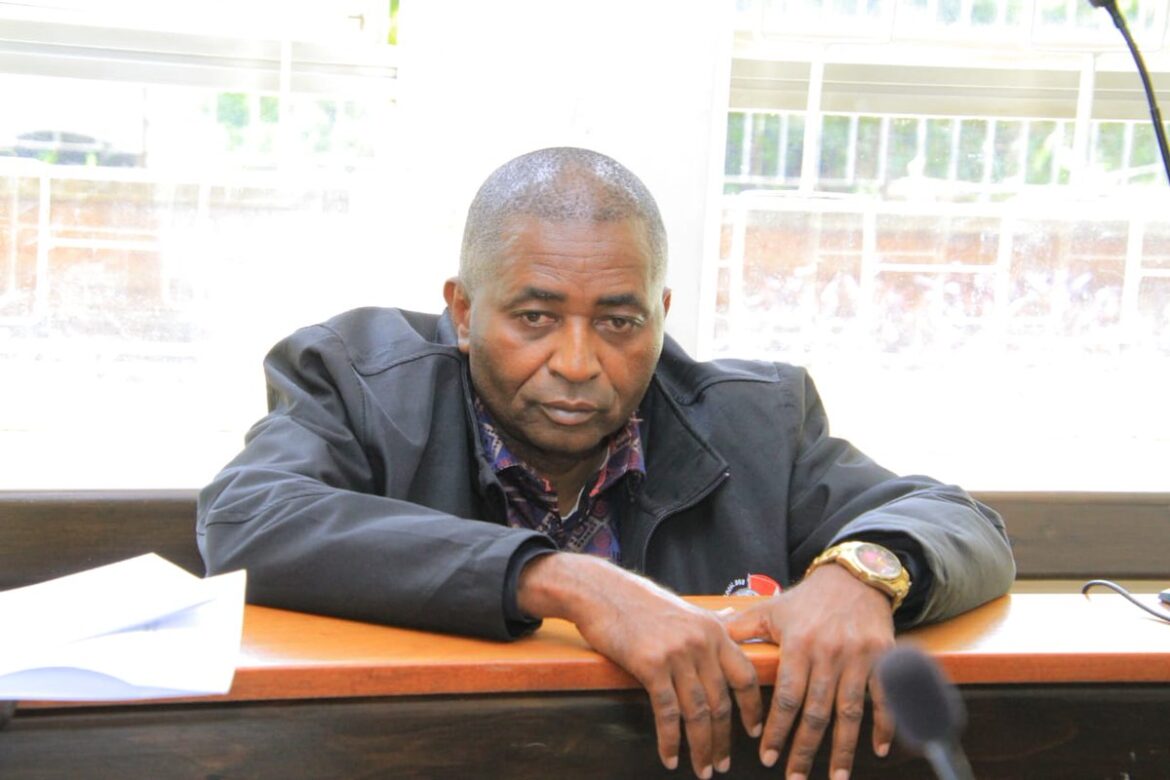
The man who was allegedly beaten to death at DTB’s Ntinda branch

However, according to the allegations, he succumbed to his injuries before he could provide a statement to authorities.

Questions Surround Incident

The claims have triggered widespread debate online, with many Ugandans questioning how the situation escalated into a fatal mob attack.

Human rights advocates and members of the public have argued that even where allegations of wrongdoing exist, suspects should be handled through lawful processes rather than mob justice.

“No one deserves to lose their life at the hands of a mob. Allegations should be investigated by police and determined by courts, not by violence,” Omupakasi wrote while sharing details of the incident.

The blogger further alleged that he had initially removed his post after being contacted by DTB’s head office, which reportedly promised to issue an official statement on the matter.

According to him, the statement had not been released by the time he republished the claims.

Bank Yet to Issue Public Statement

As of Saturday evening, DTB Uganda had not publicly addressed the allegations or released an official account of the events that reportedly unfolded at its Ntinda branch.

Similarly, Ugandan police had not issued a detailed statement confirming the circumstances surrounding the alleged death.

The absence of official communication has fuelled speculation online, with many demanding transparency from both the bank and law enforcement agencies.

Calls for Investigation

The incident has renewed concerns about mob justice in Uganda and across East Africa, where suspects are occasionally subjected to violent attacks by crowds before investigations can be completed.

Legal experts have repeatedly warned that such actions undermine the justice system and can lead to the deaths of innocent individuals.

Should the allegations be confirmed, the incident is likely to raise difficult questions about crowd control, security procedures at financial institutions, and the role played by those present during the confrontation.

Authorities are expected to investigate the matter and establish the facts surrounding the death.

Until official findings are released, the claims circulating online remain allegations that have not been independently verified.

0 comment
0 FacebookTwitterPinterestLinkedinTumblrWhatsappTelegramEmail
JKIA

The government has awarded China Communications Construction Company (CCCC) a KSh375.4 billion ($2.9 billion) contract for the expansion and modernisation of Jomo Kenyatta International Airport (JKIA), marking one of Kenya’s most ambitious infrastructure undertakings in recent years.

The deal, which falls under the newly established National Infrastructure Fund (NIF), signals a renewed reliance on Chinese state-backed contractors for large-scale national projects following the collapse of a previous concession arrangement involving India’s Adani Group.

Although the government has not yet made a formal public announcement, sources familiar with the matter confirmed the award to Bloomberg, noting that preparations for the project are already underway.

Return of Chinese infrastructure dominance

The JKIA expansion deal comes months after President William Ruto announced that construction works would begin in June 2026, following the government’s mobilisation of seed capital for the NIF.

That seed funding includes KSh20 billion drawn from the privatisation proceeds of the Kenya Pipeline Company (KPC), part of a broader financing strategy meant to support long-term infrastructure development.

Chinese firms have long played a central role in Kenya’s infrastructure landscape, delivering major projects such as the Nairobi Expressway, the Standard Gauge Railway, and sections of key highways including the Rironi–Mau Summit corridor.

The latest award places China Communications Construction Company at the centre of Kenya’s most significant aviation infrastructure overhaul in decades.

A 20-year master plan for JKIA

The expansion and upgrade of JKIA will be implemented under a 20-year master plan running through 2045, designed to guide phased development, capacity expansion, and financial sustainability.

The plan envisions a transformation of the 68-year-old airport into a modern regional aviation hub capable of handling significantly higher passenger volumes and improved operational efficiency.

Two-phase expansion strategy

According to earlier government briefings, the project will be implemented in two major phases.

Phase one will focus on upgrading existing infrastructure, including taxiways, terminal processing areas, landside access routes, and digital airport systems. These upgrades are expected to increase JKIA’s capacity to approximately 12 million passengers annually within 18 months.

Phase two will involve large-scale expansion works, including the construction of a new 4,500-metre parallel runway and a 230,000-square-metre passenger terminal designed to handle an additional 10 million passengers per year.

The new terminal is expected to feature a modern X-shaped architectural design aimed at improving passenger flow, reducing congestion, and enhancing service efficiency.

Financing questions linger

While the contract award marks a major milestone, questions remain over how the government will finance the project beyond the initial KSh20 billion seed allocation from KPC proceeds.

It was not immediately clear how the remaining KSh355 billion required for the full implementation of the project would be mobilised, with analysts suggesting a mix of public-private partnerships, concessional financing, and infrastructure bonds may be considered.

Strategic economic implications

JKIA remains Kenya’s busiest and most critical aviation hub, serving millions of passengers annually and acting as a key gateway for trade, tourism, and regional connectivity.

The expansion is expected to strengthen Nairobi’s position as a leading aviation hub in Africa, particularly as competition intensifies from regional airports in Addis Ababa, Kigali, and Johannesburg.

The decision to proceed with a Chinese contractor also underscores Kenya’s continued strategic engagement with Beijing in infrastructure development, even as global financing models shift and scrutiny over debt sustainability remains high.

A major infrastructure gamble

The project is widely seen as both a strategic opportunity and a financial test for the government’s infrastructure agenda.

If successfully implemented, the JKIA expansion could significantly reshape Kenya’s aviation capacity and economic outlook for decades. However, the scale of financing required and the complexity of execution place it among the most challenging public infrastructure projects undertaken in the country.

As the project moves from announcement to implementation, attention will now shift to procurement transparency, financing clarity, and delivery timelines.

For now, Kenya has once again turned to China for one of its biggest infrastructure bets yet—this time at the heart of its busiest airport.

0 comment
0 FacebookTwitterPinterestLinkedinTumblrWhatsappTelegramEmail
Sacco fraud

Three suspects, including a SACCO ICT officer alleged to be the mastermind behind a sophisticated fraud scheme, have been arrested in connection with the loss of more than KSh22.4 million from a savings and credit cooperative society.

The arrests were made by detectives from Imenti North following investigations into what authorities describe as a well-organized network that allegedly exploited the SACCO’s computerized financial systems to siphon funds from members’ savings.

According to the Directorate of Criminal Investigations (DCI), the probe uncovered an elaborate operation involving multiple individuals and accounts allegedly used to receive and withdraw the stolen money.

At the center of the investigation is Allan Karani, an ICT Assistant Officer at the SACCO, whom detectives suspect played a key role in orchestrating the fraud.

Investigators believe the scheme relied heavily on technology, with the suspects allegedly manipulating electronic systems to move millions of shillings out of SACCO accounts without authorization.

Multi-Million Fraud Trail

The DCI said investigations established that bank accounts linked to several individuals and entities were allegedly used as conduits for the movement of the funds.

Among those named by investigators are Tony Mwenda, Sharon Kendi, Brivin Dentel, and Mawingu Plus Ltd.

Detectives allege that the accounts received portions of the money before withdrawals were made as part of efforts to conceal the trail of the funds.

The first breakthrough in the case came on June 4, 2026, when Tony Mwenda was arrested and placed in custody as investigators expanded the probe.

Authorities subsequently obtained custodial orders to facilitate further investigations and track additional suspects believed to be connected to the scheme.

Coordinated Operation Leads to More Arrests

On June 10, detectives conducted a coordinated operation that resulted in the arrest of Allan Karani, Betty Kanana, and Sharon Kendi.

During the operation, investigators seized several mobile phones and a company laptop, which have since been taken for forensic examination.

The DCI says the devices could provide crucial evidence regarding the planning, execution, and movement of funds linked to the alleged fraud.

Forensic experts are expected to analyze electronic communications, transaction records, and digital footprints that may reveal the full extent of the suspected criminal network.

Members Left Counting Losses

The alleged theft has sent shockwaves through the SACCO, whose members entrusted the institution with their savings and investments.

Authorities say what should have been a secure financial institution became the target of a coordinated scheme that exploited internal systems for personal gain.

The loss of more than KSh22.4 million has raised concerns about cybersecurity, internal controls, and fraud prevention measures within cooperative financial institutions.

More Arrests Possible

The DCI has indicated that investigations remain ongoing and that additional suspects could be arrested as detectives continue piecing together the fraud network.

Authorities believe the three suspects currently in custody may not be the only individuals involved in the scheme.

“Evidence gathered so far points to a conspiracy involving multiple suspects who utilized the SACCO’s electronic systems to orchestrate the fraud,” investigators said.

The suspects are currently being held in custody pending arraignment in court.

Meanwhile, detectives have vowed to pursue all individuals linked to the alleged scam and recover any proceeds of crime that may have been obtained through the fraudulent transactions.

The case is expected to shine a spotlight on the growing threat of technology-enabled financial crimes and the need for stronger safeguards within SACCOs and other financial institutions across the country.

0 comment
0 FacebookTwitterPinterestLinkedinTumblrWhatsappTelegramEmail
Havenfields Real Estate Ltd MD Paul Waihenya

Families Demand Refunds or Equivalent Compensation Over Controversial Kitengela Land Project

A growing group of land buyers is demanding answers from Havenfields Real Estate Ltd and its Managing Director, Paul Waihenya, over a controversial land project in Kimalat, Kitengela, that has left dozens of investors claiming they lost their savings after the plots they purchased allegedly became unavailable.

The dispute, which dates back several years, has reignited debate about due diligence, consumer protection, and accountability in Kenya’s booming real estate sector.

Affected buyers claim they invested hundreds of thousands of shillings in 50×100 plots marketed by Havenfields Real Estate Ltd, believing they were securing valuable property in the fast-growing Kitengela area.

According to the buyers, the company promised title deeds, future development, and secure ownership, making the project attractive to families, professionals, and small-scale investors seeking to build homes or secure long-term investments.

However, the investors allege that, years later, they discovered the land had become the subject of government acquisition proceedings and other ownership complications, leaving them unable to access the plots they had paid for.

Havenfields Real Estate Ltd offices. PHOTO/Havenfields Real Estate/Facebook

Buyers Claim Warning Signs Were Ignored

Several affected investors now allege that concerns surrounding the land emerged long before many of the transactions were completed.

The buyers claim that despite emerging questions over the project’s future, sales continued, resulting in more investors purchasing plots that later became the center of disputes.

The allegations have fueled anger among affected families, many of whom say they invested life savings, retirement benefits, business proceeds, and loan facilities into the project.

Some claim they have spent years seeking answers from the company through meetings, correspondence, and negotiations.

Compensation Offer Sparks Fresh Outrage

One of the biggest sources of contention is an alternative compensation proposal reportedly presented to some affected buyers.

According to investors, they were offered alternative parcels of land in Malindi after the Kitengela project ran into difficulties.

However, the buyers argue that the proposed compensation does not match the value, location, or investment potential of the plots they originally purchased in Kitengela.

Some investors who reportedly visited the alternative sites claim the land is several kilometres from Malindi town and lacks key infrastructure, including roads, electricity, and water connections.

“We were taken to a place that felt like punishment, not compensation,” one buyer said.

The affected families argue that they should either receive equivalent plots within Nairobi and its surrounding areas or be refunded the money they paid, together with compensation for the years they have waited.

Growing Pressure on Havenfields and Paul Waihenya

The controversy has increasingly spilled onto social media, where some investors have accused Havenfields Real Estate Ltd and its leadership of failing to adequately resolve the dispute.

Paul Waihenya, who is widely known through property investment content shared on social media platforms, has built a public profile by encouraging Kenyans to invest in land and real estate.

His videos frequently discuss wealth creation through property ownership and often encourage investors to consider land as a superior long-term investment.

However, the ongoing dispute has placed renewed scrutiny on both the company and its management as affected buyers intensify their campaign for compensation.

Havenfields Real Estate Victims Demand Action

The investors say they are now organizing collectively to pursue what they describe as fair compensation and accountability.

They claim to possess agreements, payment records, receipts, and correspondence relating to their transactions with the company.

The buyers insist they are not seeking special treatment but simply want the company to honour its obligations.

Their demands remain straightforward:

  • Full refunds of monies paid, together with interest and compensation for losses suffered; or
  • Alternative plots of equal or greater value within Nairobi or its immediate environs.

Wider Questions for Kenya’s Property Sector

The dispute has once again highlighted the risks facing land buyers in Kenya, where ownership disputes, compulsory acquisitions, overlapping titles, and delayed transfers continue to affect thousands of investors.

Property experts have consistently advised buyers to conduct thorough due diligence before purchasing land, including verification of ownership records, title status, zoning restrictions, and any pending government projects that may affect the property.

As pressure mounts, affected buyers say they will continue pursuing all available avenues to seek compensation and resolution.

Meanwhile, attention remains firmly focused on Havenfields Real Estate Ltd and its Managing Director, Paul Waihenya, as investors await a lasting solution to a dispute that has left many claiming their dreams of land ownership turned into years of uncertainty and frustration.

0 comment
0 FacebookTwitterPinterestLinkedinTumblrWhatsappTelegramEmail
Former Tigania East Member of Parliament Josphat Gichuge Mwirabua Kabeabea

Detectives from the Directorate of Criminal Investigations (DCI) have arrested former Tigania East Member of Parliament Josphat Gichuge Mwirabua, also known as “Kabeabea,” in connection with an alleged land fraud scheme involving more than KSh56 million.

The former legislator, who also previously served as Chairman of the Anti-Counterfeit Authority (ACA), was apprehended by officers from the DCI Headquarters’ Land Fraud Investigations Unit (LFIU) following investigations into multiple complaints from investors.

According to investigators, the first case dates back to 2016 when several investors purchased plots measuring 50 by 100 feet through Diamond Property Merchants (DPM) Ltd, a company linked to the suspect.

The complainants reportedly entered into individual agreements with the company and deposited payments directly into company bank accounts.

Police say the investors collectively paid approximately KSh16.4 million for the parcels of land located in Kajiado County.

However, the buyers later discovered that the land had allegedly been transferred to other individuals without their knowledge, while subdivision of the property was reportedly carried out without their consent.

The matter was subsequently reported to authorities, triggering investigations by the DCI.

Following completion of the inquiry, detectives forwarded the investigation file to the Office of the Director of Public Prosecutions (DPP), which approved charges against the suspect for obtaining money by false pretences.

In a separate but related case, additional complainants accused the suspect and Diamond Property Merchants Company Ltd of advertising parcels of land in Kajiado that were allegedly to be developed with greenhouse projects.

According to investigators, investors paid various amounts totaling approximately KSh40.1 million after being promised title deeds and greenhouse installations.

Police say neither the title deeds nor the promised greenhouse developments were delivered.

As investigations progressed, the DPP approved further charges against the former MP.

Authorities revealed that when summoned to appear in court, the suspect allegedly failed to honor the summons, prompting the Chief Magistrate’s Court in Kajiado to issue a warrant for his arrest.

Detectives later tracked and arrested him in an operation conducted on Tuesday.

The suspect is currently in police custody undergoing processing and is expected to be arraigned before the Milimani Law Courts before being transferred to Kajiado Law Courts, where the arrest warrant remains active.

The case has once again drawn attention to persistent land fraud cases in Kenya, where unsuspecting investors continue to lose millions through fake property deals and disputed ownership transactions.

The DCI has urged Kenyans to exercise caution when purchasing land and to conduct thorough due diligence before investing in property developments.

0 comment
0 FacebookTwitterPinterestLinkedinTumblrWhatsappTelegramEmail
Julius Bitok

President William Ruto has effected fresh changes in the senior ranks of government after reassigning Principal Secretary for Basic Education Julius Bitok to the State Department for Tourism in a surprise reshuffle announced on Tuesday.

The changes were communicated in a statement issued by Chief of Staff and Head of the Public Service Felix Koskei, who confirmed that the reassignments take effect immediately.

Under the new changes, Amb. Prof. Julius Bitok has been moved from the State Department for Basic Education under the Ministry of Education to the State Department for Tourism in the Ministry of Tourism and Wildlife.

At the same time, John Lekakeny Ololtuaa has been reassigned from the State Department for Tourism to the State Department for Basic Education.

“HIS EXCELLENCY THE PRESIDENT has this afternoon sanctioned re-assignments in the senior ranks of the Executive in the cadre of Principal Secretaries,” the statement read in part.

The reshuffle comes at a time when the education sector continues to face major challenges, including concerns over delayed capitation funds, school unrest, implementation of the Competency-Based Curriculum (CBC), and staffing issues across public institutions.

Bitok had been at the center of key policy discussions within the education sector, particularly around the transition and implementation of government education reforms.

His transfer comes days after he made controversial remarks on the ongoing school unrest.

Bitok had suggested that school heads could negotiate with students on examination schedules as a way of addressing rising unrest in secondary schools.

He urged school administrators to engage students in dialogue when handling exam-related tensions.

Bitok said schools should be open to conversations with learners to understand the causes of unrest, particularly where exam pressure is a trigger for disruption.

“Let us have a conversation with the students. If they are not ready for a mock exam, you should be able to engage them; they should be able to tell you if that is what is causing tension in our schools,” he said.

He added that postponing assessments could be preferable to situations that destroy school property.

“You’d rather postpone the tests than have a burnt-down institution,” Bitok said, while ruling out early closure of schools.

0 comment
0 FacebookTwitterPinterestLinkedinTumblrWhatsappTelegramEmail
Bobmil Industries Limited

A major Competition Authority of Kenya (CAK) investigation has rocked the country’s foam mattress industry, with Bobmil Industries, Superform Limited, Foam Mattress Limited, Jumbo Foam Mattress Industries, and Vitafoam Products now facing explosive allegations of running a coordinated price-fixing cartel allegedly exposed through WhatsApp communications and a controversial joint court filing.

The case, which spans factories in Kisumu, Athi River, Nairobi, Machakos and Kiambu, has triggered dawn raids, forensic seizures, and a widening regulatory probe into what investigators believe could be one of the most coordinated anti-competitive networks in Kenya’s consumer goods sector.

WhatsApp leak and advance warning that triggered alarm

According to investigators, senior figures across the five companies allegedly used WhatsApp group chats and internal messaging systems to share sensitive intelligence about impending regulatory action by CAK.

Weeks before March 30, 2026, executives reportedly circulated warnings that Competition Authority officers were preparing simultaneous dawn raids across multiple factories nationwide, including operations in Nairobi, Kisumu, Machakos, Kiambu and Athi River, with possible expansion to Mombasa branches.

It is this alleged advance intelligence-sharing that regulators now believe formed part of a wider coordination system linking the companies under suspicion.

The court petition that allegedly exposed the network

In a dramatic turn, the five companies—through KAN Advocates LLP—filed a joint High Court petition on March 30, 2026, describing shared intelligence on CAK surveillance and naming factories believed to be targeted in the coordinated raids.

The petition cited alleged violations of privacy and the Fair Administrative Action Act, arguing that CAK’s planned enforcement actions were unlawful and intrusive.

However, the suit was withdrawn the following morning, just hours before CAK carried out simultaneous raids across four counties.

Regulators now argue that the petition itself inadvertently provided critical evidence of coordination, linking the firms in a single intelligence-sharing framework.

CAK raids and seizure of key evidence

Following the withdrawal, CAK officers executed coordinated dawn raids across multiple locations, seizing laptops, mobile phones, hard drives, USB devices, sales records, and internal management documents.

The seized materials are now undergoing forensic analysis, with investigators specifically targeting deleted messages, WhatsApp threads, pricing communications, and records that may indicate coordinated pricing decisions.

CAK officials have invoked Section 32 of the Competition Act, which allows unannounced raids where there is risk of evidence being destroyed or concealed.

Alleged cartel structure and consumer impact

The foam mattress industry in Kenya is dominated by a small number of manufacturers supplying essential household goods used by millions of families.

Investigators believe the companies may have coordinated pricing across budget and premium segments, suppressing competition in a market where consumers have limited alternatives.

At the lower end, mattresses retail at around KSh 4,000, while premium orthopaedic and memory foam models can exceed KSh 150,000. CAK suspects coordinated pricing may have inflated costs across this entire range.

CAK Director-General David Kemei has previously indicated that the probe seeks to determine whether collusive practices have affected affordability and market fairness for Kenyan consumers.

Precedent: steel cartel case and WhatsApp evidence

The investigation draws parallels with a previous CAK case involving nine steel companies fined a total of KSh 338.8 million after WhatsApp messages, emails, and internal records revealed coordinated pricing strategies.

That case, upheld by the Competition Tribunal in 2025, established that digital communications—including deleted WhatsApp messages—are admissible evidence in cartel investigations.

Investigators believe the mattress case may follow a similar evidentiary pattern.

Bobmil under renewed regulatory spotlight

Among the firms under scrutiny, Bobmil Industries faces additional historical regulatory attention, including past KEBS investigations over product quality complaints and a contested company dissolution notice issued in 2025 before being disputed by the company.

These developments now form part of a broader profile being reviewed by regulators assessing compliance and corporate conduct.

Superform and private equity scrutiny

Superform Limited, part of a regional consolidation backed by Catalyst Principal Partners and supported by development finance institutions, has drawn additional attention due to its institutional ownership structure.

Investigators and analysts are now watching closely to determine whether governance frameworks within the private equity-backed structure adequately prevented or detected potential anti-competitive conduct.

What happens next

The Competition Authority of Kenya is expected to complete forensic analysis of seized devices before issuing formal findings or charges.

If cartel behaviour is confirmed, the companies could face penalties of up to 10 percent of annual turnover per violation, alongside reputational damage, consumer redress claims, and long-term compliance monitoring.

The firms will also be given an opportunity to respond to allegations before any final determination is made.

A case that began in a group chat

What began as a regulatory investigation into pricing patterns has now evolved into a high-stakes legal and forensic battle, where WhatsApp messages, court filings, and seized devices are central to proving whether Kenya’s mattress industry operated as a coordinated cartel.

For millions of Kenyan households, the outcome could determine not just accountability—but whether years of mattress pricing were shaped by competition or collusion.

0 comment
0 FacebookTwitterPinterestLinkedinTumblrWhatsappTelegramEmail
DCP party leader Rigathi Gachagua

Former Deputy President Rigathi Gachagua remains constitutionally eligible to contest the presidency in 2027 despite a setback in the High Court in his impeachment case.

This is according to lawyer Peter Manyonge Wanyama, who argues that the legal process is still ongoing and that the final determination of the former deputy president’s political future rests with the Supreme Court.

“The Constitution provides adequate safeguards, checks, and balances regarding the fate of the impeached Deputy President Rigathi Gachagua. His fate lies in the Supreme Court, not the High Court or the Court of Appeal,” Wanyama stated.

According to the lawyer, while Gachagua may have encountered legal hurdles at the High Court level, the Constitution protects his political rights until all available avenues of appeal have been exhausted.

“Although he has faced setbacks at the High Court, it is important to note that until the Supreme Court upholds the decision, Rigathi Gachagua remains eligible to vie for the presidency,” he explained.

Wanyama further argued that Kenyan constitutional law does not automatically disqualify a candidate from elective office before the completion of the entire judicial process.

“According to the Constitution, a person is not disqualified from running for election unless all avenues for appeal have been exhausted,” he added.

The lawyer cautioned both supporters and critics of Gachagua against drawing premature conclusions from the High Court ruling, insisting that the legal battle is far from over.

“Therefore, for those on the opposite side, it is premature to celebrate or lament the High Court’s decision. The process is not yet complete,” Wanyama said.

The remarks come amid heightened political and legal debate surrounding Gachagua’s impeachment case, which has emerged as one of the most consequential constitutional disputes in recent years.

The High Court on Monday, June 8, 2026, upheld Gachagua’s impeachment but awarded him Ksh50 million in damages.

0 comment
0 FacebookTwitterPinterestLinkedinTumblrWhatsappTelegramEmail