
Home Author
Author

Daily Trends

Deputy Inspector General of Police Eliud Lagat briefs Interior Cabinet Secretary, Kipchumba Murkomen and Basic Education Principal, Secretary Prof. Julius Bitok at Utumishi Girls Senior School in Gilgil, Nakuru County, where he has been coordinating rescue and recovery efforts following the dormitory fire. PHOTO/@PoliceKE/X

Access to Utumishi Girls Academy in Gilgil, Nakuru County, was heavily restricted on Thursday as authorities sealed off the school following a devastating dormitory fire that claimed the lives of 16 students and left dozens injured.

Police officers mounted a tight security operation around the institution, barring members of the public and journalists from accessing the scene as investigations into the deadly inferno intensified.

The tragedy, which occurred in the early hours of Thursday morning, has plunged the country into mourning and sparked fresh concern over safety standards in Kenyan boarding schools.

Only parents, guardians, emergency responders, and authorized government officials were allowed into the compound as detectives and rescue teams continued operations at the scene.

Security officers erected barricades at the school entrance while anxious relatives gathered outside waiting for information about their children.

According to police, the fire broke out in one of the dormitories at around 1 am, trapping students inside as panic spread across the school compound.

Authorities confirmed that 16 students had died following the incident, while 74 others sustained injuries ranging from burns to smoke inhalation and were rushed to hospitals in Gilgil and Nakuru.

Several students remain admitted in critical condition as doctors continue treatment.

Witnesses described chaotic scenes as students screamed for help while teachers, police officers and local residents attempted to rescue those trapped inside the burning building.

Emergency teams from the Kenya Red Cross, county disaster units and local hospitals were deployed to support rescue efforts and provide psychosocial assistance to survivors and affected families.

Police said the restricted access was necessary to preserve the scene and allow investigators to establish the cause of the fire.

Detectives from the Directorate of Criminal Investigations are expected to conduct forensic examinations at the dormitory as part of the ongoing probe.

Authorities have not yet disclosed the exact cause of the inferno.

The incident has reignited painful memories of past deadly school fires in Kenya, including the 2017 Moi Girls School tragedy in Nairobi and the 2001 Kyanguli Secondary School fire that killed dozens of students.

Leaders and education stakeholders have since called for urgent nationwide inspections of boarding schools to assess compliance with fire safety regulations and emergency preparedness measures.

Parents at the scene expressed frustration over limited information and delayed communication as officials worked to identify victims and account for all students.

Some relatives broke down in tears outside the school gates as ambulances ferried injured students to medical facilities.

Government officials are expected to issue a comprehensive statement once investigations progress and all affected families are notified.

Interior Cabinet Secretary Kipchumba Murkomen, DCI boss Mohammed Amin, and Deputy Inspector General Eliud Lagat are currently in an emergency meeting at the school.

The tragedy has triggered an outpouring of grief across the country, with Kenyans on social media demanding accountability and urgent reforms to improve student safety in schools.


0 comment
0 FacebookTwitterPinterestLinkedinTumblrWhatsappTelegramEmail

Guinness, the Official Beer of the Premier League, hosted football fans across Nairobi and Mombasa for a memorable Guinness Matchday experience following Arsenal’s confirmation as Premier League champions for the 2025/2026 season.

The title was officially secured after Arsenal defeated Crystal Palace 2-1 at Selhurst Park, sealing a historic campaign that saw the North London club crowned Premier League champions for the first time in 22 years with 85 points. The victory marked the end of Arsenal’s long wait for league glory after finishing runners-up in three consecutive seasons.

Elsewhere, Aston Villa spoiled Pep Guardiola’s farewell party after defeating Manchester City 2-1, days after Guardiola announced his departure from the club following a trophy-laden era at City. Manchester City finished the season in second place with 78 points, while Manchester United maintained third place with 71 points after a commanding 3-0 victory against Brighton.

The atmosphere across both Guinness Matchday venues reflected the passion and intensity that defines true football fandom, with fans fully immersed in the action from kick-off to the final whistle. Arsenal supporters at Al Capone in Nairobi and Club Mios in Mombasa erupted into celebration as Arsenal lifted the Premier League trophy, creating unforgettable scenes of joy and excitement.

The experience was elevated by engaging football conversations, Guinness Matchday Cleansheet Challenge and expert punditry from Lotan Salapei, who guided fans through the highs, tension, and defining moments of the night.

“As the 25/26 Premier League season comes to an end with a momentous win for Arsenal, Guinness is proud to continue creating spaces where fans can experience these unforgettable moments together. We would like to especially thank our consumers who showed up to Guinness Matchday experiences this year. We remain committed to bringing you even better experiences next season,” said Joy Murugi, Brand Manager Guinness.

Beyond the football action, attendees were treated to an electrifying entertainment line-up that kept the celebrations going long after the final whistle. In Nairobi, fans enjoyed performances and high-energy entertainment from DJ Xclusive, MC Leroy, and music duo Watendawili. In Mombasa, the celebrations were powered by hip hop heavyweight Khaligraph Jones alongside MC Gogo, DJ Grauchi, and BV Accurate, delivering an unforgettable close to the Premier League season.

The Matchday experience also featured immersive fan engagement moments, premium Guinness serves, and a vibrant social atmosphere that transformed both venues into the ultimate football viewing destinations for the final day of the season.

Through Guinness Matchday, Guinness continues to strengthen its connection with football fans by creating memorable experiences rooted in passion, authenticity, and the shared love of the Premier League.

0 comment
0 FacebookTwitterPinterestLinkedinTumblrWhatsappTelegramEmail
Utumishi Girls Academy

A devastating fire tragedy at Utumishi Girls Academy in Gilgil, Nakuru County has claimed the lives of 16 students after six more deaths were reported, authorities confirmed on Thursday.

Police said 74 other students sustained injuries and were admitted to various hospitals following the deadly dormitory inferno that broke out in the early hours of the morning.

The fire reportedly erupted at around 1 am in one of the school dormitories, triggering panic among students as emergency responders rushed to the scene to contain the flames and evacuate survivors.

The tragedy has sent shockwaves across the country, with anxious parents streaming to the school compound as rescue operations and headcounts continued throughout the day.

According to the Kenya Red Cross, the incident was officially reported at around 3:30 am, prompting deployment of emergency medical teams, ambulances, and psychosocial support personnel to assist affected students and families.

“Our first responders, EMS Kenya ambulance crew and psychosocial support personnel are currently on the ground supporting affected students alongside other responders and relevant authorities,” the Kenya Red Cross said in a statement.

The Kenya Red Cross, in a latest update, has since confirmed that several students have been evacuated and are receiving treatment in various hospitals.

“Update: Response efforts are ongoing at Utumishi Girls Academy in Nakuru County following a fire incident. Several students have been evacuated and are receiving treatment in various hospitals. A multi-agency response involving the County Fire Brigade, County Disaster Response Teams, @PoliceKE and Kenya Red Cross remains ongoing. Kenya Red Cross deployed first responders, @EMS_Kenya ambulances, tracing and psychosocial support teams to support affected students and families,” the update reads.

Rift Valley Regional Police Commander Samuel Ndanyi confirmed the deaths, saying investigators and rescue teams were still combing through the burnt dormitory to establish the full scale of the tragedy.

The injured students were rushed to hospitals in Gilgil and Nakuru for treatment, with medical teams battling to stabilize those who suffered severe burns and smoke inhalation.

Authorities restricted access to the school as detectives from the Directorate of Criminal Investigations launched investigations into the cause of the fire.

Police said only parents and guardians were being allowed into the institution as officials conducted a headcount and worked to identify the victims.

The cause of the inferno had not been established by Thursday evening, although investigations were ongoing.

The tragedy has reignited concerns over the rising number of school fires in Kenya, particularly in boarding institutions.

Kenya has witnessed several deadly dormitory fires over the years, including the 2017 Moi Girls School Nairobi tragedy that killed 10 students and the 2001 Kyanguli Secondary School inferno that left 67 boys dead.

In recent months alone, several schools in Nakuru and other counties have reported dormitory fires, raising fresh questions over safety standards, emergency preparedness and student welfare in boarding schools.

Leaders, parents and education stakeholders have since called for urgent nationwide safety audits in schools to prevent further tragedies.

As the country mourns the young lives lost in the Gilgil disaster, grief-stricken families gathered at hospitals and the school compound awaiting news about missing students.

The government is expected to issue a comprehensive statement as investigations continue into one of the deadliest school fire incidents in recent years.

0 comment
0 FacebookTwitterPinterestLinkedinTumblrWhatsappTelegramEmail
  • The governor now faces mounting pressure to explain wealth, alleged cash disbursements, and explosive affidavit claims linked to corruption investigations.
  • For Barasa, the legal and political implications are becoming increasingly severe.

A fresh constitutional petition filed before the High Court in Nairobi has plunged Kakamega Governor Fernandes Barasa into what is rapidly emerging as one of the most politically explosive legal battles of his career.

The petition, lodged before the Constitutional and Human Rights Division at Milimani by Kakamega voter Stephen Otieno, seeks to compel the governor to publicly account for his wealth and explain a series of alarming financial disclosures allegedly contained in sworn affidavits previously filed in court.

Filed under a raft of constitutional provisions touching on integrity, accountability and public finance management, the petition places Barasa at the centre of a growing storm over claims linked to his former tenure at Kenya Electricity Transmission Company and alleged suspicious financial dealings amounting to hundreds of millions of shillings.

According to court documents, the petitioner argues that Barasa, in his personal capacity, has failed to provide verifiable financial records to support claims that he lost a staggering Ksh450 million through alleged extortion schemes tied to two separate criminal cases before the Kibera Law Courts.

The documents indicate that the governor had reported alleged extortion of Ksh210 million in Criminal Case No. E988 of 2024 involving former Sports Cabinet Secretary Rashid Echesa and Joseph Lendrix Waswa, and a further Ksh240 million in Criminal Case No. E731 of 2024 involving William Matere Simiyu.

However, the petition now claims that immediately after the defence demanded the production of critical financial statements and records tracing the source and movement of the money, efforts were allegedly made to withdraw the criminal proceedings under Section 87A of the Criminal Procedure Code.

The petitioner argues that the move raised serious suspicion and created the impression that the cases were being abandoned to avoid deeper judicial scrutiny into the origin of the colossal sums.

In the explosive Certificate of Urgency accompanying the petition, lawyer June Odhiambo Ashioya argues that there exists a real danger that financial records and digital audit trails could be altered, destroyed or concealed if the court fails to intervene urgently.

The petitioner is now seeking preservation orders compelling the safeguarding of all relevant financial statements, audit trails and county-linked records under the custody of the Ethics and Anti-Corruption Commission pending the hearing and determination of the case.

The petition further states that the controversy remained largely hidden from public view until details emerged in mainstream media reports published on May 19, 2026, prompting urgent legal action.

But perhaps the most sensational aspect of the unfolding scandal are claims that Barasa’s affidavit allegedly contained admissions of substantial payments to a witch doctor during the tense run-up to the 2022 gubernatorial elections — revelations that have now intensified public fascination and political speculation around the case.

What initially appeared to be a tactical legal defence has now dramatically mutated into a full-blown constitutional and integrity crisis.

The petitioner contends that a sitting governor cannot invoke the courts to allege loss of Ksh450 million, seek legal protection, then attempt to terminate proceedings once questions are raised regarding the source of the funds.

“The integrity of public office under Chapter Six of the Constitution is under continuous threat,” the court filing states, arguing that accountability cannot be selectively applied to powerful public officials.

Legal observers say the matter could evolve into a defining integrity test not just for Barasa personally, but also for the enforcement of Chapter Six provisions governing leadership and public ethics.

“The gravity of the matter is that these are no longer ordinary political allegations traded at rallies,” noted one constitutional lawyer familiar with the proceedings. “The questions arise from sworn statements and judicial filings, which significantly raises the stakes.”

The petition also seeks to draw the EACC directly into the matter as a necessary constitutional body mandated to investigate unexplained wealth, economic crimes and possible abuse of office.

Already, political pressure is mounting on anti-corruption agencies to decisively establish whether the colossal sums referenced in court documents were personal funds, proceeds linked to public dealings, or resources whose origin cannot be satisfactorily explained.

For Barasa, the legal and political implications are becoming increasingly severe.

Opponents have seized on the controversy to portray the governor as a leader trapped by his own disclosures, while allies within his camp have remained noticeably restrained as the legal pressure escalates.

With the High Court now expected to issue directions on the petition, the matter threatens to reopen wider national debate on procurement scandals, unexplained wealth, abuse of office and the intersection between political power and public accountability.

As the courtroom showdown gathers momentum, Governor Barasa now finds himself navigating a dangerous legal minefield — one that could ultimately transform him from hunter to hunted in Kenya’s ever-intensifying war against corruption and impunity.

0 comment
0 FacebookTwitterPinterestLinkedinTumblrWhatsappTelegramEmail
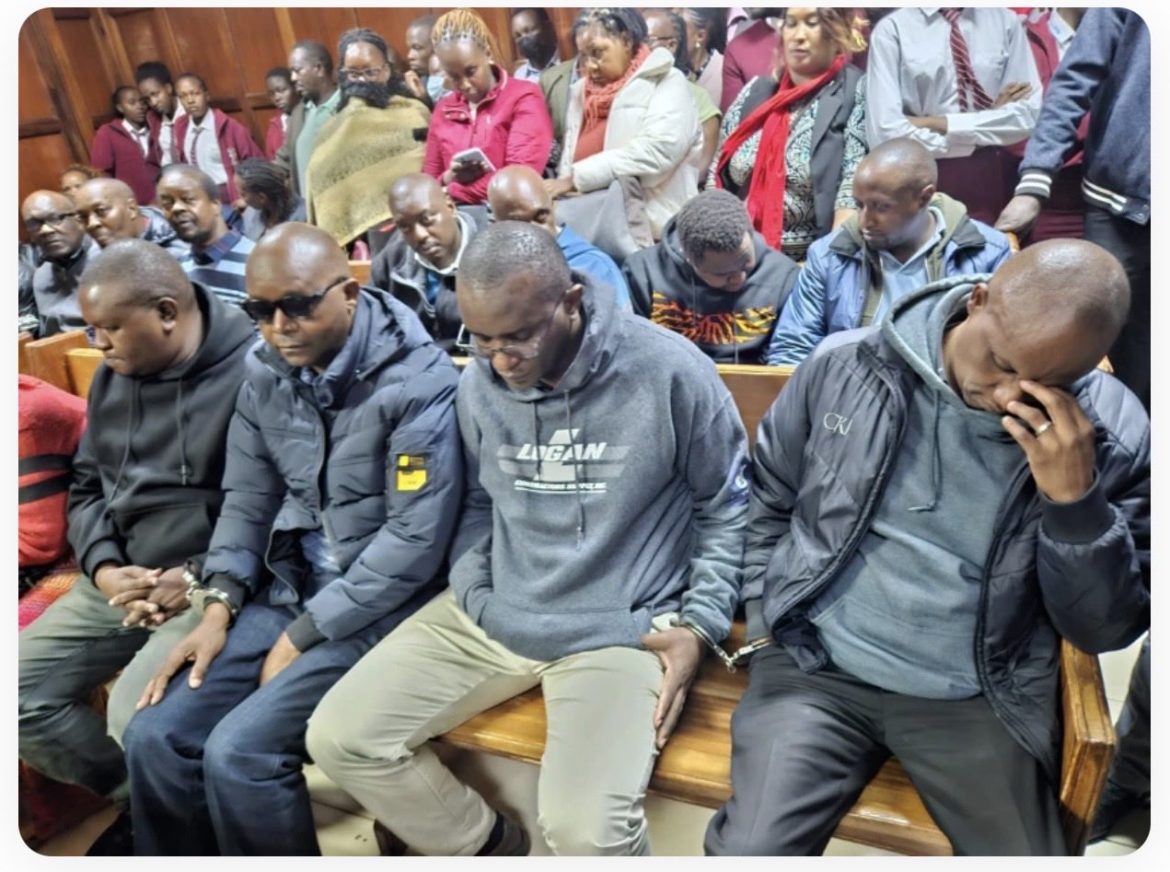
The Ksh14 billion Sacco fraud suspects include Christopher Kahuno, Samuel Ndungu, John Kimani, James Kamau, Patrick Kimando, Francis Kamau, Benson Mwangi, Paul Wathika, Geoffrey Kamau, Duncan Chege, Francis Wachiuru, George Mwihia, Daniel Lee, Joseph Gachunga, Boniface Muthama, Rosemary Njeri, Edward Duncan, Lucy Njambi and James Mutaiga.

Nineteen suspects linked to an alleged Sh14 billion Sacco fraud scheme have been arraigned at the Milimani Law Courts following investigations by the Directorate of Criminal Investigations (DCI) into one of the country’s largest suspected financial scandals involving a savings and credit cooperative society.

The suspects, comprising former and current Sacco officials, were presented before court after detectives uncovered what investigators described as a sophisticated and long-running fraud operation involving fictitious loans, manipulated financial records and illegal diversion of members’ funds.

Probe launched after regulatory complaint

According to the DCI, investigations began after the Sacco Societies Regulatory Authority (SASRA) formally requested an inquiry into allegations of financial misconduct and embezzlement within the Sacco.

Detectives from the DCI Headquarters Investigations Bureau reportedly launched immediate investigations that exposed what authorities described as a coordinated scheme by officials acting in breach of their fiduciary responsibilities.

Investigators allege the officials manipulated financial records, irregularly transferred members’ funds, unlawfully disbursed loans and failed to account for billions of shillings entrusted to the institution.

Fake loan scheme worth billions

The investigation reportedly uncovered two major interconnected fraudulent schemes.

The first allegedly involved manipulation of loan disbursement records between 2012 and 2021, resulting in fictitious loans amounting to approximately Sh13.48 billion.

According to investigators, Sacco officials allegedly created and processed ghost loans over nearly a decade, causing massive financial losses to the institution.

Sh750 million land investment scandal

The second scheme allegedly revolved around the illegal formation and operation of an investment cooperative society used as a front to divert Sacco funds.

The DCI claims officials misappropriated more than Sh750 million under the guise of land acquisition and investment projects in Kitengela.

Authorities say the investment entity operated outside approved statutory frameworks and was allegedly used to siphon members’ savings.

Suspects face multiple charges

The suspects include Christopher Kahuno, Samuel Ndungu, John Kimani, James Kamau, Patrick Kimando, Francis Kamau, Benson Mwangi, Paul Wathika, Geoffrey Kamau, Duncan Chege, Francis Wachiuru, George Mwihia, Daniel Lee, Joseph Gachunga, Boniface Muthama, Rosemary Njeri, Edward Duncan, Lucy Njambi and James Mutaiga.

They face multiple charges, including conspiracy to defraud, stealing by directors or officers, fraudulent false accounting, obtaining credit by false pretences, failure to maintain proper books of accounts and operating non-core investment businesses without statutory approval.

Court proceedings

Appearing before the Milimani Law Courts, all 19 suspects pleaded not guilty to the charges.

The court granted each accused person a bond of Sh200,000 with one surety.

The matter is scheduled for mention on June 22, 2026.

DCI vows crackdown on financial crime

The DCI said it remains committed to dismantling complex financial crime networks targeting ordinary Kenyans who rely on Saccos for savings, credit and economic empowerment.

Authorities noted that the case highlights growing concerns over governance failures and accountability gaps within some cooperative societies.

The scandal is expected to renew scrutiny on financial oversight mechanisms within Kenya’s Sacco sector, which millions of Kenyans depend on for personal savings, loans and investment opportunities.

0 comment
0 FacebookTwitterPinterestLinkedinTumblrWhatsappTelegramEmail
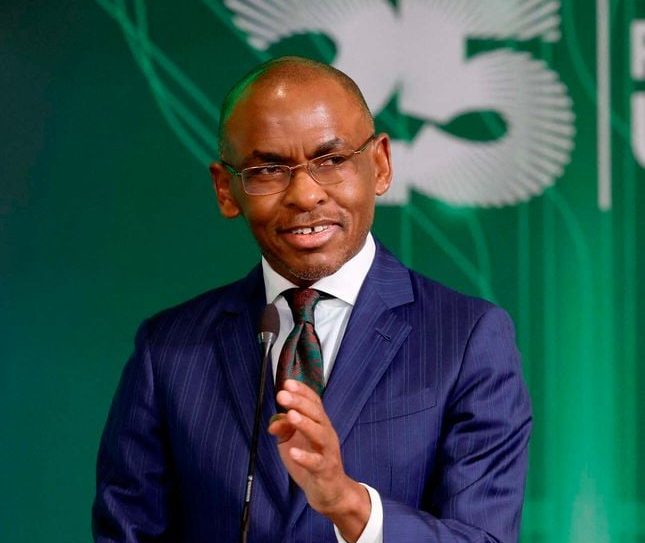
Safaricom CEO Peter Ndegwa

Telecommunications giant Safaricom has been thrust into the centre of a major privacy and human rights storm following an explosive investigative documentary by Al Jazeera alleging that the company enabled extensive state surveillance operations targeting Kenyan citizens.

The documentary, titled Invisible Eyes: Inside State Surveillance in Kenya, alleges that Kenya’s largest telecommunications provider quietly allowed security agencies access to sensitive subscriber information, including location data, call records, and mobile money transactions, often without court orders.

The exposé has reignited long-running concerns raised by human rights organisations, investigative journalists, and digital rights advocates over the relationship between Safaricom and Kenya’s security apparatus.

Claims of warrantless access

According to the investigation, security personnel allegedly accessed subscriber data directly through systems embedded within the company’s infrastructure.

The documentary cites claims that officers could retrieve call records, location information, and even M-Pesa transaction details without judicial oversight.

Safaricom reportedly did not respond to requests for comment before the documentary aired.

The allegations mirror earlier findings by London-based rights group Privacy International in a 2017 report titled Track, Capture, Kill, which claimed Kenyan intelligence agencies had deeply integrated surveillance systems into the country’s telecommunications infrastructure.

That report alleged that Criminal Investigation Department officers operated from within Safaricom headquarters and that intelligence officers had direct access to telecommunications systems.

Fresh scrutiny over Gen Z protests

The controversy has intensified following claims that surveillance infrastructure was used during the 2024 Gen Z protests, when young Kenyans staged nationwide demonstrations against the Finance Bill and rising cost of living.

Human rights groups previously accused state agencies of using mobile phone data to track activists, protesters and online government critics.

Reports by organizations, including Amnesty International and the Kenya Human Rights Commission alleged that some activists who were later abducted or arrested had been located through telecommunications data.

The article also referenced the case of university student David Oaga Mokaya, where a Safaricom employee reportedly admitted in court that subscriber data had been shared with investigators based only on a DCI request letter and without a court order.

Neural Technologies claims

The exposé further revisited claims first published by Nation Media Group in 2024 alleging that a British software company, Neural Technologies, embedded systems within Safaricom infrastructure that allegedly enabled real-time access to subscriber data.

The report claimed security agencies could allegedly track individuals through a browser-based platform connected to telecommunications data.

Safaricom has previously denied operating systems designed for live subscriber tracking and has maintained that customer data is only shared through lawful procedures.

Human rights pressure mounts

Rights groups have now renewed calls for independent investigations into the company’s data practices.

The Law Society of Kenya previously filed a constitutional petition seeking a court-supervised audit of all requests for subscriber data made by the Directorate of Criminal Investigations between June 2024 and December 2025.

The petition accuses security agencies and Safaricom of operating what it described as an unlawful surveillance pipeline outside protections guaranteed under Kenya’s Data Protection Act.

Meanwhile, digital rights organisation Access Now has reportedly called on Vodacom, Safaricom’s parent company, to launch an independent inquiry into the allegations.

Separate data breach controversy

The surveillance allegations come against the backdrop of another major privacy controversy involving the company.

In 2025, reports emerged alleging that former senior Safaricom managers illegally shared subscriber data affecting over 11 million customers with a private betting-linked entity.

The alleged leak reportedly included names, phone numbers, ID details, location records and gambling histories.

Legal proceedings linked to the case are still ongoing.

Questions ahead of 2027

The latest revelations are expected to intensify political and legal debate over surveillance, privacy rights, and the role of technology companies ahead of the 2027 General Election.

Critics argue that Kenya’s telecommunications infrastructure has become a powerful tool for state monitoring, particularly in periods of political tension.

Safaricom, which controls the majority of Kenya’s mobile communications and mobile money ecosystem, remains central to that debate because of the enormous volume of personal data it holds on millions of Kenyans.

As pressure mounts, attention is now shifting to whether Parliament, the courts, and Kenya’s data protection authorities will open formal investigations into the claims raised in the Al Jazeera documentary and earlier reports.

0 comment
0 FacebookTwitterPinterestLinkedinTumblrWhatsappTelegramEmail
Sporty Bet

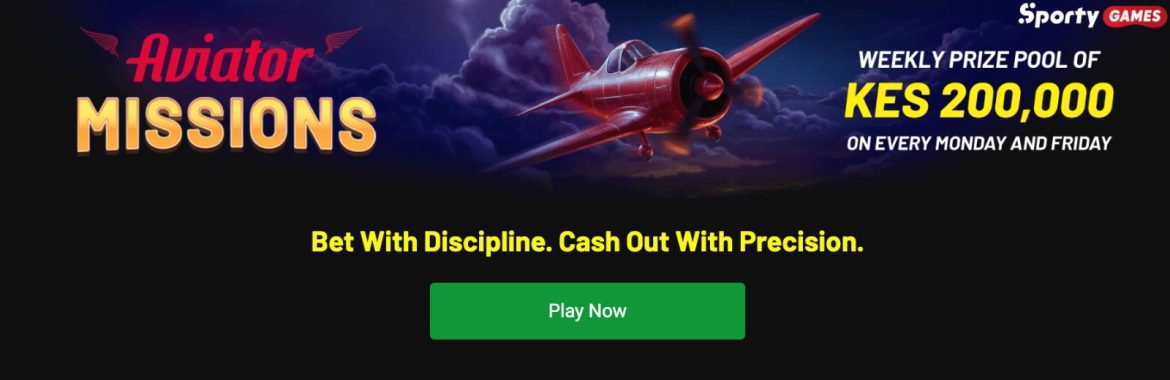
Aviator has become one of Kenya’s most popular crash games, preferred for its simplicity, speed, and availability on many betting sites. Still, most operators only push big wins and generic “tournaments.”

SportyBet’s Aviator Missions goes a step further by giving you structured challenges with fixed rewards, encouraging a disciplined approach to stake sizing and cash‑out timing instead of random chasing.

How to Join SportyBet Aviator Missions

To keep things simple, every mission follows the same joining flow:

  1. Open Aviator in Sporty Games on SportyBet Kenya.
  2. Click on the Challenge banner or missions icon inside the Aviator interface.
  3. Tap Join to register for that day’s mission.
  4. Play Aviator during the mission hours and complete the specific task to secure your
    reward.

If you don’t click Join, your rounds will not count towards the mission, a common rule on other
operators’ Aviator challenges as well.

Weekly Prize Pool

● Total Weekly Prize Pool: 200,000 KES shared across mission winners.
● Rewards are fixed cash amounts per mission, not a leaderboard, making it easier to understand than many competitor Aviator “races” and “xTournaments” that pay only the top few players.

Mission Hours

You can only progress missions during the official challenge windows:

● Morning session: 10:00 AM – 1:00 PM
● Evening session: 7:00 PM – 10:00 PM

Rounds played outside these windows do not count towards that mission’s targets, so plan your bankroll for these specific blocks.

Monday: Collect Mission

● Target Multiplier: Hit a cumulative total of 60x.
● Minimum Bet: 50 KES per qualifying round.
● Reward: 250 KES.
● Winners: First 200 players to reach 60x total during mission hours.

How the 60x works (example):

● Cash out at 5x + 8x + 12x + 10x + 25x = 60x cumulative.
● Once your sum of successful cash‑outs reaches or passes 60x, you complete the mission—if you’re among the first 200.

Disciplined approach for Monday:

● Use smaller, consistent stakes at or just above 50 KES to manage risk.
● Aim for low to medium multipliers (for example, 2x–5x) across several rounds instead of chasing a single huge 60x.
● Track your cumulative progress so you do not overplay after crossing 60x.

Friday: Catch Mission

● Target: Cash out 10 times at 2x or above in 10 different rounds.
● Minimum Bet: 50 KES per qualifying round.
● Reward: 250 KES.
● Winners: First 200 players to complete all 10 successful 2x+ cash‑outs.

This mission is built around the classic low‑risk strategy, small, repeatable profits around the 2x mark. Players complete specific challenges—like reaching a certain cumulative multiplier or winning consecutive rounds within a set time limit- to unlock free bets and cash rewards.

For Friday Challenges:

● Set auto cash‑out at slightly above 2x (for example, 2.0x–2.2x) to avoid hesitation.
● Use the same stake size across all 10 attempts to keep your bankroll stable.
● Do not chase if you miss a cash‑out; simply move to the next round and stay within your budget.

Bet Responsibly

SportyBet’s Aviator Missions are designed to reward consistent, thoughtful play rather than reckless all‑in bets, giving players a way to enjoy Aviator with clear targets, transparent rewards, and a mindset built on control.

● Decide a session budget for each mission and stick to it—treat it as entertainment, not income.
● Use fixed stake sizes (e.g., 50–100 KES) instead of doubling after losses.
● Prefer auto‑cash‑out tools around 2x–3x rather than waiting for rare high multipliers.
● Once you complete a mission and receive your reward, consider ending the session or significantly lowering your stakes.

SportyBet’s Aviator Missions are designed to reward consistent, thoughtful play rather than reckless all‑in bets, giving Kenyan players a way to enjoy Aviator with clear targets, transparent rewards, and a mindset built on control.

0 comment
0 FacebookTwitterPinterestLinkedinTumblrWhatsappTelegramEmail

By Lilian Mbugua

Walk into any social gathering in Nairobi today and you’ll notice something interesting; people are drinking better and spending smarter.

For years, we’ve known that a premium experience comes at a higher price. The higher the cost, the better the quality; It’s a belief that has shaped how consumers approach not just spirits, but lifestyle choices in general. With time, that idea starts to feel outdated.

The assumption that quality must be expensive has created a quiet barrier, one that suggests enjoying something refined requires a bigger budget. Yet, in reality, great taste, great craftsmanship, and a good experience don’t always sit on the highest shelf. Often, they’re simply positioned differently.

What’s changing now is the mindset of the consumer. Today’s drinker is more intentional. They are asking intelligent questions: Is this worth it? Does it fit my lifestyle? Can I enjoy this more often, not just on special occasions? Value, not just status, is driving decisions. The shift is subtle yet powerful, moving from aspirational spending to practical enjoyment.

Elevating Every Moment

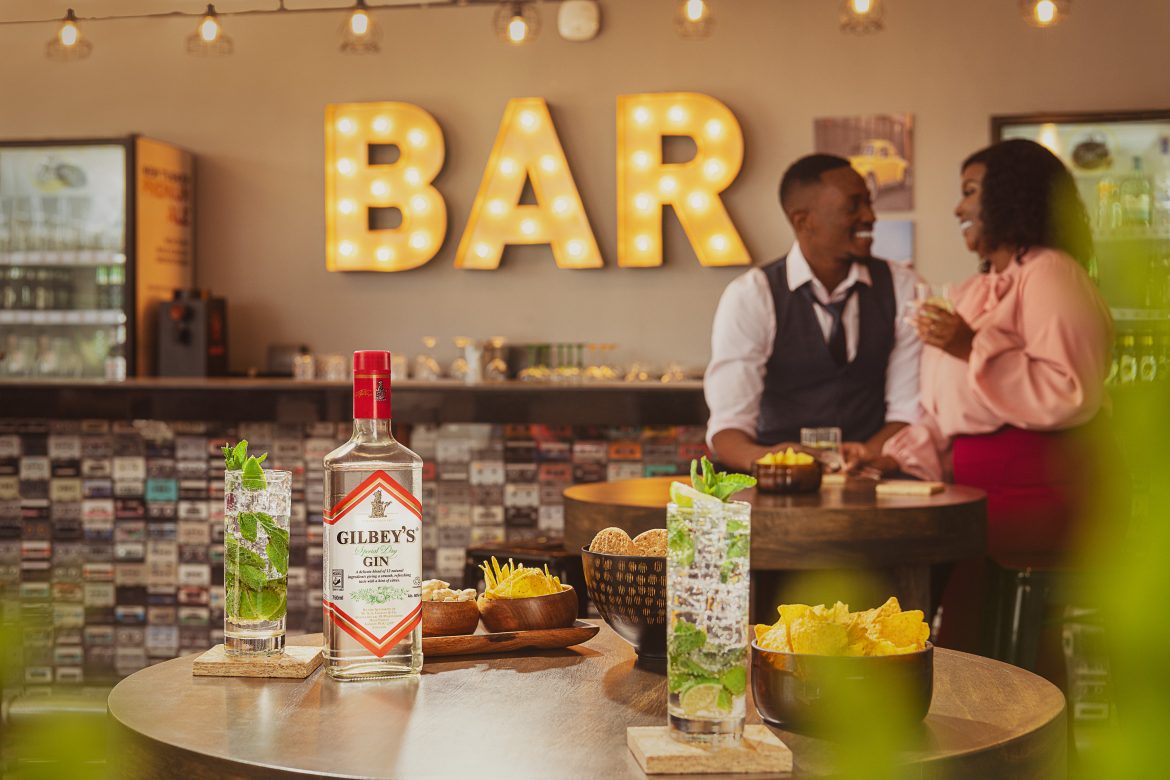
The ultimate mark of an exceptional gin often lies in its inherent versatility. Can it be enjoyed simply; taken neat or merely with tonic, or can it make a cocktail masterpiece? A truly outstanding gin gracefully adapts to any occasion, from a laid-back evening with cherished companions to a more grand, celebratory gathering. Its character should always complement, never overpower, the chosen mixer, thus paving the way for an impressive array of delightful cocktails

This remarkable adaptability is undeniably where Gilbey’s truly shines, empowering us to create meaningful memories and authentic connections. Whether you’re mixing up a refreshingly crisp Gin &Tonic on a chilled afternoon or during a vibrant party, Gilbey’s consistently serves as the perfect, dependable foundation. It actively encourages mixology experimentation and consistently offers a bright profile that harmonizes beautifully with diverse tastes and preferences.

And that matters, because the real magic of social drinking has never been about the bottle, it’s about the moments around it. The laughter that lingers a little longer, the stories that only ‘day ones’ understand and the comfort of being fully yourself, without filters.

The Ksh999 offer on Gilbey’s 750ml, saving you 550 bob, therefore is more than the price point. It is an entry point into premium experiences, democratized for a wider audience. It lowers the barrier without lowering the standard. Therefore, you don’t have to wait for a special occasion to enjoy something good. You can create that moment right where you are, with who you have.

This is the essence behind the Gilbey’s Real Moments campaign, to celebrate authentic connections and a powerful reminder to the consumers to share their unfiltered moments with their ‘day ones’.

0 comment
0 FacebookTwitterPinterestLinkedinTumblrWhatsappTelegramEmail
Tycoon Chris Obure

A Nairobi-based Aviation and Real Estates company owned by city tycoon Chris Obure has moved to the High Court seeking billions of shillings in compensation after alleging it was illegally evicted from prime office space along Lenana Road and suffered massive financial losses, including the disappearance of hundreds of kilograms of gold bars, his family investment.

SBS Dunhill Group (EA) Limited has filed a case at the Commercial and Tax Division of the High Court against Ajeetkumar C. Shah & Others and Siuma Auctioneers, accusing them of orchestrating an unlawful eviction and causing devastating losses to its business operations.

According to court documents, the company says it entered into a commercial lease agreement in 2017 for office premises at Senteu Plaza along Lenana Road in Nairobi’s Kilimani area. The firm claims it occupied approximately 8,900 square feet of office space and later invested heavily in renovations and custom installations after allegedly being assured it would eventually acquire the property.

The company avers it paid over KSh 981 million to the landlords, including rent and partial payment toward the anticipated purchase of the property. It further claims to have spent more than KSh 850 million on interior renovations, architectural upgrades, and executive wellness facilities.

However, SBS Dunhill alleges the agreement later collapsed, triggering a prolonged legal dispute before the Business Premises Rent Tribunal.

The firm claims that on May 16, 2025, auctioneers accompanied by police officers and hired individuals forcefully evicted it from the premises.

“The Plaintiff was ambushed… by the 4th Defendant in the company of over 15 police officers and about 150 hired goons tasked with overseeing the forceful and illegal eviction,” the court filing states.

The company further alleges that during the eviction exercise, valuables including 330 Kilograms of gold bars and cash kept in a diplomatic safe disappeared after property was allegedly removed and dumped outside the premises.

SBS Dunhill is now seeking compensation, including KSh 5.9 billion for the alleged value of the missing gold, KSh 821 million in alleged excess payments, compensation for renovation costs, business losses, damages, and legal costs.

The allegations are contained in court pleadings and remain subject to judicial determination. The defendants are yet to respond in court to the claims.

0 comment
0 FacebookTwitterPinterestLinkedinTumblrWhatsappTelegramEmail

University gamers across Kenya are invited to battle for glory in the biggest PUBG MOBILE varsity competition yet.

PUBG MOBILE and Infinix have officially announced the launch of the PUBG MOBILE Varsity Showdown (PMVS), a nationwide university esports tournament designed to unite student gamers from across Kenya in an exciting competitive gaming experience.

Powered by Infinix, the only smartphone brand in Kenya with a dedicated gaming smartphone lineup – the GT Series – specifically built for competitive mobile gamers and high-performance gameplay. Through this partnership, gamers will get the opportunity to experience the newly launched Infinix GT 30 Pro, a device engineered for smooth gaming performance, immersive visuals, fast response, and powerful cooling capabilities ideal for esports competition.

Beyond the tournament, the collaboration also positions Infinix at the center of Kenya’s growing gaming culture as the brand prepares to introduce the highly anticipated GT 50 Pro into the Kenyan market soon, further reinforcing its commitment to supporting and elevating the local gaming community.

The tournament campaign will run from mid-May through late June 2026, featuring multiple stages of online competition leading into the official offline Grand Finals.

TOURNAMENT FORMAT

The competition will follow a multi-stage structure featuring:

• Online Qualifiers
• Quarter Finals
• Semi Finals
• Offline Grand Finals (Date to be announced)

Each squad will consist of:

• 4 Players
• 1 Substitute

Official PUBG MOBILE tournament rules and scoring systems will be applied throughout the competition.

PRIZES

Participants will battle for:

• USD 1000 Prize Pool
• 10 Infinix GT 30 PRO smartphones
• Campus pride and national recognition

DRIVING YOUTH ESPORTS CULTURE

The campaign will also feature:

• Campus ambassador mobilization
• Community-driven gaming engagement
• Social media creator campaigns
• Weekly mini online tournaments
• User-generated content challenges

The objective is to continue growing Kenya’s esports ecosystem while creating opportunities for young gaming talent to showcase their skills, creativity, and competitive spirit.

CALL FOR REGISTRATION

All university students across Kenya are encouraged to form squads, register, and represent their campus in the PUBG MOBILE Varsity Showdown.

Registration is now officially open: https://docs.google.com/forms/d/1diQYBhN0judKkUaI4T_Et87qULBpK0j0U8JPuIi0y9s/edit

0 comment
0 FacebookTwitterPinterestLinkedinTumblrWhatsappTelegramEmail

By Lilian Mbugua

There was a time when enjoying a great cocktail felt reserved for upscale bars, luxury lounges, or occasions important enough to justify calling in a mixologist. Today, however, cocktails have moved far beyond the bar counter. They have found a new home in our living rooms, balconies, rooftops, game nights, and brunches.

Kenya’s cocktail culture is evolving and fast.

What was once considered niche has now become part of everyday social experiences, especially among young consumers seeking more personalized, experiential, and premium ways to connect. Cocktails are increasingly becoming social currency and expressions of lifestyle.

Scroll through social media, and you will notice it immediately: aesthetically poured drinks, curated hosting moments, playlist culture, and groups of friends recreating elevated experiences from the comfort of their homes.

And perhaps that is what makes this moment so exciting. Cocktail culture in Kenya is no longer confined to nightlife alone; it is becoming more democratized.

Consumers today want premium experiences, but they also want convenience. They want drinks that fit naturally into their lifestyles without feeling complicated or intimidating. This shift is redefining not just what people drink, but how they drink.

At the centre of this evolution is a growing appreciation for effortless cocktail experiences.

Ready-to-drink cocktails, for instance, are increasingly resonating with consumers because they remove the barriers that once came with cocktail enjoyment. You no longer need a fully stocked bar cart, advanced mixology skills, or a bartender on standby to enjoy a quality cocktail experience.

That is where innovations like Gilbey’s Berry Bramble are finding their moment.

Gilbey’s Berry Bramble represents a new generation of cocktail experiences designed for today’s consumer vibrant, flavourful, convenient, and social. Whether it is a spontaneous catch-up with friends, a chilled evening indoors, or a hosted dinner at home, consumers are embracing products that allow them to elevate everyday moments with ease.

The beauty of pre-mixed cocktails lies in their simplicity. Open, pour, serve, and enjoy.

No complicated recipes. No pressure to “get it right”. Just consistent, refreshing flavour that fits effortlessly into modern social occasions.

More importantly, this shift speaks to a broader cultural movement: the rise of at-home socializing.

Consumers are increasingly investing in creating memorable experiences within their own spaces. The living room has become the new lounge. House parties are becoming more curated. Hosting culture is becoming more expressive. Music, food, décor, and drinks are all part of crafting intentional moments with friends and loved ones.

Cocktails naturally fit into this evolution because they bring a sense of occasion to ordinary moments.

At the same time, consumers are also becoming more adventurous. They are exploring flavors, experimenting with serves, and discovering that cocktail culture does not have to feel exclusive.

For those who enjoy adding a personal touch to their drinks, Gilbey’s Special Dry Gin continues to offer a versatile foundation for simple yet timeless cocktail experiences such as the classic Gin & Tonic. It is proof that creating enjoyable cocktail moments at home does not need to feel overly technical or expensive.

In many ways, the Gin & Tonic perfectly reflects where modern cocktail culture is headed: simple, refreshing, customizable, and social.

Consumers today appreciate experiences that feel authentic and easy to replicate within their everyday lives. Whether it is adding fresh citrus, berries, herbs, or experimenting with garnish combinations, people are finding joy in making cocktails their own.

Social media has also accelerated this culture significantly. Platforms like TikTok and Instagram have transformed cocktail-making into shareable entertainment content. Consumers are no longer just drinking cocktails; they are engaging with the culture around them, from discovering new serves to hosting aesthetically driven social moments.

But beyond trends and aesthetics, what we are witnessing is a deeper shift in consumer mindset.

People are prioritizing connection and shared experiences.

After increasingly busy schedules and digitally dominated lives, social moments have become more intentional. Consumers want products and experiences that help facilitate those moments effortlessly. Convenience, therefore, is no longer viewed as compromising quality. If anything, convenience has become part of the premium experience itself.

That is why the future of cocktail culture in Kenya looks incredibly exciting.

We are seeing a generation of consumers who are curious, expressive, and open to discovering new ways to socialize. They are seeking brands that understand their lifestyles and evolve alongside them. They are embracing experiences that feel accessible yet elevated.

Cocktails are no longer reserved for special occasions alone. They are becoming part of everyday rituals the Friday unwind after work, the Sunday brunch soundtrack, the spontaneous link-up with friends, or the quiet solo reset after a long week.

And perhaps that is the magic of modern cocktail culture: its ability to transform ordinary moments into memorable ones.

As this culture continues to evolve, Gilbey’s remains committed to creating experiences that feel contemporary, enjoyable, and accessible for today’s consumer whether through convenient ready-to-drink innovations like Gilbey’s Berry Bramble or timeless classics crafted with Gilbey’s Special Dry Gin.

Consumers can explore Gilbey’s cocktail experiences by purchasing Gilbey’s Berry Bramble and Gilbey’s Special Dry Gin from Ke.thebar.com or stores near them and create their own magic at home. We are currently running offers on the Gilbey’s Special Dry Gin going for Ksh.999 for the 750ml.

Alcohol consumption is not for persons under the age of 18. Please drink responsibly.

The writer is the Brand Manager for Gilbeys Kenya.

0 comment
0 FacebookTwitterPinterestLinkedinTumblrWhatsappTelegramEmail

DCI detectives have arrested three suspects linked to a sophisticated fraud scheme that led to the loss of more than KSh5.2 million from the Public Trustee Administration Estates Account under the Office of the Attorney General and Department of Justice.

According to investigators, the suspects are part of a wider fraud syndicate accused of illegally siphoning KSh5,226,735 through forged documents and fraudulent bank account details.

Millions wired through suspicious transactions

Authorities said the money was transferred through two separate transactions amounting to KSh2,413,896 and KSh2,813,989 into personal bank accounts controlled by individuals linked to the scheme.

The fraud reportedly targeted funds held under the Public Trustee Administration Estates Account, which manages estates and assets under government administration.

Detectives trace money trail

Investigations launched after the suspicious transactions enabled detectives to trace the movement of the funds and identify seven suspects believed to have played different roles in the operation.

The probe uncovered what investigators described as a carefully coordinated scheme involving forged documentation and manipulated account information.

Three suspects arrested

On Tuesday, May 13, 2026, detectives arrested three suspects identified as:

  • Geoffrey Kipkemoi Langat
  • Patrick Ngandu Nderitu
  • Timothy Kipchumba Cheboi

The three are currently undergoing processing ahead of their arraignment in court.

Multiple charges approved

Following completion of investigations, the case file was forwarded to the Office of the Director of Public Prosecutions (ODPP), which approved charges against all seven suspects connected to the alleged fraud.

The suspects are expected to face multiple charges, including:

  • Conspiracy to Defraud
  • Stealing
  • Forgery
  • Acquisition of Proceeds of Crime

Four suspects still on the run

Detectives have intensified efforts to track down four additional suspects who remain at large as investigations continue.

Authorities say more arrests are expected as officers tighten the net around individuals believed to have benefited from or facilitated the fraudulent transactions.

Public urged to report corruption

The Directorate of Criminal Investigations (DCI) urged members of the public to continue sharing information that may help in fighting corruption and financial crime.

Kenyans were encouraged to report suspicious activities anonymously through the #FichuaKwaDCI hotline and WhatsApp platform.

The case now adds to growing concerns over fraud targeting public institutions and government-managed financial accounts.

0 comment
0 FacebookTwitterPinterestLinkedinTumblrWhatsappTelegramEmail

While Gen Z creators are busy begging followers to “click the link in bio” for cents per thousand views, a quiet rebellion is brewing in Nairobi.

Meet UrbanTok — and no, it’s not another clone.a.

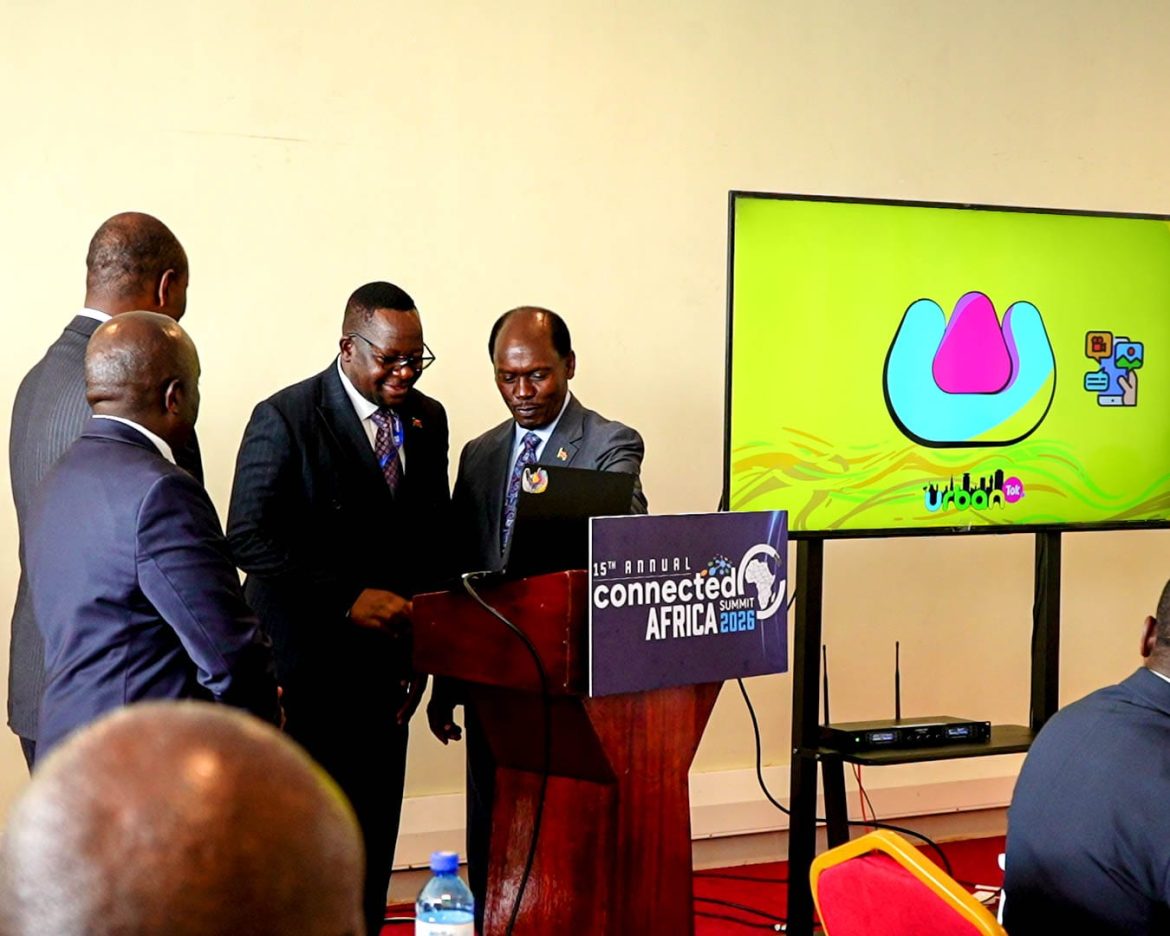
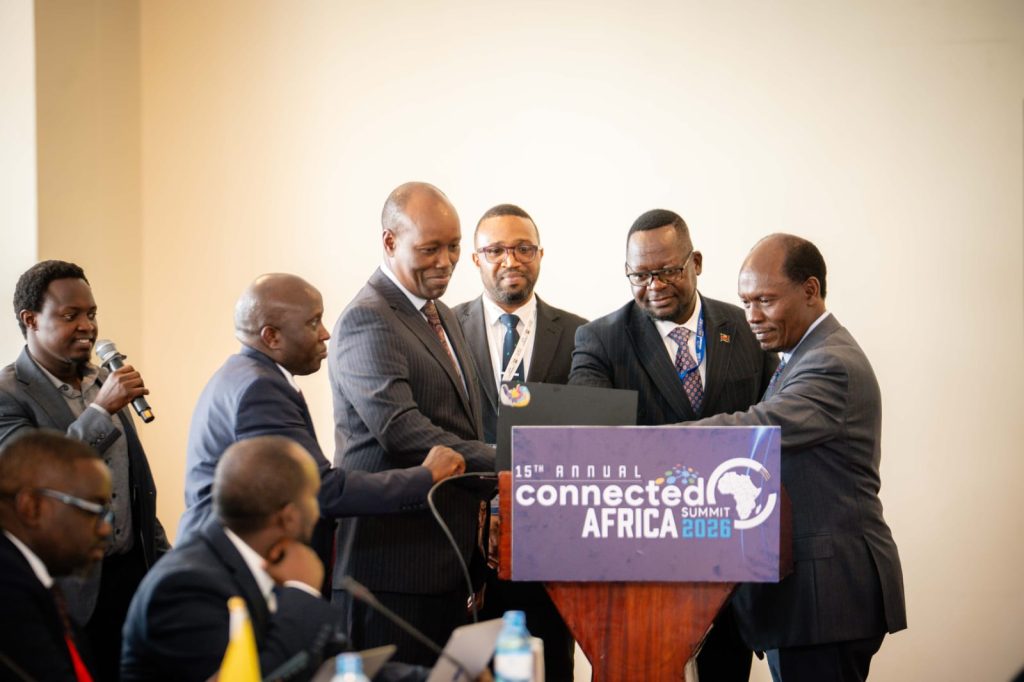
Launched last month at the Connected Africa Summit 2026, the platform had an unusual guest list: not just investors, but over 20 ICT ministers from across the continent, led by Kenya’s own Hon. William Kabogo (ICT Cabinet Secretary) and Hon. Lee Kinyanjui (Trade & Industry CS).

Even PS Eng. John Tanui called it a major milestone for Kenya’s digital sovereignty.

Why would ministers, not Silicon Valley VCs, rally behind a new social app?

Because UrbanTok isn’t fighting for your attention. It’s fighting for your wallet.

For years, African creators have been the engine that drives global platforms — but never the ones who get paid.

Think about it. A dancer in Lagos gets two million views on TikTok. A comedian in Nairobi goes viral every week. A filmmaker in Accra builds a loyal audience on YouTube. The engagement is massive. The passion is real.

But the payout? A fraction of what a creator in London or New York would earn for the same numbers. High withdrawal thresholds. Payment methods that don’t work with local banks. And algorithms that seem designed to keep African content from reaching truly global audiences — or sustainable ad revenue.

Africa has been the perfect consumer of digital entertainment. Scrolling, liking, sharing, laughing. But when it comes to earning from the value we create? The door has stayed firmly shut.

While global platforms pay African creators in “exposure” and $100 payouts that take three weeks to hit M-Pesa, this homegrown ecosystem is flipping the script:

• Local currency payouts (no PayPal horror stories)
• Paid livestreams, gifting, and even a built-in dropshipping store called UrbanDuka
• Monetization from day one — not after a million followers

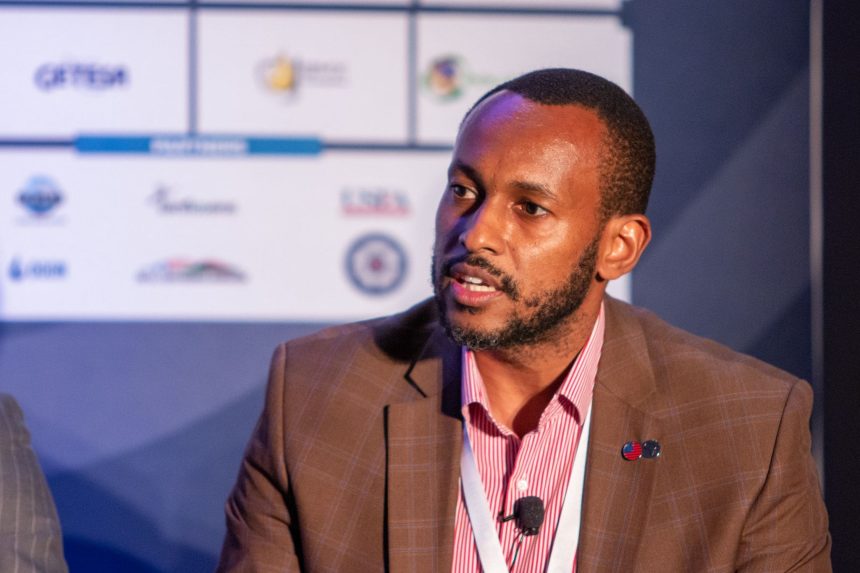
In its first week? Over 10,000 daily active users. The CEO, Naftal Nyabuto (a 19-year tech vet in fintech, AI, and blockchain), put it bluntly: “We’re not a content-first platform with monetization tacked on. We’re a monetization engine that happens to stream video.”

And that is exactly why 20 African ministers didn’t just attend the launch — they endorsed it.

Because this isn’t just about one app. It’s about digital sovereignty. It’s about stopping the drain of African data, attention, and creativity into foreign servers that send back only scraps.

Kabogo, Kinyanjui, and the other ministers see what many have ignored: Africa’s creator economy is bleeding value. Every hour a young person spends creating content on a foreign platform is an hour that builds someone else’s shareholder value — not their own community wealth.

UrbanTok is the first serious attempt to change that math. To turn Africa from a consumer of digital platforms into a creator and owner of them.

So here’s the question Gen Z is already asking — and investors are quietly scrambling to answer: Could the first platform that actually pays African creators be… African?

Let’s talk numbers — because the math is staggering.

Over 18.4 million Kenyans are active on TikTok alone. That’s nearly one in three Kenyans. Across Nigeria, South Africa, Ghana, and the wider continent, the figures multiply into the hundreds of millions of active users. They scroll, like, share, and create.

They generate billions of views monthly — the kind of engagement that would make any Western market drool. And what do the platforms pay back? Almost nothing. In Nigeria, TikTok’s Creator Rewards Programme remains completely unavailable to most creators.

Kenyan users face payment thresholds so high they might as well be invisible. And when payouts do come, they bleed value through PayPal’s currency conversion fees, foreign transaction charges, and bank intermediary costs that can eat up to 20 percent of hard-earned money before it even touches M-Pesa.

Now flip the camera. What do the platforms earn?

Industry estimates suggest global short-video platforms generate upwards of $500 million annually from African markets through advertising, virtual gifting, and data harvesting — yet less than 5 % of that finds its way back to African creators. The rest? Repatriated to Silicon Valley bank accounts. Used to fund product development for European users.

Spent on lobbying Washington. The algorithm that decides whether a Nairobi creator eats or starves isn’t programmed in Nairobi.

It’s programmed in San Francisco, by engineers who have never struggled to withdraw their own money. “African creators are completely dependent on decisions made by foreign platforms with little regard for their economic realities,” the research notes. UrbanTok isn’t asking for a seat at that table. It’s building a new one — and inviting the whole continent to sit down.

0 comment
0 FacebookTwitterPinterestLinkedinTumblrWhatsappTelegramEmail
Ken Mugambi, the Group Chief Executive Officer of Trinity Energy

Ken Mugambi, the Group Chief Executive Officer of Trinity Energy, has been thrust into the centre of a controversial multi-billion-shilling oil allocation dispute in South Sudan following revelations that his company was awarded a disputed crude cargo worth about KSh7.8 billion.

The controversy stems from an official letter dated March 31, 2026, issued by South Sudan’s Ministry of Petroleum, which designated Trinity Energy Limited as the lifter of a 600,000-barrel cargo of Dar Blend crude oil valued at approximately $60 million.

Official ministry letter named Mugambi directly

The letter, signed by newly appointed Undersecretary Dr. Santino Ayuel Longar, was addressed directly to Mugambi in his capacity as Group CEO of Trinity Energy Limited in Juba.

The cargo was scheduled to load between April 29 and 30, 2026, at Port Sudan’s Bashayer terminal.

According to the letter, all proceeds from the crude sale were to be retained by African Export-Import Bank (Afreximbank) to offset debts owed by the South Sudanese government under existing financing arrangements.

The arrangement effectively positioned Trinity Energy as the designated lifting vehicle for the debt recovery process.

Cargo allegedly allocated to another company

However, the deal quickly descended into controversy after it emerged that the same cargo had allegedly already been awarded to another company days earlier.

Reports indicate that on March 27, 2026, the outgoing petroleum undersecretary, Dr. Chol Deng Thon Abel, had signed a separate letter allocating the exact same 600,000-barrel cargo to Euro American International Energy DMCC, a Dubai-based company linked to Sudanese businessman Idris Taha.

Just days later, another official communication reportedly restored the cargo allocation back to Euro American.

The developments created a dramatic situation in which the same physical crude cargo appeared to have been allocated to two different companies within a span of eight days.

Questions over Trinity’s role

The controversy has triggered questions over whether Trinity Energy had prior knowledge of the earlier allocation and whether the company knowingly entered into a dispute involving competing claims over sovereign crude exports.

Kenya Insights, which published the explosive report, said questions sent to Trinity Energy and Mugambi regarding the allocation conflict, contractual awareness, and the company’s role in the arrangement went unanswered at the time of publication.

Trinity’s long history in South Sudan oil sector

The latest scandal is not the first time Trinity Energy has found itself linked to controversy surrounding South Sudan’s oil sector.

The company has operated in South Sudan since 2012 and grew into one of the country’s largest fuel suppliers, reportedly handling more than 40 percent of South Sudan’s energy demand at one point.

Its dominant fuel storage infrastructure and deep commercial ties within Juba’s petroleum sector have repeatedly placed the company at the centre of oil-backed financing arrangements.

Afreximbank financing links

In 2018, Trinity Energy entered into trade finance agreements with Afreximbank involving tens of millions of dollars for fuel imports into South Sudan.

Investigative reports by international watchdog group The Sentry later alleged that Trinity was awarded more than 40 percent of South Sudan’s crude cargo allocations between 2018 and 2019 under controversial financing arrangements.

The investigations claimed the company sold the crude to Glencore Singapore and that the transactions raised concerns around transparency, governance, and possible financial misconduct.

The reports further alleged that Trinity paid large “facilitation” and lobbying fees linked to the setup of the oil-backed financing deals.

Mugambi’s corporate profile under scrutiny

Mugambi, who officially became Trinity Group CEO in February 2025 after previously serving as Deputy CEO, is widely known in East African business circles as a seasoned corporate executive.

His professional background includes affiliations with the Kenya Association of Manufacturers, an MBA from the University of Calgary, and a degree in actuarial mathematics from the University of Nairobi.

Trinity Energy also operates an expanding retail fuel network across Kenya, South Sudan, and the Democratic Republic of Congo.

But analysts say the latest revelations now place Mugambi’s leadership under renewed scrutiny, particularly regarding Trinity’s continued involvement in South Sudan’s politically sensitive oil allocation system.

Debt recovery operation

At the heart of the matter is South Sudan’s massive debt to Afreximbank, which reportedly exceeded $657 million after rulings in UK court proceedings tied to oil-backed financing arrangements.

The March 2026 cargo allocation appears to have formed part of a debt recovery mechanism through which crude sale proceeds would flow directly to Afreximbank instead of South Sudan’s treasury.

Under that arrangement, Trinity Energy was allegedly functioning as the operational conduit for lifting and transferring the crude.

Unanswered questions remain

Several major questions remain unresolved, including:

  • Why the same cargo was allegedly allocated to multiple companies
  • Whether Trinity had legal assurance over the cargo
  • What commercial fees or benefits Trinity stood to gain
  • Whether South Sudan’s normal public finance procedures were bypassed

Neither South Sudan’s Ministry of Petroleum nor Trinity Energy had publicly responded to the allegations by the time the report circulated widely online.

The controversy is now expected to intensify scrutiny over South Sudan’s oil governance system, the role of foreign-linked intermediaries, and the involvement of regional corporate players in sovereign crude allocation deals.

0 comment
0 FacebookTwitterPinterestLinkedinTumblrWhatsappTelegramEmail

Xiaomi Kenya has officially launched the new JiUpgrade Bila Stress campaign, a customer-first initiative designed to make upgrading to the latest REDMI smartphones simpler, more flexible, and more affordable through convenient Lipa Pole Pole payment plans.

The campaign aims to remove the stress of large upfront smartphone payments by offering customers low deposits, manageable daily installments, and exclusive savings across selected REDMI devices — making premium technology more accessible to everyday consumers across Kenya.

Customers can now enjoy savings of up to KES 1,500 on the latest REDMI Note 15, available with flexible payment options across the following variants:

  • 8GB+256GB – 15% deposit of KES 5,100 with daily payments from KES 160
  • 6GB+128GB – 15% deposit of KES 4,500 with daily payments from KES 145

REDMI Note 15 Pro offers savings of up to KES 2,200, available in the following options:

  • 8GB+256GB – 15% deposit of KES 6,400 with daily payments from KES 195
  • 12GB+512GB – 15% deposit of KES 8,000 with daily payments from KES 240

The campaign also caters to users seeking reliable everyday performance at highly affordable rates through the REDMI 15C, which delivers savings of up to KES 1,000 across multiple storage variants:

  • 4GB+128GB – Deposit from KES 2,700 | Daily payment from KES 85
  • 6GB+128GB – Deposit from KES 2,800 | Daily payment from KES 90
  • 4GB+256GB – Deposit from KES 3,000 | Daily payment from KES 95
  • 6GB+256GB – Deposit from KES 3,600 | Daily payment from KES 115

Customers can also upgrade to the stylish and budget-friendly REDMI A7 Pro, with savings of up to KES 700 available through flexible payment plans:

  • 4GB+64GB – Deposit from KES 2,200 | Daily payment from KES 70
  • 4GB+128GB – Deposit from KES 2,500 | Daily payment from KES 80

In addition, Xiaomi Kenya is rolling out a special Lipa Pole Pole Combo Offer, giving customers access to selected REDMI smartphones with minimum deposits starting from just KES 2,200.

All devices under the JiUpgrade Bila Stress campaign come with a 24+1 months warranty, giving customers added confidence, long-term reliability, and peace of mind with every purchase.

The campaign further reinforces Xiaomi Kenya’s commitment to delivering innovative technology solutions that combine premium smartphone experiences with flexible, accessible, and consumer-friendly financing options tailored for modern lifestyles.

The JiUpgrade Bila Stress campaign is now available for a limited time across participating Xiaomi stores and authorized dealers nationwide.

0 comment
0 FacebookTwitterPinterestLinkedinTumblrWhatsappTelegramEmail
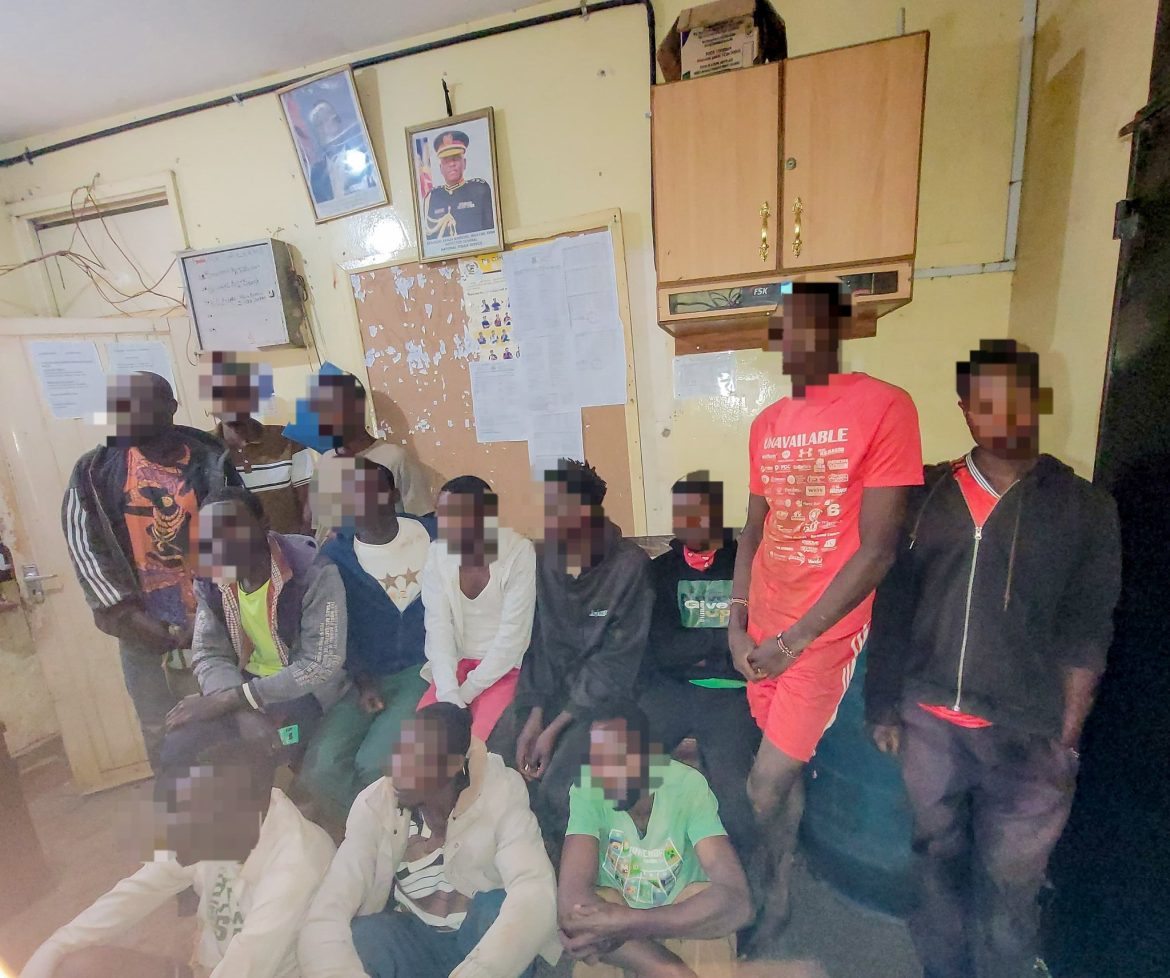
13 Arrested in Crackdown on Suspected Criminal Gang in Trans Nzoia

A multi-agency security team has arrested 13 suspects during an operation targeting alleged criminal gang activities in Trans Nzoia County.

According to the National Police Service, the intelligence-led operation was conducted in the Gitwamba area as part of ongoing efforts to dismantle criminal networks accused of terrorising residents through violence, intimidation, theft, vandalism, and other unlawful activities.

Police said the coordinated swoop was carried out on Saturday, May 9, 2026, and resulted in the arrest of individuals believed to be linked to gang-related offences within the area.

Authorities did not immediately disclose the identities of the suspects but confirmed that investigations are ongoing ahead of their arraignment in court.

The National Police Service reiterated its commitment to restoring law and order in areas affected by criminal gangs and organised crime.

In a statement, police said such groups continue to undermine public confidence and disrupt normal livelihoods through unlawful activities.

“The National Police Service remains committed to dismantling criminal gangs that threaten peace, undermine public confidence, and disrupt normal livelihoods,” the statement read in part.

Security agencies said they will continue intensifying intelligence-led operations to track down individuals involved in criminal activities across the country.

Police further warned that suspects linked to violence, extortion, theft, and related offences would be apprehended and prosecuted in accordance with the law.

Appeal to the public

The National Police Service Kenya also called on members of the public to cooperate with security agencies by reporting suspicious activities and sharing information that may help combat crime.

Residents were urged to use emergency numbers 999 and 911, or anonymously report information through the #FichuaKwaDCI hotline and WhatsApp channels.

The latest operation comes amid increased efforts by law enforcement agencies to curb rising criminal activities in several parts of the country through coordinated crackdowns and surveillance operations.

Authorities say public cooperation remains critical in helping security teams maintain peace and enhance safety within communities.

0 comment
0 FacebookTwitterPinterestLinkedinTumblrWhatsappTelegramEmail